
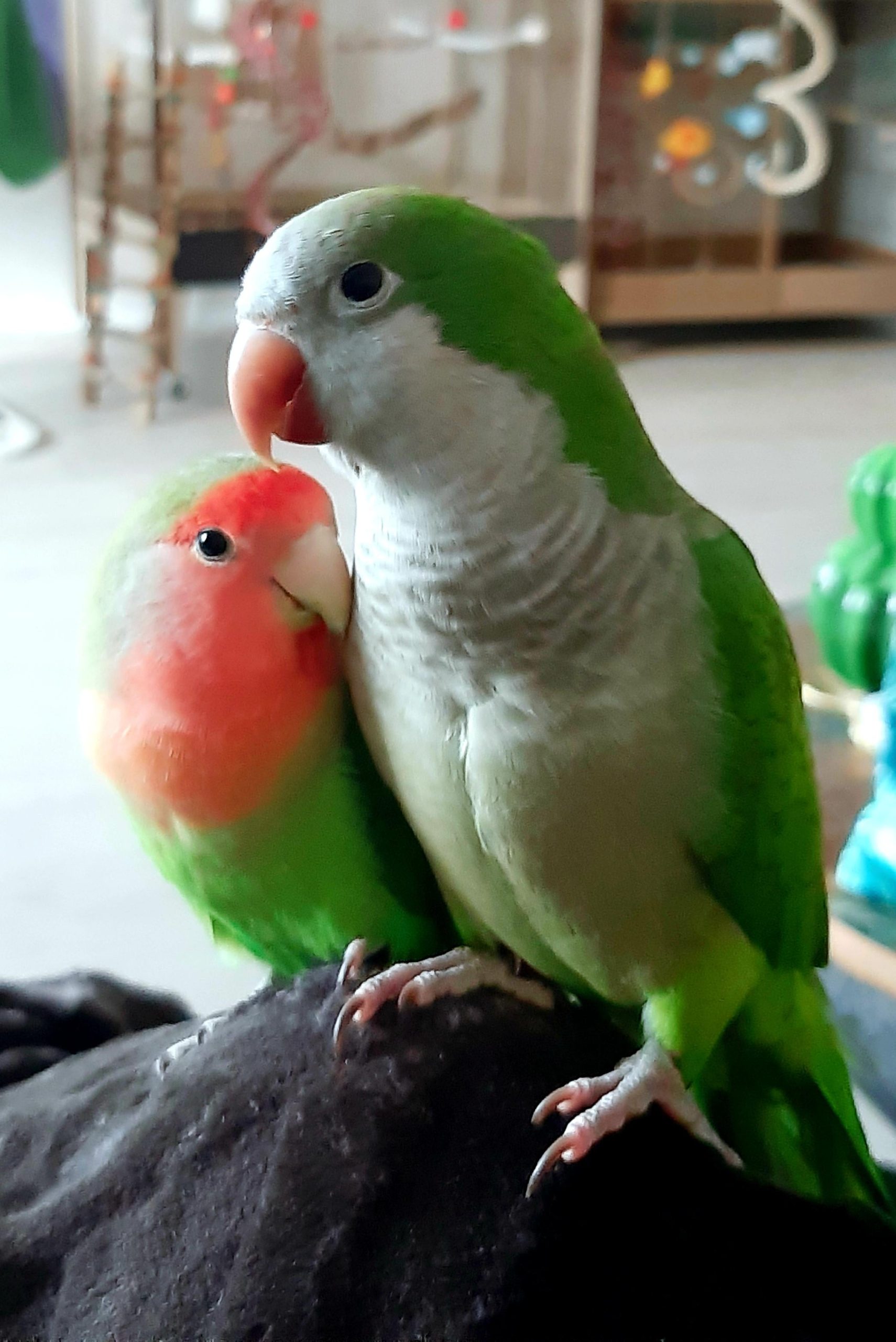
Have you ever watched love birds gently feeding each other and wondered why they do it? This simple act is more than just adorable—it reveals a deep connection between these feathered friends.
Understanding why love birds share food can give you surprising insights into their behavior and emotions. If you want to know what this feeding ritual means and how it strengthens their bond, keep reading. You’ll discover fascinating facts that might even change the way you see love birds forever.
Credit: www.newindianexpress.com
Bonding Through Feeding
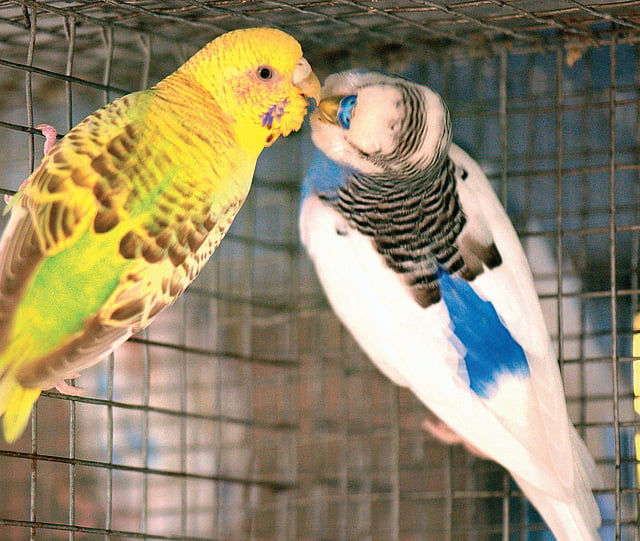
Love birds feeding each other is more than just a feeding habit—it’s a powerful way they connect. This behavior helps them build trust and closeness, creating a bond that’s vital for their relationship. Watching this interaction can teach you a lot about how they express care and loyalty.
Strengthening Pair Bonds
When love birds feed one another, they are reinforcing their partnership. This act releases positive feelings that help reduce stress and increase attachment. Think about how sharing food with someone you care about can make you feel closer; it’s similar for these birds.
You might notice that feeding happens more often after conflicts or when they reunite after being apart. This shows that feeding isn’t just about nutrition—it’s about repairing and deepening their connection. Have you ever tried sharing a meal to reconnect with someone? Love birds do this naturally.
Signs Of Affection
Feeding each other is one of the clearest signs that your love birds trust and care for each other deeply. It’s a gentle, intimate gesture that says, “I want to take care of you.”
Besides feeding, they might softly preen each other’s feathers during the process, showing tenderness. These moments are crucial for maintaining harmony in their relationship.
Next time you see your love birds share food, ask yourself what they might be communicating beyond hunger. Could you use similar small acts of care to strengthen your own relationships?
Feeding As Communication
Feeding between love birds is more than sharing food. It acts as a special form of communication. This behavior shows emotions and strengthens their bond. It sends messages without words, helping birds connect deeply.
Nonverbal Messages
When love birds feed each other, they share feelings silently. It shows care and affection. This act signals safety and comfort. Birds express trust and love without sounds. The gentle feeding gestures build a quiet language between them.
Building Trust
Feeding helps love birds trust each other more. It means one bird feels safe near the other. Sharing food is a vulnerable act. Trust grows with each feeding moment. This trust forms a strong foundation for their relationship.
Nurturing Instincts
Love birds feeding each other shows their deep nurturing instincts. This behavior is more than just sharing food. It reflects care, trust, and bonding between them. These instincts help build strong connections and support their survival as a pair.
Parental Behaviors
Feeding each other mimics how love birds care for their chicks. Parents feed their babies by regurgitating food. This action helps chicks get nutrients easily. By feeding each other, adults practice these skills. It strengthens their ability to raise healthy young ones.
This behavior also signals readiness for parenthood. Birds that feed their mates show they can share responsibilities. It prepares them for cooperation during nesting and chick rearing. Such teamwork is vital for the family’s success.
Role In Courtship
Feeding during courtship builds trust and attraction. It shows a bird’s willingness to provide and protect. This act reassures the partner of their commitment. The exchange of food creates a strong emotional bond.
It also helps pairs stay close and connected. Sharing food calms them and reduces stress. This closeness encourages mating and long-term partnership. In love birds, feeding each other is a language of love.

Credit: www.reddit.com
Health Benefits Of Feeding
Feeding each other is a common behavior among love birds that goes beyond showing affection. This act has several health benefits that help maintain their well-being. It supports their nutrition and lowers stress levels, which are vital for their overall health.
Nutritional Support
Love birds share food to ensure both get enough nutrients. Some birds might struggle to eat certain seeds or fruits on their own. By feeding each other, they help distribute food evenly. This sharing improves digestion and boosts their energy. It also helps young or weaker birds receive proper nutrition. This behavior promotes stronger immune systems and healthier bodies.
Stress Reduction
Feeding each other creates a calming effect for love birds. This closeness releases hormones that reduce stress and anxiety. Lower stress means fewer health problems and better sleep. It also strengthens their bond, making them feel safer. A relaxed bird is less likely to develop illnesses. This simple act promotes mental and emotional balance in love birds.
Feeding Rituals Across Species
Feeding rituals are a fascinating part of animal behavior, showing how species communicate care and build bonds. Across different bird species, these acts often go beyond just sharing food—they reveal deep social connections and trust. Understanding these feeding habits can change how you see your feathered friends and their relationships.
Comparisons With Other Birds
Many bird species feed each other as a way to strengthen pair bonds or care for their young. For example, pigeons and doves engage in a behavior called “crop milk feeding,” where parents regurgitate a nutrient-rich substance for their chicks. This act is intimate and critical for survival, similar to how love birds share food.
In species like swans and albatrosses, feeding each other helps maintain long-lasting partnerships. These birds often perform mutual preening and feeding as signs of loyalty and teamwork. You might wonder if your love birds’ feeding ritual serves the same purpose of reinforcing trust.
Unique Lovebird Habits
Love birds take feeding rituals to a unique level, often feeding each other as a sign of affection and emotional connection. Unlike many birds that feed primarily for survival, love birds use this ritual to express companionship and happiness.
When you watch love birds gently nibble food from each other’s beaks, it’s more than just sharing a meal—it’s a clear message of bonding. This behavior can even help calm stressed birds, showing how feeding rituals support emotional well-being.
Have you noticed how your love birds become more attached after feeding each other? This simple act can deepen your understanding of their social needs and help you create a happier environment for them.
Implications For Pet Owners
Love birds feeding each other shows deep trust and care. This natural behavior has important lessons for pet owners. It helps owners understand bird emotions and how to build better relationships. Recognizing these actions can improve pet care and happiness.
Encouraging Feeding Behavior
Pet owners can gently encourage feeding behaviors to strengthen bonds. Offer soft, easy-to-eat foods during feeding times. Sit close and speak softly to create a calm environment. Avoid rushing the bird; patience is key.
Use hand-feeding techniques to build trust. Hold food near your bird’s beak and wait for them to accept it. This mimics natural feeding and encourages positive interaction. Regular practice helps birds feel safe and loved.
Strengthening Human-bird Bonds
Feeding each other builds trust between birds and humans. Sharing food shows care and creates emotional connections. Spend quiet moments feeding your bird by hand. This time helps your bird feel secure and valued.
Respond gently to your bird’s signals during feeding. Notice when they want more or need a break. Respecting their cues deepens trust. Over time, feeding becomes a meaningful way to communicate love.
Credit: www.newindianexpress.com
Frequently Asked Questions
Why Do Love Birds Feed Each Other Regularly?
Love birds feed each other to strengthen their bond and show affection. It helps build trust and mutual care between partners. This behavior also supports their emotional connection and reinforces pair bonding essential for their social life.
How Does Feeding Behavior Affect Love Birds’ Relationship?
Feeding behavior promotes intimacy and cooperation between love birds. It signals loyalty and commitment, reducing stress and improving their overall relationship. This act also helps synchronize their daily routines and maintain harmony within the pair.
What Nutrients Do Love Birds Share Through Feeding?
Love birds typically share regurgitated seeds, fruits, and nectar. These foods provide essential nutrients like carbohydrates, vitamins, and minerals. Sharing nourishes both birds and supports their health and reproductive success.
Is Feeding Each Other Common In Wild Love Birds?
Yes, wild love birds often feed each other to maintain pair bonds. This behavior enhances survival by ensuring both partners stay nourished and connected. It also plays a role in mating rituals and family care.
Conclusion
Love birds share food to show care and strengthen their bond. This behavior creates trust and enhances their connection. Watching them interact is quite heartwarming. Their actions remind us of the importance of sharing in relationships. This feeding ritual is not just about food.
It’s about love and connection. It’s a beautiful example of nature’s way to express affection. Observing love birds can teach us valuable lessons. We can learn about empathy and understanding. Their simple acts convey deep emotions. Truly, love birds inspire us to cherish and nurture our own relationships.