
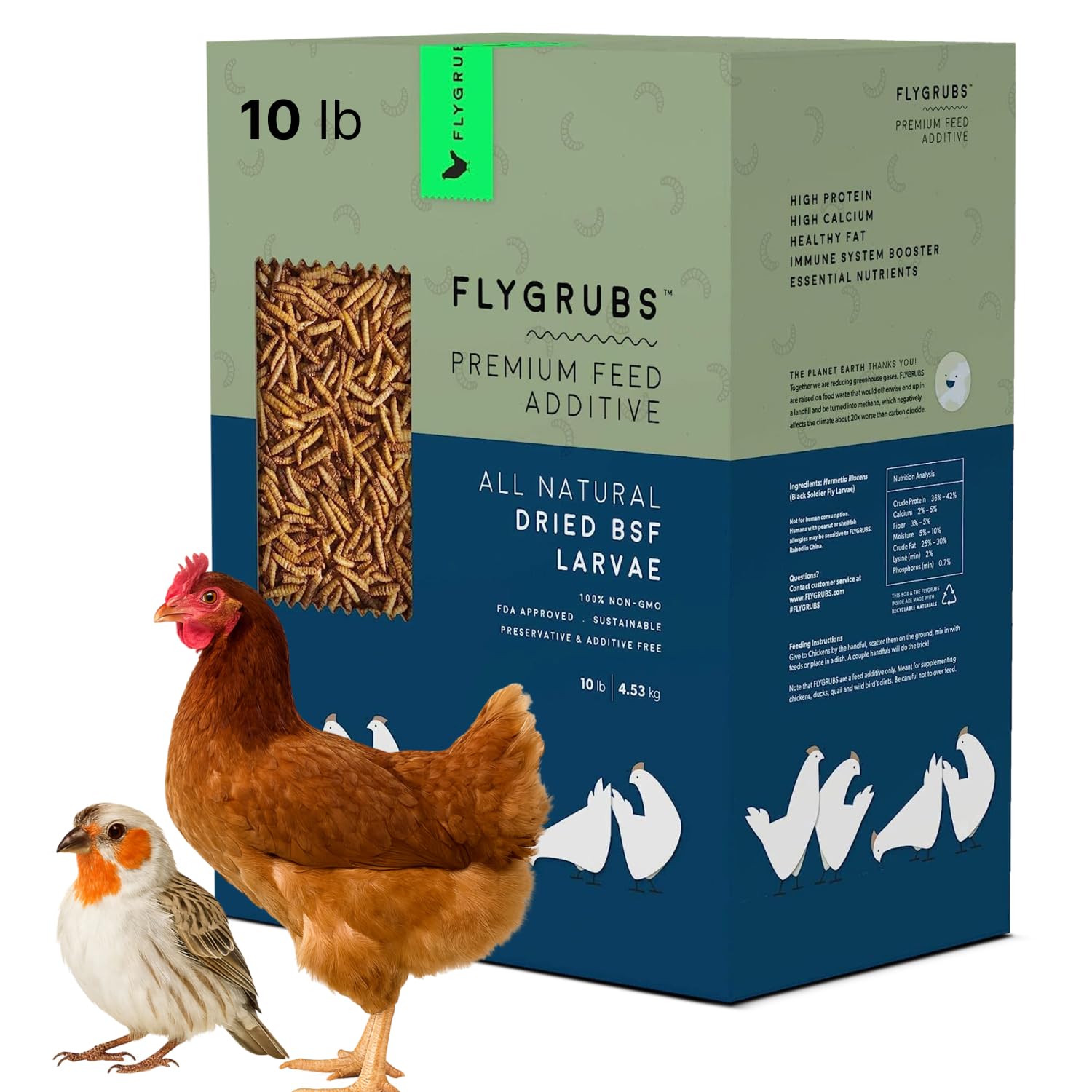
If you want to attract more wild birds to your garden and keep them healthy, feeding Black Soldier Fly (BSF) larvae is one of the best ways to do it. These tiny larvae are packed with nutrients that wild birds love, but many people don’t know how to offer them safely and effectively.
You’ll discover simple steps to feed BSF larvae to wild birds that will boost their energy and keep them coming back. Ready to become the favorite spot for your feathered visitors? Let’s dive in and learn how you can make that happen.
Benefits Of Feeding Bsf Larvae
Feeding Black Soldier Fly (BSF) larvae to wild birds offers a range of benefits that go beyond simple nourishment. These larvae provide a powerful blend of nutrients, support environmental health, and can save you money. Understanding these advantages can help you make a smart choice for both the birds and your budget.
Nutritional Value For Birds
BSF larvae are packed with protein, essential fats, and minerals that wild birds need for energy and growth. Unlike many commercial bird foods, these larvae offer a natural and highly digestible source of nutrients.
Birds feeding on BSF larvae often show increased vitality and stronger feathers. Could your local birds benefit from this nutrient-rich treat?
Environmental Advantages
Feeding BSF larvae supports sustainable waste reduction since these larvae grow on organic waste materials. This process helps recycle nutrients back into the ecosystem instead of letting waste pile up.
By choosing BSF larvae, you also reduce reliance on traditional feed sources that often require large amounts of water and land. This small change can make a big difference for the environment around you.
Cost-effectiveness
BSF larvae are inexpensive to produce compared to many commercial bird feeds. If you raise them yourself or buy locally, you can provide a steady food source without breaking the bank.
This affordability means you can feed wild birds regularly, improving their chances of thriving in your area. How much could you save by switching to BSF larvae?
Selecting The Right Bsf Larvae
Choosing the right black soldier fly (BSF) larvae is key to feeding wild birds safely and effectively. The larvae must be suitable in size and health to attract birds and provide good nutrition. Poor choices might lead to wasted food or harm to the birds.
Size And Age Considerations
Size matters for wild birds. Small birds prefer smaller larvae that they can eat easily. Larger birds can handle bigger larvae. Young larvae are softer and easier to digest. Older larvae have a tougher shell but contain more nutrients.
Select larvae that match the bird species you want to feed. For example:
- Small birds: use larvae under 1 cm
- Medium birds: larvae between 1-2 cm
- Large birds: larvae over 2 cm
Feeding larvae that are too big may discourage birds from eating.
Health And Quality Checks
Healthy larvae ensure safe feeding. Avoid larvae that look discolored or shriveled. Healthy larvae have a creamy white or light brown color and move actively. Check for any foul smell, which signals decay.
Use larvae raised in clean conditions. This lowers the chance of disease or parasites. Always pick fresh larvae and avoid frozen or dead ones. Fresh larvae keep birds interested and support their health.
Preparing Bsf Larvae For Wild Birds
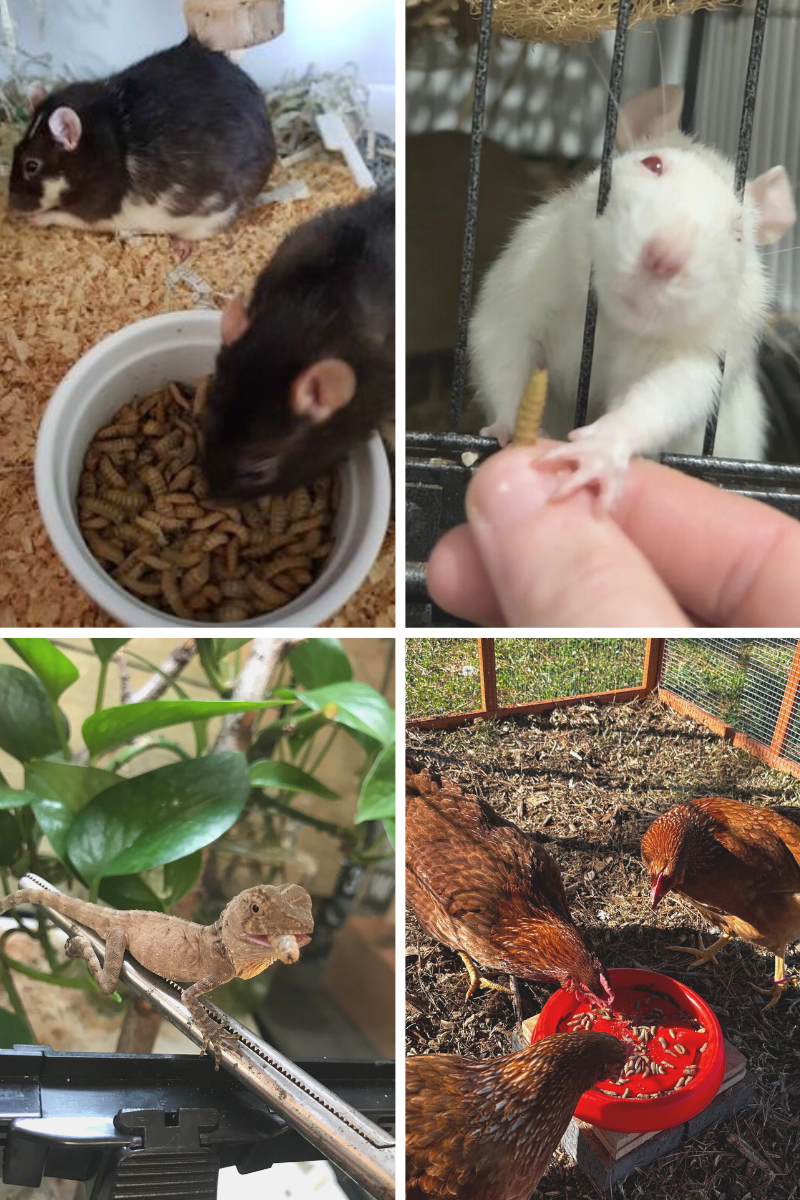
Preparing BSF larvae for wild birds is an important step to ensure their health and safety. Proper preparation keeps the larvae clean and fresh. This helps birds enjoy a healthy and natural diet. Follow simple steps to prepare BSF larvae correctly.
Cleaning And Sorting
Start by rinsing the BSF larvae gently with clean water. Remove any dirt, debris, or dead larvae. Sort the larvae by size to match the birds’ preferences. Use a fine mesh strainer to drain excess water. Proper cleaning reduces the risk of spreading bacteria or parasites.
Storage Tips
Store BSF larvae in a cool, dry place if you plan to feed them soon. Refrigeration slows down their metabolism and keeps them fresh. For longer storage, freeze the larvae in airtight containers. Label the containers with the date to track freshness. Avoid storing larvae in warm or humid areas to prevent spoilage.
Safe Handling Practices
Always wash your hands before and after handling BSF larvae. Use clean tools and containers to avoid contamination. Avoid touching your face or food while handling larvae. Keep the preparation area clean and sanitized. These steps protect both you and the wild birds from illness.
Credit: larvalicious.com.au
Feeding Techniques For Different Bird Species
Different bird species eat in unique ways. Offering Black Soldier Fly (BSF) larvae requires simple adjustments. Understanding each bird’s feeding habits helps you feed them better.
Some birds prefer ground feeding. Others like to perch while eating. Waterfowl have their own style too. Matching your feeding method to their habits makes feeding easier and safer.
Ground Feeders
Ground feeders such as sparrows, doves, and pigeons look for food on the soil. Scatter BSF larvae directly on clean, dry ground or in shallow trays. Keep the area free of debris to avoid pests. Use small amounts to prevent waste and spoilage. These birds are quick and confident, so placing food where they gather often works well.
Perching Birds
Perching birds like finches and chickadees prefer to eat from feeders or branches. Use hanging feeders or small trays attached to tree limbs or poles. Cut BSF larvae into smaller pieces for easy handling. Offer fresh larvae to attract more birds. Place feeders near shrubs or trees for cover and safety. This setup invites birds to land and feed comfortably.
Waterfowl
Ducks, geese, and swans feed mostly in or near water. Place BSF larvae on flat stones or floating platforms close to the shore. Avoid deep water to keep food accessible. Offer larvae in small portions to reduce water pollution. Waterfowl enjoy picking food from surfaces, so stable platforms work best. Feeding near calm water helps birds feel secure.
Creating An Inviting Feeding Environment
Creating an inviting feeding environment helps wild birds feel safe and welcome. Birds are more likely to visit and eat if the area is calm and comfortable. Simple changes can make a big difference in attracting them to feed on BSF larvae.
Choosing Feeding Locations
Pick quiet spots away from loud noises and heavy foot traffic. Look for shaded areas that protect birds from direct sun and rain. Near trees or bushes is ideal because birds feel safe near cover. Avoid places where predators like cats or hawks might hide.
Setting Up Feeding Stations
Use shallow dishes or trays to hold BSF larvae. Place feeders at different heights to attract various bird species. Keep feeders visible but protected by natural barriers like shrubs. Position feeders where you can watch birds without disturbing them.
Maintaining Hygiene
Clean feeding stations regularly to prevent mold and bacteria growth. Remove leftover larvae daily to avoid bad smells. Use fresh larvae each time to keep birds healthy. Wash dishes with mild soap and rinse well before refilling.

Credit: janiopet.en.made-in-china.com
Monitoring Bird Health And Behavior
Monitoring bird health and behavior is essential when feeding Bsf larvae to wild birds. Watching how birds respond helps you understand if the larvae are benefiting them or causing any issues. It also guides you to adjust feeding habits to keep the birds safe and thriving.
Signs Of Nutritional Improvement
Healthy birds show clear signs of nutritional benefits from eating Bsf larvae. Look for brighter feathers, increased activity, and more frequent singing. You might notice birds visiting your feeding spot more often, which is a strong sign they enjoy the larvae and find them nourishing.
Keep an eye on their weight and alertness too. If birds seem more energetic and maintain a good body condition, it means the larvae are adding value to their diet. Have you noticed any changes in your local birds after feeding them larvae?
Avoiding Overfeeding
Too much of a good thing can cause problems. Overfeeding Bsf larvae might lead to dependency or digestive upset in wild birds. Spread out feeding times and offer moderate amounts to prevent these issues.
Watch for leftover larvae that birds ignore—that’s a red flag you might be giving too much. Reducing portions gradually can help keep feeding balanced and natural. How do you decide the right amount to feed without overwhelming your feathered visitors?
Managing Competition Among Birds
Feeding larvae can attract many birds, which sometimes leads to competition and stress. Observe how birds interact at the feeding site. If you see aggressive behavior or some birds dominating the food, consider spreading larvae across multiple spots.
Providing several feeding stations reduces tension and allows shy birds to eat comfortably. You can also vary the timing to prevent crowding. Have you tried different feeding setups to create a peaceful environment for all birds?
Common Challenges And Solutions
Feeding BSF larvae to wild birds comes with some common challenges. Knowing these helps maintain a healthy feeding routine. Challenges include pests, weather changes, and larvae availability. Each requires different solutions to keep birds safe and nourished.
Dealing With Pests
Pests like ants and rodents are attracted to BSF larvae. They compete for food and can harm the birds. Prevent pest problems by:
- Using sealed containers for larvae storage
- Placing feeders on stands or hanging them
- Cleaning feeding areas regularly
- Using natural pest repellents like diatomaceous earth
These steps reduce pest access and keep larvae fresh for birds.
Weather-related Issues
Weather affects the larvae and feeding conditions. Heat can spoil larvae quickly. Rain can wash away food or make areas muddy. Protect larvae by:
- Storing larvae in cool, shaded places
- Using covered feeders to shield from rain
- Feeding early in the day to avoid heat
Monitoring weather helps maintain a safe feeding environment for wild birds.
Larvae Availability
BSF larvae may not always be easy to find. Seasonal changes and local supply affect availability. Ensure steady supply by:
- Raising your own BSF larvae at home
- Buying from reliable local suppliers
- Stocking larvae in small batches to avoid waste
Planning ahead prevents feeding interruptions and supports bird health.
Legal And Ethical Considerations
Feeding Black Soldier Fly (BSF) larvae to wild birds requires more than just offering food. Understanding legal and ethical boundaries protects both birds and the environment. This section covers key points to consider before starting.
Local Wildlife Regulations
Check local laws about feeding wild birds. Some areas have strict rules to protect wildlife. Feeding birds may require permits in parks or reserves. Violating rules can lead to fines or other penalties.
Research these topics:
- Allowed feeding locations
- Types of food permitted
- Seasonal restrictions
- Species that can be fed
Contact local wildlife agencies or visit official websites for accurate information.
Ethical Feeding Practices
Feed BSF larvae in a way that supports bird health and natural behavior. Avoid overfeeding to prevent dependency on human-provided food. Offer larvae in small, controlled amounts.
Use clean containers to stop disease spread. Place food away from busy human areas to reduce bird stress. Avoid feeding during nesting season to prevent disturbance.
- Use fresh, pesticide-free larvae
- Keep feeding spots clean
- Monitor bird reactions closely
- Stop feeding if birds show negative signs
Credit: larvalicious.com.au
Frequently Asked Questions
What Are Bsf Larvae?
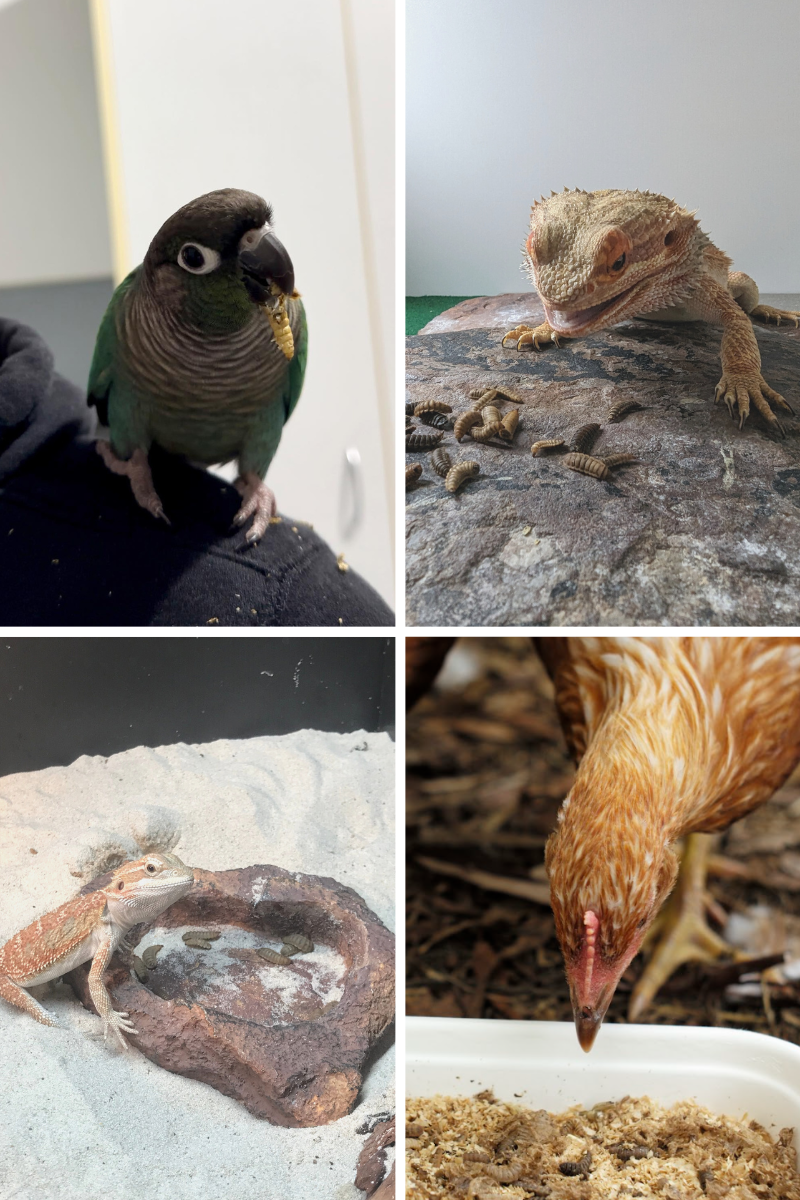
BSF larvae, or Black Soldier Fly larvae, are nutrient-rich insects. They are a sustainable source of protein for wild birds. These larvae help in composting and waste reduction. They are often used in poultry and aquaculture feed. Their popularity is increasing among bird enthusiasts.
How Do Bsf Larvae Benefit Wild Birds?
BSF larvae provide essential nutrients for wild birds. They are rich in protein and calcium. This helps birds in growth and development. Feeding BSF larvae can enhance bird health. It also supports their breeding and energy needs.
Can All Wild Birds Eat Bsf Larvae?
Most wild birds can eat BSF larvae without issues. They are a natural food source. However, always observe birds for individual preferences. Some species may take time to adapt. Ensure the feeding environment is safe and clean.
How To Introduce Bsf Larvae To Birds?
Start by mixing BSF larvae with familiar seeds. Gradually increase the larvae proportion. Place them in an accessible feeding area. Monitor bird reactions and adjust quantities. Ensure larvae are fresh and free from contaminants.
Conclusion
Feeding BSF larvae to wild birds helps support their health and energy. These larvae provide a natural, rich source of protein. Birds enjoy eating them, which can encourage regular visits. Place larvae in safe spots away from predators. Keep the feeding area clean to avoid pests.
Watching birds feed can bring joy and connection to nature. Small, consistent efforts make a big difference for local wildlife. Try feeding BSF larvae and see how birds respond. It’s a simple way to help wild birds thrive.