
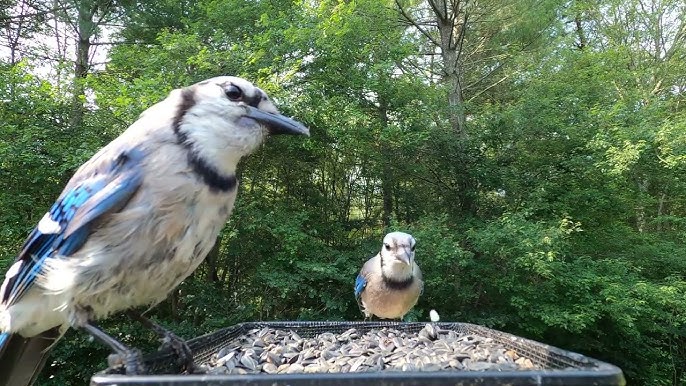
Feeding a baby Blue Jay bird can be a rewarding experience, but it also requires careful attention and knowledge. If you’ve found a little one that needs your help, you probably wonder what to feed it and how often.
Getting this right is important to keep your tiny feathered friend healthy and strong. You’ll discover simple, clear steps to make sure your baby Blue Jay grows up happy. Keep reading, and you’ll soon feel confident in caring for your new bird companion.
Baby Blue Jay Basics
Feeding a baby Blue Jay requires understanding its early life needs. These birds grow fast and need proper care. Learning the basics helps provide the right food and environment. Knowing how to spot and care for young Blue Jays sets a strong start for their growth. This section covers key points about baby Blue Jays.
Identifying Baby Blue Jays
Baby Blue Jays look different from adults. Their feathers are dull and soft. They have a spotted or streaked pattern on their chest. Their eyes appear large compared to their head size. The beak is shorter and less sharp. These features help spot a baby Blue Jay in the wild or rescue.
Growth Stages
Baby Blue Jays grow quickly through clear stages. The first stage is the hatchling, which has no feathers and closed eyes. Next is the nestling stage, where feathers start to grow and eyes open. During the fledgling stage, young birds begin to fly and explore. Each stage needs different feeding and care methods to support healthy growth.
Essential Feeding Supplies
Feeding a baby blue jay requires specific supplies to ensure its health and growth. The right feeding items make the process easier and safer for the bird. Prepare these essentials before starting to feed your baby blue jay.
Choosing The Right Food
Baby blue jays need a diet rich in protein and nutrients. Offer soft, easy-to-digest foods like:
- Insects such as mealworms or crickets
- Boiled eggs mashed finely
- Soft fruits like berries and mashed apples
- Specialized bird formula from pet stores
Avoid hard or large seeds. These can choke the baby bird. Fresh water is also essential to keep the baby hydrated.
Feeding Tools And Equipment
Use gentle feeding tools to avoid injury. Recommended items include:
- Small syringe without a needle for precise feeding
- Tweezers or forceps for holding small insects
- Soft cloth or paper towels for cleaning
- Shallow dish or container for mixing food
Keep all tools clean. Sterilize before each use to prevent infections. Handle the baby bird carefully to keep it calm during feeding.
Feeding Techniques
Feeding a baby Blue Jay requires gentle care and proper techniques. The right feeding methods help the bird grow healthy and strong. Understanding how to feed them correctly makes the process easier and safer. Patience and attention are key to success.
Hand-feeding Methods
Use a small syringe or dropper to feed the baby Blue Jay. Warm the food to about body temperature before feeding. Hold the bird gently and offer the food slowly. Avoid forcing the syringe too deep into the mouth. Let the baby swallow at its own pace. Clean the feeding tools after each use to prevent infections.
Frequency And Portion Sizes
Feed baby Blue Jays every two to three hours during the day. Newborns need more frequent feedings than older chicks. Offer small amounts to avoid choking or overfeeding. As the bird grows, gradually increase the portion size. Watch the bird’s hunger signals to adjust feeding amounts. Keep feeding consistent for healthy development.
Credit: owlcation.com
Creating A Safe Feeding Environment
Creating a safe feeding environment helps baby blue jays feel calm and secure. A well-planned space encourages them to eat well and grow strong. Safety and comfort are top priorities when feeding these young birds. The right setup supports their health and development.
Setting Up A Comfortable Space
Choose a quiet spot away from noise and pets. The area should have soft lighting and natural airflow. Use a shallow dish or feeder designed for small birds. Place soft materials like cloth or paper towels beneath the feeding area. This helps catch spills and makes cleaning easier. Keep the spot warm but not too hot. Baby blue jays need steady warmth to thrive. Avoid direct sunlight that can overheat them.
Maintaining Hygiene
Clean the feeding tools before and after every meal. Use mild soap and warm water to remove germs. Change any soft liners daily to prevent mold and bacteria. Dispose of leftover food promptly to avoid attracting pests. Wash your hands before handling the birds or their food. This reduces the risk of spreading illness. Regular hygiene keeps baby blue jays healthy and safe.
Signs Of Healthy Development
Recognizing the signs of healthy development in a baby Blue Jay is essential to ensure you are meeting its needs effectively. Observing growth patterns and behavioral changes provides clear clues about its well-being. These indicators help you adjust feeding and care routines to support a thriving bird.
Monitoring Weight And Growth
Tracking your baby Blue Jay’s weight regularly is one of the most reliable ways to check its health. Use a small scale to weigh the bird daily at the same time. Consistent weight gain signals proper nutrition and good health.
Look for steady growth in size and feather development as well. If growth slows or weight drops, it may indicate illness or insufficient feeding. Have you noticed any sudden changes in your bird’s weight? That’s a sign to reassess your feeding methods immediately.
Behavioral Milestones
Healthy baby Blue Jays show clear behavioral milestones as they grow. Early on, they should respond to sounds and show alertness. Later, watch for attempts to flap wings and explore their surroundings.
Energy levels also tell a story. A lively, curious bird is usually a healthy one. If your Blue Jay seems lethargic or uninterested in its environment, it could mean something is wrong. How does your bird interact with you and its environment daily?

Credit: owlcation.com
Troubleshooting Common Issues
Feeding a baby Blue Jay can be a rewarding experience, but it often comes with challenges that might leave you worried. Troubleshooting common issues is key to ensuring your feathered friend grows healthy and strong. Understanding what to do when problems arise will help you respond quickly and confidently.
Dealing With Feeding Refusal
Sometimes, a baby Blue Jay might refuse to eat, leaving you frustrated. This could be due to stress, illness, or simply not liking the food offered. Try gently changing the feeding environment to a quiet, calm space—babies can be sensitive to noise and movement.
If refusal continues, experiment with different food textures or temperatures. Warm, soft foods often appeal more to young birds. Have you noticed if the baby responds better to hand feeding or a feeding syringe? Sometimes the method matters as much as the food.
Addressing Digestive Problems
Digestive issues like diarrhea or constipation can be signs of improper diet or illness. Keep a close eye on the consistency of droppings as it can tell you a lot about the bird’s health. If you see persistent problems, adjust the diet by reducing high-fat or sugary foods.
Hydration is vital. Offer clean, fresh water regularly, but avoid over-wetting the food, which can cause digestive upset. Have you tried adding probiotics designed for birds? They can balance gut bacteria and improve digestion naturally.
Preparing For Independence
Preparing a baby Blue Jay for independence is a careful process. It helps the bird learn to feed itself and survive alone. This stage builds confidence and skills needed for life outside the nest. Patience is key. The goal is to slowly reduce help and increase self-reliance.
Weaning Strategies
Start by offering less hand-feeding. Let the baby try eating on its own. Use soft foods that are easy to pick up. Gradually replace mashed food with small pieces of nuts and fruits. Observe the baby’s progress and adjust the food size accordingly. Keep feeding times consistent to create routine. Avoid sudden changes that might stress the bird.
Encouraging Natural Foraging
Place food in different spots to mimic natural searching. Use shallow dishes or scatter seeds on the ground. Introduce live insects like mealworms for protein. This encourages instinctive hunting and pecking behavior. Make the environment safe but similar to the wild. Offer water nearby to teach drinking habits. Praise or gentle encouragement helps build confidence.

Credit: www.youtube.com
Frequently Asked Questions
What Do Baby Blue Jays Eat?
Baby Blue Jays primarily eat insects, fruits, and nuts. Soft, protein-rich foods like mealworms and finely chopped fruits help support their growth.
How Often Should I Feed A Baby Blue Jay?
Feed baby Blue Jays every 20 to 30 minutes during daylight hours. Frequent feedings ensure they get enough nutrients for healthy development.
Can I Feed A Baby Blue Jay Bread Or Milk?
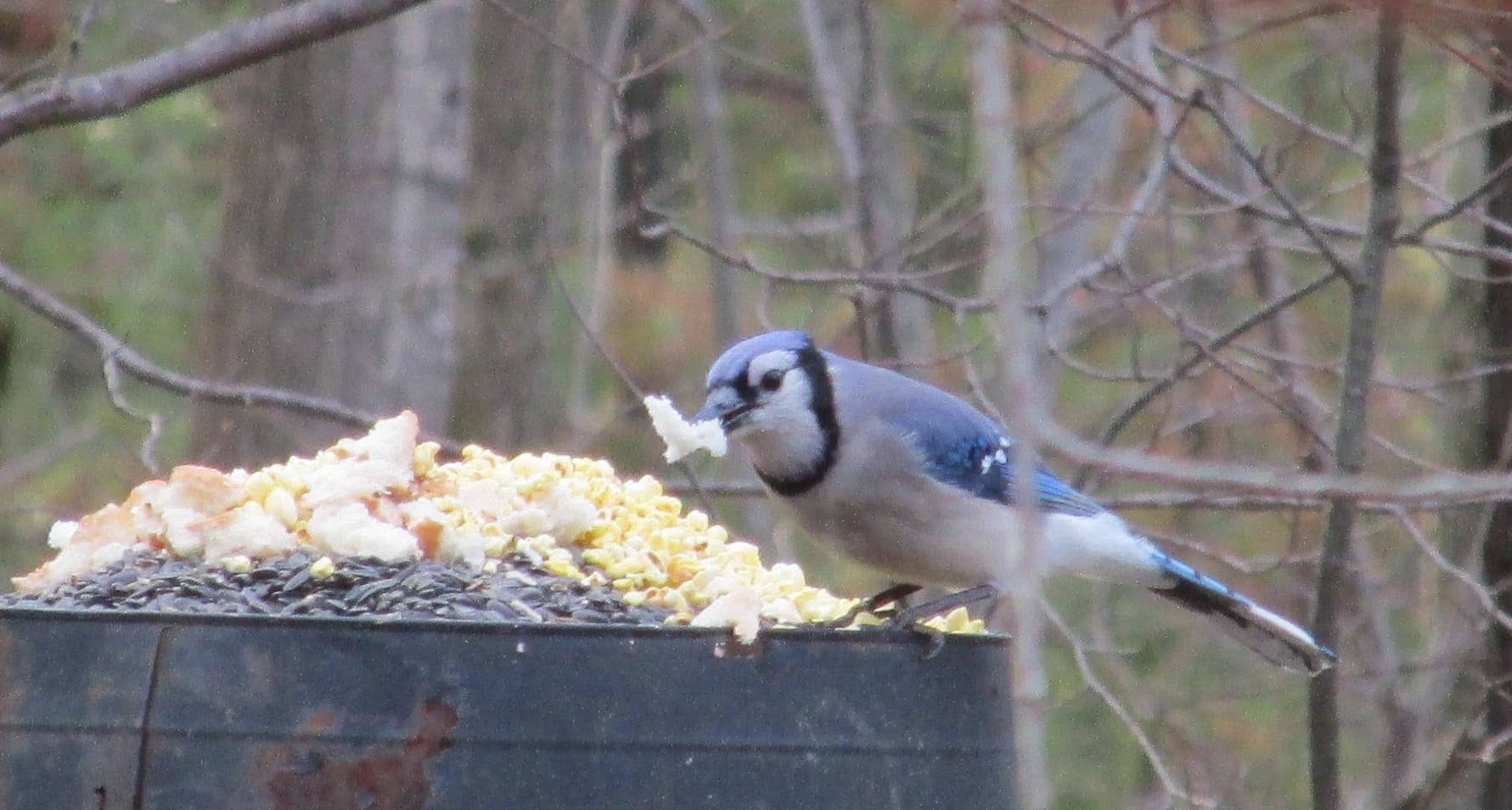
No, avoid bread and milk as they harm baby Blue Jays. These foods lack proper nutrients and can cause digestive issues.
How Do I Hand-feed A Baby Blue Jay Safely?
Use a small, soft syringe or tweezers to feed gently. Keep food at room temperature and avoid forcing it to prevent injury.
Conclusion
Feeding a baby blue jay requires patience and care. Follow the steps closely. A balanced diet helps the bird grow strong and healthy. Fresh water is essential for hydration. Observe the bird’s behavior to adjust feeding times. Handle the bird gently to build trust.
Keep the feeding area clean to prevent disease. Consult a vet if you notice health issues. Your effort supports the bird’s development and survival. Remember, your care makes a big difference. Enjoy the experience of nurturing these beautiful creatures.