
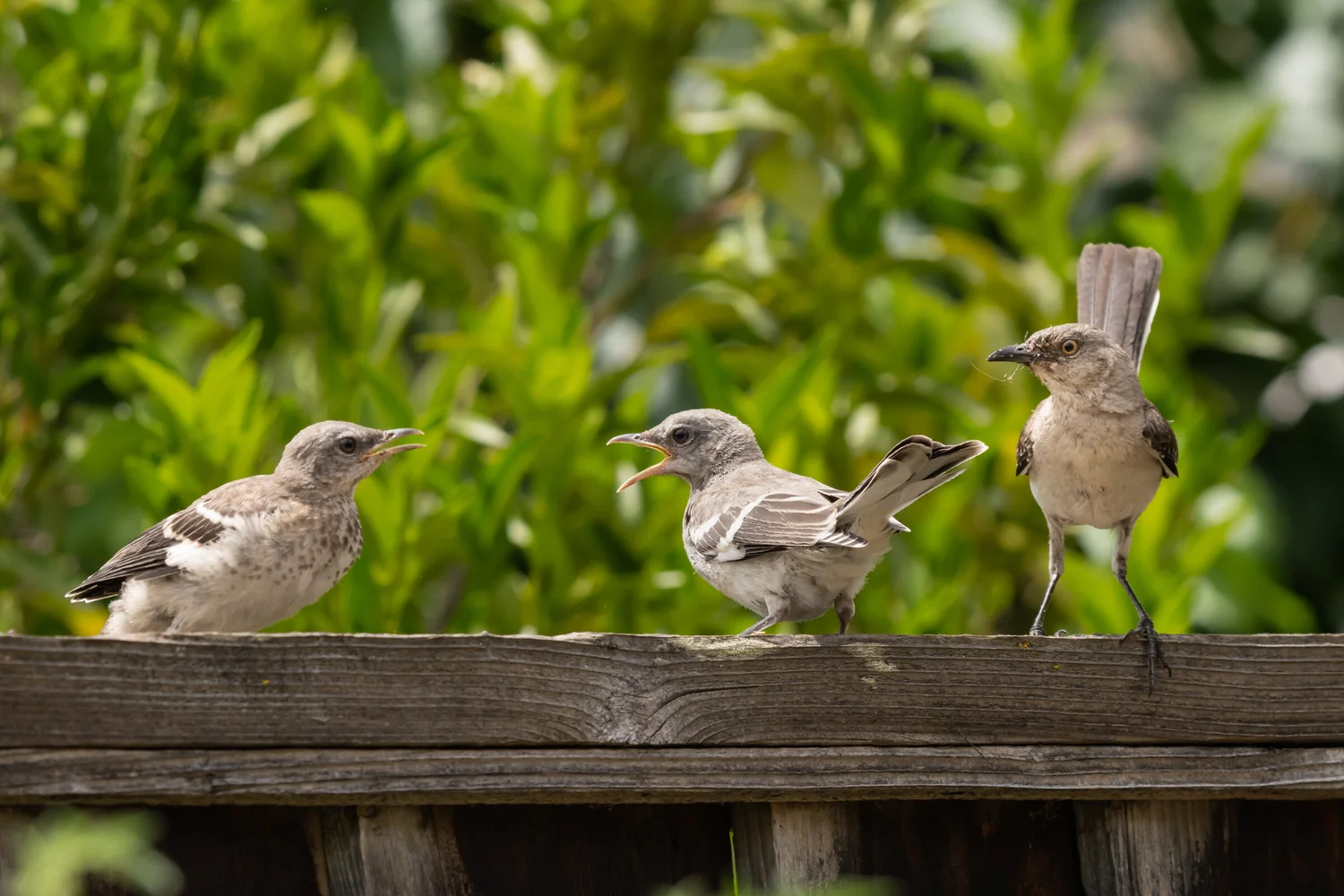
Have you ever wondered what mockingbirds feed their tiny hatchlings? If you’re curious about how these clever birds help their babies grow strong, you’re in the right place.
Understanding what goes into a hatchling’s diet can reveal surprising facts about nature’s care and survival secrets. Keep reading to discover exactly what mockingbirds bring to their nests and why it matters for their young to thrive. This knowledge might even change how you see these common yet fascinating birds around you.
Diet Of Parent Mockingbirds
Understanding what parent mockingbirds eat is key to knowing how they feed their hatchlings. Their diet directly affects the nutrition they pass on to their young, shaping their growth and survival. Watching these birds gather food offers valuable clues about their feeding habits and the choices they make throughout the year.
Common Foods For Adult Birds
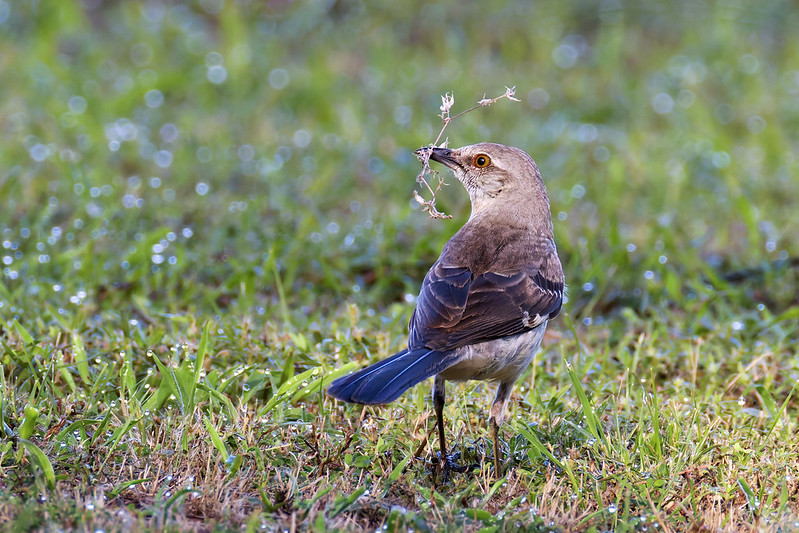
Adult mockingbirds eat a mix of insects, fruits, and seeds. They often hunt for beetles, caterpillars, and ants, which provide rich protein essential for energy and feather growth. You might also see them eating berries like mulberries or elderberries, which supply vitamins and antioxidants.
This variety helps mockingbirds stay healthy and strong. Have you noticed how they sometimes switch from insects to fruits during your garden stroll? That’s because they adjust their meals based on availability, ensuring they get the nutrients they need.
Seasonal Variations In Diet
Mockingbirds change their diet with the seasons to match what’s easiest to find. In spring and summer, they mostly consume insects because these are plentiful and perfect for feeding their hungry chicks. As fall and winter arrive, fruits and seeds become more important since insects are scarce.
These shifts mean parent mockingbirds can keep up their energy levels and care for their young, no matter the season. Have you ever wondered how they manage to find enough food when the weather changes? Their ability to adapt is a smart survival tactic worth observing closely.
Credit: stevecreek.com
Food For Hatchlings
Mockingbird parents provide their hatchlings with a diet rich in nutrients. The food is chosen carefully to help the young birds grow strong. They focus mainly on soft, easy-to-digest items that offer protein and energy. This early diet supports rapid development and keeps the hatchlings healthy during their first weeks.
Insects As Primary Nutrition
Insects form the main part of hatchlings’ meals. These small creatures are high in protein, essential for growth. Parents catch beetles, flies, and caterpillars to feed their young. Insects are soft and easy for hatchlings to swallow and digest. This choice helps build strong muscles and feathers quickly.
Role Of Worms And Larvae
Worms and larvae also play a key role in feeding hatchlings. They are rich in nutrients and moisture. Worms provide important vitamins that support healthy development. Larvae are tender and packed with fats, helping hatchlings gain energy fast. These foods keep the young birds hydrated and nourished.
Supplementary Food Sources
Besides insects and worms, parents sometimes offer other foods. Small fruits or seeds may appear in the diet as hatchlings grow. These provide extra vitamins and minerals. Occasionally, parents bring tiny spiders or snails. Such variety helps ensure a balanced diet for the young birds.
Feeding Behavior
Mockingbirds show remarkable dedication when feeding their hatchlings. Their feeding behavior is carefully timed and executed to ensure the young birds get the nutrition they need to grow strong and healthy. Observing this can give you a clearer picture of how nature balances care and survival.
Frequency Of Feeding
Mockingbird parents feed their hatchlings very often, sometimes up to every 15-20 minutes during daylight hours. This frequent feeding keeps the chicks energized and helps them develop quickly. You might notice that the parents take turns, ensuring the young are never left waiting too long for their next meal.
Think about your own schedule—would you manage to eat so regularly if you were in the wild? This constant attention highlights just how much effort goes into raising these birds.
Feeding Techniques Used By Parents
Mockingbird parents use a direct and efficient technique to feed their hatchlings. They gather insects, worms, and small fruits, then carefully place the food right into the open mouths of their chicks. This precision reduces food loss and speeds up the feeding process.
Sometimes, you’ll see the parents tear larger food into smaller pieces before feeding. This shows their adaptability and focus on making the food easy for the hatchlings to swallow. Watching this up close can give you a new respect for their parenting skills.
Credit: www.kaytee.com
Nutritional Needs Of Hatchlings
Baby mockingbirds need special care from their parents, especially in nutrition. Their growth depends on the right food and water balance. Mockingbird parents feed their hatchlings food that meets all their dietary needs. This ensures strong bones, feathers, and muscles. The nutrition must be rich in protein and fluids to support fast development.
Protein Requirements
Protein is vital for hatchlings. It helps build muscles, feathers, and tissues. Mockingbird parents mainly feed insects and worms. These are high in protein and easy to digest. Sometimes, they also offer small fruits and berries. These foods provide amino acids needed for growth and repair.
- Insects like caterpillars and beetles supply essential protein.
- Worms offer soft, digestible protein for young birds.
- Small fruits add vitamins but less protein compared to insects.
Hydration And Moisture Intake
Water is crucial for hatchlings to stay hydrated. Mockingbirds do not directly give water. Instead, they feed foods with high moisture content. Insects and fruits contain enough water to keep hatchlings hydrated. This method also prevents water loss through the skin or droppings.
- Insects have a natural high water content.
- Fruits like berries provide both nutrients and fluids.
- Feeding moist food helps maintain hatchlings’ hydration levels.
Challenges In Feeding Hatchlings
Feeding hatchlings poses many challenges for mockingbirds. The baby birds depend completely on their parents for food. The parents must work hard to find enough food to keep their young healthy and growing. Several factors make this task difficult and risky.
Predators And Threats
Mockingbird parents face constant danger from predators. Hawks, snakes, and cats often hunt near nests. These threats force parents to be alert and quick. They must protect the hatchlings while searching for food. Staying near the nest reduces the risk but limits food gathering time. Parents balance feeding needs with safety.
Food Scarcity Issues
Finding enough food is not easy. In dry or cold seasons, insects and berries become rare. Hatchlings need frequent feeding, so scarcity causes stress. Parents travel longer distances to find food. This increases energy use and reduces time with the young. Food scarcity can slow growth and lower hatchling survival rates.
Credit: feederwatch.org
How Feeding Affects Growth
Feeding plays a crucial role in the growth of mockingbird hatchlings. The type and frequency of food affect their strength and development. Parents provide a diet rich in proteins and nutrients. This diet supports the rapid growth needed in early life stages. Proper feeding helps hatchlings develop feathers, muscles, and vital organs. Without adequate nutrition, growth slows and health risks increase.
Impact On Development Stages
Mockingbird parents feed hatchlings mainly insects and small fruits. These foods supply essential proteins and vitamins. During the first days, hatchlings need soft, easy-to-digest food. As they grow, parents introduce more solid items. This transition supports muscle and feather growth. Feeding frequency is high in early stages, sometimes every 10 to 15 minutes. Consistent feeding ensures energy for quick development. Poor feeding can delay wing and flight muscle formation.
Indicators Of Healthy Feeding
- Active and responsive hatchlings
- Full, round bellies after feeding
- Growth of feathers and weight gain
- Regular begging and vocalizing for food
- Steady development of motor skills
Parents watch these signs to adjust feeding as needed. Healthy feeding results in strong, well-developed young mockingbirds ready for independence.
Frequently Asked Questions
What Do Mockingbirds Primarily Feed Their Hatchlings?
Mockingbirds mainly feed their hatchlings insects like caterpillars and beetles. They also provide small fruits to support growth and development.
How Often Do Mockingbirds Feed Their Baby Birds?
Mockingbird parents feed their hatchlings frequently, often every 15 to 20 minutes. This constant feeding ensures the chicks get enough nutrition to grow strong.
Why Do Mockingbirds Feed Insects To Their Young?
Insects are rich in protein and nutrients essential for hatchling growth. Mockingbirds choose insects because they are easy to catch and digest for baby birds.
Do Mockingbirds Feed Fruits To Their Hatchlings?
Yes, mockingbirds occasionally feed soft fruits to their young. Fruits provide vitamins and hydration, complementing the protein-rich insect diet for balanced nutrition.
Conclusion
Mockingbirds feed their hatchlings a diet rich in protein. They often choose insects like beetles, grasshoppers, and caterpillars. These provide essential nutrients for growth. As the chicks grow, their diet diversifies. Parents introduce fruits and berries. This helps young birds develop strong bodies.
Mockingbirds’ feeding habits show their adaptability. They ensure their young receive balanced nutrition. Understanding these feeding patterns can help us support bird habitats. Observing nature teaches us valuable lessons. Mockingbirds remind us of the wonders of wildlife. Respecting and protecting their environment benefits us all.
Nature’s balance depends on every small creature.