
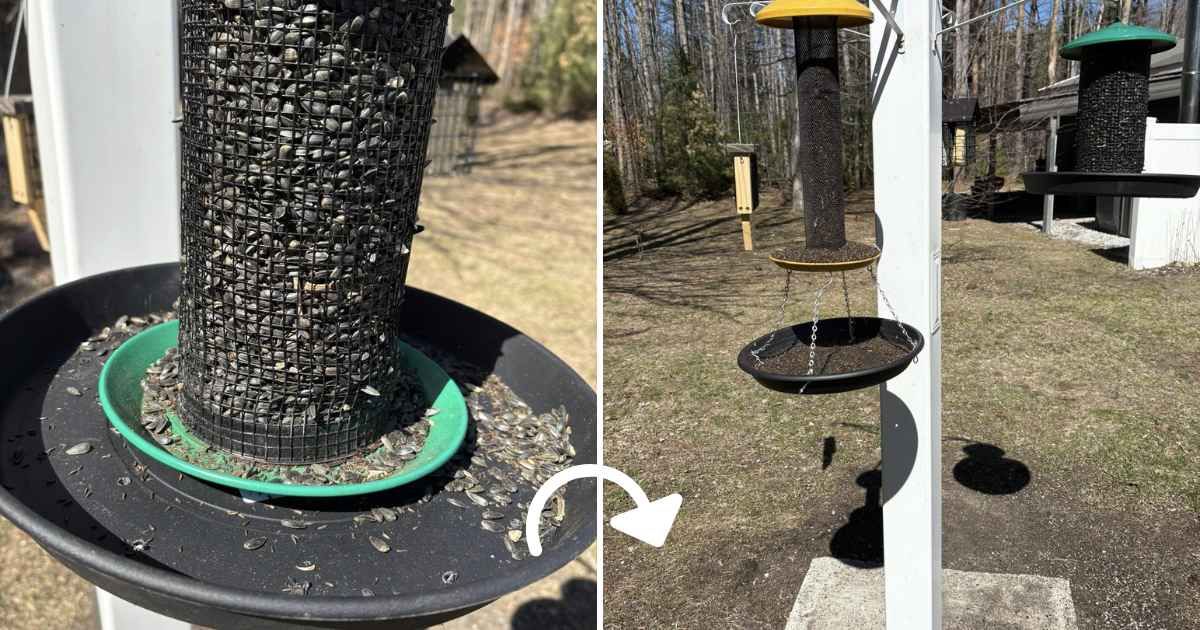
Have you ever wondered if the seeds that fall from your bird feeder might sprout into weeds in your yard? If you’re worried about unwanted plants taking over your garden, you’re not alone.
Many bird lovers ask the same question: will those leftover seeds cause a weed problem? Understanding what happens to the seeds and how they grow can help you keep your outdoor space looking great. Keep reading to find out what you need to know to protect your garden while still enjoying your feathered visitors.

Credit: www.reddit.com
Bird Seed Composition
Understanding the composition of bird seed is key to knowing whether leftover seeds from your feeder might grow weeds in your garden. Bird seed mixes often contain a variety of seeds, each with its own potential to sprout if conditions are right. Let’s look closely at what these seeds are and how likely they are to grow after birds have picked through them.
Common Seeds In Bird Feeders
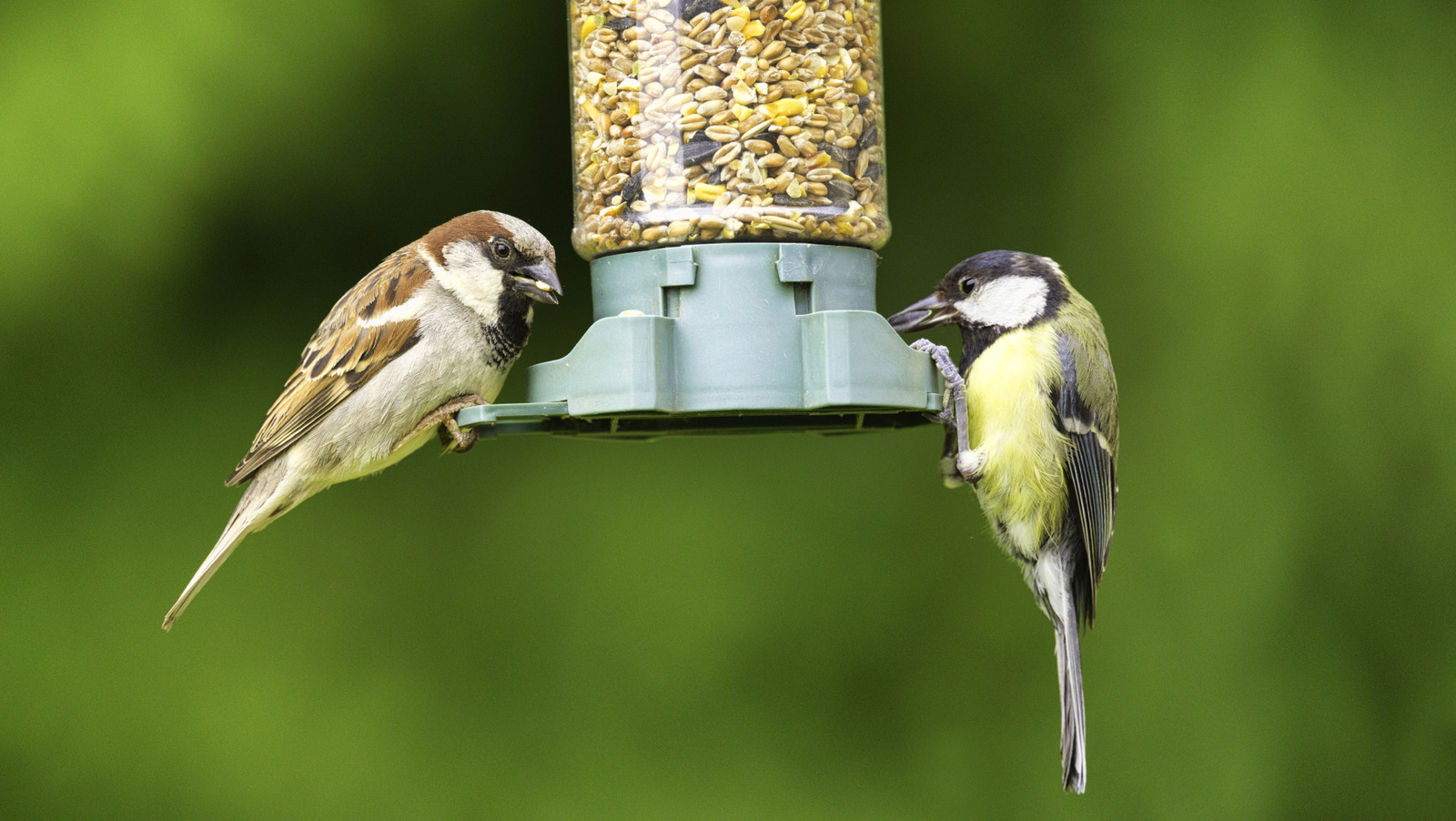
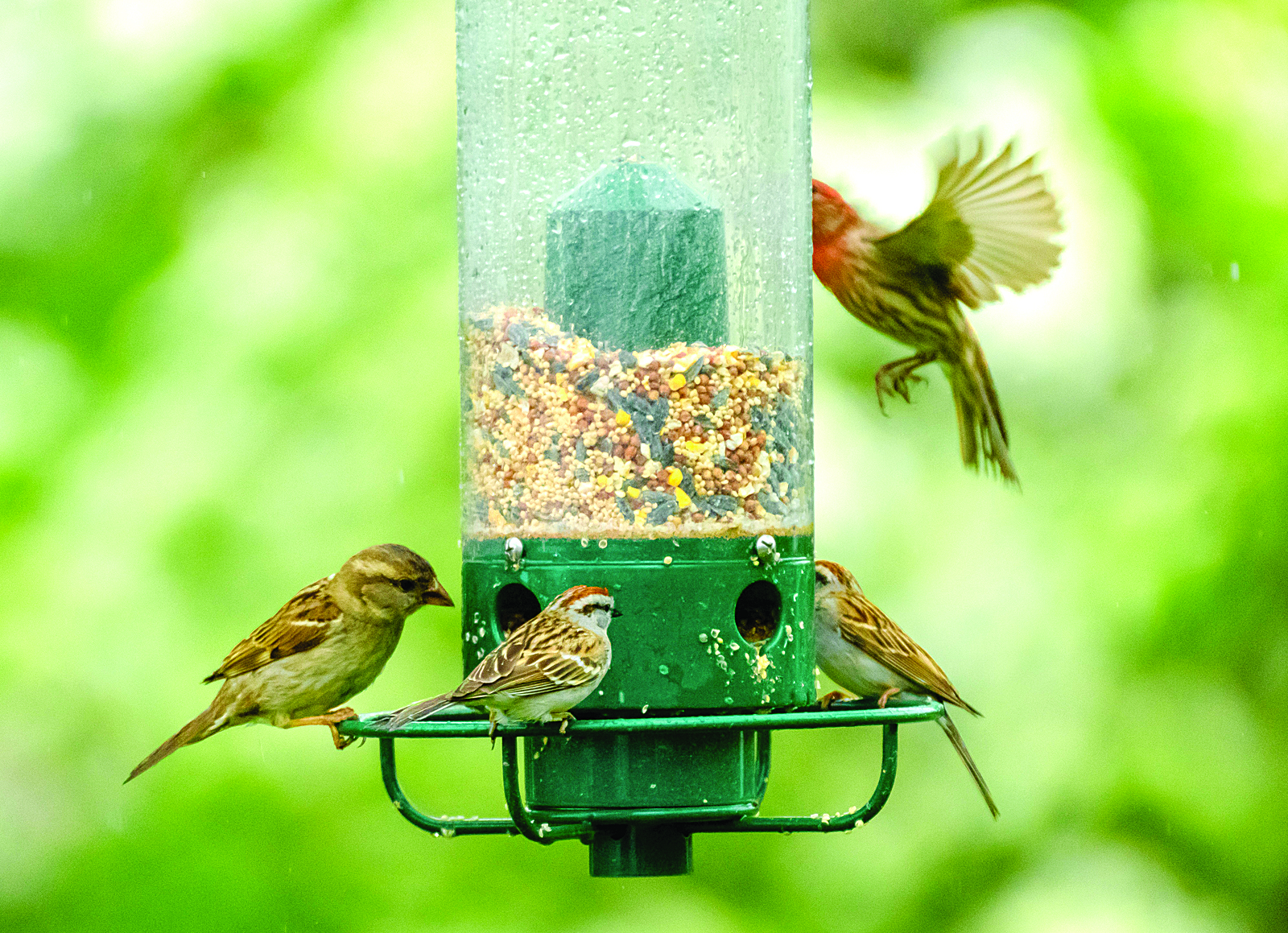
Bird seed blends typically include sunflower seeds, millet, cracked corn, safflower, and sometimes nyjer seeds. Each of these seeds varies in size, shell hardness, and germination potential.
- Sunflower Seeds:These are popular because they attract many bird species. Their hard shells protect the seed inside, making them more likely to sprout if left on moist soil.
- Millet:Small and lightweight, millet seeds are common in mixes for smaller birds. They can sprout quickly if conditions are suitable.
- Cracked Corn:Though less likely to grow due to its processed state, cracked corn can still sprout under ideal conditions.
- Safflower Seeds:These have a tougher shell and are less likely to germinate after feeding.
- Nyjer Seeds:Tiny and oily, nyjer seeds have low germination rates once exposed to the environment.
Knowing which seeds your feeder contains helps you predict the chances of unwanted plants growing nearby.
Seed Viability After Feeding
Not all seeds that drop from your bird feeder will grow into weeds. Many factors affect seed viability, including how birds handle the seeds and environmental conditions.
Birds often crack open seeds to eat the nutritious parts inside, which damages the seed coat and reduces its ability to sprout. Seeds that fall whole, especially those with hard shells like sunflower seeds, have a better chance of germinating if the soil stays moist and warm.
Think about the last time you checked your bird feeder area—did you notice small seedlings emerging? The presence of sprouting seeds depends on how much undamaged seed lands on fertile ground. You can reduce unwanted growth by cleaning up spilled seeds regularly and placing feeders in areas where sprouting won’t bother you.
Conditions For Seed Germination
Seeds from bird feeders can sometimes sprout and grow into weeds. This depends on certain conditions that help seeds germinate. Understanding these conditions helps you manage unwanted plants around your feeder.
Soil And Climate Factors
Seeds need the right soil to grow. Loose, moist soil is best for germination. Hard or dry soil stops seeds from sprouting. Soil that drains well helps avoid seed rot.
Climate also plays a big role. Warm temperatures speed up germination. Cold or very hot weather can prevent seeds from growing. Seeds need enough sunlight but not too much heat.
Bird Feeder Placement Impact
Where you place your bird feeder affects seed growth. Seeds dropping on bare soil have a higher chance to sprout. Seeds landing on concrete or mulch rarely grow.
Placing feeders near garden beds can lead to weed growth. Seeds can settle in cracks or soft soil nearby. Moving feeders to areas with hard surfaces reduces seed germination risk.
Potential Weed Growth
Birdseed often contains a mix of different seeds. Some of these seeds can sprout if they fall to the ground. This can lead to the growth of plants that were not intended to grow in your garden. Understanding the potential for weed growth helps manage unwanted plants near your feeder.
Seeds That Might Sprout
Birdseed mixes include seeds like millet, sunflower, and cracked corn. These seeds can easily sprout in soil or damp conditions. Often, small seedlings appear near the feeder base. The sprouted plants may be helpful or harmful depending on their type. Some seeds come from plants that grow as weeds.
- Millet seeds can grow into small grasses.
- Sunflower seeds may sprout into young sunflowers.
- Cracked corn might grow into corn plants in rare cases.
- Thistle seeds can grow into invasive weeds.
Weeds Vs. Desired Plants
Not all plants that grow are weeds. Some sprouted seeds can become flowers or useful plants. Weeds grow quickly and crowd out other plants. They steal nutrients and water from your garden plants. It is important to identify which seedlings are weeds. Removing weeds early helps keep your garden healthy.
Desired plants grow in neat shapes and add beauty. Weeds often look wild and spread fast. Watch seedlings closely. Pull out those that look like weeds. This keeps your garden tidy and supports the plants you want to grow.
Preventing Unwanted Growth
Bird seed can sometimes sprout and cause unwanted weeds near feeders. This growth can spread quickly and take over your garden space. Controlling it keeps your yard tidy and safe for plants. Simple steps help stop seed from growing into weeds. These focus on choosing seed and keeping the feeding area clean.
Choosing The Right Seed Mix
Select seed blends that birds prefer without many weed-prone plants. Avoid mixes with high amounts of millet or wild grasses. These seeds often grow easily outside the feeder. Look for mixes with sunflower seeds or safflower seeds. Birds love these, but they rarely sprout in soil. Use seed mixes labeled for bird feeders. They are designed to reduce unwanted sprouts.
Maintaining Your Feeding Area
Clean the ground under your feeder regularly. Remove spilled seeds to stop them from rooting. Use a seed tray or platform feeder to catch dropped seeds. This prevents seeds from touching soil and sprouting. Rake or sweep the area to remove debris. Keep grass and weeds trimmed near feeders. This reduces places for weeds to hide and grow. Water only the plants you want near the feeder. Avoid watering spilled seeds or the area beneath feeders.
Environmental Effects
Seeds that fall from bird feeders can affect the environment around your home. These seeds may sprout and grow into plants. This growth can change the local area in many ways. Some changes help nature, while others might cause problems. Understanding these effects helps in managing your garden better.
Impact On Local Ecosystem
Seeds from feeders can start new plants that were not originally in the area. These plants might compete with native ones for space, water, and nutrients. This can reduce the number of native plants. Some of these new plants could become weeds. They may spread quickly and take over gardens or natural spots. This change can affect animals that depend on native plants for food and shelter.
Attracting Beneficial Wildlife
New plants from bird feeder seeds can attract helpful animals. Small insects, bees, and butterflies may visit these plants for nectar and pollen. This supports pollination, which helps many plants grow. Birds may find more food and shelter in these areas. Some animals help control pests by eating harmful insects. This creates a healthier and more balanced garden environment.
Credit: www.outdoorguide.com
Credit: localgardener.net
Frequently Asked Questions
Will Bird Feeder Seeds Grow Into Weeds?
Yes, some bird feeder seeds can sprout and grow into weeds if they land on suitable soil and conditions are right.
How To Prevent Weed Growth From Bird Feeder Seeds?
Regularly clean under your bird feeder and use a seed tray to catch dropped seeds, reducing the chance of weed growth.
Which Seeds From Bird Feeders Commonly Grow Weeds?
Seeds like sunflower, millet, and thistle often sprout. These can grow into plants that may be considered weeds in some areas.
Can Bird Feeder Seeds Harm My Garden Plants?
Dropped seeds might grow into unwanted plants that compete for nutrients and space, potentially harming your garden’s health and appearance.
Conclusion
Bird feeders often spill seeds, leading to potential weed growth. Choosing high-quality seeds can reduce this risk. Regularly clean your feeding area to prevent unwanted plants. Consider using no-mess seed mixes. They leave less debris behind. Always monitor your garden for new sprouts.
Pull them out quickly to maintain control. Bird watching can be enjoyable without the worry of weeds. Enjoy a beautiful garden and happy birds. Keep your feeding area tidy and well-managed. With these steps, you can enjoy nature without extra work.