
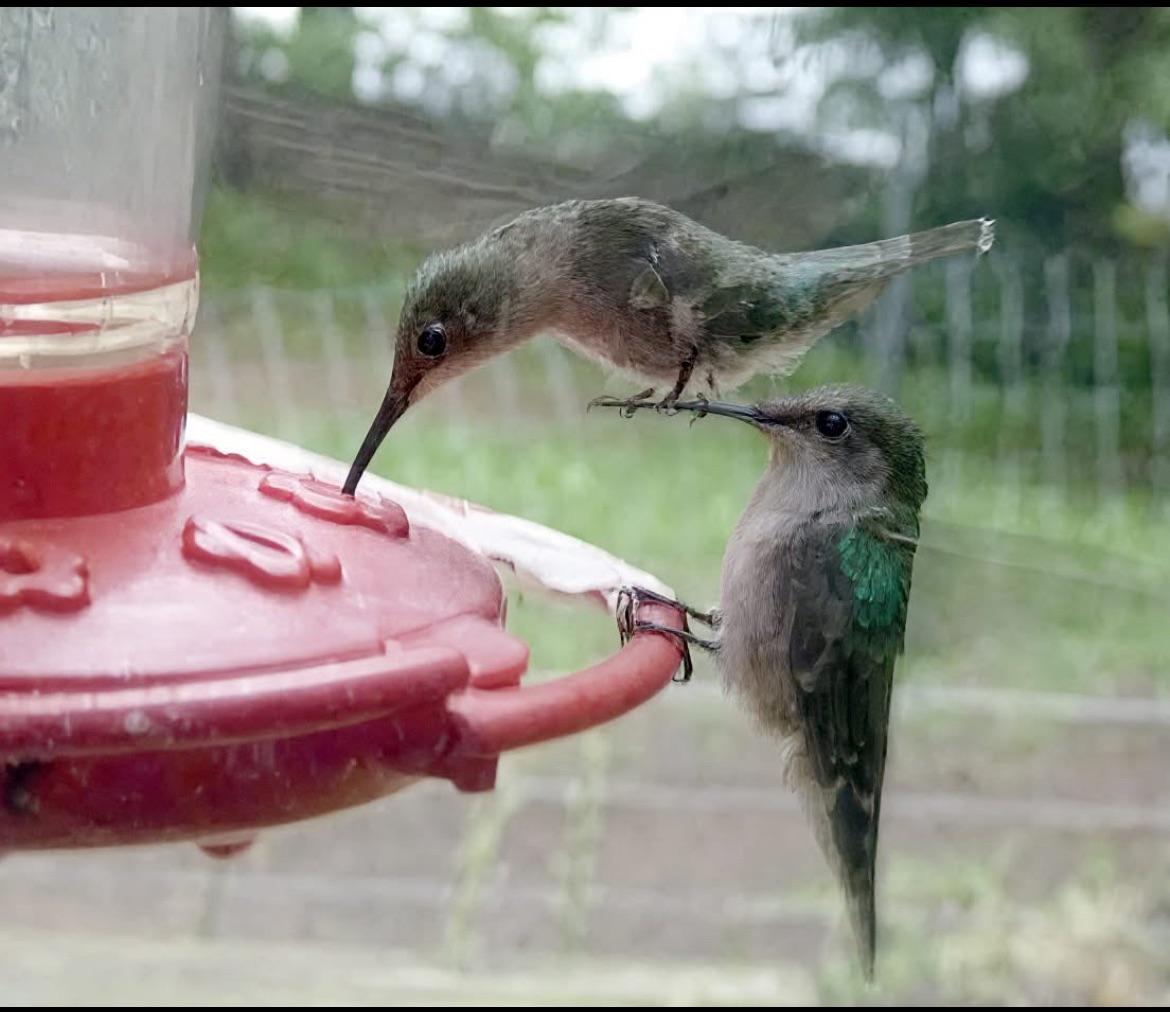
Have you ever set up a hummingbird feeder, only to find it empty and quiet? You might wonder, “Why don’t hummingbirds come to my feeder?”
It can be frustrating when you’re eager to watch these tiny, colorful birds up close. But don’t worry—there are simple reasons behind their absence, and understanding them can change everything. You’ll discover what might be keeping hummingbirds away and how to make your feeder their favorite stop.
Keep reading to turn your garden into a hummingbird hotspot!

Credit: www.birdwatchingdaily.com
Common Reasons Hummingbirds Avoid Feeders
Hummingbirds might avoid feeders for different reasons. Understanding these can help attract them back. Small changes can make a big difference.
Many factors affect hummingbird visits. Some relate to the feeder itself. Others involve the surroundings or the nectar used.
Feeder Placement Issues
Placement is key to attracting hummingbirds. Feeders too close to windows may scare them. Avoid spots with heavy foot traffic or loud noises. Choose shaded areas to prevent nectar spoilage. Ensure feeders are visible from open spaces.
Incorrect Nectar Recipe
Hummingbirds prefer simple nectar. Use four parts water to one part sugar. Avoid red dye or honey in the mix. These can harm or repel birds. Change nectar every few days to keep it fresh.
Presence Of Predators
Predators frighten hummingbirds away. Cats, spiders, and larger birds pose threats. Check feeders for spider webs or nests. Keep cats indoors or away from feeding spots. Safe environments encourage more visits.
Feeder Cleanliness
Dirty feeders discourage hummingbirds. Mold and bacteria grow quickly in nectar. Clean feeders with hot water every few days. Avoid using harsh chemicals or soaps. Clean feeders keep birds healthy and returning.
Competition From Other Wildlife
Other animals can scare hummingbirds off. Ants, bees, and wasps often invade feeders. Use ant moats or bee guards to prevent access. Remove standing water that attracts insects. Less competition means more hummingbird visits.
Seasonal And Environmental Factors
Hummingbirds are sensitive to changes in their environment. Seasonal shifts and local conditions can greatly influence whether these tiny birds visit your feeder. Understanding these factors can help you adjust your setup and timing to attract more visits.
Migration Patterns
Hummingbirds migrate to find warmer climates and better food sources. If you notice your feeder is empty, it might be because the birds have moved on. They usually travel thousands of miles, so timing your feeder’s availability with their arrival is key.
Have you checked when hummingbirds typically return to your area? Setting up your feeder a few weeks before their usual arrival can make a big difference.
Weather Conditions
Weather plays a big role in hummingbird activity. Cold snaps, heavy rain, or strong winds can keep them away from feeders. They prefer calm, mild days for feeding and flying.
On chilly mornings, you might see fewer visitors. Warming up your feeder solution slightly can help, but don’t overheat it. Think about how the weather affects your own eating habits—hummingbirds feel it too.
Availability Of Natural Food Sources
If flowers and insects are abundant, hummingbirds may ignore your feeder. They naturally prefer fresh nectar and live insects for protein. When your garden is full of blooming plants, feeders might seem less appealing.
Try planting native flowers that bloom at different times to keep a steady supply of natural food. Are you offering fresh nectar regularly? A stale or overly sweet solution might turn them off just as much as too few flowers.
Feeder Design And Maintenance
Feeder design and maintenance play a crucial role in attracting hummingbirds to your garden. If your feeder isn’t suitable or clean, hummingbirds might avoid it altogether. Let’s look at how you can improve your feeder setup to welcome these tiny visitors.
Choosing The Right Feeder
Not all hummingbird feeders are created equal. You want a feeder with bright red parts since hummingbirds are drawn to red. Avoid feeders with yellow, as it can attract bees and wasps instead.
Look for feeders with multiple feeding ports and perches. This design allows several hummingbirds to feed at once, making your feeder more appealing. Clear reservoirs help you monitor nectar levels without disturbing the birds.
Proper Feeder Setup
Where you place your feeder matters. Position it in a shady spot to prevent nectar from spoiling quickly. Also, keep it away from areas with heavy wind or direct sun.
Hummingbirds like some cover nearby, such as trees or bushes, to feel safe while feeding. Think about how you can create a comfortable feeding environment that encourages them to return frequently.
Regular Cleaning Practices
Dirty feeders can turn hummingbirds away fast. Mold and bacteria grow quickly in nectar, so clean your feeder at least once a week, more often in hot weather.
Use hot water and a bottle brush to scrub all parts thoroughly. Avoid soap or detergents since residues can harm the birds. Rinse well and refill with fresh nectar to keep them coming back.

Credit: www.birdsandblooms.com
Attracting Hummingbirds Effectively
Getting hummingbirds to visit your feeder can sometimes feel like a puzzle. The key lies in how you attract them effectively. Small changes around your feeder can make a big difference in catching their attention and keeping them coming back.
Using Bright Colors
Hummingbirds are drawn to bright colors, especially red. If your feeder lacks vibrant hues, it might go unnoticed. Try adding red ribbons or placing red flowers near your feeder to increase visibility.
Have you noticed how hummingbirds hover around bright garden blooms? Their attraction isn’t random—it’s a survival instinct linked to finding nectar. Bright colors serve as a clear signal to these tiny birds.
Planting Native Flowers
Native flowers are often rich in nectar and adapted to local hummingbirds’ preferences. Planting species like bee balm, salvia, or trumpet vine can provide a natural food source that complements your feeder.
Your garden becomes a hummingbird hotspot when it offers familiar flavors and scents. Plus, native plants support local ecosystems, making your yard more inviting overall.
Minimizing Disturbances
Hummingbirds are skittish and sensitive to movement and noise. If your feeder is near busy walkways or loud appliances, they might avoid it. Placing the feeder in a quiet, sheltered spot encourages longer visits.
Think about your own comfort zones—would you stay somewhere noisy and chaotic? Creating a calm environment around your feeder helps these tiny birds feel safe enough to feed.
Troubleshooting Tips
If hummingbirds are ignoring your feeder, don’t lose hope just yet. There are simple troubleshooting steps you can take to invite these tiny visitors back to your garden. The key lies in observing, adjusting, and sometimes moving your feeder to better suit their habits.
Monitoring Feeder Activity
Start by watching your feeder closely at different times of the day. Are there any hummingbirds nearby or is the feeder completely deserted? Notice if other birds or insects are crowding the feeder, which might scare hummingbirds away.
Keep a notebook or use your phone to track when and how often hummingbirds visit. This data helps identify patterns or problems you might not see at first glance. Have you spotted any activity during early morning or late afternoon? These times can be peak feeding hours.
Adjusting Nectar Formula
Your nectar mix might need tweaking. The ideal formula is simple: four parts water to one part white granulated sugar, boiled and cooled. Avoid using honey, artificial sweeteners, or red dye, as these can deter hummingbirds or harm them.
If you find no visitors, try refreshing the nectar every few days to prevent fermentation or mold. Have you considered that old nectar could be the reason hummingbirds avoid your feeder? Keeping it clean and fresh is crucial.
Relocating The Feeder
The feeder’s location can make a big difference. Hummingbirds prefer quiet, sheltered spots away from heavy foot traffic or windy areas. Placing feeders near flowers or shrubs can also help, as they provide natural cover and perching spots.
Try moving your feeder to different heights or spots around your yard. Have you noticed if hummingbirds prefer sunny or shaded areas? Experimenting with location can help you find the perfect spot that attracts them consistently.

Credit: www.birdwatchingdaily.com
Frequently Asked Questions
Why Don’t Hummingbirds Visit My Feeder?
Hummingbirds may avoid feeders due to incorrect nectar, feeder placement, or lack of flowers nearby. Clean and refill feeders regularly, use proper sugar water mix, and place feeders in a visible, shaded spot to attract them.
How Often Should I Clean My Hummingbird Feeder?
Clean feeders every 2-3 days to prevent mold and bacteria growth. Use hot water and a mild soap, then rinse thoroughly. Clean feeders encourage hummingbirds to visit and keep them healthy.
What Is The Best Nectar Recipe For Hummingbird Feeders?
Mix 1 part white granulated sugar with 4 parts water. Boil to dissolve sugar, then cool before filling the feeder. Avoid honey, artificial sweeteners, or red dye, as these can harm hummingbirds.
Why Do Hummingbirds Ignore Feeders But Visit Flowers?
Hummingbirds prefer natural nectar from flowers due to scent and color cues. Feeders without surrounding flowers may be overlooked. Plant native, nectar-rich flowers near feeders to increase hummingbird visits.
Conclusion
Hummingbirds may skip your feeder for several simple reasons. The nectar might not be fresh or sweet enough. The feeder could be too shady or too exposed. Sometimes, nearby flowers offer better food. Watch your feeder often and clean it well.
Change the nectar regularly to keep it fresh. Try moving the feeder to a quieter spot. With patience and care, hummingbirds will visit soon. Small changes make a big difference for these tiny birds. Keep trying, and enjoy their beauty when they come.