
Have you ever paused to watch a bird land at your window or hear its cheerful song in the morning? Feeding the birds is more than just a simple act—it can bring joy, peace, and even a sense of connection to nature right to your doorstep.
But why should you make it a habit? You’ll discover surprising benefits that go beyond just helping our feathered friends. From boosting your mood to supporting local wildlife, feeding birds can transform your daily routine in ways you might never expect.
Keep reading to find out how a small gesture can create big rewards for you and the environment.

Credit: amac.us
Benefits To Bird Health
Feeding birds offers many benefits to their health. It helps them get essential nutrients, especially in places where food is scarce. Providing food can support birds during difficult times and keep them strong. Careful feeding also helps reduce the risk of diseases in bird populations.
Improved Nutrition
Birds need a variety of nutrients to stay healthy. Natural food may not always provide all they need. Feeding birds with seeds, nuts, and fruits adds important vitamins and minerals. This extra nutrition boosts their energy and helps their feathers stay strong and bright.
Support During Harsh Seasons
Winter and dry seasons make finding food hard for birds. Snow and cold reduce natural food sources. Feeding stations give birds a reliable food supply during these tough times. This support helps them survive and maintain their strength until conditions improve.
Disease Prevention
Healthy birds resist diseases better. Feeding birds with clean, fresh food lowers their chances of catching illnesses. Avoiding spoiled or moldy food reduces infection risks. Regular feeding also encourages birds to visit safe spots, away from predators and harmful environments.
Enhancing Garden Ecosystems
Feeding birds helps create a lively and balanced garden ecosystem. Birds play many roles that support plant life and garden health. Their presence brings natural benefits that improve soil, plants, and flowers. Gardens with birds often thrive with less effort.
Natural Pest Control
Birds eat many insects and pests that harm plants. They reduce the need for chemical pesticides in your garden. This keeps plants healthier and safer for people and pets. Small birds hunt caterpillars, aphids, and beetles. This helps control pest populations naturally.
Pollination Boost
Some birds assist in pollination while feeding on nectar. They transfer pollen between flowers as they move around. This supports fruit and seed production in plants. More pollination means more blooms and vegetables. Birds add to the work of bees and butterflies in your garden.
Seed Dispersal
Birds eat fruits and help spread seeds across the garden. Seeds pass through their digestive systems and grow in new spots. This process encourages plant diversity and growth. Birds help plants colonize empty areas and repair damaged soil. Seed dispersal by birds promotes a healthy, varied garden environment.
Mental And Emotional Rewards
Feeding birds offers more than just a way to help wildlife. It brings mental peace and emotional joy. Watching birds can calm your mind and brighten your day. It creates a simple, meaningful way to connect with the world outside your window. This activity also opens doors to learning and discovery for all ages.
Stress Reduction
Bird feeding helps lower stress levels quickly. The gentle sounds and movements of birds soothe the mind. Observing birds distracts from daily worries and busy thoughts. This quiet time outdoors acts like a natural therapy session. It helps you feel relaxed and refreshed.
Connection To Nature
Feeding birds builds a strong bond with nature. It brings you closer to the natural world around you. You notice changing seasons and bird behaviors up close. This connection encourages care and respect for the environment. It also offers a peaceful break from indoor routines.
Educational Opportunities
Bird feeding is a chance to learn about wildlife firsthand. It teaches about different bird species and their habits. Children and adults can study colors, shapes, and sounds of birds. This hands-on experience makes learning fun and engaging. It inspires curiosity and a love for nature study.

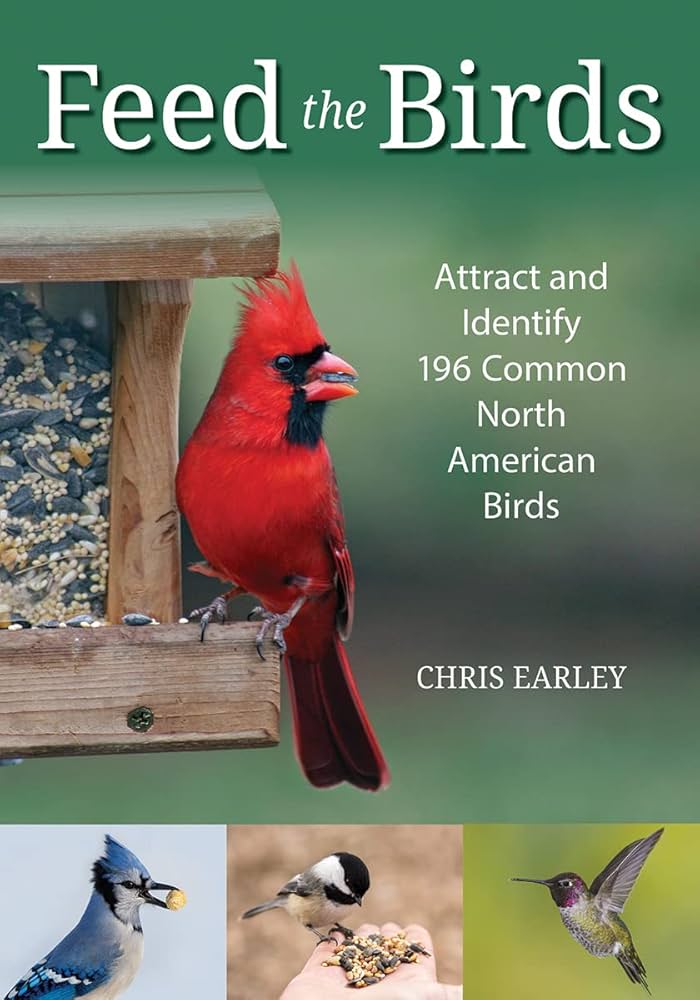
Credit: www.amazon.com
Choosing The Right Feeders And Food
Choosing the right feeders and food helps attract more birds to your garden. It supports their health and makes watching them more enjoyable. Different birds like different feeders and foods. Offering the best options ensures their safety and happiness.
Types Of Bird Feeders
Many feeder styles suit various bird species and environments. Tube feeders work well for small birds like finches. Hopper feeders hold large amounts of seed and attract many types. Platform feeders allow easy access for larger birds. Suet feeders are ideal for insect-eating birds during winter. Select feeders that match the birds common in your area.
Best Seeds And Treats
Sunflower seeds attract a wide variety of birds. Nyjer seeds are perfect for finches and smaller birds. Peanuts provide protein and energy for woodpeckers and jays. Suet cakes offer essential fat, especially in cold months. Fresh fruits and mealworms serve as tasty treats. Offering a mix keeps birds coming back regularly.
Avoiding Harmful Foods
Some foods can harm birds and should never be offered. Avoid bread, as it offers little nutrition and can cause illness. Salted or seasoned foods upset bird digestion. Raw beans contain toxins and must be avoided. Moldy or spoiled food can lead to disease. Always provide fresh, clean food to keep birds healthy.
Creating A Bird-friendly Habitat
Creating a bird-friendly habitat goes beyond just putting out birdseed. It means designing a space that meets birds’ needs for safety, nourishment, and comfort. When you provide the right environment, you invite a variety of birds to visit and stay, enriching your outdoor experience.
Safe Shelter Options
Birds need places to hide from predators and bad weather. You can offer safe shelter by adding birdhouses, dense shrubs, or natural brush piles. I once noticed more birds sticking around after planting thick evergreens near my feeders—it made them feel secure.
Think about the types of birds in your area and what shelter they prefer. Nesting boxes with proper entrance sizes can attract specific species. Also, avoid placing shelters too close to windows to prevent collisions.
Water Sources
Fresh water is essential for birds, not only for drinking but also for bathing. Adding a birdbath or a shallow water dish can make your yard a popular spot. Moving water, like a small fountain, attracts even more birds by catching their attention.
Keep the water clean and change it regularly. Stagnant water can spread disease. Would you visit a place that doesn’t offer fresh water? Birds won’t either.
Planting Native Flora
Native plants provide natural food and shelter for birds. They attract insects, seeds, and berries that birds depend on throughout the year. I replaced some exotic plants with native wildflowers and saw an increase in bird visits almost immediately.
- Choose a mix of trees, shrubs, and ground plants native to your region.
- Include plants that bloom and fruit at different times to provide year-round resources.
- Avoid pesticides, which can harm birds and their food sources.
Have you considered how your garden plants affect local bird life? Adding native species might be the easiest way to support them naturally.
Common Mistakes To Avoid
Feeding birds is a joyful activity but requires care. Avoiding common mistakes helps keep birds healthy and safe. Some errors may harm birds or attract unwanted animals. Knowing what to avoid ensures a positive experience for both you and the birds.
Overfeeding Risks
Giving too much food can cause health problems for birds. Overfeeding may lead to obesity and poor nutrition. Leftover food can rot, creating harmful bacteria. Birds might rely only on feeders and stop foraging. Feed in small amounts and only as needed.
Poor Hygiene Practices
Dirty feeders spread diseases among birds. Moldy or spoiled food is dangerous for them. Clean feeders regularly with warm water and mild soap. Avoid harsh chemicals that can harm birds. Keep feeding areas dry to prevent mold growth.
Attracting Predators
Feeding sites can attract predators like cats and rats. These animals threaten the safety of birds. Place feeders in safe, open locations away from hiding spots. Remove spilled seeds and clean up to reduce predator visits. Observe birds and adjust feeding spots if needed.

Credit: medium.com
Frequently Asked Questions
Why Is Feeding Birds Important For Nature?
Feeding birds supports their survival, especially during harsh seasons. It helps maintain ecological balance and promotes biodiversity. Birds also aid in pest control and seed dispersal, benefiting gardens and crops.
How Does Bird Feeding Benefit Humans?
Feeding birds enhances mental well-being by connecting with nature. It encourages outdoor activity and birdwatching, which reduces stress. Additionally, it supports local ecosystems, contributing to a healthier environment.
What Are The Best Foods To Feed Wild Birds?
Offer seeds like sunflower, millet, and nyjer for most birds. Avoid bread and processed foods as they harm birds. Fresh water and suet are also excellent nutritional options.
When Is The Best Time To Feed Birds?
Feed birds year-round, focusing on winter and early spring. These seasons have scarce natural food sources. Providing food during migration helps sustain energy for long journeys.
Conclusion
Feeding birds helps nature and brings joy to your day. You watch colorful birds up close. Birds get food, especially in cold months. Gardens stay healthy as birds eat pests. It creates a peaceful spot outside your home. Small acts like feeding birds make a big difference.
Try it and enjoy the simple beauty around you. Birds and people both benefit from this kind act. Give it a try and see what happens!