

Have you ever looked out your window in the morning, excited to see birds enjoying your feeder, only to find it completely empty? It can be frustrating and leave you wondering, “Why is my bird feeder empty every morning?” You’re not alone.
Many bird lovers face this mystery daily. The truth is, several surprising reasons could be causing this, and understanding them can help you keep your feeder full and your feathered friends happy. Keep reading to discover what’s happening overnight and how you can solve the problem quickly.

Credit: www.birdfeederco.com
Common Bird Feeder Visitors
Bird feeders attract a variety of visitors each day. Many birds come for a quick meal. Some unexpected guests also find their way to your feeder. Knowing who visits helps understand why your feeder is empty every morning.
Popular Bird Species
- House Sparrows: Small, social birds that eat seeds quickly.
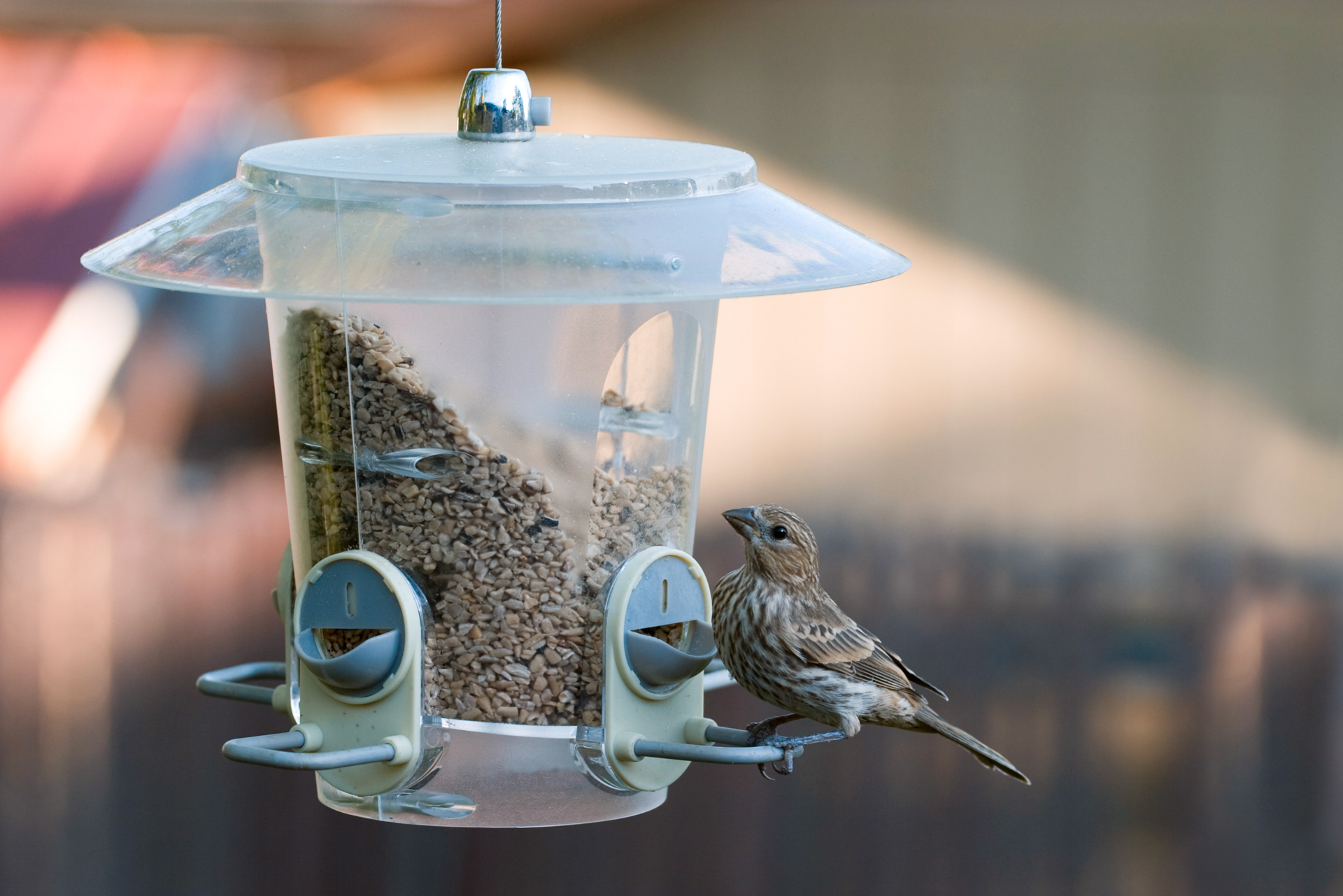
- Finches: Brightly colored and often in groups, they love nyjer and sunflower seeds.
- Cardinals: Bold red birds that enjoy sunflower seeds and peanuts.
- Chickadees: Tiny and fast, they prefer sunflower seeds and suet.
- Blue Jays: Larger birds that eat a variety of seeds and nuts.
- Goldfinches: Yellow birds that favor nyjer and sunflower seeds.
Other Wildlife Guests
- Squirrels: Known for raiding feeders and eating large amounts quickly.
- Raccoons: Nocturnal visitors that may clean out feeders at night.
- Chipmunks: Small rodents that grab seeds and hide them.
- Birds of prey: Sometimes swoop in, causing other birds to flee.
- Insects: Ants or bees attracted to spilled seeds or syrup.
Credit: dengarden.com
Feeder Location Effects
Where you place your bird feeder can make a huge difference in how quickly it gets emptied. Birds are selective about the spots they visit. The feeder’s location affects both how easily birds find it and how safe they feel while feeding.
Visibility To Birds
If your feeder is hidden behind thick bushes or tucked away in a corner, birds might not spot it easily. Birds rely on clear sightlines to find food sources quickly. Placing your feeder near open areas or close to windows where birds often fly by can increase its visibility.
Think about your own experience—have you ever missed a snack because it was out of sight? Birds experience the same challenge. Try positioning your feeder where it catches the morning sun or near flowering plants that attract birds. This simple shift can make your feeder a popular stop.
Predator Presence
Birds avoid feeders where predators lurk. If your feeder is near places where cats, hawks, or squirrels hide, birds will hesitate to visit. A location with good visibility around the feeder helps birds feel safe because they can spot danger early.
Consider placing your feeder at least 10 feet away from bushes or fences that predators use as cover. You might even notice fewer visits if a neighborhood cat has a favorite hiding spot nearby. How safe do you feel eating your meals surrounded by potential threats? Birds feel the same way.
Feeder Design And Food Type
Bird feeder design and the type of food you offer affect how quickly the feeder empties. Birds prefer certain seeds and feeder styles, which can lead to fast consumption. Understanding these factors helps you manage your feeder better and enjoy birdwatching longer.
Seed Preferences
Different birds like different seeds. Black oil sunflower seeds attract many species. They have thin shells and lots of oil, making them popular. Nyjer seeds are small and loved by finches. Millet is favored by ground feeders like doves and sparrows.
Offering the right seed mix can cause quick feeder emptying. Birds return often for their favorite seeds. Using mixed seeds may attract more birds but can also lead to faster food loss. Avoid seeds that birds do not like; they might waste them or leave them behind.
Feeder Style Impact
The design of your feeder influences how birds access the food. Tube feeders work well for small birds and keep seeds dry. Hopper feeders hold more seed and attract larger birds. Platform feeders offer easy access but may allow squirrels or other animals to eat the food.
Some feeders limit seed spillage. Others might let seeds fall out quickly, emptying the feeder faster. Using a feeder that suits the seed type and bird species can reduce waste. A well-designed feeder keeps seeds fresh and lasts longer.

Credit: dengarden.com
Impact Of Weather And Seasons
Weather and seasons play a huge role in how birds visit your feeder. Changes in temperature, daylight, and food availability affect their habits. Understanding these factors can help you predict why your feeder might be empty each morning.
Seasonal Bird Behavior
Bird activity shifts as seasons change. During spring and summer, many birds focus on nesting and feeding their young, so they may visit feeders less often. In fall and winter, natural food sources become scarce, making your feeder a popular spot.
Migration also impacts feeder visits. Some birds leave your area entirely, while others arrive, changing the types and numbers of visitors. Have you noticed different birds at your feeder in different months?
Adjusting your feeder’s food to match seasonal preferences can keep birds coming back. For example, high-fat seeds attract winter visitors needing extra energy.
Weather Influence On Feeding
Birds respond quickly to daily weather changes. Cold, windy, or rainy mornings may drive them to your feeder sooner for a quick energy boost. On calm, warm days, they might spend more time foraging naturally.
Snow and frost cover natural food, increasing feeder traffic dramatically. However, heavy storms can temporarily reduce visits as birds seek shelter.
Try observing your feeder right after different weather events. You might spot patterns that help you predict when your feeder will be empty or full. Could you time refills to match these patterns and keep your feathered friends happy?
Human And Pet Activity
Human and pet activity around your bird feeder can significantly affect how much food remains by morning. Birds are easily startled by movement and noise, which means even harmless daily routines might be driving them away. Understanding these disturbances can help you create a more bird-friendly environment and keep your feeder full longer.
Disturbances Near Feeder
Think about the times you’ve walked past your feeder quickly or chatted loudly nearby. Birds notice these disruptions and often avoid feeders where there’s frequent human traffic.
Even small activities like children playing or hanging laundry close to the feeder can cause birds to flee. You might not realize it, but your presence matters a lot to these creatures.
Try observing your feeder at different times of the day. Are there specific moments when activity spikes and the feeder empties faster? Limiting noise and movement near the feeder during peak feeding times can make a big difference.
Pets Scaring Birds Away
Pets, especially cats and dogs, are natural predators or intruders from a bird’s perspective. Their scent and movement around the feeder can keep birds away for hours.
I once noticed my cat sitting patiently near the feeder, which caused the birds to avoid it completely. Moving the feeder to a location less accessible to pets helped restore regular bird visits.
Consider placing the feeder in a spot that’s harder for pets to reach or adding barriers. You could also supervise your pets or keep them indoors during feeding times to encourage more bird activity.
Preventing Empty Feeders
Empty bird feeders every morning can be frustrating, but there are practical ways to keep your feeder stocked longer. Understanding how to prevent your bird feeder from being emptied too quickly helps you enjoy watching birds without constant refilling. Let’s look at some simple, effective strategies to maintain your feeder and attract the right birds.
Feeder Maintenance Tips
Keeping your feeder clean and in good shape is key. Dirty feeders can repel birds or spread diseases, causing fewer visitors overall. Make it a habit to rinse your feeder with warm, soapy water every two weeks.
Check for cracks or leaks that might spill seeds, attracting unwanted pests like squirrels or rodents. Tighten any loose parts to avoid seeds dumping out too fast. Also, consider placing your feeder in a shaded spot to prevent seeds from spoiling quickly.
Attracting Desired Birds
Think about which birds you want to see and what they prefer to eat. Different species have distinct seed favorites; black oil sunflower seeds attract cardinals and finches, while nyjer seed is perfect for goldfinches. Mixing seeds can sometimes attract unwanted visitors who empty your feeder rapidly.
Try using feeders with smaller openings to limit access to tiny seeds favored by specific birds. Adding natural shelter nearby, like shrubs or trees, makes birds feel safe and more likely to visit your feeder rather than rushing in and out. Have you ever noticed how the right location changes bird behavior around your feeder?
Frequently Asked Questions
Why Is My Bird Feeder Always Empty Each Morning?
Birds often visit feeders overnight or early morning, consuming all seeds quickly. High bird activity and lack of food refills can cause it to be empty daily.
Which Birds Empty Feeders Fastest At Dawn?
Sparrows, finches, and pigeons are common early visitors. They feed in large groups, often clearing feeders within hours of sunrise.
How Can I Keep My Feeder Stocked Longer?
Use larger seed quantities, refill frequently, and choose feeders with seed guards. Also, consider offering less popular seeds to reduce quick consumption.
Does Feeder Placement Affect How Fast Birds Eat?
Yes, feeders near trees or cover attract more birds. This increases feeding activity and results in faster seed depletion.
Conclusion
Bird feeders empty each morning? Now you know why. Hungry birds flock. Early risers eat first. Check food quality and supply often. Ensure feeders stay clean. Keep predators away to avoid scares. Watch for squirrels; they love birdseed too. Choose the right feeder design.
Experiment with seed types. Attract different birds with variety. Consistency is key. Birds will return. Enjoy watching them every day. A little effort makes a big difference. Happy birdwatching!