

Are you wondering why birds aren’t visiting your bird feeder? You’ve set it up, filled it with seeds, and waited patiently—yet the birds just don’t come.
It can be frustrating and even a little disappointing. But don’t give up just yet. There are simple reasons behind this, and once you understand them, you can turn your feeder into a busy, lively spot full of chirping visitors.
Keep reading to discover the secrets that can make your bird feeder a favorite stop for your feathered friends.
Common Reasons Birds Avoid Feeders
Birds may avoid feeders for many common reasons. Understanding these helps improve your chances of attracting birds. Simple changes can make a big difference.
Location Issues
Birds prefer quiet and safe places. Feeders near busy roads or noisy spots scare them away. They like feeders close to trees or bushes for quick cover. Avoid open areas where birds feel exposed.
Wrong Food Choices
Different birds eat different foods. Using seeds that local birds don’t like will keep them away. Avoid stale or moldy food. Fresh, popular seeds like sunflower or millet attract many species.
Predator Presence
Birds watch out for predators like cats or hawks. If predators are near, birds will avoid your feeder. Keep the area safe and clear of threats. Providing nearby cover helps birds feel protected.
Feeder Cleanliness
Dirty feeders can spread disease and repel birds. Old seed, droppings, and mold are harmful. Clean feeders regularly with warm water and mild soap. Rinse well and dry before refilling.
Feeder Design Problems
Some feeders are hard for birds to use. Seed spillage or poor perches discourage visits. Choose feeders with easy access and stable perches. Avoid feeders that trap moisture or seeds.
Weather And Seasonal Factors
Bird activity changes with weather and seasons. In warm months, birds find natural food more easily. Harsh weather can reduce visits. Adjust feeding times and food types to match seasons.
Credit: dengarden.com
Choosing The Right Feeder Location
Choosing the right location for your bird feeder is key to attracting birds. Birds need a spot that feels safe and comfortable. Placing feeders in the wrong place may scare birds away. This section helps you pick a location that birds will love.
Safe Distance From Predators
Birds avoid feeders near places where predators hide. Keep feeders away from dense bushes or thick trees. Predators like cats and hawks use these spots to ambush birds. Place feeders where birds can see danger early. Open areas near shrubs work well for safety.
Visibility And Shelter
Birds want to see their surroundings while eating. A clear view helps them spot threats fast. Place feeders near some shelter like small trees or shrubs. Shelter offers protection from weather and predators. Balance open space with nearby cover for comfort.
Proximity To Natural Habitat
Feeders close to natural food sources attract more birds. Place feeders near trees, bushes, or gardens. Birds are familiar with these areas and feel safe. Avoid placing feeders too far from where birds live. This makes it easier for them to visit often.
Selecting Bird-friendly Food
Choosing the right food is key to attracting birds to your feeder. Birds are particular about what they eat, and offering the wrong type or stale food can keep them away. Understanding their preferences helps you create a welcoming spot that birds will visit again and again.
Types Of Seeds Birds Prefer
Different birds like different seeds. Black oil sunflower seeds are a favorite for many species because they have a high oil content and thin shells, making them easy to crack. Millet and cracked corn attract ground-feeders like sparrows and doves.
Offering a mix can bring a variety of birds to your feeder. Avoid cheap seed mixes that are mostly filler like red millet or oats, as these often get ignored and wasted. Have you noticed some seeds staying untouched in your feeder? That might be why.
Avoiding Moldy Or Old Food
Moldy or stale seeds not only repel birds but can also harm them. Moisture and humidity cause seeds to spoil quickly, especially in warm weather. Check your feeder regularly and replace old food to keep it fresh and inviting.
Cleaning your feeder every two weeks prevents mold buildup. If you see clumps or discolored seeds, it’s time for a fresh batch. How often do you inspect your feeder for old food?
Seasonal Food Preferences
Birds’ diets change with the seasons. In winter, they need high-fat seeds like sunflower or safflower to keep warm. During spring and summer, they prefer insects and softer foods, so adding suet or mealworms can increase visits.
Adjusting your offerings with the seasons shows you’re paying attention to what birds need. Have you tried switching your seed types as the year goes on? It can make a big difference in how often birds stop by.
Keeping Your Feeder Clean
Keeping your bird feeder clean is vital to attract birds and keep them safe. Dirty feeders can scare birds away or spread illness. A clean feeder looks inviting and provides fresh food. Birds notice even small amounts of mold or old seeds. Regular cleaning helps maintain a healthy feeding spot. It also extends the feeder’s life and improves bird visits.
Cleaning Frequency
Clean your bird feeder every two weeks at least. During wet or humid weather, clean more often. Mold and bacteria grow fast in damp conditions. If you see dirt, mold, or clumped seeds, clean immediately. This keeps the feeding area fresh and safe for birds.
Safe Cleaning Methods
Use warm water and mild soap to clean feeders. Avoid harsh chemicals that can harm birds. Scrub all surfaces with a brush to remove residue. Rinse thoroughly to remove soap traces. Let the feeder dry completely before refilling it. Sunlight helps kill remaining germs and dries the feeder fast.
Preventing Disease Spread
Dirty feeders can spread diseases among birds quickly. Clean feeders reduce the risk of infections and parasites. Dispose of old or wet seeds properly. Wear gloves while cleaning to protect yourself. Wash hands well after cleaning. Keep feeders spaced apart to limit bird crowding and illness.
Adjusting Feeder Design
Adjusting the design of your bird feeder can make a big difference in attracting birds. The right design helps birds feel safe and comfortable while feeding. Small changes in style, access, and protection can invite more feathered visitors.
Choosing The Right Feeder Style
Different birds prefer different feeder types. Tube feeders suit small birds like finches. Platform feeders attract larger birds and offer more space. Hopper feeders hold more seed and protect it well. Pick a style that matches the birds in your area. Avoid feeders with sharp edges that can scare birds away.
Ensuring Easy Access For Birds
Birds need clear, simple access to the food. Perches should be sturdy and the right size for local birds. Avoid overcrowding; birds need space to land and feed comfortably. Keep the feeder at a safe height from predators like cats. Make sure birds can see the feeder easily from nearby trees or bushes.
Protecting Food From Weather
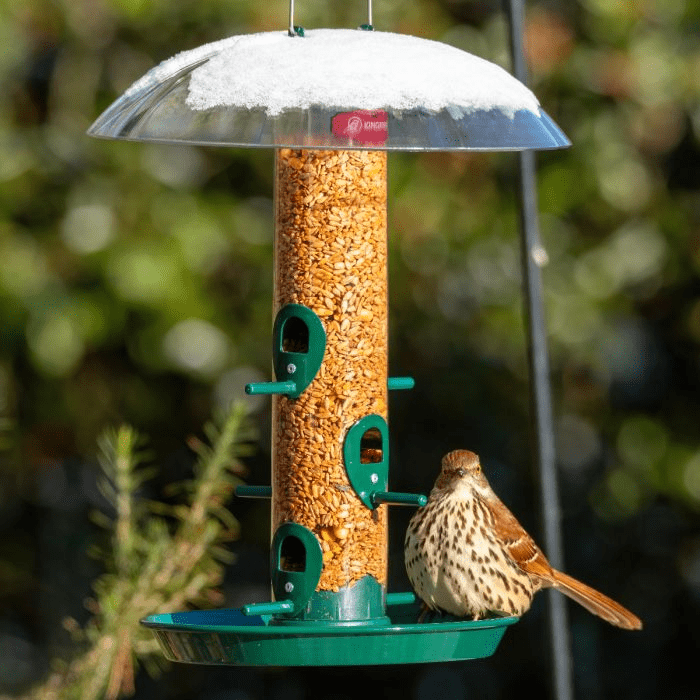
Rain and wind spoil birdseed quickly. Choose feeders with covers or roofs to shield the food. Drainage holes at the bottom prevent water buildup. Place feeders in locations with some natural windbreaks. Dry, fresh seed attracts birds better than wet or moldy food.

Credit: www.cbc.ca
Dealing With Predators
Predators can scare birds away from your feeder, leaving you wondering why no feathered friends are stopping by. Understanding how to handle these threats can make a big difference in attracting birds safely. Let’s look at how you can spot common predators, protect your feeder, and create a feeding area where birds feel secure.
Identifying Common Threats
Birds face danger from various predators like cats, hawks, and even squirrels. Cats often lurk nearby, waiting for an easy catch, while hawks swoop down quickly, frightening birds away. Squirrels, although not predators, can dominate feeders and chase birds off.
Have you noticed sudden disappearances of birds around your feeder? It might be due to one of these threats. Watching the area quietly can help you spot what’s causing the problem.
Using Protective Measures
Simple steps can protect your feeder from predators. Placing your feeder away from bushes or places where cats can hide reduces surprise attacks. Adding a baffle—a dome or cone-shaped guard—on poles stops squirrels and climbing predators from reaching the feeder.
You might also try installing feeders on thin poles that are hard for animals to climb. Motion-activated lights or sprinklers can scare off nighttime visitors. These measures create a safer environment without disturbing the birds.
Creating Safe Feeding Zones
Birds feel safer when they have quick escape routes and places to hide nearby. Planting shrubs or small trees near your feeder gives them a resting spot if danger appears. Make sure the feeder is high enough to avoid ground predators but close enough to cover for quick shelter.
Think about how you arrange your garden or yard. Can you add natural cover that makes birds feel protected? A well-planned feeding zone encourages birds to return regularly, even in areas with predators around.
Timing And Seasonal Tips
Timing plays a crucial role in attracting birds to your feeder. Different species visit feeders at different times of the year, depending on their migration patterns and food availability in the wild. Understanding these seasonal behaviors helps you adjust your feeding strategy effectively.
Feeding During Migration
Bird migration is a busy time for many species, and they need extra energy to fuel their long journeys. Your feeder can become a vital pit stop if you offer high-energy foods like sunflower seeds, suet, or mealworms.
Keep your feeder clean and well-stocked during peak migration months, typically spring and fall. Have you noticed fewer birds even though your feeder is full? It might be because they’re passing through quickly and need food that provides fast energy.
Winter Feeding Strategies
Winter is tough for birds as natural food sources become scarce. You can help by providing calorie-rich foods that survive cold weather, such as black oil sunflower seeds and peanuts.
Position your feeder near shrubs or trees to offer shelter from harsh winds and predators. Have you tried changing the feeder’s location seasonally? Birds may prefer different spots depending on snow cover and wind direction.
Encouraging Birds Year-round
To keep birds visiting throughout the year, offer a variety of food types and change them with the seasons. In spring and summer, add nectar for hummingbirds and soft fruits for orioles.
Don’t forget to provide fresh water, especially in hot or freezing conditions. Your feeder becomes more attractive when it meets multiple bird needs, not just food.
- Switch seed mixes to match seasonal bird preferences.
- Keep feeders clean to prevent disease.
- Observe which species visit and adjust your offerings accordingly.
Have you ever noticed how small changes in timing can dramatically increase bird visits? Paying attention to when and what you feed can turn your backyard into a lively bird haven all year long.
Credit: www.kingsyard.com
Additional Tips To Attract Birds
Attracting birds to your feeder can require more than just food. Birds need water, shelter, and safe surroundings. These elements create a welcoming environment that encourages them to visit and stay. Small changes around your feeder can make a big difference.
Adding Water Sources
Birds need water for drinking and bathing. A shallow birdbath or a small fountain works well. Place the water source near the feeder but not too close. Keep the water clean and fresh. Moving water attracts more birds than still water.
Planting Native Vegetation
Native plants provide natural food and shelter. They attract insects that birds eat. Shrubs and trees offer safe places to rest and hide. Plant a variety of native flowers, bushes, and trees near your feeder. This creates a natural habitat that birds prefer.
Using Bird Calls And Decoys
Bird calls can lure birds by mimicking their sounds. Use a small speaker or a phone app to play calls quietly. Decoys like fake owls or other birds can also attract attention. Place them near the feeder but move them occasionally. This prevents birds from getting scared or bored.
Frequently Asked Questions
Why Are Birds Not Visiting My Feeder?
Birds may avoid feeders due to location, food type, or disturbances. Place feeders in quiet, safe spots. Use fresh, bird-friendly seeds to attract more birds.
How Does Feeder Placement Affect Bird Visits?
Placement affects visibility and safety. Feeders near trees or shrubs offer shelter and protection. Avoid windy, noisy, or high-traffic areas to encourage bird visits.
What Food Attracts More Birds To Feeders?
Different birds prefer different seeds. Black oil sunflower seeds attract many species. Avoid spoiled or moldy seeds, and offer variety to attract diverse birds.
Can Predator Presence Keep Birds Away?
Yes, predators like cats or hawks deter birds. Keep feeders away from hiding spots. Use baffles or guards to protect birds and encourage feeder use.
Conclusion
Birds can be picky about their feeders. Check the feeder’s cleanliness and location. Ensure it’s safe from predators. Offer a variety of seeds. Try moving the feeder to a quieter spot. Patience is key. Birds may take time to notice new feeders.
Regularly refill the feeder. Keep it appealing and fresh. Watch for seasonal changes in bird visits. Remember, creating a bird-friendly environment takes time and effort. Enjoy observing your feathered visitors. Their visits can bring much joy and serenity. With these tips, you might soon see more birds flocking to your feeder.