

Have you ever found a baby bird and wondered what you can feed it besides worms? It’s natural to want to help, but knowing what to give a tiny, fragile bird can be tricky.
You might worry about giving the wrong food and hurting it. Don’t worry—this guide will show you safe, easy options that will keep the little bird healthy and strong. Keep reading, and you’ll discover simple foods you can use right now to care for your feathered friend.
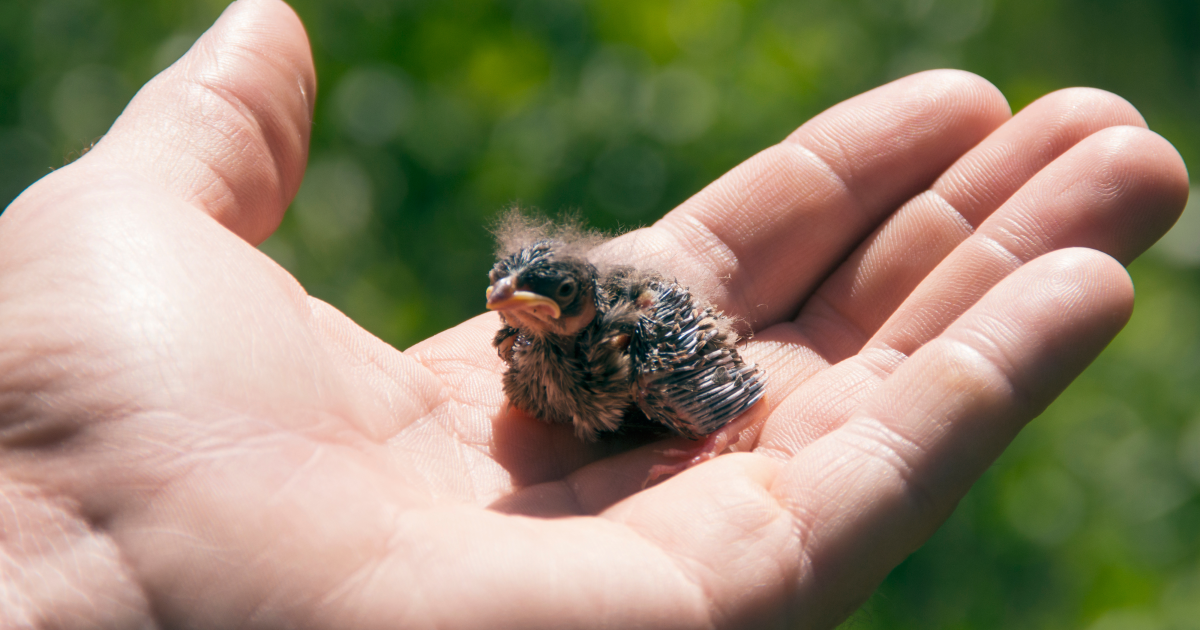
Credit: pethelpful.com
Common Baby Bird Diets
Feeding a baby bird requires understanding what it naturally eats. Baby birds do not rely on just worms. Their diets can be varied depending on the species and environment. Knowing common diets helps provide proper care and nutrition.
Typical Foods In The Wild
Baby birds eat a range of foods in nature. Many species feed on insects, small bugs, and larvae. Some birds eat fruit and seeds, especially as they grow. Nestlings often receive regurgitated food from their parents.
- Insects like beetles, ants, and caterpillars
- Soft fruits such as berries and mashed fruit
- Small seeds and grains
- Spiders and other tiny invertebrates
These foods provide variety and important nutrients. They change as the bird grows and its needs evolve.
Nutritional Needs Of Baby Birds
Baby birds need high protein for growth. Proteins help build muscles and feathers. They also need fats for energy and brain development. Vitamins and minerals support bones and overall health.
Water is crucial for hydration and digestion. Young birds have delicate digestive systems. Their food must be soft and easy to digest.
| Nutrient | Purpose | Sources |
|---|---|---|
| Protein | Growth and tissue repair | Insects, larvae, soft meats |
| Fats | Energy and brain function | Insects, seeds, oily fruits |
| Vitamins & Minerals | Bone health and immune support | Fruits, vegetables, insects |
| Water | Hydration and digestion | Direct water or moist food |
Meeting these needs ensures a healthy start for baby birds.
Safe Protein Alternatives
Baby birds need protein for strong growth and healthy development. Worms are common food, but other safe protein sources work well too. These alternatives provide important nutrients and keep baby birds active and thriving. Here are some good protein options beyond worms.
Insects Beyond Worms
Many insects offer excellent protein for baby birds. Crickets, mealworms, and small beetles are natural choices. These insects are easy to find and digest. Avoid insects caught near pesticides or polluted areas. Feeding a variety of insects helps provide balanced nutrition.
Boiled Egg Yolks
Boiled egg yolks are rich in protein and fat. They are soft and easy for baby birds to eat. Mash the yolk into small pieces or a paste. Avoid feeding egg whites, as they can be harder to digest. Egg yolks support healthy feathers and energy.
Cooked Meat Options
Plain cooked meat can be a safe protein source for baby birds. Use lean chicken or turkey without seasoning or oil. Cut meat into tiny, manageable pieces. Avoid processed meats or those with additives. Cooked meat adds variety and essential amino acids to their diet.
Fruits And Vegetables For Baby Birds
Fruits and vegetables can be a great addition to a baby bird’s diet, offering essential nutrients and variety beyond the usual worms. They provide vitamins, minerals, and hydration that support healthy growth and development. Including these natural foods can also make feeding your baby bird more interesting for both of you.
Suitable Fruits
Many fruits are safe and beneficial for baby birds. They offer natural sugars for energy and important vitamins like vitamin C and A.
- Apples:Peel and chop into tiny pieces to avoid choking hazards.
- Bananas:Soft and easy to mash, bananas are a favorite among many birds.
- Berries:Blueberries, strawberries, and raspberries provide antioxidants and are easy to digest.
- Melons:Watermelon and cantaloupe offer hydration and are gentle on young digestive systems.
Have you noticed how baby birds eagerly peck at soft fruits? It’s not just taste—they’re getting vital nutrients that worms alone can’t provide.
Vegetables To Include
Vegetables add fiber and additional vitamins your baby bird needs. Always steam or finely chop vegetables to make them easier to eat.
- Carrots:Rich in beta-carotene, carrots support vision and immune health.
- Peas:These are soft, protein-rich, and loved by many baby birds.
- Spinach:Provides iron and calcium but should be given in moderation due to oxalates.
- Zucchini:Mild in flavor and easy to digest, zucchini is a good veggie choice.
Think about how you prepare food for yourself—doesn’t finely chopping or softening vegetables make a difference? Baby birds benefit the same way.
Commercial Baby Bird Food
Commercial baby bird food offers a convenient and reliable option when you’re looking to feed a baby bird without relying solely on worms. These products are designed to meet the nutritional needs of young birds, ensuring they get the right balance of proteins, fats, vitamins, and minerals. Whether you’re a first-time caregiver or have experience, commercial options can simplify feeding and support healthy growth.
Ready-made Formulas
Ready-made formulas come pre-packaged and are often powder-based or in pellet form. You simply mix them with water to create a mushy consistency that mimics the texture of regurgitated food, which baby birds naturally receive from their parents.
These formulas are carefully tested to provide essential nutrients, making them a safe and practical choice. You can find varieties tailored to specific bird species or general-use blends. Have you ever wondered how much time you could save by using a ready-made formula instead of hunting for natural food?
Homemade Recipes
If you prefer a more hands-on approach, homemade recipes allow you to control every ingredient. Common components include soaked dog biscuits, hard-boiled eggs, baby cereal, and finely chopped fruits or vegetables.
Mixing these ingredients to a smooth, moist texture creates a nutritious meal that supports the baby bird’s growth. Keep in mind, though, that homemade mixtures require careful balance to avoid nutrient deficiencies.
Have you considered how experimenting with homemade recipes might help you better understand the bird’s dietary preferences and needs? Trying different combinations can be rewarding and educational.
Feeding Tips And Precautions
Feeding a baby bird requires more than just offering the right food; it demands careful attention to how you feed and what you feed. Ensuring the bird’s safety and health means you must handle feeding times with care and avoid common mistakes that could harm these delicate creatures. Let’s look at some practical tips and important precautions to keep your baby bird thriving.
Proper Feeding Techniques
Hold the baby bird gently but firmly to avoid stress or injury. Use a small, soft-tipped syringe or tweezers to deliver food slowly, mimicking how a parent bird feeds. Overfeeding can cause choking or digestive problems, so feed small amounts and watch for signs the bird is full.
Feed the bird at regular intervals, usually every 20 to 30 minutes during daylight hours. Always keep the food at a warm, but not hot, temperature to prevent crop burns. Have you noticed how quickly a baby bird can tire? Patience and a calm approach make a big difference.
Avoiding Harmful Foods
Not all foods safe for adult birds are suitable for babies. Avoid giving them bread, milk, or processed foods as these can cause serious health issues. Stick to natural, easy-to-digest options like soaked dog kibble, finely chopped boiled eggs, or mashed fruits.
Never feed wild baby birds food with added salt, sugar, or spices. Also, avoid feeding insects caught outdoors since they might carry pesticides or parasites. Have you ever considered how even a small mistake in diet can impact a baby bird’s growth? Staying informed protects their fragile health.

Credit: www.allaboutbirds.org
Credit: irishwildlifematters.ie
Frequently Asked Questions
What Are Safe Alternative Foods For Baby Birds?
Soft fruits like mashed bananas, cooked rice, and finely chopped vegetables are safe alternatives. Also, soaked dog food or soaked cat kibble provides necessary protein. Avoid processed or salty foods to keep baby birds healthy and thriving.
Can I Feed Insects Other Than Worms To Baby Birds?
Yes, small insects like crickets, mealworms, and ants are excellent protein sources. Ensure insects are pesticide-free and appropriately sized for the baby bird’s mouth. These alternatives mimic natural diets and promote healthy growth.
How Often Should Baby Birds Be Fed Alternative Foods?
Feed baby birds every 15 to 20 minutes from sunrise to sunset. Young birds require frequent, small meals to maintain energy and growth. Monitor their hunger cues and adjust feeding frequency as they grow.
Is Homemade Baby Bird Food Better Than Store-bought?
Homemade food allows control over ingredients and freshness, ensuring baby birds get natural nutrients. However, store-bought formulas are nutritionally balanced and convenient. Choose based on availability, bird species, and your ability to prepare fresh meals.
Conclusion
Feeding baby birds can be simple with the right knowledge. Safe and healthy alternatives to worms are available. Soft fruits, soaked pet food, and cooked eggs are great choices. Always ensure food is moist and easy to eat. Variety in diet helps with growth and health.
Keep portions small to prevent choking. Monitor their reactions to new foods. Seek advice from bird experts if uncertain. With care and attention, you can support a baby bird’s journey to adulthood. Remember, every little bird deserves the best start in life.