

Have you ever found a tiny baby bird and wondered what you should feed it to help it grow strong and healthy? Feeding a baby bird can feel tricky and a bit overwhelming, but it doesn’t have to be.
The wrong food could harm the little creature, while the right choices can make all the difference in its survival. You’ll discover simple, safe, and effective feeding tips that anyone can follow. Keep reading to learn exactly what you can feed a baby bird and how to do it the right way—your care could save a life.
Choosing The Right Food
Choosing the right food is vital for a baby bird’s health and growth. Different birds have different dietary needs. Feeding the wrong food can harm them or slow their development. Understanding what each baby bird requires helps ensure they get the nutrition they need to thrive.
Diet Needs By Bird Species
Each bird species has unique dietary needs. Some birds eat mostly insects. Others prefer seeds or fruit. For example:
- Songbirds need high-protein insects and worms.
- Parrots eat a mix of seeds, fruits, and vegetables.
- Waterfowl often consume grains and small aquatic creatures.
Providing species-specific food mimics their natural diet. It supports proper growth and immune strength.
Age-based Feeding Tips
Baby birds’ diets change as they grow. Newly hatched chicks need soft, easy-to-digest food. Older chicks can eat more solid items.
- Newborns require a diet rich in protein and moisture.
- After a week, introduce finely chopped fruits or seeds.
- By fledging age, they can eat regular bird food gradually.
Feed small amounts frequently. Avoid foods that can choke or upset their stomachs.
Safe Foods For Baby Birds
Feeding a baby bird the right foods is crucial to its growth and survival. You want to provide nutrients that support their developing bodies without causing harm. Choosing safe foods ensures they get a balanced diet that mimics what they’d receive in the wild.
Protein Sources
Protein is essential for baby birds as it helps build strong muscles and feathers. You can offer small insects like mealworms or crickets, which are rich in protein and easy for them to digest.
Hard-boiled eggs mashed finely also work well; they provide a gentle, protein-packed option. Avoid giving meat or dairy products, as these can upset their stomach or cause health issues.
Fruits And Vegetables
Fresh fruits and vegetables add vitamins and hydration to a baby bird’s diet. Soft fruits like mashed bananas, apples (without seeds), and berries are safe choices that many baby birds enjoy.
Vegetables such as cooked carrots, peas, and finely chopped spinach offer fiber and essential nutrients. Remember to avoid citrus fruits and anything too acidic, as these can irritate their digestive system.
Grains And Seeds
Grains and seeds supply energy and help with healthy feather development. Small seeds like millet and finely crushed sunflower seeds are good options, but feed them in moderation to prevent choking.
Cooked grains such as rice or oats, softened with water, provide an easy-to-eat carbohydrate source. Be cautious with whole seeds, as some baby birds might struggle to swallow them safely.
Foods To Avoid
Knowing what not to feed a baby bird is just as important as knowing what to feed it. Certain foods can harm their fragile bodies or even be fatal. Avoiding these dangerous items helps you keep the baby bird safe and healthy during its critical growth stages.
Toxic Foods
Some common foods that seem harmless to us can be toxic to baby birds. Avoid giving them chocolate, caffeine, and alcohol at all costs. These substances can cause severe health problems or death.
Onions and garlic are also harmful. They can damage the bird’s red blood cells, leading to anemia. Even small amounts should be kept away from baby birds.
Avocado is another food to skip. It contains persin, a toxin that affects many bird species. If you care about the baby bird’s well-being, it’s best to leave avocado off the menu entirely.
Choking Hazards
Baby birds have tiny throats and weak swallowing muscles. Large or hard pieces of food can easily block their airways. You should avoid feeding whole nuts, seeds, or chunks of raw vegetables.
Hard bread crusts and popcorn also pose risks. They can get stuck and cause choking or breathing problems. Instead, offer soft, finely chopped, or mashed foods that match the baby bird’s size and ability to swallow.
Have you ever thought about how something as simple as size and texture can make a huge difference in feeding a baby bird safely? Paying attention to these details can save a life.
Feeding Techniques
Feeding baby birds requires careful attention and gentle care. Proper feeding techniques ensure the bird receives enough nutrients for healthy growth. These techniques also help avoid choking or injury. Understanding the right approach improves survival rates and comfort for the bird.
Hand-feeding Methods
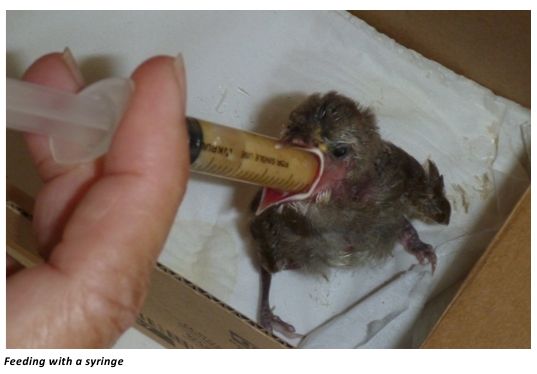
Hand-feeding a baby bird involves using tools like small spoons, syringes, or tweezers. Choose a soft, clean utensil for safe feeding. Warm the food to body temperature before feeding. Hold the bird gently but firmly to prevent sudden movements.
- Offer small amounts of food carefully into the bird’s mouth.
- Avoid forcing food; let the bird open its beak naturally.
- Feed slowly to prevent choking.
- Keep the feeding area clean and quiet.
- Use a shallow dish or syringe for liquid diets.
Practice patience. Baby birds may take time to accept hand-feeding. Watch for signs of stress or refusal. Stop feeding if the bird shows discomfort and try again later.
Feeding Frequency And Amounts
Baby birds need frequent feeding because they burn energy fast. Very young birds require feeding every 15 to 20 minutes during daylight hours. Older chicks can go longer between feedings, about every 30 to 60 minutes.
| Age of Baby Bird | Feeding Frequency | Amount per Feeding |
|---|---|---|
| Newborn to 1 week | Every 15-20 minutes | Small drops |
| 1 to 2 weeks | Every 20-30 minutes | 1/4 to 1/2 teaspoon |
| 2 to 3 weeks | Every 30-45 minutes | 1/2 to 1 teaspoon |
| 3 weeks and older | Every 45-60 minutes | 1 to 2 teaspoons |
Watch the bird’s crop to avoid overfeeding. The crop is a small pouch in the throat that stores food. It should feel soft and empty before the next feeding. Feeding too much or too little can cause health problems.
Hydration Tips
Keeping a baby bird well-hydrated is just as important as feeding it the right food. Hydration supports their delicate body functions and helps them grow strong. Young birds can get dehydrated quickly, so providing water safely is essential.
Water Needs
Baby birds get most of their water from their food. Wet or soft foods like soaked seeds and fruits provide natural hydration. Fresh water is still necessary, especially for birds eating drier foods. The amount of water needed depends on the bird’s age and species. Very young birds may require small, frequent amounts of water.
Safe Hydration Practices
- Use clean, fresh water every time. Dirty water can cause illness.
- Offer water in a shallow dish or with a syringe carefully. Avoid forcing water into the bird’s throat.
- Never give water directly to very young birds without experience. They may inhale it and choke.
- Observe the bird’s behavior. If it seems thirsty, offer water gently and slowly.
- Maintain a warm environment. Cold water or cold surroundings can shock baby birds.

Credit: swibirds.org
Signs Of Proper Nutrition
Recognizing the signs of proper nutrition in a baby bird is essential for anyone caring for these fragile creatures. Proper feeding goes beyond just offering food; it ensures the bird’s healthy development and overall well-being. By observing specific growth and behavior indicators, you can tell if your feeding routine supports the bird’s needs effectively.
Healthy Growth Indicators
One clear sign of good nutrition is steady weight gain. Baby birds should gradually become plumper, not thinner. If you notice consistent growth, it’s a strong indicator that the food you provide is meeting their energy and nutrient requirements.
Feather development is another key marker. Look for feathers that are smooth and vibrant, not dull or patchy. Healthy feathers mean the bird is receiving enough protein and vitamins.
Pay attention to the bird’s posture and muscle tone. A well-nourished baby bird holds itself upright and moves with energy. Weakness or lethargy may signal that the diet lacks essential nutrients.
Behavioral Signs
Healthy baby birds are usually alert and responsive. If your bird eagerly opens its mouth when you approach, it’s a sign of a good appetite and proper nourishment. On the other hand, a bird that refuses to eat or remains inactive could be struggling with its diet.
Listen for vocal activity. Chirping and calling often indicate comfort and energy. Silence or weak sounds might suggest the bird is not thriving.
Observing how the bird interacts with its environment also provides clues. A curious and active baby bird shows signs of good health. If the bird is withdrawn or overly still, you may need to reassess its feeding plan.
When To Seek Expert Help
Knowing when to seek expert help for a baby bird can be the difference between life and death. While feeding and care are important, some situations require professional intervention. Understanding the signs and knowing where to turn will ensure the best outcome for the little feathered creature in your hands.
Recognizing Health Issues
Is the baby bird lethargic, weak, or unresponsive? These are clear red flags that it needs urgent care beyond basic feeding.
Look for:
- Visible injuries like broken wings or bleeding
- Signs of dehydration such as sunken eyes or dry skin
- Difficulty breathing or unusual noises
- Persistent trembling or inability to stand
If you notice any of these, don’t wait. Delaying professional help can worsen the bird’s condition rapidly.
Finding Wildlife Rehabilitators
Not all veterinarians specialize in wild birds. Finding a wildlife rehabilitator can give the bird specialized care tailored to its species and needs.
You can start by:
- Contacting your local animal control or wildlife agency
- Searching online for licensed wildlife rehabilitation centers near you
- Asking birdwatching clubs or conservation groups for recommendations
Keep their contact info handy before you encounter an injured bird. When I once found a fallen chick, quick contact with a rehabilitator saved its life. Your prompt action can make the same difference.
Credit: besgroup.org

Credit: www.discovermagazine.com
Frequently Asked Questions
What Is The Best Food For Feeding A Baby Bird?
The best food for baby birds depends on their species. Generally, soft, protein-rich foods like soaked dog food, mealworms, or mashed hard-boiled eggs work well. Avoid bread or milk, as they can harm the bird’s health. Always feed small, frequent meals for proper growth.
Can I Feed Bread To A Baby Bird Safely?
No, bread is not safe for baby birds. It lacks essential nutrients and can cause malnutrition. Feeding bread may also lead to digestive issues and dehydration. Instead, choose nutrient-rich options like insects or specialized bird formulas for healthy development.
How Often Should You Feed A Baby Bird Daily?
Baby birds usually need feeding every 15 to 20 minutes during daylight hours. This frequent feeding supports their rapid growth and high energy needs. As they mature, the feeding frequency can gradually decrease. Always monitor the bird’s hunger signals closely.
What Foods Should Be Avoided For Baby Birds?
Avoid feeding baby birds milk, bread, salty or sugary foods, and processed human snacks. These items can cause digestive problems, dehydration, or toxicity. Stick to natural foods like insects, seeds, and specially formulated bird food for safety and nutrition.
Conclusion
Feeding a baby bird the right food helps it grow strong and healthy. Soft foods like insects, mashed fruits, and soaked dog food work well. Avoid giving bread or milk, as they can harm the bird. Always offer fresh food in small amounts often.
Watch the baby bird closely to see if it eats well. Caring for a baby bird takes patience and kindness. With the right food and care, the bird has a good chance to thrive. Remember, gentle handling makes a big difference.