

Have you ever wondered what the best food is to feed birds at the park? You want to enjoy watching these beautiful creatures up close, but you might worry about giving them the wrong food.
Feeding birds the right way can make a big difference to their health and happiness. You’ll discover simple tips and safe food choices that will help you attract more birds and make your park visits even more enjoyable. Keep reading to find out exactly what you should bring next time you head outside to feed the birds.
Best Seeds For Park Birds
Choosing the right seeds to feed birds at the park can make your visits more rewarding. Different seeds attract different species, so knowing which ones to bring helps you enjoy a variety of feathered friends. Let’s look at some of the best seeds that park birds love and why they matter.
Sunflower Seeds
Sunflower seeds are a top favorite among many park birds. Their high oil content gives birds a quick energy boost, which is especially important during colder months. You’ll notice cardinals, chickadees, and finches flocking around these seeds.
Black oil sunflower seeds are particularly popular because their thin shells are easy for small birds to crack open. If you want to attract a mix of birds, these seeds should be in your feeding bag. Have you ever watched how some birds expertly peel sunflower seeds? It’s fascinating and shows how much they value this food.
Millet And Sorghum
Millet and sorghum are great choices for ground-feeding birds. Sparrows, doves, and juncos often prefer these smaller seeds scattered on the ground. Unlike sunflower seeds, millet is tiny and offers a good carbohydrate source.
Offering millet can encourage shy birds to visit since it’s less competitive than sunflower seeds. If you want to attract a quiet crowd, try sprinkling some millet near bushes or grassy patches. Would you expect such small seeds to bring in such a diverse group of birds?
Nyjer And Thistle Seeds
Nyjer and thistle seeds are favorites among finches, especially goldfinches. These tiny seeds pack a lot of nutrition and appeal to birds with specialized beaks designed for extracting them. Nyjer is often fed in mesh feeders to keep the seeds contained.
Using these seeds can attract beautiful, colorful finches to your park visits. Their delicate feeding habits make watching them a unique experience. Have you ever noticed how patient finches are when picking nyjer seeds? It’s a small detail that makes feeding birds even more enjoyable.
Fruits Birds Enjoy
Fruits are a delicious treat that many birds at the park enjoy. They provide essential vitamins and natural sugars that boost energy and keep birds healthy. Offering the right fruits can attract a variety of bird species and create memorable moments during your visits.
Berries And Grapes
Small birds like robins and finches love berries and grapes. These fruits are packed with antioxidants and easy to eat in bite-sized pieces. Try offering blueberries, strawberries, or halved grapes to attract a colorful crowd.
Have you noticed birds eagerly picking at clusters of berries during your walks? That’s a sign they appreciate this sweet snack as much as you do.
Apple And Pear Pieces
Apples and pears provide a crunchy texture and juicy taste that many birds enjoy. Cut them into small, manageable chunks and remove the seeds before offering. Woodpeckers and jays are especially fond of these fruits.
Next time you bring an apple slice to the park, watch for curious birds investigating this crisp treat. It’s a simple way to connect with nature.
Melon And Banana
Melons and bananas offer soft, sweet flavors that attract fruit-loving birds like orioles and tanagers. You can slice melon into cubes or simply peel and break bananas into pieces. These fruits are gentle on bird beaks and easy to digest.
Have you tried leaving small banana chunks on a park bench? You might be surprised how quickly birds find and enjoy them.
Vegetables For Birds
Vegetables offer birds essential nutrients and hydration. They are a healthy choice for feeding birds at the park. Birds enjoy a variety of vegetables that provide vitamins and fiber. Offering fresh veggies supports their diet beyond seeds and insects. Choose vegetables that are safe and easy for birds to eat.
Peas And Corn
Peas and corn are popular vegetables for many bird species. Birds like the sweetness and soft texture of peas. Corn kernels are easy to eat and full of energy. Serve these vegetables fresh or thawed if frozen. Avoid canned versions with added salt or preservatives.
Leafy Greens
Leafy greens such as spinach, kale, and lettuce are excellent for birds. These greens contain vitamins A and C. Birds enjoy picking at the tender leaves. Chop the greens into small pieces for easy eating. Wash thoroughly to remove any dirt or chemicals.
Carrots And Cucumbers
Carrots and cucumbers offer crunch and moisture to birds. Carrots provide beta-carotene, good for bird eyesight. Cucumbers help keep birds hydrated on warm days. Slice these vegetables into thin strips or small cubes. Freshness is key; avoid wilted or old pieces.
Safe Bread Alternatives
Bread is a common snack for birds at the park but it can harm their health. Many birds get sick from eating bread. It fills their stomachs but lacks needed nutrients. Safe bread alternatives provide better nutrition and keep birds healthy. These options also avoid pollution in water and parks.
Oats And Cooked Rice
Oats are soft and easy for birds to eat. They contain fiber and nutrients birds need. Use plain, uncooked oats or soak them slightly. Cooked rice is another gentle choice. Use plain white or brown rice without salt or spices. Both oats and rice are safe and nutritious snacks.
Unsalted Crackers
Unsalted crackers offer a crunchy texture birds enjoy. Pick simple crackers without added flavors or salt. Break them into small pieces for easy eating. These crackers provide energy without harmful ingredients. Avoid crackers with sugar, salt, or artificial additives to keep birds safe.
Whole Grain Options
Whole grains have more nutrients than white bread. Birds benefit from whole wheat, barley, or millet. These grains are rich in fiber and vitamins. Serve them dry or lightly soaked to soften. Whole grains support bird health and natural diet better than processed foods.
Foods To Avoid
Feeding birds at the park can be a delightful way to connect with nature. However, not all foods are safe for them. Knowing what to avoid helps keep birds healthy and vibrant.
Processed And Salty Snacks
Many people think sharing chips or crackers is harmless, but processed snacks can harm birds. These foods often contain high salt levels, which can cause dehydration and kidney problems in birds.
Next time you visit the park, try to resist handing over your salty snacks. Instead, consider bird-friendly options like seeds or unsalted nuts.
Avocado And Chocolate
Avocado and chocolate might be tasty treats for humans, but they are toxic to birds. Even small amounts can cause severe health issues, including heart and respiratory problems.
It’s surprising how common these foods are in human diets, yet so dangerous for birds. Always keep these out of reach when feeding wildlife to avoid accidental poisoning.
Onions And Garlic
Onions and garlic contain compounds that can damage birds’ red blood cells, leading to anemia. This risk is often overlooked, even though these ingredients are widespread in many foods.
If you bring snacks to the park, double-check the ingredients list to avoid accidentally offering birds something harmful. Your careful choices make a big difference in their well-being.
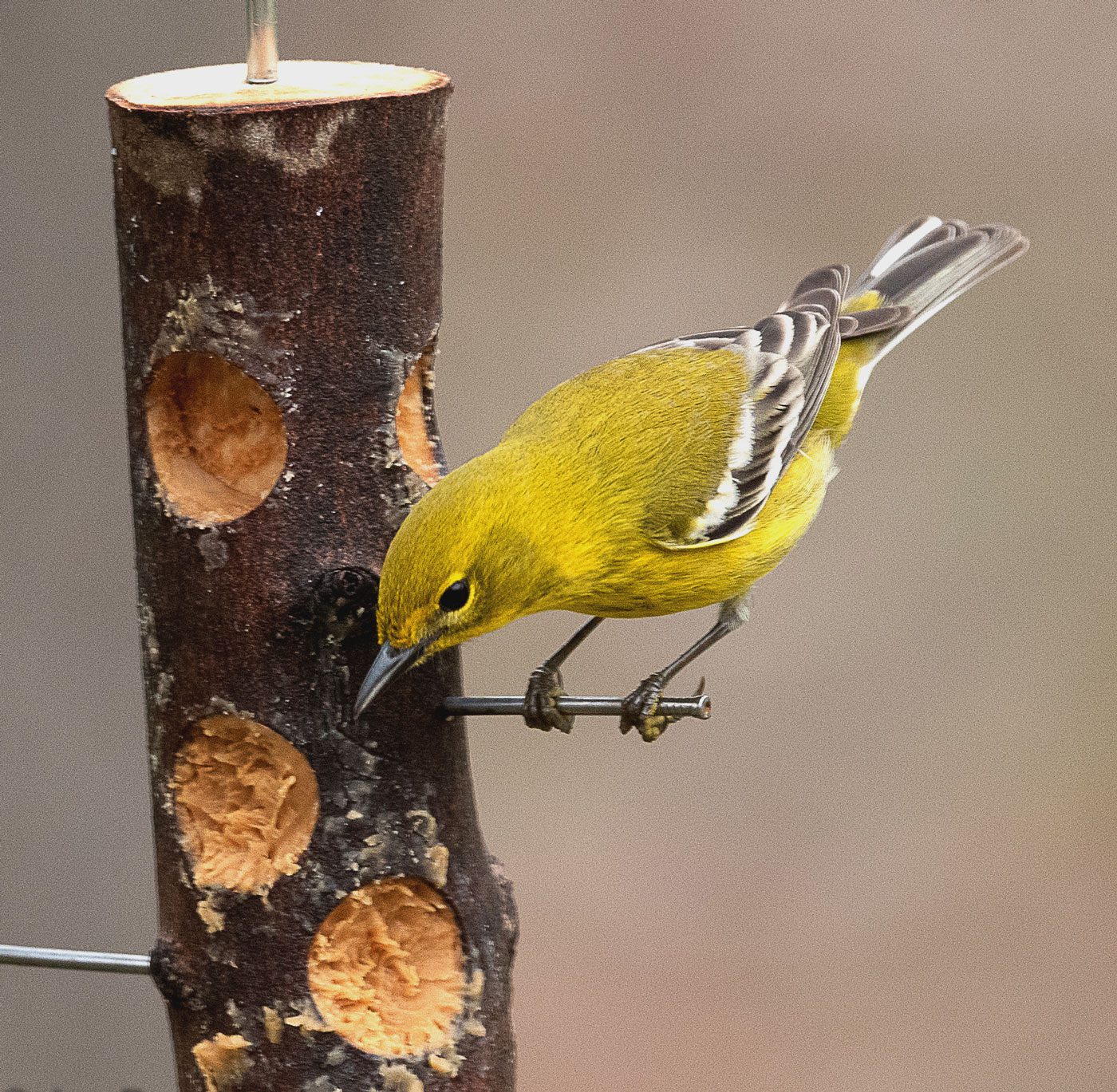
Credit: www.allaboutbirds.org
Feeding Tips For Park Visitors
Feeding birds at the park can be a joyful experience, but it requires some care to make sure it benefits the birds and the environment. Your actions can either support healthy bird populations or cause unintended harm. Paying attention to how much, what, and where you feed birds helps keep the park safe and enjoyable for everyone.
Proper Portion Sizes
Birds don’t need large amounts of food from visitors. A handful of seeds or a few small pieces of chopped fruit is enough for a feeding session. Overfeeding can lead to birds becoming dependent on humans, which might reduce their natural foraging skills.
Try to offer portions that birds can finish in a few minutes. This way, you avoid leftover food attracting pests or causing pollution.
Avoiding Overfeeding
It’s tempting to give birds lots of food, especially when they gather eagerly. But too much food can make birds sick or change their natural behavior. Feeding only occasionally and in small amounts encourages birds to keep searching for food naturally.
Ask yourself: Could the birds find enough food without your help? If yes, then limit what you offer. This keeps them healthy and independent.
Keeping Feeding Areas Clean
Leftover food and scattered crumbs can dirty the park and attract unwanted animals like rats. Always clean up after feeding and avoid leaving food on benches or paths. Carry a small bag to collect any trash or uneaten food you bring.
Clean feeding spots prevent the spread of disease among birds and keep the park enjoyable for all visitors. Have you noticed how quickly a tidy feeding area invites more birds?
Benefits Of Feeding Birds Properly
Feeding birds at the park can be more than just a casual pastime. When done properly, it offers real benefits that support the well-being of the birds and enrich your outdoor experience. Understanding these benefits helps you make better choices about what and how to feed, ensuring both you and the birds enjoy the interaction safely and meaningfully.
Supporting Bird Health
Providing the right food helps birds maintain their energy and stay healthy. Avoiding bread and processed snacks prevents malnutrition and digestive problems, which many people might not realize are common issues. Instead, offering seeds, nuts, and fresh fruits gives birds the nutrients they need to thrive.
Have you noticed how birds become more active when they find good food sources? That’s because proper feeding supports their immune system and overall vitality. You can play a direct role in helping local bird populations stay strong through the seasons.
Encouraging Natural Behaviors
Feeding birds with appropriate foods encourages them to engage in natural foraging habits. When you scatter seeds or nuts, birds practice their instinct to search and pick, which is crucial for their mental and physical health. This interaction also helps young birds learn essential survival skills.
When you feed birds properly, you avoid creating dependency. Birds continue to seek out natural food sources instead of relying solely on human handouts. This balance keeps their behavior wild and healthy, which is better for the ecosystem overall.
Enhancing Park Experience
Watching birds feed naturally adds a special dimension to your time outdoors. You get to observe their colors, movements, and social interactions up close, making your visit more memorable. Feeding them with the right foods increases the chance of seeing a variety of species gather in one spot.
Have you ever felt a moment of calm watching a group of birds peck at the ground or flutter between trees? Proper feeding enhances these moments, turning a simple park visit into a richer, more connected experience. It’s a small act that invites you to slow down and appreciate nature’s details.

Credit: www.allaboutbirds.org

Credit: www.allaboutbirds.org
Frequently Asked Questions
What Foods Are Safe For Feeding Birds At The Park?
Safe foods for birds include seeds, nuts, fruits, and vegetables. Avoid processed or salty foods. Fresh water is also essential for birds’ health.
Can I Feed Bread To Birds In The Park?
Bread is not recommended as it lacks nutrients and can harm birds. It can cause malnutrition and attract pests. Opt for healthier alternatives like seeds or grains.
How Often Should I Feed Birds When Visiting The Park?
Feed birds sparingly to prevent dependency. Once or twice during a visit is enough. Always clean up leftover food to maintain cleanliness.
What Are The Best Seeds To Feed Park Birds?
Sunflower seeds, millet, and cracked corn are popular choices. These seeds provide essential nutrients and attract various bird species. Avoid flavored or salted seeds.
Conclusion
Feeding birds at the park can be a joyful activity. Choose safe foods. Seeds, grains, and fruits work well. Avoid bread and processed snacks. They can harm birds. Always observe park guidelines. Respect nature and wildlife. Clean up after feeding.
Keep the park clean for everyone. Encourage others to feed responsibly too. By doing so, you support healthy bird populations. Enjoy watching the birds and connecting with nature. It’s a simple pleasure. One that benefits both humans and birds.