
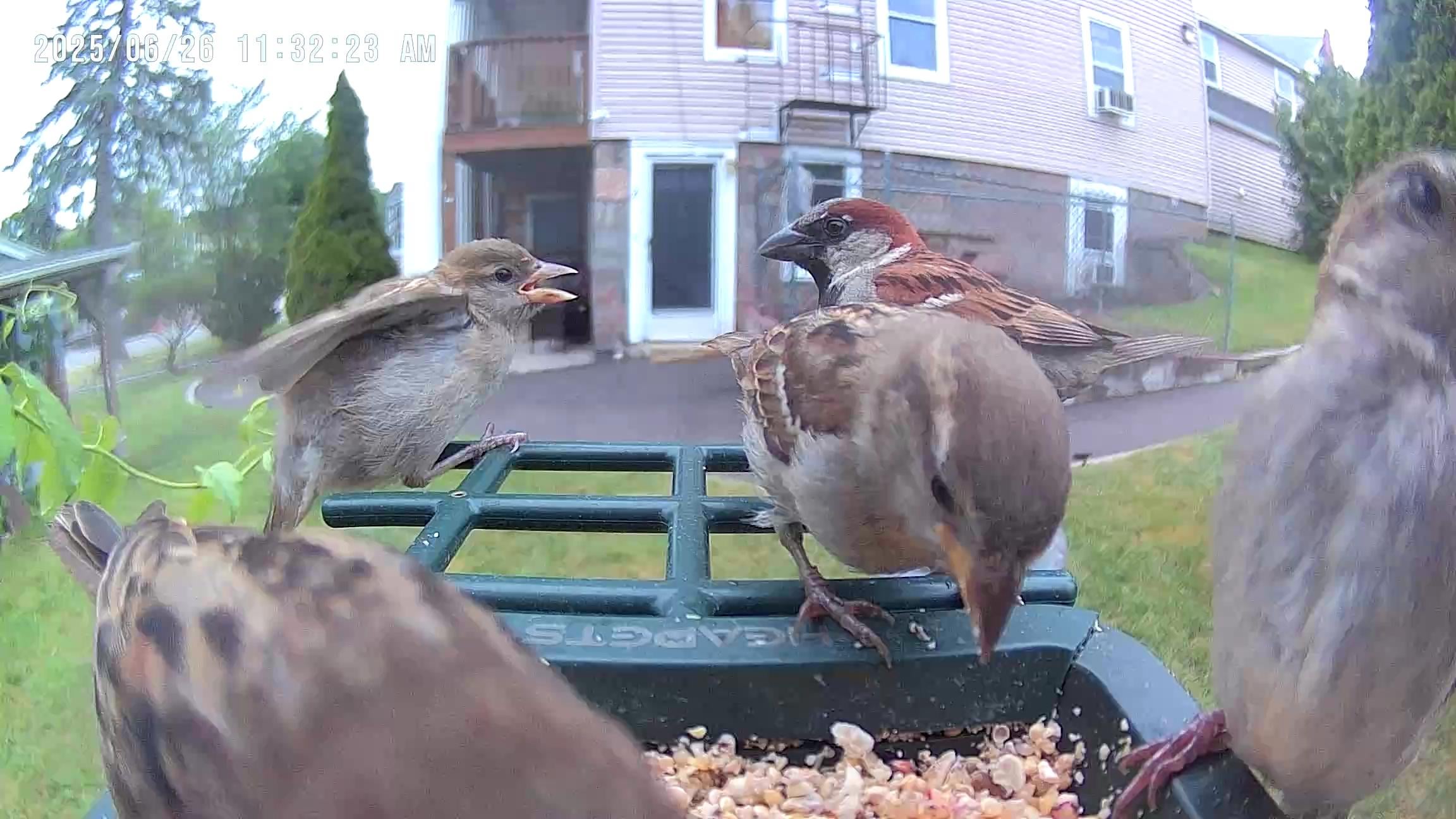
Are you wondering why birds won’t eat from your feeder? You’ve set it up, filled it with seeds, and waited patiently—but the birds just don’t show up.
It’s frustrating, right? You want to enjoy watching colorful birds flutter around, but something is stopping them. The good news is, you’re not alone, and there are simple reasons behind this problem. You’ll discover easy fixes that will bring birds back to your feeder in no time.
Keep reading to find out what might be driving them away and how you can make your feeder irresistible to your feathered friends.

Credit: blog.aba.org
Common Feeder Issues
Many bird lovers find themselves puzzled when their feeders remain untouched. Often, the issue lies not with the birds but with the feeder setup itself. Let’s look at common feeder issues that might be discouraging birds from stopping by your backyard.
Placement Problems
Where you put your feeder matters a lot. If it’s too close to windows, birds might avoid it due to reflections or fear of collisions. On the other hand, placing feeders in exposed areas without any nearby cover can make birds feel vulnerable to predators.
Have you noticed if birds prefer certain spots in your yard? Try moving your feeder to a quieter area with some nearby shrubs or trees. This gives birds a safe place to perch and watch for danger before they come to eat.
Feeder Cleanliness
Dirty feeders are a major turn-off for birds. Old seed, mold, and bird droppings can build up quickly and discourage visits. More importantly, unclean feeders can spread diseases among bird populations.
Cleaning your feeder regularly is crucial. Rinse it with warm, soapy water at least once a week, and more often in wet weather. Your birds will thank you with more frequent visits and healthier appearances.
Seed Quality
Birds are picky eaters, and poor-quality seed can leave your feeder untouched. Seeds that are old, moldy, or full of fillers won’t attract birds. Black oil sunflower seeds, for example, are a favorite for many species and offer good nutrition.
Have you checked the freshness of your seed lately? Buying from a reputable supplier and storing seeds in a cool, dry place can make all the difference. Fresh, high-quality seed invites a wider variety of birds to your feeder.

Credit: www.reddit.com
Bird Preferences
Birds have clear tastes when it comes to food. Understanding their preferences helps attract them to your feeder. Different species choose seeds based on taste, size, and nutritional value. Feeding habits also shift with seasons. Knowing these details makes your feeder a favorite spot.
Favorite Seed Types
Birds pick seeds that suit their beaks and diets. Black oil sunflower seeds are popular for many birds. They have thin shells and high oil content, perfect for energy. Millet appeals to smaller birds like sparrows. Nyjer seeds attract finches with their tiny size. Avoid mixed seeds with fillers birds often ignore.
Attracting Specific Species
Different birds prefer different seeds and feeders. Cardinals like sunflower seeds on platform feeders. Woodpeckers enjoy suet feeders with nuts and berries. Hummingbirds seek nectar, not seeds, so use a nectar feeder. Tailor your seed choice based on the birds you want to see. This targeted feeding draws your favorite species more often.
Seasonal Feeding Habits
Birds change their diets with the seasons. In winter, they need high-energy seeds like sunflower and safflower. Spring and summer bring more insects, so seeds become less important. During migration, birds eat more to build energy reserves. Adjust your seed supply to match these seasonal needs for better feeding success.
Environmental Factors
Understanding why birds avoid your feeder often means looking beyond the feeder itself. Environmental factors play a huge role in whether birds feel safe and welcome enough to visit. These elements affect their behavior and feeding patterns in ways you might not expect.
Predator Presence
Birds are highly alert to predators nearby. If you have cats, hawks, or even squirrels prowling close to your feeder, birds will likely steer clear. You might not see these threats all the time, but birds sense danger quickly.
Try placing your feeder where birds have a clear view of their surroundings. Avoid spots near dense bushes where predators can hide. Have you noticed fewer birds when a neighborhood cat hangs around? That’s a clear sign to relocate your feeder.
Weather Conditions
Weather influences bird visits more than many realize. On extremely hot, cold, or windy days, birds may choose to stay sheltered instead of visiting feeders. Rain can also keep them away, as wet feathers make flying harder.
Consider this: have you ever seen your feeder crowded right after a storm clears? Birds rush out to refill their energy stores once conditions improve. Offering fresh water and shade near your feeder can make a big difference during harsh weather.
Nearby Food Sources
If birds find natural food sources nearby, your feeder might be less attractive. Trees with berries, blooming flowers, or insect-rich areas can satisfy their hunger without visiting your setup. This is especially true in late summer or early fall.
Look around your yard and neighborhood for abundant food. If natural options are plentiful, try changing the type of seed you offer or relocating the feeder to a less crowded spot. Have you ever switched from sunflower seeds to safflower and noticed more visitors? It’s all about what’s available around them.
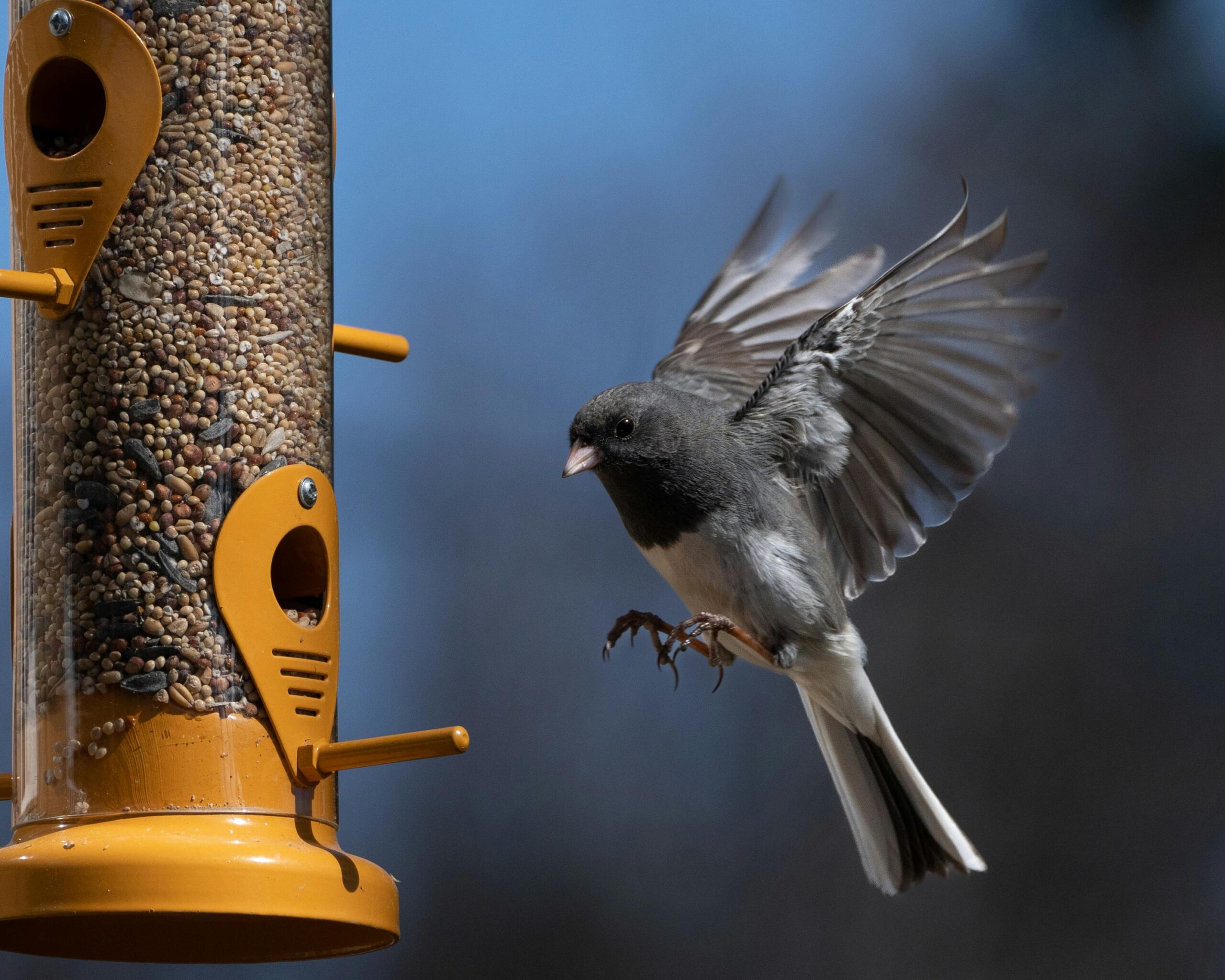
Credit: chirpforbirds.com
Feeder Design And Style
Your choice of feeder design and style can significantly impact whether birds feel comfortable visiting your feeder. Some designs attract specific species, while others might unintentionally scare birds away. Paying attention to the type, accessibility, and material of your feeder can make your backyard more inviting for feathered friends.
Types Of Feeders
Different birds prefer different feeder styles. Tube feeders are great for small songbirds like finches and chickadees. Platform feeders attract a wider variety, including larger birds such as cardinals and jays.
Hopper feeders hold more seed and resemble natural feeding spots. Suet feeders bring in woodpeckers and nuthatches. Have you noticed certain birds avoiding your feeder? It might be due to the feeder type you’re using.
Accessibility For Birds
Birds need easy access to food without feeling trapped or threatened. Feeders with narrow perches can discourage larger birds or those that prefer to feed in groups. Make sure the perches are comfortable and sized to the birds you want to attract.
Consider the placement of your feeder too. Is it too close to windows or predators’ hiding spots? If birds don’t feel safe, they won’t stay long enough to eat. Try observing how birds approach your feeder and adjust based on their behavior.
Material And Durability
Material affects both the feeder’s longevity and how birds interact with it. Plastic feeders are lightweight but can crack or warp in harsh weather, potentially deterring birds. Metal feeders tend to last longer and offer sturdier perches.
Glass or transparent feeders allow you to easily check seed levels but might scare shy birds if reflections are too strong. I switched to a wooden feeder last season and noticed more visits from shy sparrows—they seemed to prefer the natural look and feel.
Tips To Encourage Birds
Encouraging birds to visit your feeder often requires a bit of attention to detail and understanding of their needs. Small changes can make a big difference in attracting feathered friends. Let’s look at some practical ways to make your feeder more inviting and ensure the birds keep coming back.
Proper Feeder Maintenance
Cleanliness matters more than you might think. Dirty feeders can harbor mold and bacteria that scare birds away or make them sick. Rinse your feeder with warm, soapy water every two weeks and let it dry completely before refilling.
Check for damage regularly. Cracked or rusty feeders might leak seeds or become unsafe. A well-maintained feeder looks fresh and signals a safe food source to birds.
Selecting The Right Seeds
Not all seeds attract the same birds. Sunflower seeds are a favorite for many species and offer high energy. If you notice no visitors, try switching to a different seed like nyjer for finches or millet for sparrows.
Consider mixing seeds to appeal to a wider variety of birds. Watch which seeds disappear fastest and adjust your purchases accordingly. Your feeder’s popularity depends on offering what local birds prefer.
Creating A Bird-friendly Habitat
Birds want more than food—they look for safety and comfort. Plant native shrubs or trees near your feeder to provide shelter and perching spots. This can make your yard feel like a natural haven to them.
Think about water sources too. A birdbath or shallow dish of water near the feeder attracts thirsty visitors and encourages longer stays. Are you giving birds a reason to linger beyond just the food?
Frequently Asked Questions
Why Won’t Birds Visit My Feeder?
Birds may avoid feeders due to poor placement, lack of food variety, or predators nearby. Ensure the feeder is clean, filled with fresh seed, and placed in a safe, quiet location.
What Type Of Seed Attracts Most Birds?
Black oil sunflower seeds attract a wide variety of birds. They are high in fat and easy to crack, making them a popular choice for many bird species.
How Often Should I Clean My Bird Feeder?
Clean your feeder every two weeks to prevent mold and disease. Regular cleaning keeps birds healthy and encourages more visits to your feeder.
Can Weather Affect Bird Feeder Visits?
Yes, extreme weather can reduce bird activity. Birds may stay sheltered during heavy rain, snow, or extreme heat, leading to fewer visits to your feeder.
Conclusion
Bird feeders can sometimes puzzle bird lovers. Birds might avoid them. This could be due to location, food type, or predators. Try changing the feeder’s position. Experiment with different seeds. Ensure the feeder is clean and safe. Birds need time to trust new spots.
Patience is key. Observe and adjust based on their behavior. Soon, birds will likely visit and enjoy your feeder. Creating a bird-friendly environment will attract them. Happy birdwatching!