
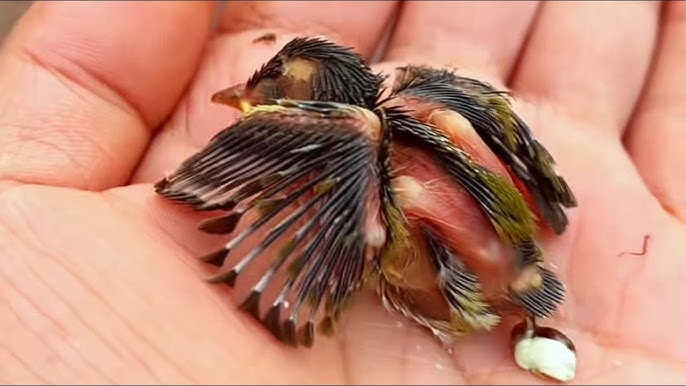
Have you ever found a baby bird with feathers and wondered what you should feed it? It’s natural to want to help, but feeding a young bird the wrong food can do more harm than good.
You want to give your feathered friend the right nutrients to grow strong and healthy. You’ll discover simple, safe, and effective feeding tips that anyone can follow. Keep reading to learn exactly what your baby bird needs to thrive and how you can make a real difference in its life.

Credit: www.youtube.com
Identifying Feathered Baby Birds
Identifying a baby bird with feathers helps determine its needs. Feathered baby birds look different from hatchlings. They are not fully grown but have some feathers for warmth and protection. Knowing the species and feather stage guides proper feeding and care.
Common Species With Early Feathers
Many baby birds show early feathers soon after hatching. Some common species include:
- Robins – have soft, fuzzy feathers early on
- Sparrows – develop small wing feathers quickly
- Blue Jays – show patchy feathers on the body
- Finches – start with downy feathers covering their skin
Recognizing these helps identify the bird and its care needs.
Signs Of Feather Development
Feather growth follows a clear pattern. Key signs include:
- Pinfeathers: tiny, tube-shaped feathers emerging
- Down feathers: soft, fluffy covering for warmth
- Wing and tail feathers: longer and more structured
- Color changes: feathers begin to show species colors
These signs show the baby bird is ready for more complex food.
Nutritional Needs Of Feathered Nestlings
Feathered nestlings have special nutritional needs for healthy growth. Their diet must support feather development, energy, and overall health. Feeding a baby bird with feathers means meeting these needs carefully. Proper nutrition helps them grow strong and prepare for life outside the nest.
Protein Requirements
Protein is vital for feathered nestlings. It supports muscle growth and feather formation. Baby birds need high-quality protein sources like insects, worms, or finely chopped meat. Protein helps repair tissues and build new cells. Without enough protein, growth slows and feathers may become weak.
Hydration Essentials
Water keeps nestlings hydrated and supports body functions. Birds get moisture from food and direct water intake. Wet foods like soaked dog kibble or fruits provide extra hydration. Avoid giving plain water directly to young birds unless advised. Proper hydration prevents dehydration and helps digestion.
Vitamins And Minerals
Vitamins and minerals ensure healthy bones, feathers, and immune systems. Important nutrients include calcium, vitamin A, and vitamin D. Calcium strengthens bones and beaks. Vitamin A helps skin and feather health. Offer a mix of natural foods and supplements if needed. Balanced vitamins and minerals promote strong, healthy growth.
Safe Foods For Baby Birds
Feeding a baby bird with feathers requires careful attention to what you offer. Safe foods provide the right nutrients to support their rapid growth and delicate digestive systems. Knowing which foods are both nutritious and gentle can make a huge difference in their health.
Insects And Worms
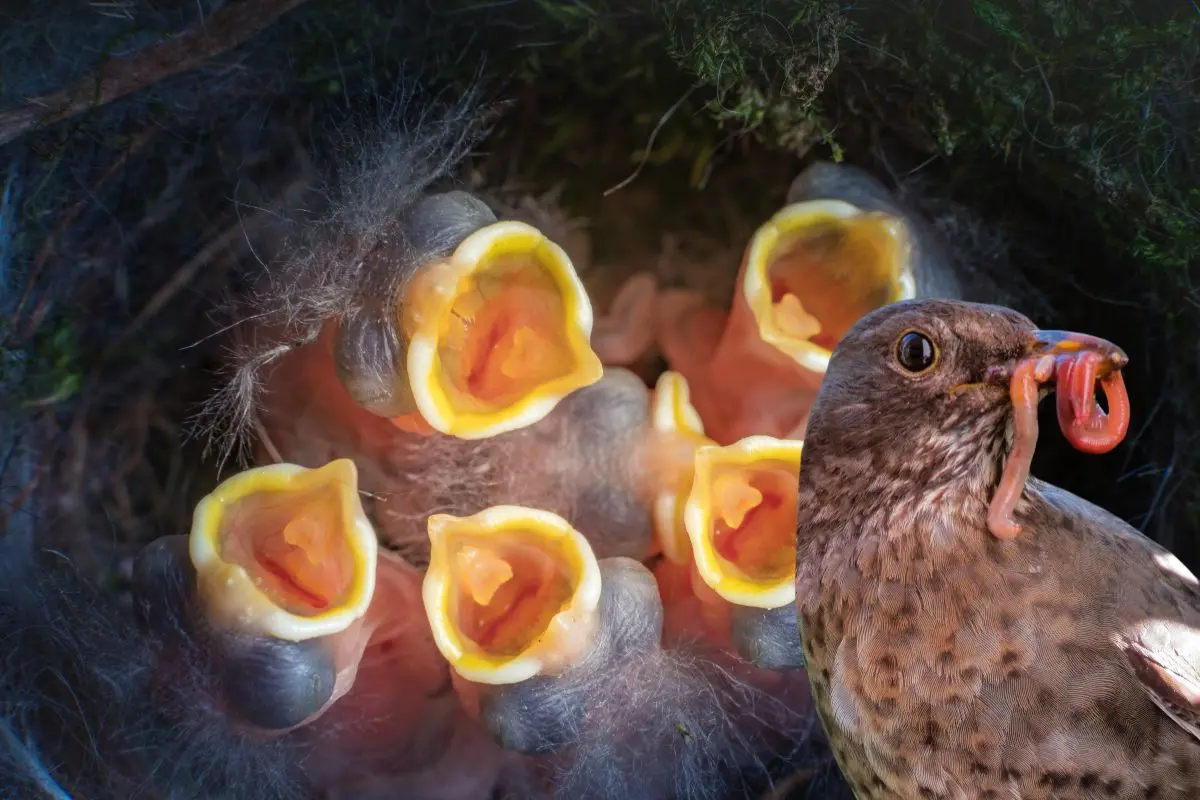
Baby birds naturally eat insects and worms, which are packed with protein and essential fats. Mealworms, crickets, and small caterpillars are excellent choices you can find at pet stores. Avoid wild insects unless you’re sure they haven’t been exposed to pesticides or pollutants.
Have you noticed how quickly a baby bird’s feathers develop? That’s a sign they need high-protein foods like these to build muscle and energy. Offering live insects can also encourage natural hunting instincts as they grow.
Soft Fruits And Vegetables
Soft fruits and vegetables add vitamins and hydration to a baby bird’s diet. Try finely chopped bananas, cooked carrots, or peas mashed to a smooth texture. These are gentle on their stomachs and help diversify their nutrient intake.
Be cautious with citrus fruits or anything acidic, as these can upset their digestion. Have you ever seen a baby bird eagerly peck at a piece of soft fruit? That simple act shows their readiness to try new foods, which is crucial for healthy development.
Specialized Bird Formulas
Specialized bird formulas are designed to meet the exact nutritional needs of growing birds. These powders mix with water to create a balanced, easily digestible meal. Many bird rehabilitators use them because they ensure no critical nutrient is missing.
If you find yourself caring for a baby bird, these formulas can be a lifesaver. They simplify feeding and reduce the guesswork, making sure your feathered friend gets the right nutrients every time.
Credit: besgroup.org
Foods To Avoid Feeding
Knowing what not to feed a baby bird with feathers is as important as knowing what to feed. Some foods can harm or even kill young birds. Avoid these foods to keep the baby bird healthy and safe.
Toxic Human Foods
Certain human foods are poisonous to birds. Avoid giving chocolate, caffeine, and alcohol. Onions and garlic can also cause serious health problems. Stay clear of avocado, as it contains toxins harmful to birds. Even small amounts can be dangerous.
Hard Seeds And Nuts
Hard seeds and nuts are difficult for baby birds to chew and digest. These can cause choking or block their digestive system. Wait until the bird grows older before introducing these foods. Soft seeds and small pieces are safer for young birds.
Processed Foods
Processed foods often contain salt, sugar, and additives. These ingredients can upset a baby bird’s stomach or cause illness. Avoid giving bread, crackers, chips, and other packaged snacks. Fresh, natural foods are the best choice for young birds.
Feeding Techniques For Young Birds
Feeding young birds with feathers needs care and patience. Their small size and delicate condition require special feeding techniques. Proper feeding helps their growth and health. It also supports their natural development.
Hand-feeding Tips
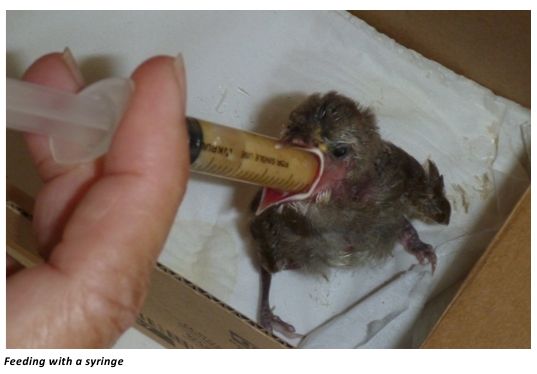
Use a small syringe or dropper for feeding. Warm the food to body temperature before feeding. Offer the food slowly to avoid choking. Hold the bird gently but firmly to keep it calm. Feed the bird in a quiet place to reduce stress. Watch the bird’s beak to guide the food inside. Stop feeding once the bird shows fullness signs.
Frequency And Portion Sizes
Feed young birds often, about every 20 to 30 minutes during the day. Reduce feeding frequency as the bird grows. Start with small amounts to prevent overfeeding. Increase portion size gradually to match growth needs. Keep meals light but nutritious to support energy. Avoid feeding too much at once to prevent health issues.
Maintaining Hygiene
Clean feeding tools after each use with warm soapy water. Sterilize syringes and droppers regularly to kill germs. Wash your hands before and after feeding the bird. Keep the bird’s living area clean and dry. Remove leftover food promptly to avoid bacteria. Prevent contamination to keep the bird healthy and safe.
Credit: wildbloo.com
When To Transition To Adult Diet
Transitioning a baby bird with feathers to an adult diet is an important step for its growth. This change supports their developing digestive system and prepares them for life outside the nest. Timing the transition right ensures the bird stays healthy and strong.
Signs Of Readiness
Look for clear signs that the baby bird is ready to eat adult food. These include:
- Fully grown feathers covering the body
- Interest in solid food around them
- Ability to perch steadily
- Begging less for food from parents or caregivers
These signs mean the bird’s digestive system can handle solid foods safely.
Gradual Diet Changes
Switch the baby bird’s diet slowly to avoid digestive upset. Start mixing small amounts of adult food with its usual diet.
- Use softened seeds or pellets mixed with formula
- Increase solid food portion little by little
- Monitor how the bird reacts to new foods
This slow change helps the bird adjust comfortably without stress.
Encouraging Independent Feeding
Encourage the baby bird to feed itself to build confidence and skills. Offer food in shallow dishes or trays.
- Place small bits of food near the bird
- Let the bird explore and peck at food freely
- Reward with gentle praise or attention
Patience is key. Independent feeding prepares the bird for a natural adult diet.
Seeking Professional Help
Finding a baby bird with feathers can feel like a call to action. You want to help, but feeding and caring for it might be more complex than you think. Knowing when to seek professional help can make a huge difference in the bird’s chances of survival and health.
When To Contact Wildlife Rehabilitators
If the baby bird seems weak, injured, or cold, you should contact a wildlife rehabilitator immediately. These experts have the skills and resources to provide the right care. Even if the bird looks healthy, a rehabilitator can assess if it truly needs help or if it’s better off with its parents.
Have you noticed the bird repeatedly begging for food or is it unresponsive? These signs often mean the bird needs professional attention. Wildlife rehabilitators also know local laws about handling wild birds, so reaching out to them keeps you within legal boundaries.
Veterinary Support For Baby Birds
Sometimes, a baby bird might have hidden injuries or illnesses that only a vet can diagnose. If you find a bird that appears sick, with unusual droppings or difficulty breathing, veterinary care is essential. A vet can provide treatments that you simply can’t at home.
Vets specializing in avian care understand the nutritional needs of young birds. They can recommend or provide special diets tailored to feathered babies. Have you ever tried to feed a bird and worried if it was getting the right nutrients? This is where professional guidance becomes invaluable.
Frequently Asked Questions
What Can Baby Birds With Feathers Eat Safely?
Baby birds with feathers can eat soft insects, soaked dog food, and finely chopped fruits. Avoid milk and bread.
How Often Should I Feed A Feathered Baby Bird?
Feed feathered baby birds every 1 to 3 hours during daylight. Consistency is vital for their growth.
Can I Feed A Baby Bird Bread Or Milk?
No, bread and milk can harm baby birds. These foods lack necessary nutrients and can cause digestive issues.
Is It Safe To Give Baby Birds Boiled Egg?
Yes, finely mashed boiled egg provides protein and is safe. Ensure it is plain without seasoning.
Conclusion
Feeding a baby bird with feathers requires care and attention. Choose nutritious options like soft fruits, seeds, and worms. These foods support their growth and health. Avoid feeding them bread or milk. Such foods can harm their delicate systems. Always ensure the food is fresh and clean.
Offer water carefully to avoid choking. Observe the bird’s reactions to different foods. This helps identify what it likes and tolerates. Remember, patience and gentleness are key. Support their journey to becoming strong, healthy birds. You can make a difference in their lives with the right choices.