
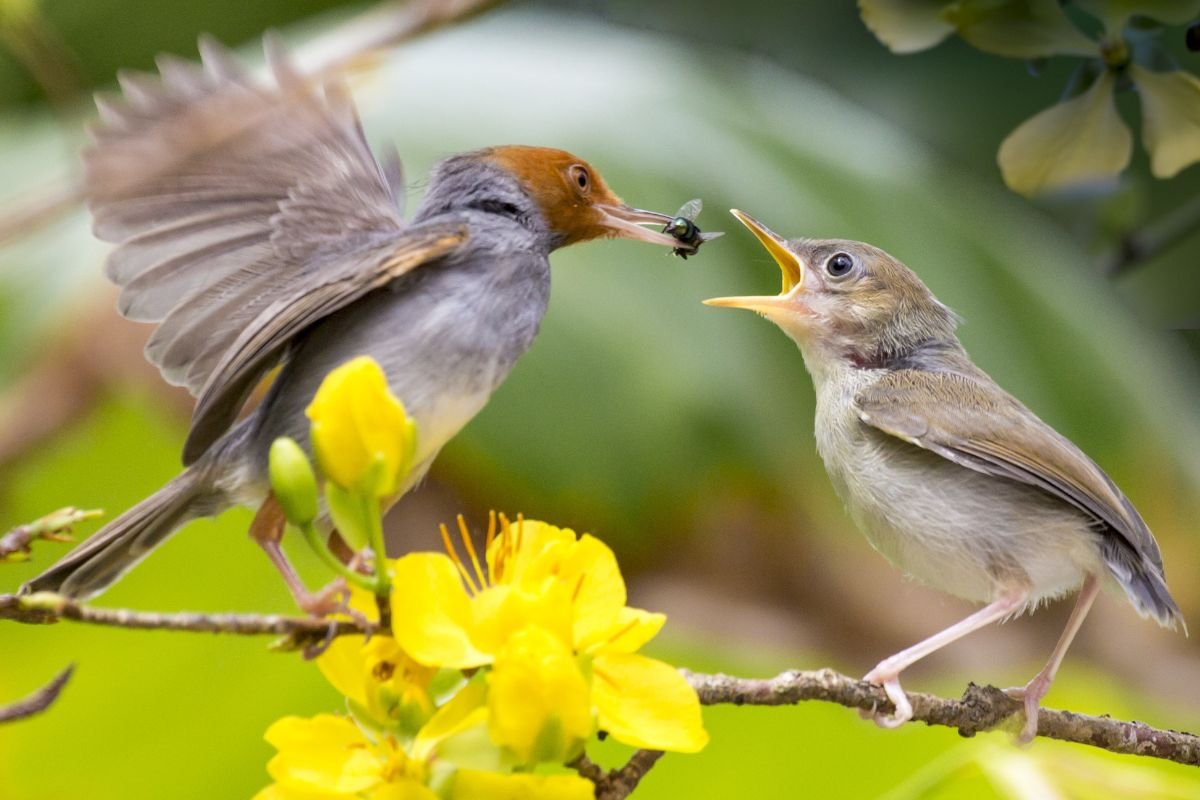
Have you ever wondered what wild birds feed their babies? If you watch a bird’s nest closely, you might see parents bringing food back again and again.
But what exactly are they feeding those tiny, hungry mouths? Understanding what wild baby birds eat can surprise you and deepen your connection with nature. Keep reading, and you’ll discover the fascinating world of bird parents and their clever feeding habits.
This knowledge might even change the way you see the birds in your own backyard.
Bird Feeding Basics
Understanding how wild birds feed their babies helps us appreciate their care and survival skills. Bird feeding basics reveal how parents provide the right food at the right time. This care ensures young birds grow strong and healthy.
Parental Roles In Feeding
Both bird parents often share feeding duties. One parent might gather food while the other guards the nest. Some species have only the mother feeding the chicks. Fathers in other species also bring food regularly. Each bird family has unique roles that suit their lifestyle.
Feeding Frequency And Timing
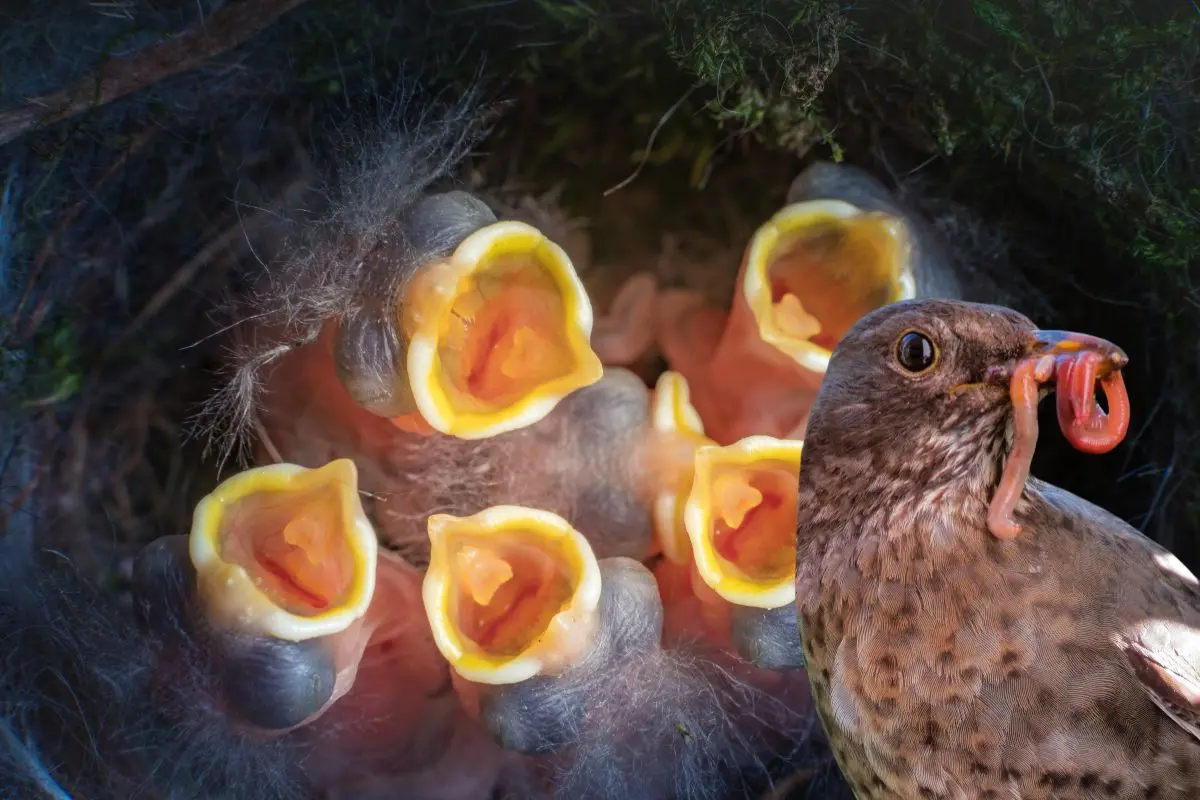
Baby birds need food many times a day. Parents feed chicks every 10 to 20 minutes. Feeding starts early in the morning and continues until dusk. As chicks grow, feeding frequency may change. Parents adjust feeding to keep babies well-nourished and safe.
Credit: wildbloo.com
Common Foods For Baby Birds
Baby birds rely on a diet that supports their rapid growth and development. Their parents carefully select foods that are rich in nutrients, easy to digest, and suited to their species. Understanding what wild birds feed their babies can help you appreciate the care these parents provide and even aid in helping injured or orphaned chicks if you ever come across one.
Insects And Larvae
Many baby birds depend heavily on insects and larvae for protein. These tiny creatures provide essential nutrients that fuel muscle and feather growth. You might notice parent birds bringing caterpillars, beetles, or spiders straight to the nest.
If you watch closely, you’ll see how some species choose soft-bodied insects that are easier for chicks to swallow. Could you imagine the difference in growth if the babies only ate seeds instead? The answer lies in protein content and digestibility.
Regurgitated Food
Parent birds often feed their young by partially digesting food and then regurgitating it. This process makes the food softer and easier for fragile baby birds to handle. It’s a fascinating example of nature’s way of ensuring the survival of the next generation.
Not all birds use this method, but those that do—like pigeons and some seabirds—offer a nutritious mash that meets the chicks’ needs. Have you ever seen a parent bird gently feeding its chick this way? It’s a tender moment that highlights the bond between parent and offspring.
Seeds And Fruits
Some baby birds eat seeds and fruits, especially species like finches and thrushes. These foods provide energy and vitamins but are usually mixed with softer items or softened by parents. Seeds are often cracked open or soaked to make them easier to digest.
Fruits, rich in natural sugars and moisture, help keep the chicks hydrated and energized. If you want to help feed baby birds, offering a variety of small, soft fruits or ground seeds can be beneficial. Have you noticed how certain birds change their feeding habits depending on the season and food availability?
Diet Variations By Species
Wild birds feed their babies with diets that vary significantly across species. These differences reflect each species’ unique environment, hunting skills, and nutritional needs of their chicks. Understanding these variations can help you appreciate the fascinating adaptability of nature and might even inspire how you support local bird populations.
Songbirds’ Preferences
Songbird parents mostly feed their chicks insects and soft-bodied larvae. These protein-rich foods help the young birds grow strong quickly. Sometimes, parents also add small seeds or fruit bits to the diet as the chicks get older.
If you’ve watched a robin or sparrow nest, you might notice adults making dozens of quick trips to gather caterpillars or beetle larvae. This rapid feeding keeps the chicks active and healthy during their critical growth phase.
Waterfowl Feeding Habits
Waterfowl like ducks and geese have a different approach. Their chicks often feed themselves soon after hatching but still rely on parents to guide them to safe feeding spots. The diet includes aquatic plants, small insects, and tiny fish.
When you see ducklings following their mother across a pond, she’s leading them to areas rich in water insects and vegetation. This diet helps the chicks develop waterproof feathers and grow strong for future migrations.
Raptors’ Diet For Chicks
Raptors such as hawks and owls feed their chicks mainly with meat. Parents hunt small mammals, birds, or reptiles and tear the prey into manageable pieces. This high-protein diet supports rapid growth and sharpens the chicks’ hunting instincts early on.
Have you ever seen a hawk delivering a mouse to its nest? That meal is a lifeline for the young raptors, giving them energy to develop their powerful muscles and keen eyesight essential for survival.

Credit: m.youtube.com
Nutritional Needs Of Nestlings
Nestlings need special care through their diet. Their bodies grow fast and require many nutrients. Parents feed them with foods rich in energy and nutrition. Understanding these needs helps us see why wild birds choose certain foods for their babies.
Protein Importance
Protein helps build muscles and tissues. Nestlings need more protein than adult birds. Insects and worms provide high protein. Birds often bring these to the nest. Protein supports strong bones and feathers too.
Hydration Sources
Water keeps nestlings alive and active. They get water mainly from their food. Juicy insects and soft fruits offer hydration. Parents avoid dry food for babies. Hydration helps in digestion and body functions.
Growth-boosting Nutrients
Vitamins and minerals speed up growth. Calcium helps build strong bones. Vitamin A improves vision and skin. Iron supports healthy blood. Nestlings get these nutrients from diverse foods. A mix of insects, fruits, and seeds covers all needs.
How Environment Influences Diet
The environment plays a crucial role in shaping what wild birds feed their babies. The availability of food sources changes with the seasons, the type of habitat, and even human activity around. Understanding these factors helps you appreciate how adaptable and resourceful parent birds are in ensuring their chicks get the right nutrition.
Seasonal Food Availability
Food sources for baby birds vary widely with the seasons. In spring and early summer, insects are abundant, providing a protein-rich diet essential for growing chicks. As autumn approaches, berries and seeds become more common, shifting the diet accordingly.
Have you noticed how bird feeders fill with different types of seeds in different months? This natural change in diet reflects what wild birds do to meet their babies’ nutritional needs throughout the year.
Habitat Impact On Diet
The type of habitat—whether forest, wetland, or urban area—directly affects what food is available for baby birds. Forest-dwelling species often feed their young caterpillars and other insects found on trees. Wetland birds might rely more on aquatic insects and small fish.
Urban birds, on the other hand, may have access to human scraps or bird feeders, but this can sometimes lead to less balanced diets for their babies. Observing your local birds can reveal how their environment shapes their feeding habits.
Human Influence On Feeding
Human activity can both help and hinder what wild birds feed their babies. Bird feeders can provide easy access to seeds and suet, especially in winter when natural food is scarce. However, feeding birds inappropriate foods like bread can harm chicks’ health.
Think about the last time you put out a bird feeder. Did you choose foods that support the natural diet of baby birds? Offering the right kinds of food encourages healthy growth and supports local bird populations effectively.
Surprising Feeding Behaviors
Watching wild birds feed their babies reveals some truly surprising behaviors. These moments show how nature balances competition, resourcefulness, and care in ways you might not expect. Understanding these feeding habits can change how you see the natural world around you.
Food Sharing Among Siblings
It’s easy to assume that baby birds always compete fiercely for food, but many species actually share. Sibling birds sometimes pass food to one another, especially when one is weaker or smaller. This sharing boosts the chances of survival for the whole brood.
In some cases, siblings even take turns feeding or help each other reach food brought by the parents. Have you ever noticed a fledgling gently nudging another to get a bite? This shows cooperation rather than just competition.
Unusual Food Choices
Wild bird parents don’t always stick to what we expect. Some feed their babies surprising items like small fish, spider eggs, or even tiny amphibians. These unusual choices often depend on what’s available in their environment.
For example, cliff swallows sometimes bring back insects trapped in mud, which might seem odd but provides essential nutrients. What unexpected foods have you seen birds offer their chicks in your area?
Adaptive Feeding Strategies
Bird parents adapt their feeding techniques based on their surroundings and their babies’ needs. During scarce food periods, some birds switch from insects to seeds or fruit to ensure their chicks get enough energy.
Others change how they deliver food, such as regurgitating it to make it easier to swallow or hiding food to prevent theft. This flexibility is key to survival in a changing environment and shows how smart wild birds really are.
Feeding Challenges And Risks
Feeding wild bird babies is not easy. Parents face many challenges while gathering food. These challenges can affect the survival of the chicks. Understanding these risks helps us appreciate the struggles of wild birds.
Predation During Feeding
Parents must be careful while feeding their chicks. Predators watch for moments when birds bring food. This makes feeding times very dangerous. Birds often feed quickly to avoid attacks. Some species use distraction techniques to protect their young. Despite these efforts, many chicks fall prey to predators.
Food Scarcity Effects
Food is not always easy to find. Weather and seasons affect the availability of insects and seeds. When food is scarce, parents struggle to feed their babies enough. Chicks may grow slowly or become weak. Some may not survive if parents cannot find enough food. This scarcity forces birds to work harder or travel farther.
Impact Of Pollution
Pollution harms the food supply for wild birds. Chemicals can poison insects and plants birds eat. Polluted water affects fish and amphibians, common food for some birds. Birds may feed their chicks contaminated food unknowingly. This lowers chick health and survival chances. Pollution also destroys natural habitats, reducing food sources.

Credit: www.discovermagazine.com
Frequently Asked Questions
What Do Wild Birds Feed Their Babies Initially?
Wild birds typically feed their babies soft, easily digestible food like insects, worms, or regurgitated seeds. This provides essential nutrients for rapid growth and development during the early stages of life.
How Do Parent Birds Find Food For Their Chicks?
Parent birds forage nearby, choosing protein-rich insects, larvae, or soft fruits. They prioritize fresh, nutrient-dense food to ensure their chicks grow healthy and strong.
Do All Wild Birds Feed Their Babies The Same Food?
No, food varies by species and habitat. Insectivorous birds feed insects, while seed-eaters provide softened seeds or regurgitated food to their chicks.
How Often Do Wild Birds Feed Their Babies Daily?
Parent birds feed their chicks frequently, often every 15 to 30 minutes. Frequent feeding ensures the babies receive enough energy to grow quickly and stay warm.
Conclusion
Wild birds are amazing parents. They know just what their babies need. Different birds feed their chicks different foods. Insects, seeds, and fruits are common choices. These foods provide essential nutrients. Baby birds grow strong and healthy with this diet.
Observing them teaches us about nature’s balance. Respect their space and enjoy the beauty they bring. Understanding their feeding habits helps us appreciate wildlife more. So next time you see a bird, think about its role in nature. And remember, every bird plays a part in our world.