
Have you ever set up more than one bird feeder in your yard, only to notice the birds flocking to one and ignoring the others? It can be puzzling to see your feathered visitors choose one feeder over another.
But there’s a simple reason behind their preferences, and understanding it can help you attract more birds to your garden. You’ll discover the secrets that make one feeder more appealing than the rest—and how you can use this knowledge to create the perfect bird-friendly space.
Keep reading to unlock the key to happier, more frequent bird visits!
Feeder Location Matters
Feeder location plays a crucial role in attracting birds. If you’ve ever wondered why some feeders stay full while others go untouched, the answer often lies in where you place them. Birds look for safe, comfortable spots that meet their natural needs before they decide to visit.
Safe Spots Attract Birds
Birds are always on alert for predators, so they prefer feeders placed near places they can quickly hide. Trees or thick bushes nearby give them a sense of security. Without a nearby escape route, many birds won’t risk visiting your feeder, no matter how tasty the food is.
I once placed a feeder in an open yard with no nearby cover. It stayed empty for weeks until I moved it closer to a dense shrub. Almost immediately, birds started visiting daily. This shows how important safety is to them.
Sunlight And Shade Effects
The amount of sunlight your feeder receives can affect bird visits. Some species enjoy basking in the sun, while others prefer shaded areas to avoid overheating. Ideally, place feeders where they receive morning sun and afternoon shade to keep birds comfortable throughout the day.
Too much direct sun can spoil seeds quickly and make birds hesitant to stay long. On the other hand, full shade might keep the area cooler but could reduce visibility, making birds less likely to spot the feeder. Finding the right balance is key.
Proximity To Shelter
Birds prefer feeders near natural shelter like trees, shrubs, or even structures. Shelter provides protection from harsh weather and predators. Feeders too far from cover can feel risky, reducing bird visits.
- Place feeders within 10-15 feet of dense foliage or branches.
- Ensure there are perching spots nearby where birds can rest.
- Avoid placing feeders too close to heavy foot traffic or noisy areas.
Have you noticed birds disappear when you suddenly add a new feeder far from any shelter? Their behavior highlights the importance of proximity to safe spots. Try moving your feeder closer to natural cover and watch how it changes the activity.

Credit: www.allaboutbirds.org
Feeder Design And Style
Feeder design and style play a huge role in attracting birds to your garden. Birds are selective creatures, and the shape, size, and color of a feeder can make all the difference. Understanding these preferences can help you create a welcoming spot that encourages birds to visit regularly.
Open Vs. Covered Feeders
Open feeders offer easy access to seeds, making them appealing to many bird species. However, covered feeders provide shelter from rain and protect seeds from spoiling. Have you noticed that birds often prefer feeders that shield their food? Covered designs can also make birds feel safer while feeding, especially in windy or wet conditions.
Perch Comfort And Size
Perches need to be just right for birds to land and feed comfortably. Too small, and birds struggle to grip; too large, and smaller birds feel vulnerable. A feeder with varied perch sizes can invite different species. I once switched to a feeder with wider perches, and it attracted several new birds that hadn’t visited before.
Color Preferences
Birds are attracted to certain colors more than others. Red and yellow feeders tend to draw in hummingbirds and finches, while blue and green may blend into the background and attract fewer visitors. Bright colors can help your feeder stand out but think about the environment too—does the feeder’s color make it easy or hard for birds to spot?
Seed Type And Quality
Seed type and quality play a major role in attracting birds to a feeder. Different bird species prefer certain seeds over others. The freshness of the seed also affects their choice. Birds avoid feeders with old or moldy seeds. Clean, high-quality seeds encourage regular visits from a variety of birds. Knowing what seeds to offer can make your feeder a favorite spot in the neighborhood.
Favorite Seeds For Different Birds
Birds have clear seed preferences. Here are some common favorites:
- Sunflower seeds:Loved by cardinals, chickadees, and finches.
- Nyjer (thistle) seeds:Attracts goldfinches and siskins.
- Millet:Favored by sparrows, doves, and juncos.
- Safflower seeds:Preferred by cardinals and grosbeaks but less by squirrels.
Offering the right seed mix can bring a variety of birds to your feeder.
Freshness And Cleanliness
Fresh seeds smell clean and look vibrant. Old seeds lose nutrients and taste dull. Birds can sense this and often avoid stale seed. Clean feeders with fresh seed attract more birds. Remove seed hulls and debris regularly. This keeps feeders inviting and healthy for birds.
Avoiding Moldy Or Old Seeds
Moldy seeds can harm birds and cause illness. Seeds stored too long may grow mold or fungus. Wet or damp seed clumps often develop mold quickly. Always check seed before filling your feeder. Discard any seeds that look dusty, discolored, or smell musty. Safe seed means happy, healthy birds at your feeder.
Feeder Maintenance
Birds choose feeders not just by design but by how well they are cared for. Feeder maintenance plays a big role in attracting birds. A clean and well-stocked feeder invites birds to visit often. Neglecting maintenance can drive birds away and cause health issues.
Regular Cleaning Importance
Cleaning feeders regularly removes dirt and old food. This keeps seeds fresh and safe to eat. Dirty feeders can grow mold and bacteria. Birds avoid feeders that smell bad or look dirty. Clean feeders also last longer and work better.
Preventing Disease Spread
Birds share feeders, so germs can spread quickly. Regular cleaning stops diseases from spreading among birds. Using mild soap and water kills harmful germs. Rinsing well prevents soap residue that can harm birds. Healthy birds come back more often to safe feeders.
Refilling Frequency
Fresh food attracts more birds than stale food. Check feeders daily in busy seasons. Refill before food runs out completely. Overfilled feeders can waste seeds and attract pests. Balanced refilling keeps birds happy and coming back.
Environmental Factors
Birds don’t choose feeders randomly; their preferences often hinge on the environment around them. Understanding the environmental factors can help you create a feeding spot that feels safe and inviting. Let’s look at how weather, predators, and competition shape their choices.
Weather Impact On Feeding
Weather plays a big role in where birds decide to eat. On windy or rainy days, feeders that offer shelter or are placed near trees and shrubs tend to attract more visitors. Birds seek spots where they can feed comfortably without battling harsh elements.
If your feeder is too exposed, birds might avoid it during bad weather. Have you noticed how your backyard birds flock to feeders under eaves or near bushes when the weather turns rough? Providing a bit of cover can make a huge difference.
Nearby Predators Influence
Birds are constantly on alert for predators like cats, hawks, or even neighborhood dogs. Feeders placed in open areas with little cover might seem risky to them. They prefer feeders near shrubs or trees where they can quickly hide if danger approaches.
Think about your own yard—does the presence of a prowling cat reduce how often birds visit certain feeders? Positioning feeders where birds can spot threats and dart to safety encourages more frequent visits.
Competition Among Birds
Not all birds get along, and some species dominate feeding spots. If a feeder attracts aggressive birds, smaller or shy species might avoid it. Offering multiple feeders spaced apart helps reduce tension and gives all birds a chance to feed.
Have you ever observed a bold bird chasing others away? Providing a variety of feeders with different seed types and locations can balance the competition. This approach invites a broader mix of feathered friends to your yard.

Credit: www.allaboutbirds.org
Behavioral Patterns
Birds show distinct behavioral patterns that influence which feeder they prefer. Understanding these patterns can help you create an inviting space that attracts a variety of birds. Let’s look closely at how territorial habits, feeding times, and learning affect their choices.
Territorial Habits
Birds often claim specific feeding spots as their territory. Some species, like chickadees and sparrows, guard their favorite feeders from others. If you notice one bird dominating a feeder, it might be because that spot offers safety or a reliable food source.
You can try placing multiple feeders apart to reduce conflicts. This allows shy or smaller birds to feed without stress. Have you ever seen a bird chase another away from a feeder? That’s territorial behavior in action.
Feeding Times And Schedules
Birds follow daily routines that affect when they visit feeders. Many birds feed early in the morning and late in the afternoon. If your feeder is empty during these times, they might skip it altogether.
Keeping your feeder stocked during peak hours can make a big difference. Also, different species feed at different times, so varying your feeding schedule may attract more variety. Have you tried observing your feeder at different times of day to spot patterns?
Learning And Habituation
Birds learn quickly which feeders provide the best food and safety. Once they find a reliable feeder, they return repeatedly. Over time, birds can become habituated to a feeder’s location and type of food.
Changing feeder placement or food type suddenly can confuse them. Gradual changes help birds adapt without losing interest. Think about how you’d react if your favorite restaurant moved without notice—birds feel the same way.
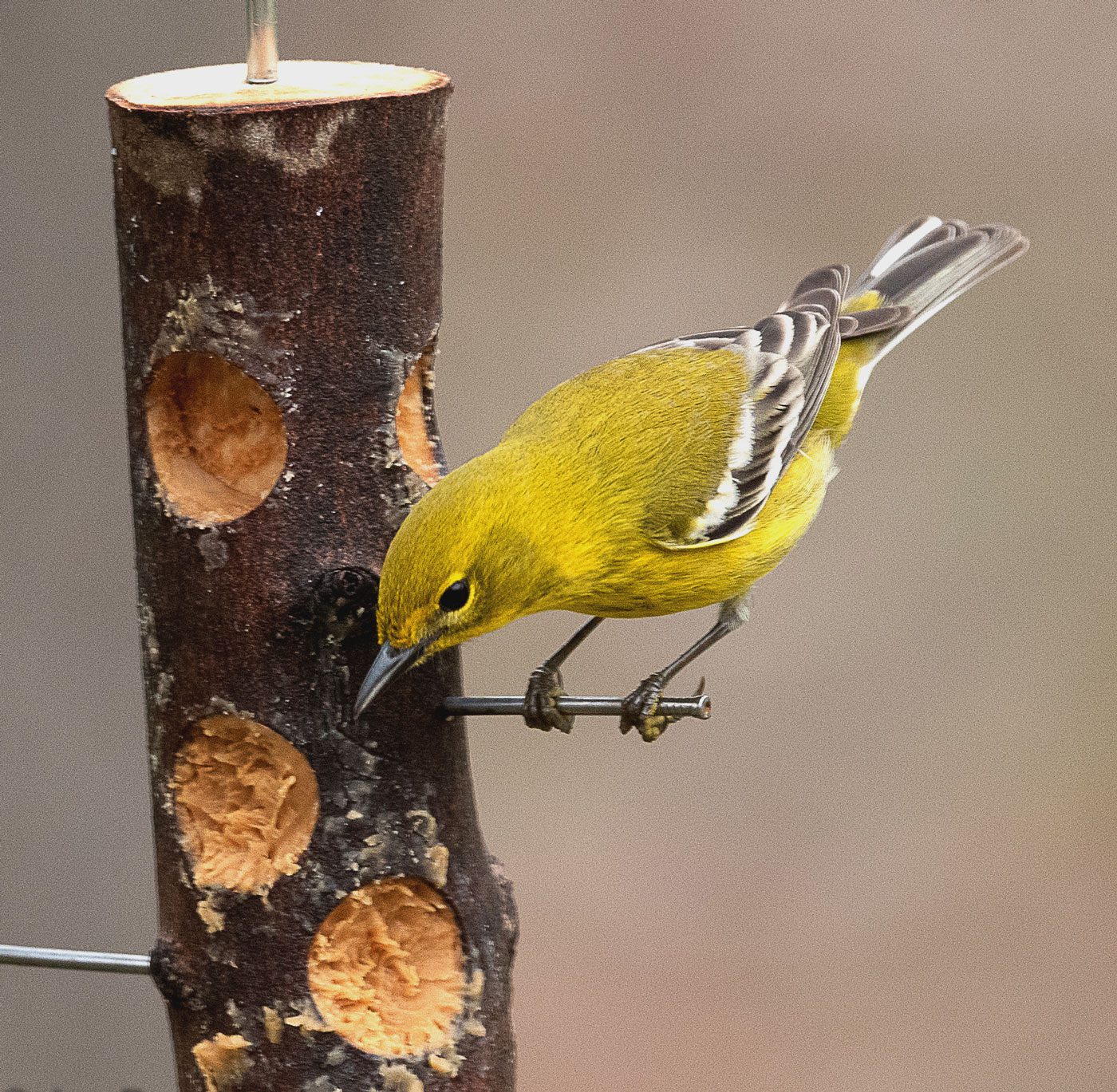
Credit: www.allaboutbirds.org
Frequently Asked Questions
Why Do Birds Prefer Certain Feeder Types?
Birds choose feeders based on food type, feeder design, and safety. Some species favor tube feeders, while others prefer platform or suet feeders. The feeder’s location and cleanliness also influence bird preference, making some feeders more attractive than others.
How Does Feeder Placement Affect Bird Visits?
Feeder placement impacts bird safety and accessibility. Birds prefer feeders near natural cover like trees or shrubs for quick escape. Avoiding busy areas and predators helps birds feel secure, encouraging frequent visits and longer feeding times.
What Role Does Food Type Play In Feeder Choice?
Birds select feeders based on the food offered. Different species prefer seeds, suet, nectar, or fruit. Providing the right food attracts specific birds and increases feeder popularity, making food type a key factor in feeder preference.
Can Feeder Color Influence Bird Attraction?
Yes, feeder color can attract or deter birds. Bright colors like red and yellow often lure hummingbirds and orioles. Neutral colors blend with surroundings, making birds feel safer. Choosing the right color enhances feeder appeal.
Conclusion
Birds have preferences for feeders based on several factors. Color, location, and food type play key roles. Birds choose feeders that feel safe and accessible. They also favor feeders with their preferred seeds. Observing these preferences can enhance your birdwatching experience.
Adjusting your feeder setup can attract more birds. Experiment with different designs and placements. Notice which feeders get more visitors. This understanding enriches your connection with nature. Happy birdwatching!