
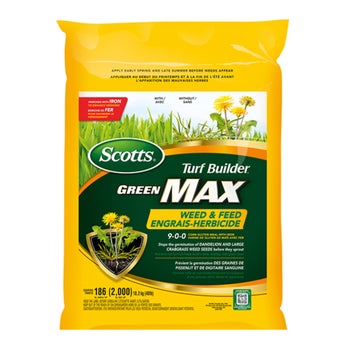
Are you worried that using Scotts Weed and Feed might harm the birds visiting your yard? You’re not alone.
Many people want a beautiful lawn but also care deeply about the little creatures that make their garden lively. What if you could keep your grass green and your feathered friends safe at the same time? You’ll discover the truth about Scotts Weed and Feed and its impact on birds.
Keep reading to learn how to protect your lawn without putting wildlife at risk.
Scotts Weed And Feed Ingredients
Understanding the ingredients in Scotts Weed and Feed is key to knowing how it might affect birds in your yard. This product combines weed killers and fertilizers designed to keep your lawn green and free of weeds. But some of these chemicals can have unintended effects on local wildlife, especially birds that often forage on the grass.
Active Chemicals Used
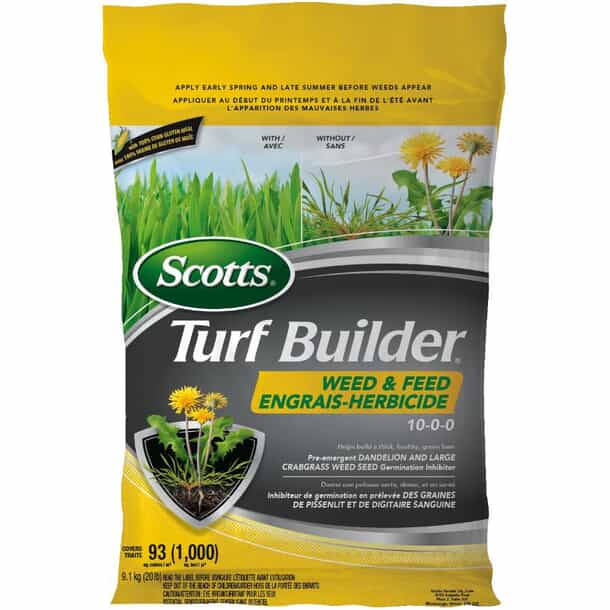
Scotts Weed and Feed typically contains a mix of herbicides and fertilizers. The primary weed-killing agents are usually 2,4-D, dicamba, and sometimes mecoprop. These chemicals target broadleaf weeds without harming grass.
Alongside these herbicides, the fertilizer part often includes nitrogen, phosphorus, and potassium. These nutrients help your lawn grow lush and healthy but do not directly harm birds. However, the combination with herbicides is where caution is needed.
Potential Toxicity Levels
Are the herbicides in Scotts Weed and Feed dangerous to birds? The truth is, many birds are quite sensitive to chemicals like 2,4-D, especially if they ingest treated grass or insects. While direct poisoning is rare, exposure can cause mild to moderate health issues in birds.
For example, birds might experience irritation in their digestive system or changes in behavior due to these chemicals. The risk increases if you apply the product heavily or during the birds’ active feeding times. It’s worth asking yourself: could you adjust your application schedule to protect your feathered friends?
Credit: www.coryslawnservice.com
How Birds Are Exposed
Birds can come into contact with Scotts Weed and Feed in different ways. Understanding these exposure routes helps reveal the risks they face. Birds often interact closely with lawns and gardens where this product is used. Their natural behavior can lead to unexpected contact with chemicals.
Direct Contact Risks
Birds may walk or land on treated grass soon after application. Residue on grass blades can stick to their feathers and feet. This contact can cause skin irritation or poisoning. Some birds preen their feathers, which may transfer chemicals to their bodies. Young birds on the ground are especially vulnerable to direct exposure. Rain or watering can wash chemicals into soil, where ground-feeding birds forage.
Ingesting Treated Grass Or Seeds
Birds often eat grass seeds or small insects found on lawns. Treated seeds or insects may contain harmful chemicals. Consuming these can lead to digestive issues or poisoning. Lawn treatments may also cause seeds to absorb chemicals. Birds that eat these seeds ingest toxins unknowingly. This risk is higher shortly after weed and feed application.
Scientific Studies On Bird Safety
Scientific studies on bird safety explore the effects of Scotts Weed and Feed on bird populations. Researchers aim to understand whether these products harm birds directly or indirectly. These studies analyze bird behavior, health, and survival after exposure to treated lawns. Evidence from various experiments helps inform gardeners and homeowners about safe lawn care practices.
Research Findings
Studies show mixed results regarding Scotts Weed and Feed impact on birds. Some experiments found no immediate harm to adult birds after exposure. Others noted that chemicals could affect bird reproduction and chick survival. Toxicity depends on product ingredients and concentration levels. Birds ingest chemicals mainly through treated seeds, insects, or water. Research also highlights that certain bird species are more sensitive than others.
Limitations And Gaps
Many studies focus on short-term effects and adult birds only. Long-term impacts on bird populations remain unclear. Research often lacks data on how chemicals affect bird habitats and food sources. Few studies examine the combined effects of multiple lawn chemicals. More research is needed on different bird species and their unique vulnerabilities. These gaps make it hard to draw firm conclusions about safety.
Bird Species Most At Risk
Bird species face different risks from Scotts Weed and Feed products. Some birds are more sensitive to chemicals and fertilizers. These substances can harm their health or reduce their food supply. Understanding which birds are most at risk helps protect local wildlife.
Commonly Affected Birds
- Songbirds such as sparrows and finches are vulnerable.
- Ground feeders like robins often come into contact with treated areas.
- Waterfowl may be exposed if chemicals run off into ponds.
- Birds with sensitive digestive systems can suffer from ingestion of toxins.
Vulnerable Bird Habitats
Lawns and gardens where weed and feed is applied are common risk zones. These areas attract many small birds looking for seeds and insects.
Wetlands and ponds near treated yards face chemical runoff, affecting aquatic birds. Nesting sites close to treated grass also expose young birds to harmful substances.
Urban parks with frequent weed control can reduce natural food sources, impacting bird populations.
Safe Application Tips
Applying Scotts Weed and Feed safely is crucial to protect the birds visiting your yard. Birds are sensitive to many chemicals, and improper use of lawn products can harm them directly or indirectly. Understanding how and when to apply these treatments can make a big difference in keeping your outdoor space safe for all wildlife.
Timing To Minimize Bird Exposure
Apply weed and feed products during times when birds are less active in your yard. Early morning or late evening applications reduce the chance that birds will come into contact with fresh granules or treated grass. Avoid windy days to prevent granules from scattering onto bird feeders or nests nearby.
After applying, keep birds away from the treated area for at least 24 to 48 hours. You might notice more birds visiting your lawn during feeding times—have you considered adjusting your application schedule to avoid these peak hours? This simple change can help prevent accidental ingestion of harmful chemicals.
Alternative Products To Consider
If you’re concerned about bird safety, look for weed and feed options labeled as pet- and wildlife-friendly. Organic or natural lawn care products often use ingredients that break down faster and pose less risk to birds. These alternatives might require more frequent applications but can help maintain a healthy lawn without endangering wildlife.
You could also try spot treatments instead of blanket applications. Targeting specific weed patches reduces the amount of chemical used and limits exposure for birds and other animals. Have you tried combining natural methods like hand-pulling weeds with safer lawn feeds? This approach can be effective and eco-friendly.
Signs Of Harm In Birds
Noticing signs of harm in birds after using Scotts Weed and Feed is crucial to protect the wildlife around your home. Birds might not show obvious distress immediately, so you need to watch carefully for subtle changes. Identifying these signs early can help you take action before the damage becomes severe.
Behavioral Changes
Birds affected by chemicals like Scotts Weed and Feed often act differently. You might see them avoiding areas they used to visit regularly, like your garden or lawn. Some birds might become unusually quiet or stop singing altogether.
Another common sign is disorientation. Birds may fly awkwardly, bump into windows, or have trouble perching. Have you ever noticed a bird struggling to stay balanced or flying in circles? These are red flags that something is wrong.
Changes in feeding habits also stand out. Birds that normally eat seeds or insects might stop eating or show less interest in food. If you see this behavior, it could mean they’ve ingested something harmful.
Physical Symptoms
Physical signs of harm can be more visible and alarming. Look for ruffled feathers that don’t smooth out, which can indicate stress or illness. Birds may also appear lethargic, moving slowly or resting more than usual.
Watch for unusual droppings, which can signal internal distress. Swelling around the eyes or beak, labored breathing, or visible wounds are serious symptoms that need immediate attention. Have you ever seen a bird with swollen eyes or struggling to breathe? These symptoms are often linked to chemical exposure.
If you spot any of these signs, consider contacting a local wildlife rehabilitator. Your quick response could save a bird’s life.
Protecting Birds While Maintaining Lawns
Balancing a healthy lawn with the safety of local bird populations can feel tricky. You want your yard to look great without causing harm to the wildlife that visits. Protecting birds while maintaining lawns means making choices that keep both your grass green and the birds safe.
Natural Lawn Care Methods
Switching to natural lawn care can reduce risks to birds. Avoid chemical weed and feed products that contain harmful pesticides or fertilizers. Instead, use organic compost and natural weed control like vinegar or corn gluten meal.
Regular mowing and watering can keep your lawn healthy without chemicals. Healthy grass competes better with weeds, lowering the need for treatments. Have you tried letting clover grow in patches? It improves soil health and provides nectar for pollinators without hurting birds.
Creating Bird-friendly Spaces
You can design your yard to be a safe haven for birds while maintaining a neat lawn. Add native plants, shrubs, and trees where birds can find shelter and food. Bird feeders and water baths placed away from treated lawn areas help keep birds safe and happy.
Think about leaving a small wildflower patch or a brush pile. These spots invite insects and seeds that attract birds naturally. How might your lawn change if you included these bird-friendly elements? It’s a small shift that makes a big difference.
Credit: www.homehardware.ca

Credit: www.costco.com
Frequently Asked Questions
Does Scotts Weed And Feed Harm Birds Directly?
Scotts Weed and Feed can harm birds if ingested. The chemicals may cause poisoning or digestive issues. Birds eating treated grass or seeds may be at risk. It’s best to keep pets and wildlife away during and shortly after application.
Can Birds Get Sick From Scotts Weed And Feed?
Yes, birds can get sick from exposure to Scotts Weed and Feed. The herbicides and fertilizers contain chemicals toxic to birds. Symptoms include lethargy, vomiting, and weakness. Avoid applying the product when birds are feeding nearby to reduce risks.
How Long Should I Keep Birds Away After Application?
Keep birds away for at least 24 to 48 hours after applying Scotts Weed and Feed. This allows chemicals to absorb and reduces ingestion risks. Avoid watering or disturbing the lawn during this period to protect wildlife safety.
Is Scotts Weed And Feed Safe For Bird-friendly Lawns?
Scotts Weed and Feed is not ideal for bird-friendly lawns. The chemicals can harm beneficial insects and birds. Consider organic or bird-safe alternatives to protect your lawn and local wildlife effectively.
Conclusion
Scotts Weed and Feed can affect birds if they eat treated grass or insects. Birds may face health risks from chemicals in the product. Always follow the label instructions carefully to reduce harm. Consider using bird-safe lawn care options for better protection.
Protecting birds helps keep your yard healthy and balanced. Small steps can make a big difference for wildlife around you. Stay informed and choose products wisely to keep birds safe.