

Have you ever wondered how birds manage to find the perfect mate? It’s not just luck or chance—birds use special behaviors that help them stand out and attract partners.
Understanding these fascinating actions can change the way you see nature and even inspire you in your own relationships. You’ll discover the surprising and clever ways birds communicate, show off, and connect to find their match. Keep reading, and you’ll unlock secrets that make the bird world come alive right before your eyes.
Courtship Displays
Birds use bright feathers, songs, and dances to attract mates. These courtship displays show health and strength, helping them find partners. Such behaviors are key to successful mating in many bird species.
Courtship displays play a crucial role in bird mating rituals. These displays include visual signals, vocalizations, and dance movements. Each behavior communicates a message to potential mates. Let’s explore these fascinating behaviors.Visual Signals
Birds use vibrant colors to attract mates. Bright feathers catch the eye, signaling health and vitality. Some birds use physical postures to enhance their appeal. A peacock’s tail fan is a famous example. It shows off size and symmetry, enticing potential partners.Vocalizations
Bird songs serve as love calls. Melodies can showcase a bird’s strength and territory. Songs vary in complexity. A skillful song can be irresistible. It may indicate intelligence and fitness. Males often sing to mark their presence and attract attention.Dance Movements
Dance is a dynamic courtship tool. Birds like cranes perform intricate dances. These movements demonstrate agility and coordination. A well-executed dance can impress a mate. It shows the bird’s physical ability and energy levels. Dance can be a silent yet powerful attraction method.
Credit: www.allaboutbirds.org
Nest Building
Nest building plays a crucial role in how birds attract and secure mates. It’s more than just a place to lay eggs—it’s a display of skill, resourcefulness, and dedication. The way a bird approaches nest building can reveal a lot about its suitability as a partner.
Material Selection
Birds carefully choose materials that will make their nests strong and attractive. Some pick soft feathers or moss to provide warmth, while others use twigs and leaves for sturdiness. The quality and variety of materials can impress a potential mate by showing how well a bird can provide a safe home.
Have you ever noticed how some birds collect shiny objects or colorful bits? These choices can make the nest stand out visually, catching the eye of a mate. What materials would you consider essential if you were building a nest?
Construction Techniques
The way a bird builds its nest speaks volumes about its skill and patience. Some weave intricate cups or domes, while others create simple platforms. Precise construction signals good health and strong instincts, traits that matter to mates.
Watching a bird carefully weave its nest can be surprisingly captivating. It’s like a live demonstration of craftsmanship. What techniques do you think require the most effort or creativity?
Location Choices
Choosing the right spot is as important as the nest itself. Birds often pick hidden places or elevated sites to protect their future offspring from predators. A well-chosen location shows a bird’s ability to think ahead and care for its family.
Imagine you’re a bird—where would you build your nest to keep it safe yet accessible? Location can make all the difference in attracting a mate who values security and comfort.
Gift Offering
Gift offering is a fascinating behavior some birds use to attract mates. It shows not just their ability to find resources but also their dedication and care. These gifts can range from food to special materials, and each type plays a unique role in courtship.
Food Presentation
Many birds offer food to potential mates as a sign of their ability to provide. This might include catching insects, bringing seeds, or even sharing caught prey. By presenting food, they demonstrate strength and skill, which can be very attractive to a mate.
Watching a bird carefully place a juicy worm near a female can feel like witnessing a thoughtful gesture. It’s more than feeding—it’s a way to build trust and connection. Have you ever noticed how this simple act can change the dynamics between two birds?
Nest Material Gifts
Some birds bring special materials like twigs, feathers, or leaves to impress their chosen partner. These gifts show that they are ready to build a home together. The quality and selection of nest materials can say a lot about a bird’s commitment and ability to care for offspring.
Imagine a male collecting the finest strands of grass, carefully arranging them at the feet of a female. This behavior often sparks curiosity—what does this say about the importance of environment in courtship? Paying attention to these details can reveal much about how birds communicate readiness for family life.
Other Token Gifts
Beyond food and nest materials, some birds offer unique tokens like shiny objects or colorful petals. These items don’t provide survival benefits but catch the eye and spark interest. Such gifts highlight creativity and personality, making the courtship process more engaging.
Have you ever seen a bird presenting a bright feather or a small stone? It’s a personal touch that can set one suitor apart from another. These tokens invite you to think about how even small actions can hold deep meaning in the natural world.

Credit: www.birdfy.com
Territorial Behavior
Territorial behavior plays a key role in how birds find mates. Birds claim and protect areas rich in resources. These territories provide food, shelter, and safe nesting spots. Owning a good territory shows strength and survival ability. This makes the bird more attractive to potential mates. The way birds act in their territories sends important signals to others.
Territory Defense
Birds defend their territory against rivals with loud calls and physical displays. They chase away intruders to keep the area safe. This defense shows the bird’s fitness and determination. Strong defense means a better chance to attract a mate. It also ensures the bird has enough resources for raising chicks.
Displaying Dominance
Dominance is shown through postures, feather fluffing, and aggressive movements. Birds may puff up their feathers to look bigger. Some spread their wings or bob their heads. These actions warn rivals and impress females. Dominant birds often win fights and secure better territories.
Attracting Attention
Birds use bright colors and unique calls to draw attention in their territory. Singing loudly and frequently helps to mark their space. Some birds build elaborate nests or perform dances. These behaviors catch the eye of females passing by. A strong display signals good health and good genes.
Synchronizing Movements
Synchronizing movements play a key role in how birds find mates. These movements help birds show their interest and build trust with potential partners. Through coordinated actions, birds create a connection that increases their chances of pairing. The subtle matching of movements sends signals of compatibility and readiness to mate.
Pair Bonding Rituals
Pair bonding rituals are special dances or gestures birds perform together. These rituals often involve moving in sync, like hopping or fluttering side by side. Such synchronized actions help strengthen the bond between two birds. They show commitment and create comfort in the partnership.
Coordinated Singing
Coordinated singing means birds sing together in harmony. They match their tunes, rhythms, and timing perfectly. This joint performance displays unity and signals that they are a strong pair. Singing together helps attract mates and also keeps the bond alive over time.
Mutual Preening
Mutual preening is when birds gently clean each other’s feathers. This behavior requires close, careful movements that must be well-timed. Preening each other helps reduce stress and builds trust. It also keeps their feathers healthy, which is important for showing off during courtship.
Credit: en.wikipedia.org
Coloration And Plumage
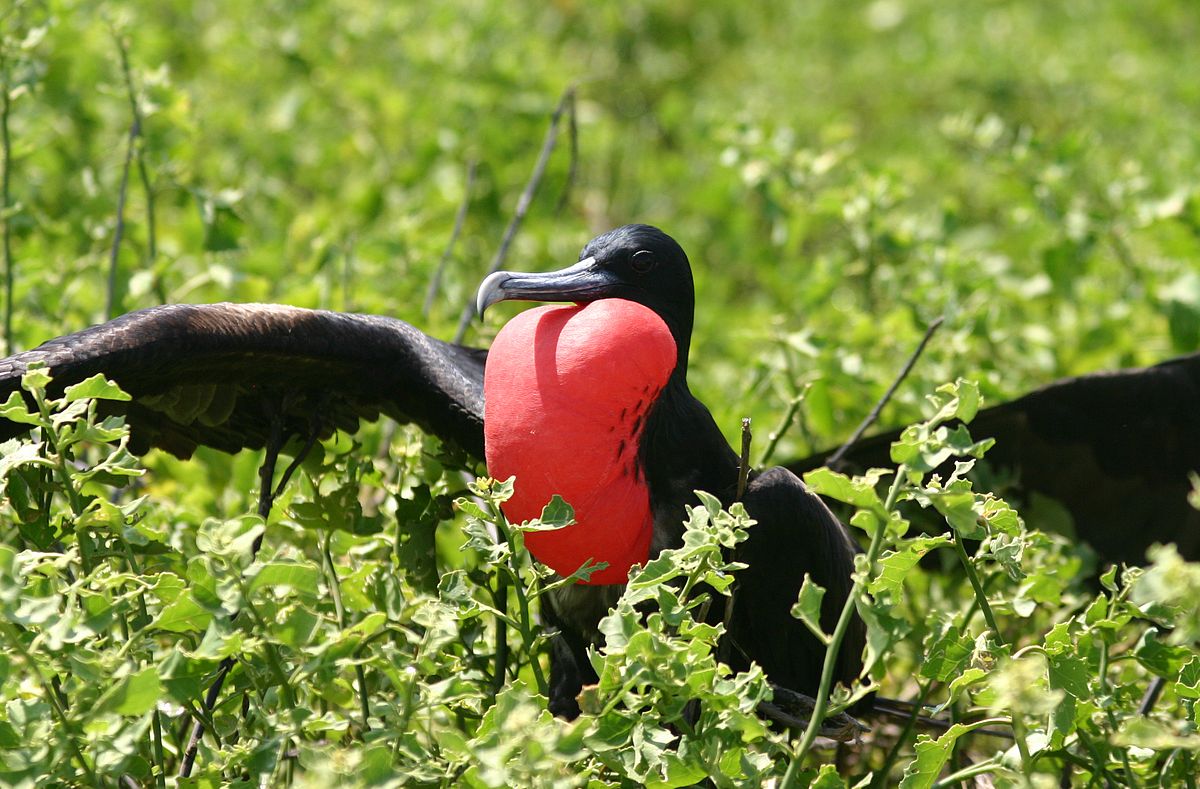
Birds use their colors and feathers to catch the attention of mates. These features play a key role in their courtship. Bright colors and unique feather patterns tell a story about health and strength. Plumage can signal readiness to mate and show off beauty.
Bright Colors
Bright colors attract mates by standing out. Vivid reds, blues, and yellows are common signals. These colors come from pigments and light reflection. Birds with brighter colors often seem healthier. This makes them more attractive to potential partners.
Feather Displays
Feather displays are visual shows to impress mates. Birds spread, shake, or raise their feathers during courtship. These movements highlight their color and size. Some species create patterns or shapes with feathers. Displays show off strength and agility to attract partners.
Seasonal Changes
Many birds change plumage with the seasons. Breeding season brings brighter and more colorful feathers. Outside this time, feathers become duller to save energy. Seasonal changes help birds signal when they are ready to mate. This timing improves chances of finding a partner.
Frequently Asked Questions
What Behaviors Do Birds Use To Attract Mates?
Birds use singing, dancing, and colorful displays to attract mates. These behaviors showcase their health and genetic quality. Males often perform elaborate songs or dances to impress females. Bright feathers and nest-building skills also play key roles in mate attraction.
How Do Bird Songs Help In Finding Mates?
Bird songs signal fitness and territory ownership to potential mates. Males with complex, loud songs are more attractive to females. Singing helps males stand out in crowded habitats. It also deters rivals, increasing chances of successful mating.
Why Is Courtship Dance Important For Birds?
Courtship dances demonstrate physical strength and coordination to females. These dances help build pair bonds between mates. Females often choose partners based on dance quality. It also helps synchronize mating behaviors for better reproductive success.
Do Birds Use Visual Signals To Find Mates?
Yes, birds use bright plumage and unique patterns as visual signals. These colors indicate health and vitality to potential mates. Some species perform wing or tail displays to enhance visibility. Visual signals complement songs and dances during courtship.
Conclusion
Birds use many behaviors to find a mate. Singing loud songs shows strength and health. Bright feathers catch attention quickly. Dancing helps birds stand out from others. Building nests proves a good home provider. These actions increase chances to attract partners.
Nature designed these behaviors to help birds survive. Watching birds can teach us about love and effort. Each bird’s way is unique and special. Understanding these behaviors makes birdwatching more fun.