
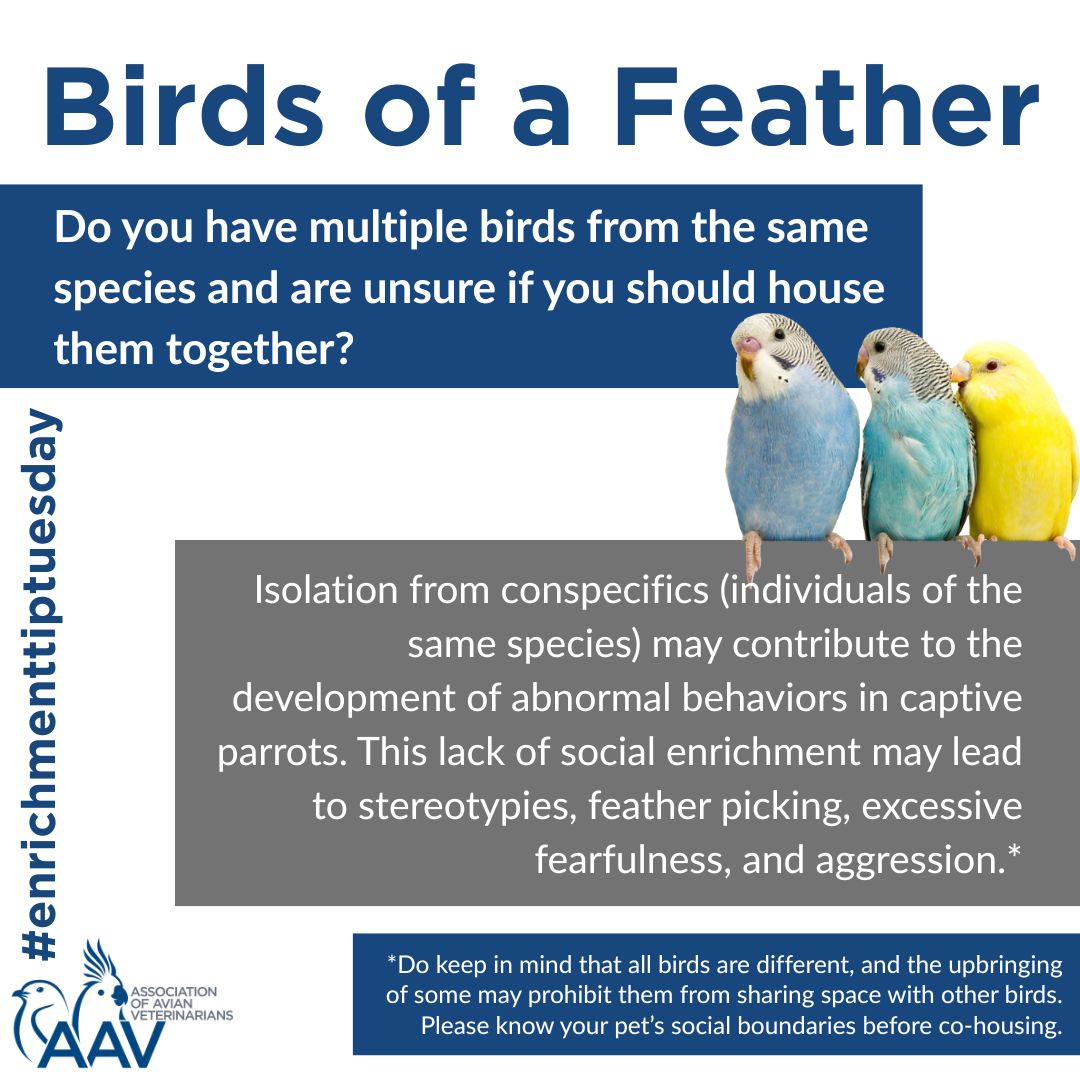
Have you ever wondered what you would learn if you took a class all about how birds act? Imagine diving into the secret world of bird behavior—why they sing, how they choose mates, or why they migrate.
But what would such a class even be called? If you’re curious about the science behind bird habits and want to know the exact name of this fascinating subject, you’re in the right place. Keep reading, and you’ll discover the term that unlocks the door to understanding birds like never before.

Credit: www.youtube.com
Bird Behavior Classes
Bird behavior classes offer a fascinating glimpse into the world of avian activities. These classes dive into how birds interact with their environment and each other. Learners explore topics ranging from migration patterns to social structures. These classes are perfect for bird enthusiasts and curious minds alike.
Course Titles And Themes
Bird behavior courses have intriguing titles that reflect their content. Names might include “Avian Social Dynamics” or “Migration Mysteries.” Each title invites students to explore different aspects of bird life. Themes often cover how birds communicate and adapt to challenges. Courses may also focus on species-specific behaviors or conservation efforts.
Common Curriculum Topics
Bird behavior classes cover a variety of engaging topics. Common subjects include:
- Bird migration patterns and their triggers
- Communication methods among birds
- Nesting habits and parental care
- Foraging strategies and diet preferences
- Social structures within bird communities
- Impact of environmental changes on bird behavior
These topics provide a comprehensive understanding of bird life. Students gain insights into the complex world of avian behavior.
Ornithology Essentials
Ornithology Essentials cover the fundamental knowledge you need to understand bird behavior deeply. This class dives into how birds live, communicate, and interact with their environment. Whether you’re a casual birdwatcher or an aspiring scientist, grasping these basics can transform your appreciation of birds.
Study Of Birds
Ornithology is the scientific study of birds. It looks at everything from their anatomy to migration patterns. You might think it’s all about watching birds fly, but it’s much more detailed.
In fact, ornithologists observe birds in their natural habitats and use tools like binoculars and sound recorders. They also analyze feathers, nests, and even bird calls to learn about species differences.
Have you ever wondered why some birds sing only at dawn? Studying birds helps answer questions like this, revealing the reasons behind their behaviors.
Key Concepts In Ornithology
Several core ideas shape what you’ll learn in a bird behavior class. These include:
- Bird Anatomy:Understanding wings, beaks, and feet to see how they adapt to different environments.
- Migration:Why birds travel thousands of miles and how they navigate.
- Communication:The variety of bird songs and calls used to attract mates or warn of danger.
- Breeding and Nesting:How birds choose mates and build nests to protect their young.
Knowing these concepts can make your next birdwatching trip more meaningful. Instead of just spotting a bird, you’ll understand its story and behavior.
Behavioral Patterns
Understanding behavioral patterns is key to grasping how birds survive and thrive in their environments. These patterns reveal a lot about their daily lives, survival strategies, and interactions with others. When you observe a bird, you’re witnessing a complex set of behaviors shaped by evolution and necessity.
Mating And Nesting
Birds use a variety of behaviors to attract mates and raise their young. Some species perform elaborate dances or songs to catch attention. Others build intricate nests, choosing locations that protect their eggs from predators and harsh weather.
Think about the hummingbird’s rapid wing beats or the bowerbird’s colorful displays. These actions aren’t random; they’re signals meant to communicate health and vitality to potential partners. What strategies might your local birds be using right now?
Feeding Habits
Feeding behaviors show fascinating adaptations to different environments. Some birds forage on the ground, while others catch insects mid-flight or dive underwater. Their beaks and hunting techniques are perfectly suited to their diet.
Watching a woodpecker pecking at bark or a kingfisher plunging into water can teach you about the bird’s feeding strategy. How do these habits affect where they live and how they interact with their ecosystem?
Migration And Navigation
Many bird species travel thousands of miles during migration, guided by the sun, stars, and Earth’s magnetic field. This behavior requires incredible endurance and navigation skills. It’s one of nature’s most impressive feats.
Have you ever wondered how birds find their way across continents without getting lost? Studying migration patterns can give you insights into their survival tactics and the challenges they face along the journey.
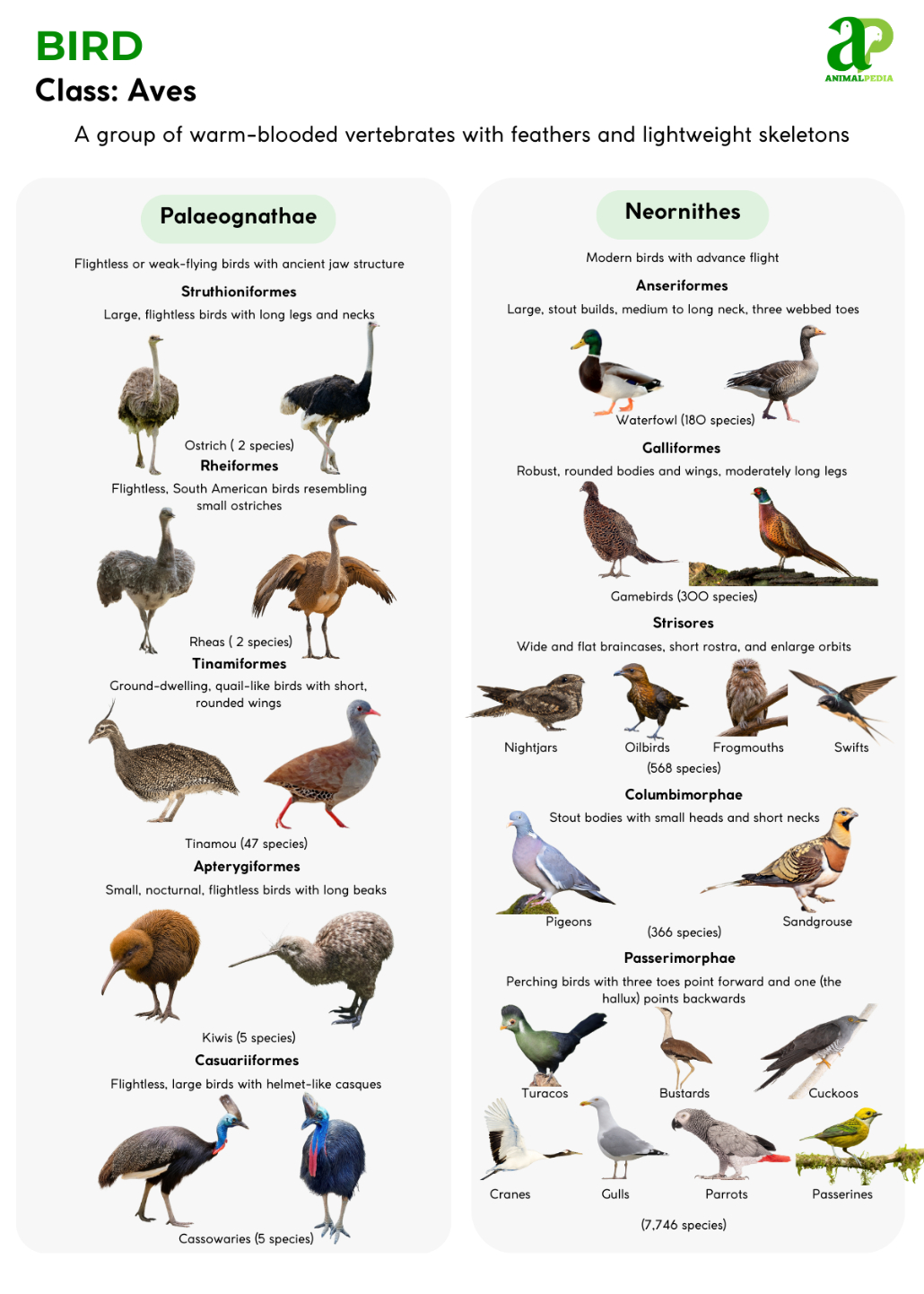
Credit: animal-pedia.org
Field Observation Techniques
Field observation techniques are essential in studying bird behavior. They help gather real data about how birds act in their natural homes. Observing without disturbing birds gives the best information. This requires careful planning and the right skills. Observers must stay still and quiet. They also need to know what to watch for and how to record it accurately. These techniques form the core of any bird behavior class.
Tools And Equipment
Good tools make bird watching easier and more precise. Binoculars help see birds from a distance. Spotting scopes offer even closer views. Field guides aid in identifying bird species. Notebooks or digital devices record observations. Cameras capture rare moments. Sound recorders catch bird calls. Wear comfortable clothes and use insect repellent for long sessions outdoors.
Recording Bird Behavior
Writing down what birds do is key to understanding them. Note the time, weather, and location of each sighting. Describe actions clearly and simply. Use short sentences and bullet points for quick notes:
- Feeding habits
- Flight patterns
- Social interactions
- Vocal sounds
- Nesting behavior
Sketches or photos add valuable details. Review notes soon after observation to fill gaps. This practice improves accuracy and builds a useful bird behavior record.
Applications Of Bird Behavior Study
Studying bird behavior goes far beyond just watching birds sing or build nests. It helps us understand their needs, habits, and challenges in the wild. This knowledge has real-world uses that impact conservation, the environment, and even how everyday people can contribute to science.
Conservation Efforts
Bird behavior studies guide conservationists in protecting endangered species. Knowing migration patterns and breeding habits allows for better habitat preservation. For example, protecting nesting sites during breeding seasons has helped increase populations of some rare birds.
You might wonder how your local park supports bird life. Understanding bird behavior can show why certain areas are vital and deserve protection. It can also help shape policies to reduce human impact on sensitive species.
Environmental Impact
Birds act as indicators of environmental health. Changes in their behavior often signal shifts in ecosystems, such as pollution or climate change. Observing these changes helps scientists identify problems early and take action.
Think about the last time you noticed fewer birds around your neighborhood. Could it be linked to local construction or pesticide use? Studying bird behavior can reveal these connections, helping communities make better environmental choices.
Citizen Science
You don’t need to be a professional to contribute to bird behavior research. Citizen science projects invite bird watchers and nature lovers to report sightings and behaviors. This data helps build large-scale studies that would be impossible for scientists alone.
Participating in such projects can deepen your connection to nature and sharpen your observation skills. Have you ever tracked a bird’s call or flight pattern? Sharing that simple data could aid important research and conservation efforts.
Credit: lafeber.com
Frequently Asked Questions
What Is The Study Of Bird Behavior Called?
The study of bird behavior is called ornithology. It examines birds’ habits, communication, mating, and migration patterns in detail.
Which Class Covers Bird Behavior Topics?
A class on bird behavior is often named “Avian Behavior” or “Animal Behavior. ” It focuses on understanding birds’ natural actions.
Why Study Bird Behavior In A Class?
Studying bird behavior helps understand ecosystems, species survival, and environmental changes. It also aids in bird conservation efforts.
What Skills Are Gained In Bird Behavior Classes?
Classes teach observation, data collection, and analysis skills. Students learn to identify behaviors and interpret bird interactions effectively.
Conclusion
A class on bird behavior would offer fascinating insights into birds’ lives. It would teach how birds communicate, find food, and build nests. Understanding bird behavior helps us appreciate nature more deeply. Such a class can inspire curiosity and respect for wildlife.
Anyone interested in animals or nature would enjoy learning about birds this way. It opens a window into a lively and complex world. Bird behavior studies connect us to the natural environment around us. A simple yet enriching experience for all ages.