
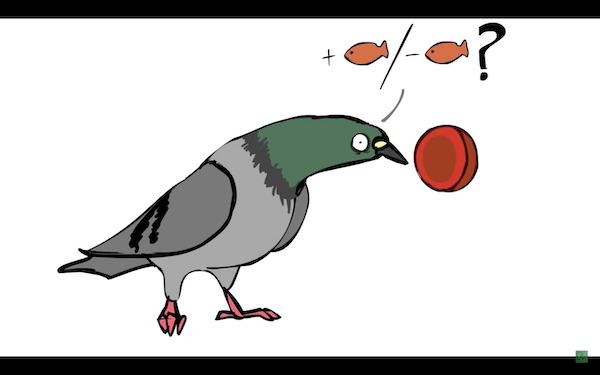
Have you ever wondered who studies how birds act when they’re inside a special box? Imagine a small space designed just to watch birds closely, revealing secrets about their behavior you never knew.
This isn’t just about watching birds fly or sing—it’s about understanding their habits, choices, and even their emotions. If you’re curious about what happens inside this unique setup and why it matters, keep reading. You’ll discover how scientists unlock bird mysteries right before your eyes.
Researchers Of Bird Behavior
Understanding the behavior of birds is a fascinating journey into the world of these feathered creatures. Researchers dedicated to studying bird behavior use specially designed boxes and other tools to gain insights into how birds think, communicate, and interact with their environment. These experts come from various fields, each bringing their unique perspective to the study of avian behavior.
Ornithologists And Their Role
Ornithologists are the bird experts who primarily focus on studying birds’ physical and behavioral traits. They often spend countless hours observing birds in their natural habitats. Their work helps us understand migration patterns, mating rituals, and social structures.
An ornithologist might notice a specific bird call that indicates a shift in weather. This kind of observation can be crucial in predicting environmental changes. Are you curious about how birds adapt to urban environments? Ornithologists have the answers.
Behavioral Ecologists
Behavioral ecologists study the interaction between animals and their environment. In the case of birds, these researchers look at how environmental factors influence bird behavior. They might explore how food availability affects nesting habits or how predators impact flight patterns.
Imagine watching a bird cleverly use tools to access food—behavioral ecologists are the ones who decode these actions. They provide insights that can guide conservation efforts. How do birds manage to thrive in diverse climates? Behavioral ecologists offer a detailed analysis.
Neuroscientists Involved
Neuroscientists bring a different lens by focusing on the brains and cognitive functions of birds. They investigate how birds solve problems, remember locations, and make decisions. This field often involves studying how neurons in birds’ brains respond to various stimuli.
Consider the intelligence of crows, known for their problem-solving skills. Neuroscientists help us understand the underlying brain mechanisms that enable such intelligence. Have you ever wondered how birds navigate vast distances during migration? Neuroscientists are unraveling these mysteries.
Each of these researchers plays a critical role in expanding our understanding of bird behavior. Their work not only enriches our knowledge but also helps conserve these fascinating creatures. What aspect of bird behavior intrigues you the most?

Credit: royalsocietypublishing.org
Purpose Of The Special Box
Scientists use a special box to study bird behavior in detail. This box creates a controlled space where researchers can watch birds closely. It helps them understand how birds act in different situations. The box removes outside distractions and keeps the environment steady. This way, bird reactions are clearer and easier to record.
Controlled Environment Benefits
The special box keeps temperature, light, and noise steady. It stops other animals or weather from affecting the birds. This control helps scientists see true bird behavior. The box also allows repeated tests with the same settings. This makes the results more reliable and easier to compare.
Types Of Behaviors Observed
Researchers watch many bird actions inside the box. These include:
- How birds search for food
- Social interactions with other birds
- Responses to sounds or movements
- Flight patterns and rest periods
- Nesting and mating behaviors
Studying these helps understand bird habits and needs.
Data Collection Methods
Scientists use cameras to record bird movements. Sensors track changes in temperature and sound. Sometimes, they observe directly through windows or screens. Data is saved for detailed study later. This helps spot patterns and unusual behaviors.
Design Features Of The Box
The design features of the box used to study bird behavior play a crucial role in capturing accurate and meaningful data. Every detail, from the materials chosen to the integration of sensory stimuli, affects how birds interact with their environment. Understanding these features helps you appreciate the complexity behind behavioral research and how it shapes our knowledge of avian life.
Materials And Construction
The box is typically built using lightweight but sturdy materials like acrylic or polycarbonate. These allow clear visibility for both the birds and researchers without causing stress to the animals.
Construction focuses on smooth edges and secure joints to prevent injury and escape. Ventilation is also key, ensuring fresh air flow while keeping external distractions minimal.
Sensory Stimuli Integration
Birds rely heavily on their senses, so the box often includes features that provide controlled sensory input.
Colored lights, varying sounds, and textured surfaces can be added to observe how birds react to different stimuli. You might wonder how a simple change in light color can alter a bird’s mood or activity—this is exactly what researchers test.
These stimuli help mimic natural environments or introduce novel situations, offering insights into learning, memory, and stress responses.
Monitoring And Recording Tools
Inside the box, small cameras and microphones capture every move and sound without disturbing the birds. High-resolution video allows slow-motion analysis of subtle behaviors you might miss in real time.
Some setups include sensors to track movement, wing flapping, or feeding patterns automatically. This data collection lets researchers focus on analysis rather than constant observation.
Have you ever noticed how much you can learn by simply watching closely? These tools make that possible on a scientific scale, revealing behaviors that are otherwise hidden.
Famous Experiments With The Box
The specially designed box used in bird behavior studies has been central to some of the most insightful experiments in ornithology. These experiments shed light on how birds learn, interact, and navigate their environments. Understanding these famous experiments can inspire you to appreciate the complexity of bird intelligence and behavior on a deeper level.
Studies On Learning And Memory
Birds have shown remarkable abilities to learn and remember tasks within these boxes. Researchers often use puzzles or food rewards inside the box to test how quickly a bird can solve a problem. One famous experiment involved crows using tools to retrieve food, proving their memory and problem-solving skills are impressive.
You might wonder how you could observe similar behaviors in your backyard. Try placing simple challenges near feeders and watch how birds adapt over time. This hands-on observation can reveal how learning and memory work in real life.
Social Interaction Research
The box also helps scientists study how birds communicate and interact with each other. Experiments have shown that some species use specific calls or behaviors to warn others of danger or share food locations. These social dynamics are easier to observe when birds are in a controlled environment like the box.
Think about how your own pets or wildlife in your area communicate. What signals do they use to interact? Observing birds in this way can give you clues about the social complexity that often goes unnoticed.
Navigation And Orientation Tests
Navigation inside the box tests how birds find their way in unfamiliar spaces. Scientists place birds in the box with different visual cues to see how they orient themselves. Some species have been found to rely on landmarks, while others use magnetic fields or the sun’s position.
Have you ever wondered how birds manage long migrations? These experiments provide practical insights into their incredible navigational skills. You can even try simple experiments by changing visual cues near bird feeders to see if the birds adjust their behavior.
Impact On Bird Conservation
Studying bird behavior inside specially designed boxes offers vital clues for conservation. These controlled environments allow close observation of how birds react, learn, and interact. This knowledge helps protect wild bird populations and their habitats. It also aids efforts to breed birds in captivity and reduce conflicts between birds and humans.
Behavior Insights For Habitat Protection
Observing birds in a controlled space reveals their habitat needs. Scientists learn what types of shelters, food, and nesting sites birds prefer. This data guides habitat restoration projects and helps preserve key areas. Protecting these habitats supports bird survival in the wild. It also helps maintain biodiversity and ecosystem balance.
Improving Captive Breeding Programs
Studying bird actions in special boxes improves captive breeding success. Researchers understand mating rituals, parenting, and stress triggers. This knowledge helps create better conditions for breeding in zoos and sanctuaries. More healthy chicks are raised and later released into the wild. Captive breeding supports endangered species recovery and population growth.
Mitigating Human-wildlife Conflicts
Bird behavior studies help reduce clashes with humans. Learning why birds enter cities or farms guides practical solutions. It informs ways to keep birds safe without harm. Strategies may include designing bird-friendly structures or using deterrents. This balance protects birds and minimizes damage to crops or property.

Credit: medium.com
Future Directions In Bird Behavior Research
Bird behavior research inside specially designed boxes offers a controlled environment to observe intricate actions and social interactions. Looking ahead, this field is set to expand through innovations and collaborations that deepen our understanding of avian life. What new insights could you gain by combining technology with natural observation?
Technological Advancements
New tools like miniature cameras and sensors are making it easier to monitor birds without disturbing them. These devices capture real-time data on movement, vocalizations, and even physiological changes.
Imagine tracking a bird’s heartbeat during a stressful moment or mapping its eye movement while solving a puzzle. Such detailed data helps you understand behaviors that were once hidden.
Interdisciplinary Approaches
Combining biology with fields like computer science and psychology opens fresh ways to study birds. Artificial intelligence can analyze vast amounts of behavioral data faster than any human.
For example, machine learning algorithms can detect patterns in bird calls that reveal emotional states or social cues. This cross-field collaboration pushes research beyond traditional boundaries.
Global Collaborative Projects
Researchers worldwide are joining forces to share data and insights from different ecosystems. This cooperation helps identify universal patterns and unique regional behaviors.
You could contribute to or benefit from these projects by sharing observations or accessing global databases. How might understanding bird behavior on a worldwide scale influence conservation efforts in your area?

Credit: lafeber.com
Frequently Asked Questions
Who Studies Birds’ Behavior In Special Boxes?
Ornithologists and behavioral ecologists study birds’ behavior using specially designed boxes. These controlled environments help observe nesting, feeding, and social interactions closely.
Why Use Specially Designed Boxes To Study Birds?
Special boxes provide a safe, controlled environment to monitor birds’ natural behaviors without disturbances. This aids in accurate data collection and behavioral analysis.
What Features Do These Special Bird Study Boxes Have?
They often include observation windows, controlled temperature, and nesting compartments. These features allow researchers to record behaviors while ensuring bird comfort and safety.
How Do Researchers Benefit From Studying Birds In Boxes?
Studying birds in boxes helps identify behavioral patterns, reproductive habits, and responses to environmental changes, advancing avian biology and conservation efforts.
Conclusion
Scientists study bird behavior inside specially made boxes. These boxes help observe birds clearly and safely. Researchers learn how birds act, eat, and communicate. This knowledge helps protect bird species and their homes. Studying birds this way gives us a closer look at nature.
It also teaches us how animals adapt to changes. Understanding birds can inspire better care for wildlife everywhere. The work inside these boxes is quiet but very important. It connects us with the natural world in a simple way.