
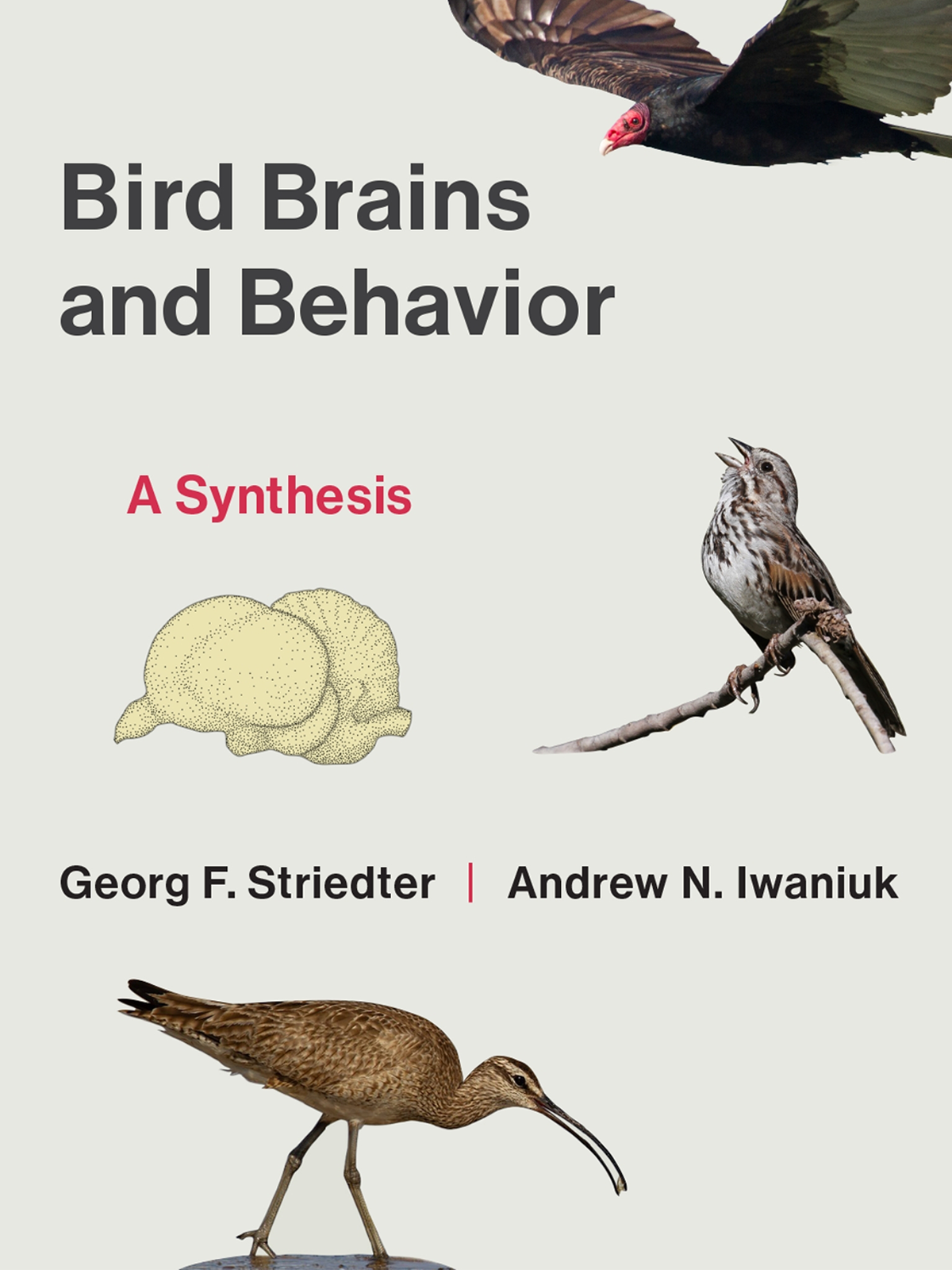
Have you ever watched a bird and wondered why it sings, flaps its wings, or suddenly takes flight? Understanding bird behaviors can open up a fascinating world right outside your window.
Whether you’re a nature lover, a curious beginner, or someone who just wants to connect more with the outdoors, knowing what birds do and why they do it can change the way you see them forever. Keep reading, and you’ll discover simple clues to decode their actions and feel closer to these amazing creatures.
Your next birdwatching moment will never be the same.

Credit: www.numberanalytics.com
Common Bird Behaviors
Birds exhibit a fascinating range of behaviors that reveal how they survive, communicate, and interact with their environment. Understanding these common bird behaviors can deepen your appreciation for nature and even help you identify species during your outdoor adventures. Let’s take a closer look at some key behaviors you might observe in your backyard or on a nature walk.
Feeding Habits
Birds have developed unique feeding strategies that suit their habitats and physical traits. Some birds, like woodpeckers, peck at tree bark to find insects hidden beneath, while hummingbirds hover to sip nectar from flowers. Observing a bird’s feeding style can tell you a lot about its diet and lifestyle.
Have you noticed how certain birds gather in flocks to feed? This behavior can provide safety in numbers and increase the chance of finding food. Next time you see birds feeding together, watch how they share space and resources.
Flight Patterns
Flight patterns vary widely among bird species and often serve practical purposes. Some birds, like swallows, perform agile, quick flights to catch insects mid-air, while larger birds like hawks soar high to scan for prey. Recognizing these patterns can help you identify birds even when they’re just a silhouette against the sky.
Have you ever wondered why some birds migrate in V-shaped formations? This formation conserves energy and improves communication during long flights. Paying attention to flight patterns can reveal much about a bird’s behavior and needs.
Vocal Communication
Birds use vocalizations to communicate everything from warnings to mating calls. Each species has its own set of sounds that serve different purposes, such as attracting a mate or marking territory. Listening closely to bird songs can turn a quiet walk into an engaging experience.
Try to mimic a bird call you hear and observe how nearby birds respond. This simple action can teach you about their social interactions and alertness. Your curiosity about bird sounds can open up a whole new way to connect with nature.
Mating Rituals
Mating rituals in birds are fascinating behaviors that ensure the continuation of their species. These rituals involve a series of actions that attract mates, build bonds, and prepare for raising offspring. Understanding these behaviors can change how you observe birds and appreciate their natural world.
Courtship Displays
Birds use vibrant colors, songs, and dances to catch the attention of potential mates. Some species, like the peacock, fan their stunning tail feathers in a show of strength and beauty. Others sing complex melodies or perform acrobatic flights to prove their fitness.
Have you ever noticed how a male cardinal’s bright red feathers seem to glow during mating season? This vivid display isn’t just for looks—it signals health and vitality to females, increasing his chances of finding a partner.
Nest Building
Many birds participate in nest building as part of their mating ritual. This task is more than creating a home; it’s a way to demonstrate commitment and skill. The quality of the nest can directly influence a mate’s choice.
Take the weaver bird, for example. Males intricately weave nests from grass and twigs to impress females. The sturdier and more elaborate the nest, the better the chances of attracting a mate.
Parental Care
Once mating is successful, parental care becomes crucial. Both parents often share duties like incubating eggs and feeding chicks. This cooperation boosts the survival rate of their young.
Watching a pair of robins take turns feeding their hatchlings reveals the teamwork behind bird parenting. It makes you wonder how your own actions support those you care about.
Social Interactions
Birds show many social behaviors that help them live and survive together. Social interactions guide how birds communicate, share food, and protect their space. These behaviors also shape group life and individual roles within flocks. Understanding these actions gives us a window into bird communities and their complex lives.
Flocking Behavior
Flocking is a common social behavior in birds. Birds fly or move in groups to find food and avoid predators. This group movement helps them stay safe and find resources faster. Flocking also allows birds to share information about danger or food sources. The tight coordination seen in flocks is a sign of their social bonds.
Territoriality
Many birds protect their own space from others. Territoriality involves defending an area for nesting or feeding. Birds use songs, calls, and displays to warn others to stay away. This behavior reduces conflicts and ensures enough resources for the territory owner. Territories vary in size and importance depending on species and season.
Hierarchy And Dominance
Birds often form social hierarchies within groups. A pecking order decides which bird eats first or controls the best spots. Dominant birds lead and get priority access to resources. Subordinate birds follow the leader to avoid fights. These hierarchies keep group life organized and reduce constant fighting.
Migration And Navigation
Bird migration and navigation are remarkable behaviors seen in many species. Birds travel long distances, crossing continents and oceans. They move to find better food, warmer climates, or safe breeding grounds. These journeys show incredible endurance and precise direction-finding skills.
Seasonal Movements
Birds migrate based on the seasons. They fly south during cold months to find warmth. In spring, they return north to breed and raise young. These movements follow changes in temperature and food availability. Some birds travel thousands of miles each year. Others move shorter distances within the same region.
Navigational Techniques
Birds use many tools to find their way. They rely on the sun and stars to guide them. Earth’s magnetic field acts like a compass. Birds can sense this magnetic field to maintain direction. They also use landmarks like rivers and mountains. Some species remember routes from past trips. Their sharp vision helps them spot familiar places.
Challenges During Migration
Migration is full of risks and challenges. Birds face bad weather like storms and strong winds. Finding food along the route can be difficult. Predators also pose a threat during flight and rest. Human activities such as buildings and lights confuse birds. Exhaustion from long flights is a serious problem. Despite these dangers, many birds complete their journeys successfully.
Adaptations And Survival
Birds show amazing adaptations to survive in their environments. These behaviors help them find food, avoid danger, and care for their young. Adaptations shape how birds live and thrive every day.
Camouflage And Defense
Many birds use camouflage to blend with surroundings. This helps them hide from predators. Some birds have colors like leaves or bark. Others mimic shapes or shadows.
Defense can also include loud calls or aggressive behavior. Some birds puff up feathers to look bigger. Others use sharp beaks or claws to protect themselves.
Tool Use
Some birds use tools to get food or build nests. For example, crows use sticks to catch insects. Woodpecker finches use twigs to reach larvae inside trees.
Tool use shows smart thinking and clever problem solving. It helps birds get food that others cannot reach.
Learning And Problem Solving
Birds learn from experience and other birds. They can solve puzzles to get food or escape traps. Parrots and corvids are known for this skill.
Learning helps birds adapt to new challenges quickly. It increases their chances of survival in changing environments.
Credit: www.thetransmitter.org

Credit: www.birdschoolproject.org
Frequently Asked Questions
What Are The Common Types Of Bird Behaviors?
Bird behaviors include feeding, mating, nesting, migration, and communication. These actions help birds survive and reproduce in their environments effectively.
How Do Birds Communicate With Each Other?
Birds use songs, calls, and body language to communicate. These signals convey warnings, attract mates, and establish territory boundaries clearly.
Why Do Birds Migrate Seasonally?
Birds migrate to find better food sources and favorable climates. Seasonal migration helps them survive harsh weather and reproduce successfully.
How Do Birds Choose Their Mates?
Birds select mates based on displays, songs, and physical traits. These behaviors ensure strong offspring and successful reproduction.
Conclusion
Bird behaviors are fascinating and diverse. Observing them offers great insights. Birds communicate in unique ways. They use songs, calls, and body language. Understanding these behaviors helps us appreciate nature more. It also aids in bird conservation efforts. Knowing their habits can protect them better.
Bird watching becomes more enjoyable. Each bird has its own personality. Curiosity about birds leads to discovery. Next time you see a bird, watch closely. There’s always something new to learn. Birds can teach us a lot. We just need to pay attention.
Enjoy the beauty of our feathered friends.