
Have you ever noticed how some baby birds seem to follow anything that moves near them? This curious behavior, called imprinting, might make you wonder: do all birds have this ability?
Understanding imprinting can change the way you see the bird world around you. You’ll discover which birds show this behavior, why it matters, and how it affects their survival. Keep reading—you’ll be surprised by what you learn about your feathered friends.
Bird Printing Behavior Explained
Birds show different printing behaviors depending on their species. Not all birds use printing to mark territory or attract mates. Understanding these patterns helps reveal how birds communicate and interact.
Birds exhibit fascinating behaviors, one of which is printing. This instinctive action is crucial for their survival and well-being. Despite its importance, many people are unaware of what printing entails. Understanding this behavior provides insight into the intricate lives of birds.What Is Printing In Birds
Printing is a vital grooming activity for birds. They use their beaks to clean and straighten their feathers. This action removes dirt, parasites, and aligns feathers for better insulation. Birds also distribute oils from their preen gland. This gland is located near their tail. The oil helps waterproof their feathers.Purpose Of Printing Behavior
Printing serves multiple essential purposes. It maintains feather health and functionality. Well-groomed feathers allow efficient flight and insulation. Birds need to be agile and warm. Printing also strengthens social bonds among birds. Some birds preen each other. This mutual grooming shows trust and builds relationships. Additionally, printing helps in regulating body temperature. It ensures feathers are aligned for effective heat conservation. This behavior is crucial for a bird’s survival.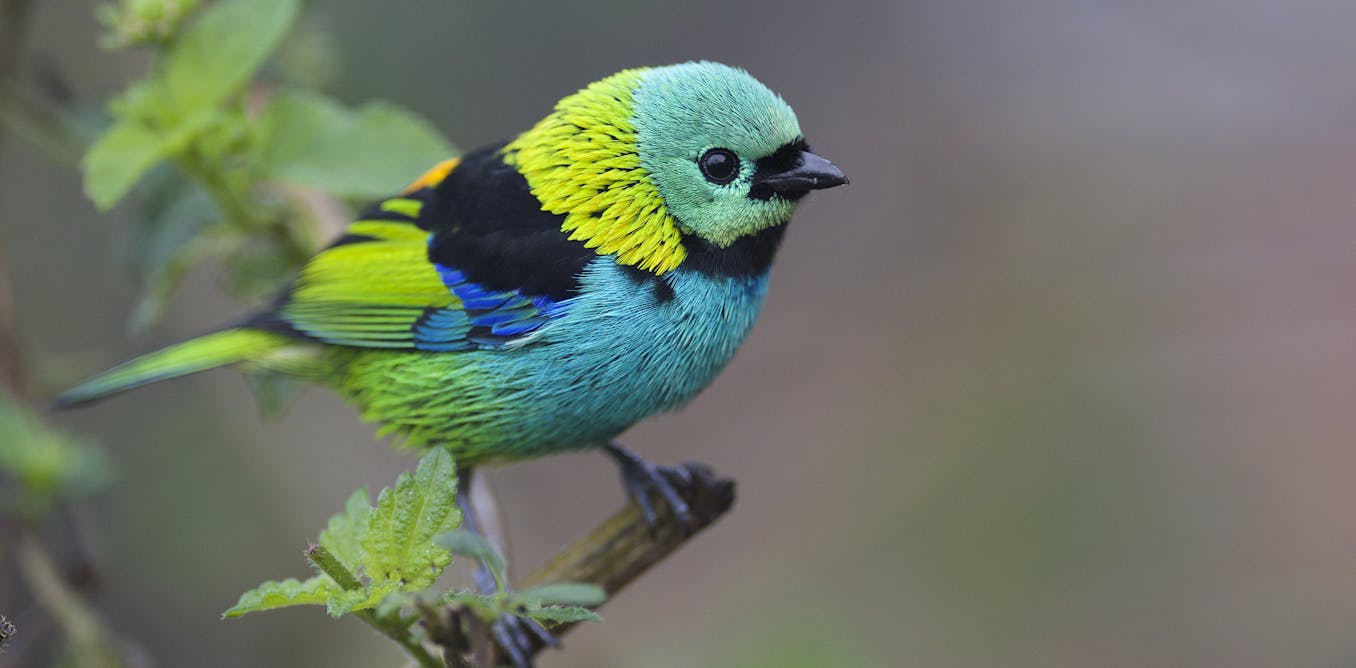
Credit: theconversation.com
Species Exhibiting Printing
Understanding which bird species show printing behavior can help you identify and appreciate these fascinating actions in your backyard or during birdwatching trips. Not all birds display this behavior, but several species are well-known for it. Recognizing these species can deepen your connection with nature and sharpen your observational skills.
Common Birds With Printing Habits
Certain bird species regularly exhibit printing behavior, often as part of their courtship or territorial displays. Among these, the following are the most notable:
- Peafowl:The male peacock famously fans its colorful tail feathers, creating a striking visual display to attract mates.
- Turkeys:Male turkeys puff up and spread their tail feathers wide to appear larger and more impressive during mating season.
- Birds of Paradise:Many species in this group use feather displays to perform intricate dances and attract females.
- Grouse:These birds inflate air sacs and raise feathers to produce both visual and auditory signals.
Have you ever noticed these birds during their peak seasons? Seeing their printing behavior firsthand can be truly captivating.
Rare Cases Of Printing
Printing is less common in smaller or more inconspicuous bird species, but it can still occur in surprising ways. Some birds show subtle or rare forms of feather display that might be easily missed.
- Owls:While typically known for silent hunting, certain owls occasionally fluff their feathers in display or defensive postures.
- Woodpeckers:Some species raise crest feathers during territorial disputes or courtship, though it’s less dramatic than peacocks.
- Warblers:A few warbler species briefly raise feathers to signal alarm or assert dominance, but these displays are fleeting.
Have you ever seen a small bird suddenly puff up or raise its feathers? These moments can be a window into their hidden behaviors.
Birds Without Printing Behavior
Not every bird species shows printing behavior, which is the act of young birds imprinting on and recognizing their parents or caregivers. This absence can affect how they learn and interact with their environment. Understanding which birds lack this trait helps us better appreciate the diversity of avian behaviors.
Species Lacking This Trait
Some bird species do not display printing behavior at all. For example, many seabirds like albatrosses and petrels rely on other methods for recognizing family, such as vocal calls or specific nesting sites. Similarly, birds like cuckoos, which are brood parasites, never print on their foster parents because they are raised by entirely different species.
- Albatrosses and petrels: depend on location and sound rather than visual imprinting.
- Cuckoos: do not print because they are raised by other species and avoid imprinting on them.
- Some raptors: use scent and territorial cues more than visual cues for recognition.
Reasons Behind Absence
Why do some birds skip printing behavior? One key reason is survival strategy. Birds like cuckoos benefit from not imprinting on their foster parents to avoid confusion later in life.
Another reason involves the environment. Species that nest in large colonies or vast open areas find imprinting less useful because other cues serve better for recognizing family or territory.
Have you noticed how some birds rely more on sound or smell than sight? This shows that the absence of printing behavior often ties back to how a species evolved to survive in its unique habitat.

Credit: www.aba.org
Environmental Influences On Printing
Environmental factors play a big role in whether birds show printing behavior. This behavior changes based on where birds live and the time of year. Different surroundings can either encourage or limit this action. Understanding these influences helps explain why not all birds display printing.
Habitat Impact
Birds living in dense forests may print less often than those in open areas. Forests provide many places to hide, so birds do not need to show off as much. Open habitats like fields or wetlands make printing useful for attracting mates or marking territory. Urban environments also affect printing. Noise and human activity can reduce bird displays or change their style.
Seasonal Changes
Seasons greatly affect printing behavior in birds. During breeding season, printing often increases to attract partners. Birds use bright colors and movements to stand out. Outside this season, printing usually decreases to save energy. In colder months, birds focus more on survival than displays. Migration periods also affect printing, as birds conserve energy for travel.
Printing And Bird Communication
Printing is a unique behavior in some bird species. It plays a key role in how birds communicate. This behavior involves birds leaving marks or patterns, often by rubbing or stamping. These prints can send messages to other birds without using sounds. Printing helps birds share information about their presence, mood, or intentions. It adds a visual layer to their communication toolkit. This section explores how printing links to bird signaling and mating rituals.
Signaling And Territory Marking
Birds use printing to mark their territory clearly. These marks act like signs saying, “This area is mine.” Printing can show strength and keep other birds away. It helps reduce fights over space. Some birds print on leaves, branches, or the ground. These prints last for a while, giving a constant message. Printing works as a silent but visible signal. It tells neighbors to respect boundaries without direct conflict.
Role In Mating Rituals
Printing also plays a part in attracting mates. Birds may leave prints as part of courtship displays. These marks can highlight a bird’s fitness or health. A strong, clear print may impress potential partners. During mating season, printing increases in some species. It shows readiness and willingness to find a mate. This behavior adds a visual cue to songs and dances. It helps birds communicate their interest and availability effectively.
Research Methods In Studying Printing
Studying the printing behavior of birds requires careful research methods to capture subtle actions and patterns. Researchers rely on both traditional and modern tools to observe and analyze these behaviors accurately. Understanding the approach behind these studies can help you appreciate how scientists gather evidence and draw conclusions about bird printing.
Observation Techniques
Direct observation remains a fundamental way to study bird printing behavior. Watching birds in their natural habitat allows researchers to note the timing, frequency, and context of printing. You might be surprised how much detail you can catch just by patiently observing and taking notes over several days.
Field researchers often use binoculars or spotting scopes to get closer views without disturbing the birds. They also keep detailed journals to track changes and patterns in behavior. Have you ever tried to observe an animal quietly for hours? It’s a test of patience but it reveals more than you’d expect.
Additionally, controlled environments like aviaries provide chances to study printing under specific conditions. This can highlight how factors like diet, stress, or social interactions influence printing. These controlled observations help isolate variables, making the behavior easier to understand.
Technological Advances
Technology has transformed how scientists study bird printing. High-speed cameras capture moments too quick for the human eye, revealing details about printing movements. These slow-motion videos can show subtle differences between species or individuals.
Bio-logging devices, such as tiny GPS trackers or accelerometers, offer insights into birds’ daily activities and movements. They help correlate printing behavior with location, time, and environmental conditions. Imagine tracking a bird’s printing patterns over weeks without even being in the field.
Machine learning and AI tools now assist in analyzing large sets of data from recordings and sensors. These tools identify patterns and anomalies that might go unnoticed. Would you trust a computer to find hidden behaviors in bird data? It turns out, these advances are opening new doors in behavioral research.
Common Misconceptions
Many people assume that all birds exhibit printing behavior, but this is far from the truth. Misunderstandings about what printing actually means can lead to confusion about bird behavior. Let’s clear up these common misconceptions so you can better understand how diverse bird species really are.
Myths About Printing
A popular myth is that all birds create prints, like footprints or patterns, to mark their territory or communicate. However, not every bird species uses printing as a form of behavior. Some birds don’t leave visible marks at all, relying instead on calls or flight patterns to interact.
Another misconception is that printing is always a sign of aggression or dominance. In reality, many birds print as part of mating rituals or simply when moving through soft surfaces like mud or sand. This behavior varies widely depending on the environment and species.
- All birds print footprints – false; many small or tree-dwelling birds rarely leave prints.
- Printing always signals territory – false; it can indicate many other behaviors.
- Printing is a universal communication method – false; some birds communicate solely through sound.
Clarifying Facts
Printing behavior is more common in ground-dwelling birds like shorebirds and certain waterfowl. These birds leave tracks in wet or soft soil, which can be important for scientists studying their movement patterns.
Birds like sparrows or finches, which spend most of their time in trees, rarely show printing behavior because their environment doesn’t support it. Instead, they rely on other signals like song or plumage displays.
Have you ever noticed bird footprints along a muddy riverbank? That’s a direct example of printing. Observing these prints can tell you which species have passed by and even hint at their behavior.
Understanding these facts helps you avoid assumptions about bird behavior. What other bird behaviors have you misunderstood before? Share your experiences and keep learning about the fascinating world of birds around you.

Credit: www.discovermagazine.com
Frequently Asked Questions
Do All Bird Species Exhibit Printing Behavior?
No, not all bird species show printing behavior. It is mainly observed in some birds like pigeons and doves for mating or territorial purposes.
What Is The Purpose Of Printing Behavior In Birds?
Printing behavior helps birds establish territory, attract mates, or communicate dominance within their species.
How Can Printing Behavior Be Identified In Birds?
Printing behavior often involves repetitive wing or feather movements, rhythmic tapping, or body postures unique to each species.
Is Printing Behavior Common In Wild And Domestic Birds?
Printing behavior occurs in both wild and domestic birds but varies widely depending on species and environmental factors.
Conclusion
Not all birds show printing behavior during nesting. Some species leave their eggs exposed or unattended. Printing helps protect eggs by hiding them in the nest. It acts as a natural defense against predators. Birds adapt their behavior based on environment and safety.
Understanding these habits reveals how birds survive and care for their young. Each bird species has unique ways to protect eggs. Observing these behaviors can teach us about nature’s diversity. Printing behavior is just one part of bird life. Nature always finds a way to keep life safe.