

Have you ever wondered why some birds suddenly take off and travel thousands of miles every year? This fascinating behavior is called bird migration, and it’s one of nature’s most amazing survival strategies.
Understanding what type of behavior bird migration is can change the way you see these winged travelers. You’ll discover why birds migrate, how they know where to go, and what triggers this incredible journey. Keep reading to unlock the secrets behind bird migration and see the world through a bird’s eyes.
Bird Migration Basics
Understanding bird migration is fascinating. Many birds travel thousands of miles. This movement is vital for survival. Migratory birds seek better climates and food sources. These journeys are often challenging. Yet, they are crucial for the species’ continuation.
Seasonal Movement Patterns
Bird migration follows seasonal patterns. During spring, birds head north. They seek breeding grounds and abundant food. In autumn, they move south. This helps them avoid harsh winters. These patterns are predictable. Weather, day length, and food availability influence them.
Common Migratory Species
Many bird species migrate. The Arctic Tern is famous for its long journey. It travels from the Arctic to the Antarctic. Swallows, known for their agility, also migrate. They move between Europe and Africa. The American Robin is another migratory bird. It travels across North America. Each species has unique routes. Their journeys are truly remarkable.

Credit: www.numberanalytics.com
Instinct Vs. Learned Behavior
Bird migration is a fascinating behavior driven by both instinct and learning. Understanding which part is instinctive and which part is learned helps us grasp how birds navigate vast distances. This mix of built-in traits and experiences shapes their incredible journeys.
Genetic Programming
Many aspects of bird migration come from genetic programming. Birds inherit the urge to migrate from their ancestors. This instinct tells them when to leave and where to go. It includes timing, direction, and distance. Birds follow internal clocks and magnetic fields without prior experience. Their bodies prepare for long flights by storing fat. This built-in knowledge helps them survive harsh seasons.
Role Of Experience
Experience also plays a key role in migration behavior. Young birds learn routes by following older birds. They remember landmarks and weather patterns. Experience helps them avoid dangers and find food. Sometimes, birds change routes based on past trips. Social learning improves their navigation skills. Over time, this knowledge passes through generations, refining migration paths.
Navigation Techniques
Bird migration depends heavily on precise navigation techniques that allow these creatures to travel thousands of miles without getting lost. Understanding these techniques reveals how birds use natural cues to find their way across continents and oceans. Let’s dive into the fascinating ways birds navigate during migration.
Sun And Star Positioning
Birds use the sun during the day to guide their flight path. They can determine direction by noting the sun’s position relative to the time of day. This internal clock helps them keep on course even when the sun moves across the sky.
At night, many migratory birds switch to star navigation. They recognize constellations and use the rotation of the night sky as a compass. Have you ever wondered how you’d find your way without a GPS in the dark? Birds do this naturally.
Magnetic Field Detection
One of the most amazing navigation tools birds have is the ability to detect Earth’s magnetic field. They possess special cells that act like a built-in compass, sensing magnetic directions. This helps them stay on track even when the sky is cloudy or stars are hidden.
Scientists believe this magnetic sense is linked to tiny particles in birds’ beaks or eyes, allowing them to “see” magnetic fields. Imagine having a sixth sense that points you north without needing a map or phone.
Landmark Recognition
Birds also rely on familiar landmarks like rivers, mountains, and coastlines to guide their journeys. These natural signposts provide visual cues that confirm they are heading the right way. This is especially useful when flying over land rather than open ocean.
Have you ever noticed how certain places feel like checkpoints during a long trip? Birds do the same, using landmarks as mental markers to measure progress and adjust their route if needed.
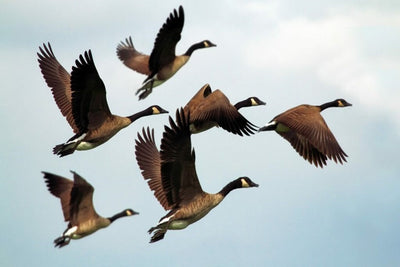
Credit: www.birdfy.com
Triggers For Migration
Bird migration is a fascinating behavior driven by specific triggers. These triggers prepare birds to leave their habitats and travel long distances. Understanding these signals helps explain why birds migrate regularly. Migration is not random; it is a well-timed response to changes in nature and the birds’ own bodies.
Environmental Cues
Birds sense changes in the environment that signal migration time. Shorter daylight hours tell birds winter is near. Temperature drops also warn birds to find warmer places. Food supply decreases, pushing birds to move where food is more abundant. These natural signs guide birds to start their journey.
Physiological Changes
Birds undergo internal changes to prepare for migration. Hormone levels rise, increasing energy and alertness. Fat stores build up, providing fuel for long flights. Their muscles and organs adjust for the effort ahead. These changes make birds ready to travel thousands of miles safely.
Challenges During Migration
Bird migration is a remarkable journey filled with many challenges. Birds face dangers that test their strength and survival skills. These challenges make migration a risky behavior despite its benefits. Understanding these obstacles helps us appreciate the effort behind each flight.
Predators And Risks
During migration, birds encounter many predators. Hawks, falcons, and other birds of prey often hunt them. Ground predators like foxes and cats also pose threats at resting spots. Birds risk injury or death in these encounters. They use strategies like flying in groups to reduce danger. Even with these tactics, many birds do not survive the trip.
Weather Obstacles
Weather is a major challenge for migratory birds. Strong winds can blow them off course. Heavy rain and storms reduce visibility and make flying hard. Cold temperatures may cause exhaustion or frostbite. Birds must find shelter or risk severe harm. Navigating through these conditions requires great skill and endurance.

Credit: www.numberanalytics.com
Ecological Impact Of Migration
Migration is more than just a seasonal journey for birds; it plays a crucial role in maintaining the balance of our ecosystems. The movement of birds between different habitats connects distant environments in ways you might not expect. Understanding the ecological impact of this behavior helps you appreciate how migration supports biodiversity and ecosystem health.
Ecosystem Connectivity
Birds act as living links between different ecosystems during their migrations. As they travel, they transfer nutrients, energy, and even microorganisms from one region to another.
This connectivity supports food webs and helps maintain the health of both breeding and wintering grounds. Think about how a bird resting at a wetland stops there to feed and deposit droppings, enriching the soil. This simple action can boost plant growth and support other wildlife, showing how migration keeps ecosystems connected and thriving.
Pollination And Seed Dispersal
Migratory birds often carry pollen and seeds across vast distances, helping plants reproduce in areas they might not reach otherwise. You might be surprised to learn that some plants depend on birds to spread their seeds far beyond the parent plant’s location.
For example, fruit-eating birds pick up seeds in one place and deposit them in new habitats, encouraging forest regeneration. This natural seed dispersal can improve plant diversity and help restore damaged environments. Next time you see a bird feeding on berries, consider its role in planting new life far away.
Human Influence On Migratory Behavior
Human activities have a profound impact on the migratory behavior of birds. These changes can alter the routes birds take, the timing of their migration, and even their survival rates. Understanding how our actions influence these patterns is crucial if we want to protect migratory species and maintain the balance of ecosystems.
Habitat Loss
Birds rely on specific habitats during their migration for resting and feeding. When these areas disappear due to urban development or agriculture, birds struggle to find safe stops. You might notice fewer birds in places that once teemed with life, signaling a critical problem.
Wetlands drained for farmland or forests cleared for housing reduce the number of available habitats. This forces birds to travel longer distances without rest, increasing their exhaustion and mortality. Have you ever wondered what happens to these birds when their usual stopovers vanish?
Climate Change Effects
Climate change shifts weather patterns and temperatures, disrupting the cues birds use to start migration. Some birds begin migrating earlier or later than usual, which can affect their breeding success. You might see migratory birds arriving at odd times or not at all in your area.
Changing climates also affect the availability of food along migration routes. Insects and plants may bloom at different times, leaving birds without enough nourishment. What can you do to help? Supporting local conservation efforts that protect food sources can make a big difference.
Frequently Asked Questions
What Type Of Behavior Is Bird Migratory?
Bird migratory behavior is instinctive and seasonal. Birds travel long distances to find food and breeding sites. It is driven by environmental changes like temperature and daylight. This behavior helps them survive harsh conditions and reproduce successfully.
Why Do Birds Migrate Seasonally?
Birds migrate seasonally to access abundant food and suitable climates. Seasonal migration helps avoid cold winters or dry seasons. It also ensures better nesting locations and reduces competition for resources. This cyclical behavior is crucial for their survival and reproduction.
How Do Birds Navigate During Migration?
Birds use the sun, stars, and Earth’s magnetic field to navigate. They also rely on landmarks, smells, and even sound cues. This complex navigation helps them travel thousands of miles accurately. Their innate abilities ensure they reach the correct destinations each year.
Is Migratory Behavior Learned Or Instinctive?
Migratory behavior in birds is mostly instinctive, passed genetically. Young birds often follow experienced adults during their first migration. Some species show learned adaptations to changing environments. Overall, instinct guides their timing and direction, ensuring survival across generations.
Conclusion
Bird migration is an important natural behavior. Birds travel long distances to find food and better weather. This movement helps them survive through changing seasons. Migration shows how animals adapt to their environment. It also affects ecosystems and human life.
Understanding this behavior helps us protect birds and their habitats. Watching migratory birds can be a wonderful experience. It reminds us of nature’s amazing cycles. Bird migration truly connects different parts of the world.