
Is your bird showing signs of aggression? Maybe it bites, screams, or acts out without warning.
This behavior can be frustrating and even scary, but you don’t have to accept it as normal. You can change your bird’s attitude and build a stronger, happier bond. You’ll discover simple, effective ways to fix aggressive bird behavior. Keep reading to learn how to understand your feathered friend better and bring peace back to your home.
Causes Of Aggressive Bird Behavior
Understanding the causes of aggressive bird behavior is crucial for bird owners. Birds, like all animals, can exhibit aggression due to various reasons. Knowing these causes helps in addressing and reducing such behavior. Let’s explore some common causes of aggression in birds.
Hormonal Changes
Birds experience hormonal changes during breeding seasons. These changes can make them more aggressive. Both male and female birds can display territorial or protective behaviors. Hormonal fluctuations often increase defensive actions. Recognizing these periods can aid in managing their behavior.
Fear And Stress
Fear is a major trigger for aggressive actions in birds. New environments or unfamiliar objects can cause stress. A stressed bird may lash out as a defense mechanism. Identifying stressors is key to creating a calm environment. Minimizing sudden changes can also help reduce aggression.
Territorial Instincts
Birds are naturally territorial creatures. They may become aggressive to protect their space. This behavior is more common in confined environments. Providing adequate space can lessen territorial aggression. Observing your bird’s behavior can help identify territorial triggers.
Lack Of Socialization
Birds not socialized properly may show aggressive tendencies. Interaction with humans and other birds is crucial. Without socialization, they may not know how to behave. Regular interaction helps in developing positive behavior patterns. Social activities can significantly decrease aggression over time.
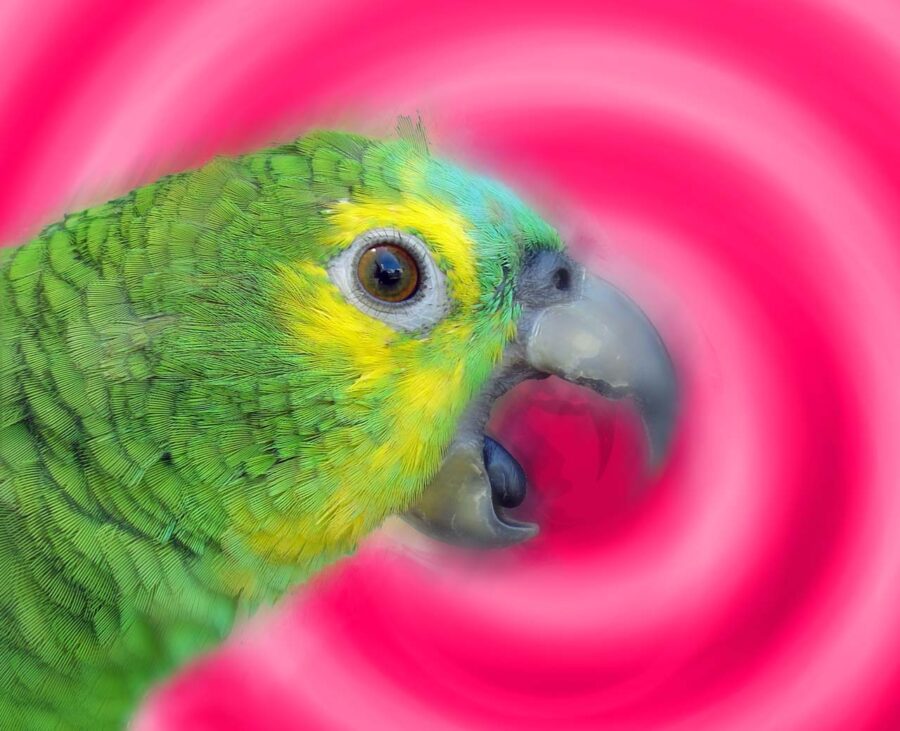
Credit: myrightbird.com
Recognizing Aggression Signs
Understanding the signs of aggression in your bird is crucial before you can address the behavior effectively. Birds communicate a lot through their body and sounds, so tuning into these signals helps you prevent escalation. Recognizing these signs early can protect both you and your feathered friend.
Body Language Cues
Birds use their bodies to tell you how they feel. Watch for raised feathers, especially around the head and neck. This often means your bird is feeling threatened or defensive.
Pay attention to how your bird holds its wings and tail. Wings held tightly against the body usually show calmness, while slightly open wings or tail fanning might indicate agitation. Stiff posture and direct staring can be a warning, signaling that your bird is ready to defend itself.
Vocalizations
Listen carefully to your bird’s calls and noises. Sudden loud screeches or harsh squawks can signal distress or anger. Low growling sounds or repetitive sharp chirps might mean your bird is uncomfortable or warning you to back off.
Does your bird suddenly become very quiet? Silence can sometimes mean it is preparing to strike. Understanding these vocal changes helps you react appropriately before things get out of hand.
Physical Actions
Physical signs of aggression are the clearest. Your bird may lunge, bite, or flap its wings aggressively. These actions are direct attempts to protect itself or establish dominance.
Notice if your bird pecks at you or swings its head quickly in your direction. These are not playful moves but clear warnings. Catching these physical cues early gives you a chance to calm the situation and avoid injury.
Creating A Calm Environment
Creating a calm environment is key to reducing aggressive behavior in birds. Birds respond strongly to their surroundings. A peaceful space helps them feel safe and less anxious. This lowers the chance of sudden aggression and builds trust between you and your bird.
Safe Space Setup
Designate a quiet area for your bird’s cage. Avoid high traffic zones or noisy rooms. Provide soft bedding and plenty of perches at different heights. Use a cage cover at night to give your bird a sense of security. Make sure the cage is clean and free of sharp edges or harmful objects.
Minimizing Stressors
Keep loud noises and sudden movements away from the bird. Limit exposure to other pets that may scare it. Avoid strong smells like perfumes or cleaning chemicals. Reduce bright or flashing lights near the cage. Observe your bird’s reactions to different stimuli and remove anything that causes distress.
Consistent Routine
Birds thrive on routine. Feed and clean the cage at the same times each day. Set regular play and rest periods to build predictability. Use calm voices and gentle movements during interactions. A steady routine helps your bird feel secure and less likely to act out aggressively.

Credit: www.youtube.com
Training Techniques To Reduce Aggression
Training techniques play a key role in reducing aggressive bird behavior. They help build trust and create positive interactions. Consistent training improves your bird’s mood and response. Understanding and applying these techniques can make your bird calmer and friendlier.
Positive Reinforcement
Positive reinforcement rewards good behavior to encourage its repeat. Use treats, praise, or gentle petting as rewards. Timing matters—reward immediately after the desired action. This technique helps birds learn what behavior is acceptable. Avoid punishment; it can increase fear and aggression.
Desensitization Methods
Desensitization reduces fear by slowly exposing birds to triggers. Start with low-intensity exposure and increase it gradually. Stay calm and patient during each session. This approach helps birds feel safe and less threatened. Repeat sessions regularly to build comfort over time.
Target Training
Target training teaches birds to touch an object on command. Use a stick or your finger as the target. Reward the bird each time it touches the target. This method redirects attention and reduces aggressive reactions. It also strengthens your bond through interactive learning.
Handling Aggressive Incidents Safely
Handling aggressive incidents with birds requires calm and careful actions. Safety is the top priority for both you and the bird. Quick reactions can prevent injuries and reduce stress for the bird. Understanding how to manage these moments helps build trust and improves behavior over time.
Avoiding Triggers
Recognize what makes your bird aggressive. Loud noises, sudden movements, or certain people may cause stress. Keep the environment calm and predictable. Remove objects that scare or frustrate your bird. Watch for signs like raised feathers or loud squawks. Stopping the trigger early lowers chances of aggression.
Using Protective Gear
Wear gloves and long sleeves to protect from bites and scratches. Use a towel or blanket to gently cover the bird if needed. Protective gear helps keep you safe without hurting the bird. Always handle your bird slowly to avoid sudden reactions. Safety gear is a smart tool during tense moments.
Calm Responses
Speak softly and move slowly around your bird. Avoid yelling or quick actions that may increase fear. Pause and take deep breaths before approaching. Keep eye contact gentle and avoid staring. Calm behavior helps your bird relax and lowers aggression. Patience and quiet actions work best.

Credit: birdsupplies.com
Improving Bird Socialization
Improving bird socialization helps reduce aggressive behavior. Birds feel safer and calmer when they interact positively. Social skills build trust between your bird and its environment. This makes handling and care easier. Patience and consistency are key in social training.
Gradual Introduction To People
Start by sitting near your bird quietly. Let the bird watch and get used to your presence. Speak softly to create a calm atmosphere. Offer treats by hand to encourage trust. Avoid sudden moves or loud sounds that scare the bird. Slowly increase interaction time each day.
Interacting With Other Birds
Introduce your bird to other calm birds carefully. Use separate cages at first to let them see each other. Watch their body language for signs of stress or aggression. Allow short supervised visits outside cages. Positive experiences with other birds reduce fear and aggression. Social birds often become friendlier.
Encouraging Playtime
Play helps your bird release energy in a good way. Provide toys that are safe and colorful. Rotate toys to keep interest high. Join play sessions to bond with your bird. Use simple games like fetch or hide-and-seek. Playtime improves mood and lowers aggressive tendencies.
Diet And Health Factors
Diet and health play a big role in your bird’s behavior. Aggression can sometimes be linked to what your bird eats or how healthy it feels. Paying attention to these factors can help you calm an aggressive bird and improve its overall well-being.
Balanced Nutrition
Your bird needs a diet that meets all its nutritional needs. Feeding only seeds might seem easy, but it often lacks essential vitamins and minerals. Add fresh fruits, vegetables, and high-quality pellets to keep your bird healthy and less irritable.
Have you noticed how your bird’s mood changes after meals? A poor diet can cause mood swings and aggression. Try mixing in leafy greens like kale or spinach, and fruits like apples or berries, but avoid avocado and chocolate, which are toxic to birds.
Regular Vet Checkups
Regular visits to the vet can catch health issues before they turn into behavior problems. Birds hide illness well, so a vet’s expert eye is crucial. Scheduling checkups every 6 to 12 months keeps your bird in top shape and helps reduce aggressive outbursts caused by pain or discomfort.
Don’t wait for obvious symptoms to take action. Even a subtle change in behavior can signal a health problem. Ask your vet about vaccinations, parasite control, and proper diet to keep your bird calm and healthy.
Signs Of Illness
Illness often shows through changes in behavior, including aggression. Watch for signs like fluffed feathers, loss of appetite, or unusual vocalizations. If your bird suddenly becomes aggressive, it might be trying to tell you something is wrong.
Have you checked your bird’s droppings lately? Changes in color or consistency can indicate health issues. Knowing these signs early allows you to act fast and prevent aggression caused by discomfort or pain.
When To Seek Professional Help
Aggressive behavior in birds can be tricky to manage alone. Sometimes, it signals deeper issues needing expert care. Knowing when to get professional help ensures your bird’s safety and wellbeing. Early help can prevent harm and improve behavior faster.
Behavioral Specialists
Behavioral specialists understand bird psychology and habits. They observe your bird and identify triggers for aggression. These experts create tailored plans to change behavior gently. Their goal is to help your bird feel safe and calm. Specialists also teach owners how to maintain progress.
Veterinary Intervention
Health problems can cause sudden aggression in birds. A veterinarian checks for illness or pain behind the behavior. Blood tests, X-rays, or physical exams reveal hidden issues. Treatment of health problems often reduces aggression quickly. Vets also advise on diet and environment improvements.
Advanced Training Options
Advanced training uses specific techniques to control aggressive actions. Trainers work closely with you and your bird in sessions. They use positive reinforcement to build trust and good habits. This training helps with severe or persistent aggression. Consistency and patience during training are essential for success.
Frequently Asked Questions
What Causes Aggressive Behavior In Birds?
Aggressive behavior in birds often stems from fear, territorial instincts, or hormonal changes. Stress and lack of socialization also contribute. Identifying the cause helps tailor effective training and environmental adjustments to reduce aggression.
How Can I Safely Handle An Aggressive Bird?
Approach your bird calmly and avoid sudden movements. Use a towel to gently restrain if necessary. Always wear protective gloves if the bird bites. Building trust over time reduces aggressive reactions.
Can Training Reduce Bird Aggression?
Yes, consistent positive reinforcement training can reduce aggression. Reward calm behavior and avoid punishing the bird. Training helps establish boundaries and builds trust, making your bird feel secure and less prone to aggressive acts.
Are There Environmental Changes To Stop Bird Aggression?
Providing ample space, toys, and mental stimulation reduces aggression. Avoid overcrowding and loud noises. A stable routine and quiet environment help your bird feel safe and less territorial.
Conclusion
Aggressive bird behavior can be challenging to manage. Patience and consistency help change habits. Spend time understanding your bird’s needs and feelings. Use gentle training methods and positive rewards. Avoid actions that scare or stress your bird. Small steps lead to big improvements over time.
Remember, building trust takes daily care. Your bird can become calmer and friendlier. Keep trying, and don’t give up easily. Every effort brings you closer to a peaceful bond.