
Have you noticed your bird flying more than usual and wondered if it’s a sign of a problem? Excessive flying in birds can be confusing and even worrying for pet owners like you.
It might seem harmless, but could this behavior mean something deeper is going on? Understanding why your feathered friend is flying nonstop can help you take the right steps to keep them happy and healthy. Keep reading to discover if excessive flying is truly a behavior problem and what it means for your bird’s well-being.
Reasons Birds Fly Excessively
Excessive flying in birds can signal stress, boredom, or lack of exercise. This behavior might indicate an underlying problem needing attention. Understanding why birds fly too much helps improve their well-being and behavior.
Understanding why birds fly excessively can offer valuable insights into their behavior and wellbeing. Birds, much like humans, exhibit behaviors driven by various factors including natural instincts, environmental triggers, and health conditions. By identifying the reasons behind their excessive flying, you can better address these issues and ensure the health and happiness of your feathered friends.Natural Instincts And Energy Levels
Birds have a natural instinct to fly, which is ingrained in their DNA. This instinct is crucial for survival in the wild, as it aids in foraging, escaping predators, and exploring new territories. Pet birds, even when safe and well-fed, may exhibit this behavior simply out of their natural drive and high energy levels. Have you ever noticed how some birds seem to be in constant motion? This is often due to their high metabolism and energy levels. Certain species, like parrots and canaries, are particularly energetic and require ample opportunities to expend their energy through flying.Stress And Anxiety Triggers
Stress and anxiety can lead to excessive flying in birds. Loud noises, unfamiliar environments, or changes in their routine can be overwhelming for them. This anxiety-driven flying is often frantic and accompanied by other signs of stress, such as feather plucking or vocal distress. If your bird is suddenly flying more than usual, consider any recent changes in their environment. Are they exposed to new sounds or sights? Identifying these triggers can help you create a more calming environment.Boredom And Lack Of Stimulation
Birds are intelligent creatures that require mental stimulation. Without engaging activities or toys, they may resort to excessive flying as a way to entertain themselves. This behavior is not just a plea for more toys; it indicates a need for varied and enriching activities. Engage your bird with puzzles, foraging activities, and interactive playtime. This not only reduces their need to fly excessively but also strengthens your bond with them.Health And Environmental Factors
Sometimes, excessive flying can be a symptom of underlying health issues. Conditions like hyperthyroidism or respiratory problems can increase a bird’s activity levels. Regular veterinary check-ups are essential to rule out such health problems. Environmental factors also play a significant role. A cage that’s too small or lacks proper perching options might compel a bird to fly more than necessary. Ensure your bird’s living space is spacious and well-equipped to meet their needs. In addressing excessive flying, consider these factors and observe your bird’s behavior closely. What changes can you make to improve their environment or routine? Understanding the reasons behind their actions can lead to a happier, healthier life for your bird.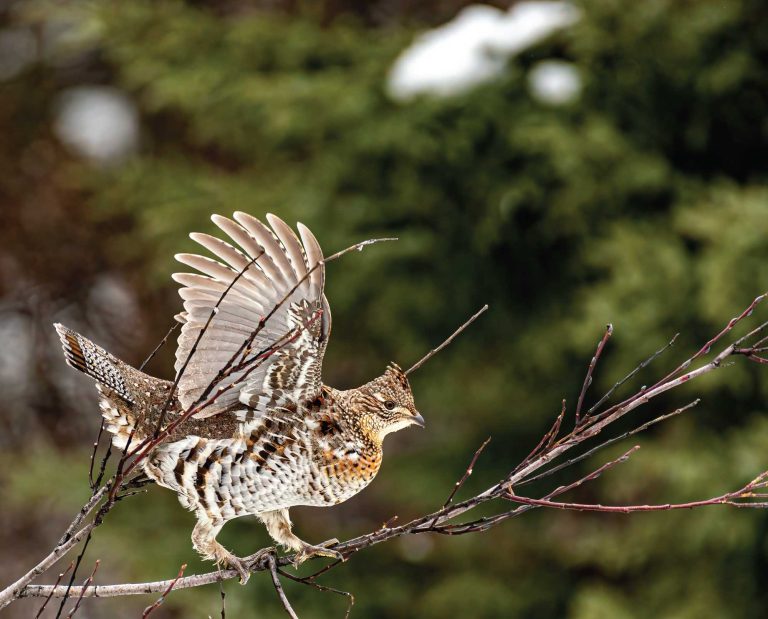
Credit: projectupland.com
Signs Of Problematic Flying
Excessive flying in birds isn’t always just a harmless burst of energy. It can signal underlying issues that affect their health and behavior. Recognizing the signs of problematic flying helps you understand if your feathered friend needs attention or a change in their environment.
Frequency And Duration Patterns
Watch how often and how long your bird is flying inside its space. Flying nonstop for extended periods or repeatedly throughout the day can be a red flag. A bird that flies excessively might be trying to escape boredom or stress rather than simply enjoying movement.
Ask yourself: Is your bird flying more than usual compared to its normal routine? Sudden increases in flying sessions can indicate restlessness or discomfort.
Physical And Behavioral Indicators
Excessive flying often comes with visible signs like worn feathers or small injuries. Your bird might also show behaviors such as frantic wing-flapping or repeated takeoffs and landings that seem more frantic than playful.
Notice if your bird seems anxious or aggressive around flying times. These behaviors can hint that the flying is linked to stress or an unmet need rather than natural exercise.
Impact On Bird’s Well-being
Excessive flying can wear your bird out physically and mentally. It may lead to exhaustion, muscle strain, or even injuries that affect daily activities like eating and grooming.
Have you observed changes in your bird’s mood or appetite after long flying sessions? These shifts suggest that the behavior is harming their well-being and needs to be addressed.
Preventing Excessive Flying
Excessive flying can be more than just a burst of energy; it might signal a deeper issue in your bird’s behavior. Preventing this requires thoughtful changes in their daily life. Here’s how you can guide your bird towards a balanced flying routine that keeps them happy and healthy.
Creating A Stimulating Environment
Your bird needs more than just space to fly; they need things that catch their interest. Add a variety of toys that challenge their mind and body, such as puzzle feeders or swings. Changing toys regularly keeps boredom away and reduces the urge to fly excessively.
Natural elements like branches or leaves can make their space feel more inviting. Birds often mimic natural habitats, which calms them and distracts from constant flying. How often do you rotate or refresh your bird’s environment to keep it engaging?
Establishing A Routine
Birds thrive on consistency. Setting clear times for feeding, play, and rest helps your bird feel secure. A predictable schedule reduces anxiety that can cause frantic flying.
Try to keep wake-up and sleep times the same every day. This stability helps regulate their energy levels. Have you noticed how your own routine impacts your pet’s behavior?
Providing Social Interaction
Birds are social creatures that need connection. Spending quality time talking, playing, or simply being near them can satisfy their social needs. This often decreases their need to fly around seeking attention or stimulation.
Consider introducing another bird if your species thrives in flocks. Interaction with a companion can provide comfort and reduce excessive activity. Are you giving your bird enough social moments to feel secure and engaged?

Credit: www.reddit.com
Training And Behavioral Techniques
Training and behavioral techniques are essential for managing excessive flying in birds. These methods help birds channel their energy in positive ways. They also reduce stress and improve the bond between owner and bird. Consistent and gentle training promotes calm behavior and well-being.
Positive Reinforcement Strategies
Rewarding good behavior encourages birds to repeat it. Use treats, praise, or gentle petting as rewards. Timing is key—give rewards immediately after the desired action. This technique builds trust and motivates birds to listen. Avoid punishment, which can cause fear or aggression.
Redirecting Flight Energy
Provide safe outlets for a bird’s flight energy. Offer toys or activities that engage their mind and body. Create a play area with climbing structures and puzzles. Short, supervised flying sessions in a controlled space help release excess energy. Redirecting energy prevents frustration and destructive behavior.
Desensitization Methods
Gradually expose birds to situations that trigger excessive flying. Start with low-intensity experiences and increase slowly. Use calm voices and gentle handling during training. This helps birds feel safe and reduces panic flights. Patience is important to build confidence over time.
When To Seek Professional Help
Excessive flying in birds can indicate stress or health issues. Knowing when to seek professional help is crucial for your bird’s well-being. Early intervention can prevent serious problems and improve behavior.
Watch for signs like constant flying, feather damage, or changes in eating habits. If these behaviors persist despite your efforts, professional advice is needed. Experts can identify underlying causes and suggest effective solutions.
Veterinary Assessment
A thorough checkup by an avian vet helps rule out medical problems. Birds may fly excessively due to pain, illness, or discomfort. The vet examines feathers, wings, and overall health. Blood tests or X-rays may be necessary.
Correct diagnosis guides proper treatment. Ignoring health issues can worsen behavior and cause harm.
Consulting Avian Behaviorists
Avian behaviorists specialize in bird psychology and habits. They observe your bird’s environment and flying patterns. These experts identify triggers like boredom or anxiety.
They provide tailored advice and training techniques to reduce excessive flying. Working with a behaviorist improves your bond with your bird.
Treatment Options
Treatment depends on the cause of excessive flying. It may include:
- Environmental enrichment with toys and perches
- Behavior modification training
- Medication for anxiety or hormonal imbalances
- Diet adjustments to improve health
Patience and consistency are key to successful treatment. Follow professional guidance for the best results.
Credit: www.thetransmitter.org
Frequently Asked Questions
What Causes Excessive Flying In Pet Birds?
Excessive flying in pet birds often signals boredom, stress, or lack of stimulation. Birds need mental and physical engagement to stay balanced. Providing toys, social interaction, and regular exercise helps reduce this behavior.
Is Excessive Flying Harmful To Birds?
Excessive flying can lead to physical exhaustion or injury if uncontrolled. It may also indicate underlying stress or behavioral issues. Monitoring and addressing the cause is important for a bird’s health and well-being.
How Can I Stop My Bird From Flying Excessively?
To reduce excessive flying, enrich your bird’s environment with toys and activities. Establish a consistent routine and ensure social interaction. Consult an avian vet for behavioral advice if needed.
Does Excessive Flying Indicate A Behavior Problem In Birds?
Yes, excessive flying can be a behavior problem linked to stress or anxiety. It often shows unmet needs or discomfort. Identifying triggers helps in managing and improving the bird’s behavior effectively.
Conclusion
Excessive flying in birds can signal stress or boredom. Birds need mental and physical exercise to stay healthy. Watching their behavior helps spot problems early. Providing toys and attention can reduce unwanted flying. Each bird shows different signs and needs care.
Understanding these signs keeps birds happy and safe. Observing your pet closely makes all the difference. Caring for birds means meeting their natural needs. Keeping them calm helps build trust and comfort.