
Have you ever stopped to think about how much birds impact your daily life? From the songs that greet your mornings to the balance they bring to nature, birds play a vital role that often goes unnoticed.
Protecting them isn’t just about saving pretty creatures—it’s about preserving your health, food, and the world you live in. Keep reading to discover why conserving birds matters to you and how it shapes the future of human society.
Birds And Ecosystem Balance
Birds help keep nature in balance by controlling insects and spreading seeds. Protecting them supports healthy ecosystems that humans depend on for food and clean air. Their survival benefits both wildlife and people.
Birds play a crucial role in maintaining ecosystem balance. They contribute significantly to ecological processes that support life on Earth. Their presence ensures the smooth functioning of ecosystems. Without birds, many systems would face collapse.Pollination And Seed Dispersal
Birds assist in pollination by visiting flowers for nectar. This helps plants reproduce and thrive. Many plant species rely on birds for seed dispersal. Birds eat fruits and spread seeds across vast areas. This promotes plant diversity and forest growth.Pest Control Agents
Birds act as natural pest controllers. They consume insects, reducing pest populations. This aids farmers by minimizing crop damage. It also lessens the need for harmful pesticides. Birds maintain a natural balance, protecting crops and plants.Indicators Of Environmental Health
Birds are excellent indicators of environmental health. Changes in bird populations signal ecosystem changes. A decline may suggest pollution or habitat loss. By monitoring birds, we can assess ecosystem health. This helps in taking timely conservation actions.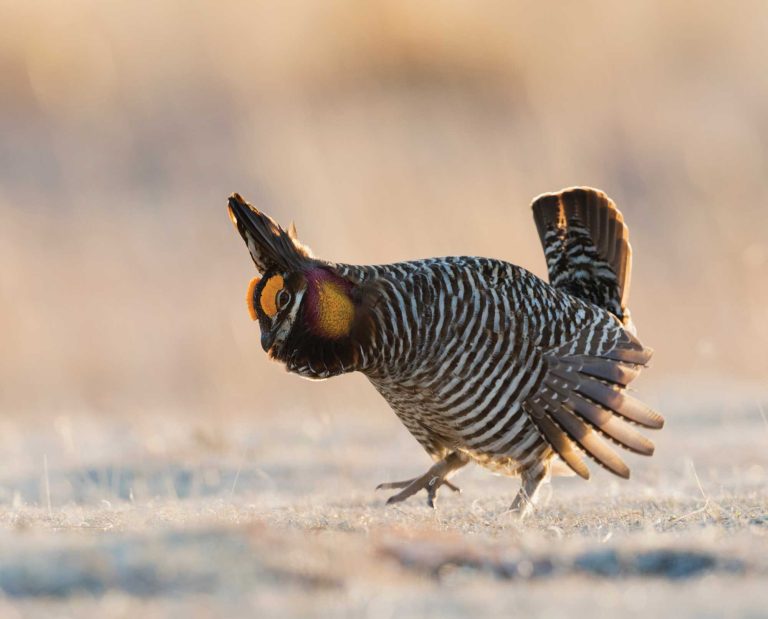
Credit: projectupland.com
Economic Benefits From Birds
Birds provide many economic benefits that directly affect human societies. Their presence supports various industries and helps maintain natural balance. Protecting birds can boost local economies and improve livelihoods in many areas.
Ecotourism Opportunities
Birdwatching attracts tourists worldwide. Many people travel to see rare and colorful birds in their natural habitats. This creates jobs in hotels, restaurants, and tour services. Local communities earn income from guides and bird-friendly tours. Ecotourism encourages conservation and promotes sustainable business.
Agricultural Support
Birds help control pests that harm crops. They eat insects and rodents, reducing the need for chemical pesticides. Healthy bird populations can increase crop yields and save farmers money. Birds also help pollinate plants and spread seeds. This supports biodiversity and strengthens farming systems.
Cultural And Artistic Inspiration
Birds inspire art, music, and stories in many cultures. They appear in paintings, poems, and folklore. This cultural value attracts visitors and supports creative industries. Bird-related crafts and souvenirs can provide income for artisans. Preserving birds helps keep traditions alive and enriches cultural heritage.
Birds And Human Well-being
Birds play a vital role in human well-being. Their presence connects us to nature. They bring calmness and joy to daily life. Birds also support many scientific and environmental processes. Protecting birds means protecting our health and planet.
Mental Health Benefits
Birdsong and bird watching reduce stress and anxiety. Nature sounds help improve focus and relaxation. Spending time with birds can lift mood and fight depression. Parks with birds encourage outdoor activities and social interaction. This strengthens community bonds and personal happiness.
Scientific Research Contributions
Birds help scientists understand ecosystems and disease spread. They act as early warning signs for environmental problems. Research on bird migration reveals climate change impacts. Studying bird behavior aids in developing new medicines and technologies. Birds are essential for many fields of science.
Role In Climate Regulation
Birds control insect populations that affect crops and forests. They help disperse seeds, promoting healthy plant growth. Healthy plants absorb carbon dioxide, reducing greenhouse gases. Birds contribute to balanced ecosystems that regulate the climate. Protecting birds supports a stable and cooler environment.
Threats To Bird Populations
Bird populations face several serious threats that directly impact their survival and, in turn, affect human society. Understanding these challenges helps you see why protecting birds is not just about preserving nature but also about safeguarding essential benefits for your community and future generations.
Habitat Destruction
Birds rely on specific habitats for nesting, feeding, and breeding. When forests are cut down, wetlands drained, or grasslands converted for agriculture, birds lose their homes. Have you noticed fewer birds in your local park or neighborhood? This decline often links back to habitat loss caused by human activities.
Urban expansion is a major driver of habitat destruction. As cities grow, natural spaces shrink, forcing birds into smaller, fragmented areas. This not only reduces bird numbers but also disrupts their migration and breeding patterns.
Pollution And Pesticides
Pollution poisons the air, water, and soil that birds depend on. Chemicals like pesticides enter the food chain, making their way into birds’ bodies and causing illness or death. Are you aware that everyday products you use might contribute to this problem?
For example, pesticides used in farming kill insects that many birds eat. Without enough food, birds struggle to survive or raise their young. Reducing pesticide use in your garden or supporting organic farming can make a difference for local bird populations.
Climate Change Impacts
Changing weather patterns disrupt birds’ natural behaviors and habitats. Warmer temperatures can cause food sources to appear earlier or later than usual, confusing migration schedules. Have you experienced unusual bird activity during seasons when they usually migrate?
Rising sea levels and increased storms also threaten coastal bird habitats. As these environments vanish, so do the birds that depend on them. Taking action to reduce your carbon footprint helps protect these fragile ecosystems and the birds within them.
Conservation Strategies
Conserving bird species requires well-planned strategies that protect their habitats and promote coexistence with human activities. These strategies not only ensure the survival of birds but also maintain the balance of ecosystems that benefit your daily life. Let’s look at how protected areas, community efforts, and policies work together to safeguard birds.
Protected Areas And Reserves
Protected areas serve as safe havens where birds can live, breed, and feed without constant threats from urban development or agriculture. These zones often include national parks, wildlife reserves, and wetlands. You might find it surprising how even small reserves can boost bird populations significantly by preserving critical habitats.
Setting up protected areas involves careful planning to cover diverse ecosystems. For example, the creation of the Central Park Bird Sanctuary in New York City transformed an urban space into a thriving habitat for migratory birds. This shows that conservation can happen anywhere, even in busy cities.
Community Involvement
Your role in bird conservation can be powerful. When local communities engage in protecting their environment, the results multiply. Simple actions like planting native trees or reducing pesticide use directly improve bird habitats around you.
Community projects often include bird monitoring programs where people report sightings to help track population changes. This data can influence conservation decisions. Have you ever noticed how a neighborhood garden attracts more birds after some care and attention? That’s community involvement at work.
Policy And Legislation
Strong laws and policies create a framework that supports bird conservation across regions. These regulations can limit hunting, control pollution, and enforce habitat protection. Without legal backing, conservation efforts might struggle to make a lasting impact.
Consider laws like the Migratory Bird Treaty Act, which has helped protect millions of birds by regulating their hunting and trade. Your awareness and support of such policies can push governments to strengthen bird protection measures. What policies in your area help safeguard local wildlife?

Credit: www.wildlifenomads.com

Credit: msutoday.msu.edu
Frequently Asked Questions
Why Is Bird Conservation Vital For Ecosystems?
Bird conservation helps maintain balanced ecosystems. Birds control pests, pollinate plants, and spread seeds. Protecting birds preserves biodiversity and ecosystem health, benefiting humans and nature alike.
How Do Birds Impact Human Agriculture?
Birds naturally control crop pests by feeding on insects. This reduces the need for chemical pesticides, promoting sustainable farming. Healthy bird populations support food security and agricultural productivity.
Can Bird Conservation Improve Human Health?
Yes, birds contribute to cleaner environments by controlling disease-carrying insects. They also enhance mental well-being through nature connection. Conserving birds helps maintain healthier ecosystems that support human health.
What Economic Benefits Come From Bird Conservation?
Birdwatching and ecotourism generate significant income worldwide. Conserving birds supports jobs and local economies. Healthy bird populations also reduce costs linked to pest damage and pesticide use.
Conclusion
Birds play a key role in nature and our daily lives. They help keep insects and pests under control. Birds also spread seeds, which helps plants grow. Protecting birds means protecting our environment too. Healthy bird populations show a healthy planet.
Saving birds helps people stay safe and well. Everyone can help by caring for birds and their homes. Small actions make a big difference over time. Let’s work together to keep birds and humans thriving. The future depends on how we treat nature today.