

Have you ever wondered how much it truly costs to protect the beautiful birds of Texas? Whether you’re a bird lover, a concerned citizen, or someone looking to support conservation efforts, knowing the price behind these initiatives matters.
Understanding the costs can help you see where your support goes and how it makes a real difference. You’ll discover the key expenses involved in bird conservation in Texas and why every dollar counts toward saving these amazing creatures. Keep reading to find out how your actions can shape the future of Texas’s bird populations.
Bird Conservation In Texas
Bird conservation in Texas plays a crucial role in preserving biodiversity. Texas hosts a wide range of bird species due to its diverse habitats. From coastal marshes to desert landscapes, each area supports unique bird populations. Protecting these habitats is vital for maintaining ecological balance. Conservation efforts help ensure these species continue to thrive.
Key Bird Species In Texas
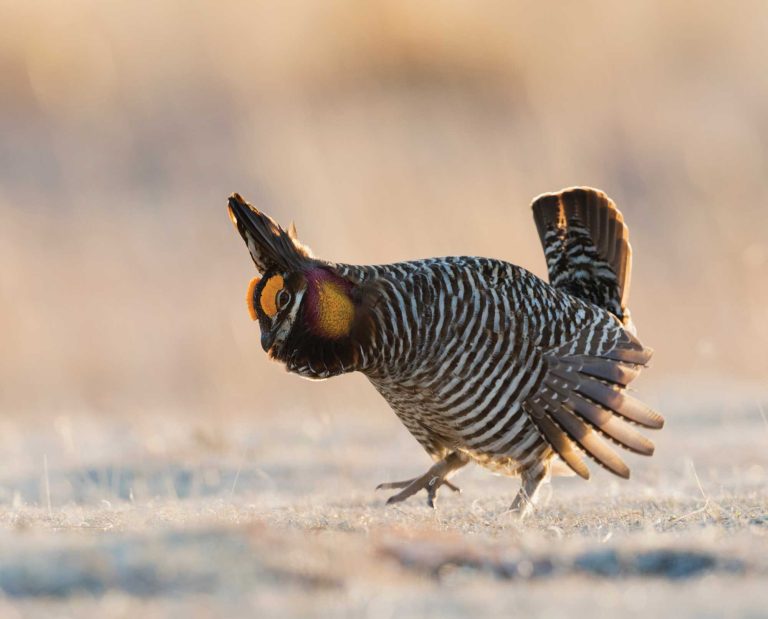
Texas is home to many important bird species. Some notable ones include the Attwater’s prairie chicken and the Golden-cheeked warbler. The Whooping crane also finds refuge in Texas during winter months. Each species has unique habitat needs and faces different threats. Understanding these helps tailor conservation strategies effectively.
Importance Of Conservation Efforts
Conservation efforts are crucial for safeguarding Texas’s bird populations. They help maintain healthy ecosystems, benefiting both birds and humans. Conservation projects often focus on habitat restoration and protection. This includes preserving wetlands, grasslands, and forests. By protecting these areas, we ensure birds have safe places to live and breed.
Community involvement is also vital in conservation. Volunteer programs and educational initiatives raise awareness and foster stewardship. When people engage with nature, they become advocates for its protection. This collective effort is essential for long-term conservation success.
Factors Influencing Conservation Costs
Understanding the factors that influence bird conservation costs in Texas helps you see where your money goes and why budgets can vary so much. These costs depend on several key areas that require different levels of investment and ongoing support. Breaking down these elements gives you a clearer picture of what’s needed to protect bird habitats effectively.
Habitat Restoration Expenses
Restoring habitats often demands significant funding for activities like planting native vegetation, removing invasive species, and improving water sources. The size of the area and its current condition directly affect how much you’ll spend. For instance, restoring a wetland near Houston might cost more than a small prairie patch due to the complexity of water management.
Think about the equipment needed too—heavy machinery or specialized tools can add up quickly. Labor costs also play a big role, especially when skilled workers are required to manage sensitive ecosystems carefully.
Monitoring And Research Costs
Keeping track of bird populations and habitat health means investing in ongoing monitoring and research. This includes hiring biologists, purchasing tracking devices, and analyzing data. Without regular monitoring, it’s hard to know if your conservation efforts are working or need adjustment.
You might wonder how technology impacts costs. Using drones or satellite imaging can provide detailed insights but comes with higher upfront expenses. Still, these tools can save money long-term by targeting efforts more precisely.
Community Engagement And Education
Engaging local communities and educating the public are vital for lasting conservation success, but these initiatives require funding too. Costs cover creating educational materials, hosting workshops, and running awareness campaigns. When people understand the importance of birds and habitats, they’re more likely to support and participate in conservation.
Have you noticed how community-led projects often stretch limited funds further? Involving volunteers and local groups can reduce costs while building strong support networks. This approach makes your investment go beyond dollars, creating real social impact.
Legal And Regulatory Requirements
Compliance with state and federal laws adds another layer of costs. Securing permits, conducting environmental impact assessments, and meeting reporting standards all take time and money. Skipping these steps isn’t an option if you want your conservation efforts to be sustainable and lawful.
Legal fees and consulting with experts might seem like hidden costs, but they protect you from costly fines or project delays. Are you prepared to navigate this complex landscape? Understanding these requirements early can save you headaches and keep your project on track.
Funding Sources For Bird Conservation
Funding bird conservation in Texas requires money from many different sources. These funds help protect habitats, support research, and run education programs. Understanding where this money comes from shows how communities and groups work together to save birds.
Each source plays a unique role in making bird conservation possible. The combination of public and private support creates strong funding for ongoing efforts.
Government Grants And Programs
The government offers grants to support bird conservation projects. These come from federal and state agencies. Programs focus on habitat restoration, endangered species protection, and scientific research. Agencies like the U.S. Fish and Wildlife Service provide important funding. Texas Parks and Wildlife Department also runs initiatives to protect local bird species.
Nonprofit Organizations
Many nonprofits work to raise money for bird conservation. Groups such as Audubon Texas and the National Wildlife Federation lead efforts in education and habitat protection. They often apply for grants and organize fundraising events. These organizations also partner with government and private groups to maximize impact.
Private Sector Contributions
Businesses and corporations contribute funds or resources to bird conservation. Some companies sponsor projects or donate equipment. Others provide grants through their corporate social responsibility programs. This support helps fund research, habitat management, and public awareness campaigns.
Public Donations And Volunteer Support
Individual donations provide a vital source of funding. Many people give money or supplies to local conservation groups. Volunteers also offer time and skills to support projects. Their work reduces costs and increases the reach of conservation activities. Public support shows strong community interest in protecting Texas birds.
Credit: tpwd.texas.gov
Case Studies Of Conservation Projects
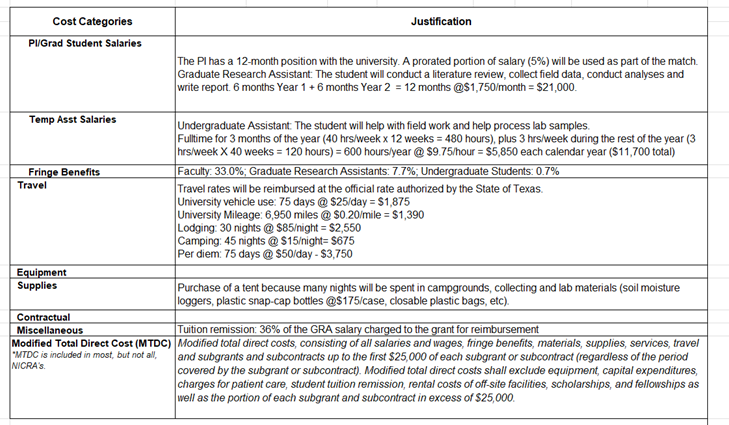
Understanding the costs behind bird conservation in Texas becomes clearer when you examine real-life projects. Case studies reveal the financial commitments and strategic decisions that shape successful efforts. They also highlight obstacles and how teams adapt to keep their goals on track.
Successful Projects And Their Budgets
One standout project is the conservation of the Golden-cheeked Warbler in Central Texas. The budget for this initiative was around $2 million over five years, covering habitat restoration, monitoring, and community education.
Another example is the Whooping Crane recovery program. It involved a $3.5 million budget focusing on habitat protection and breeding support. This project combined state and federal funds, showing the power of partnerships in pooling resources.
- Golden-cheeked Warbler Project:$2 million, 5 years
- Whooping Crane Recovery:$3.5 million, habitat and breeding focus
- Prairie Chicken Habitat Restoration:$1.8 million, land management and fire control
These budgets might seem high, but they reflect the long-term investment needed to protect species at risk. Have you considered how much community involvement could reduce costs or boost success?
Challenges Faced And Overcome
Funding gaps often threaten project continuity. For instance, the Prairie Chicken Habitat Restoration faced a mid-project budget cut. The team responded by engaging local volunteers and landowners, which helped maintain progress with limited funds.
Another common challenge is balancing land use with conservation. In the Golden-cheeked Warbler project, developers initially opposed restrictions on land. Negotiations led to creative zoning solutions that protected critical areas while allowing some development.
Weather and environmental changes also disrupt plans. Unexpected droughts in the Whooping Crane program forced adjustments in water management strategies. These quick pivots ensured the cranes still had suitable habitat despite changing conditions.
What strategies could you apply if your conservation budget suddenly shrinks? Learning from these examples shows that flexibility and community support can keep projects moving forward even under pressure.
Economic Benefits Of Bird Conservation
Investing in bird conservation in Texas does more than just protect wildlife; it drives substantial economic gains. These benefits ripple through local communities and the broader state economy, making conservation a smart financial choice. Understanding these advantages helps you see why funding bird habitats and protection programs is worthwhile.
Ecotourism Impact
Birdwatching attracts thousands of visitors to Texas every year. These tourists spend money on hotels, food, and local services, boosting the economy. Small towns near bird habitats often see new business opportunities and job creation because of this influx.
Have you ever visited a nature reserve and noticed how many people come to see birds? That’s not just a hobby; it’s a key part of local income. Supporting bird conservation can directly increase tourism revenue in your area.
Ecosystem Services Valuation
Birds contribute to ecosystems in ways that save money and protect resources. They control pests, pollinate plants, and help spread seeds. These natural services reduce the need for expensive chemical pesticides and support healthy crops.
Imagine if farmers had to pay for every pest control service birds naturally provide. The costs would skyrocket. By conserving birds, Texas preserves these invisible but valuable services that keep agriculture and natural areas thriving.
Long-term Cost Savings
Protecting bird habitats now can prevent costly environmental damage later. Healthy ecosystems act as buffers against floods and soil erosion. This reduces the need for expensive repairs and disaster relief efforts.
Think about the money saved when natural wetlands absorb stormwater instead of flooding towns. Investing in bird conservation is a practical way to cut future expenses. Wouldn’t you prefer to save money now rather than pay more after damage occurs?
Credit: projectupland.com
Strategies To Optimize Conservation Spending
Optimizing spending in bird conservation is key to protecting Texas’ rich wildlife. Smart strategies help stretch budgets without lowering the quality of efforts. Efficient use of resources ensures long-term success and better outcomes for birds and habitats.
Collaborative Partnerships
Working together saves money and expands impact. Local groups, government agencies, and private landowners share resources and knowledge. Collaboration reduces duplicate efforts and increases funding opportunities. Partnerships allow for pooling equipment, volunteers, and expertise. This approach creates stronger networks that support bird conservation more effectively.
Use Of Technology
Technology helps monitor bird populations and habitats at lower costs. Drones, remote sensors, and GPS tracking provide accurate data quickly. Digital tools improve planning by identifying critical areas for protection. Online platforms enable better communication among stakeholders. Technology reduces the need for extensive field visits, saving time and money.
Adaptive Management Practices
Adjusting methods based on results improves efficiency. Regularly reviewing conservation actions helps spot what works best. Flexibility allows teams to change plans to meet new challenges. This reduces waste and directs funds to successful efforts. Adaptive management ensures resources support the most effective conservation strategies.

Credit: iowacapitaldispatch.com
Frequently Asked Questions
How Much Does Bird Conservation Cost In Texas?
Bird conservation costs in Texas vary widely, typically ranging from $5,000 to $50,000 annually. Expenses include habitat restoration, monitoring, and community outreach. Funding often comes from government grants, nonprofits, and private donations, helping protect native bird species and their environments effectively.
What Factors Influence Texas Bird Conservation Expenses?
Costs depend on project size, bird species, and habitat type. Urban areas may require more funds for education and mitigation. Remote habitats need higher restoration expenses. Regulatory requirements and technology use also impact the overall budget for bird conservation in Texas.
Are There Government Grants For Bird Conservation In Texas?
Yes, Texas offers several government grants supporting bird conservation. Agencies like Texas Parks and Wildlife provide funding for habitat protection and research. These grants help nonprofits and local groups reduce project costs and promote sustainable bird populations statewide.
How Do Conservation Costs Benefit Texas Bird Populations?
Investing in conservation improves bird habitats, boosts breeding success, and reduces threats like habitat loss. This leads to healthier, more diverse bird populations. Effective spending ensures long-term sustainability and ecological balance, benefiting Texas’s natural environment and biodiversity.
Conclusion
Bird conservation in Texas requires steady funding and community support. Costs vary by project size and location. Protecting habitats and endangered birds needs ongoing effort. Every dollar helps preserve nature and wildlife. Investing in conservation benefits Texas’s environment and future.
Small actions add up to big changes over time. Everyone can play a role in saving bird species. Together, we protect Texas’s rich bird life for years ahead.