
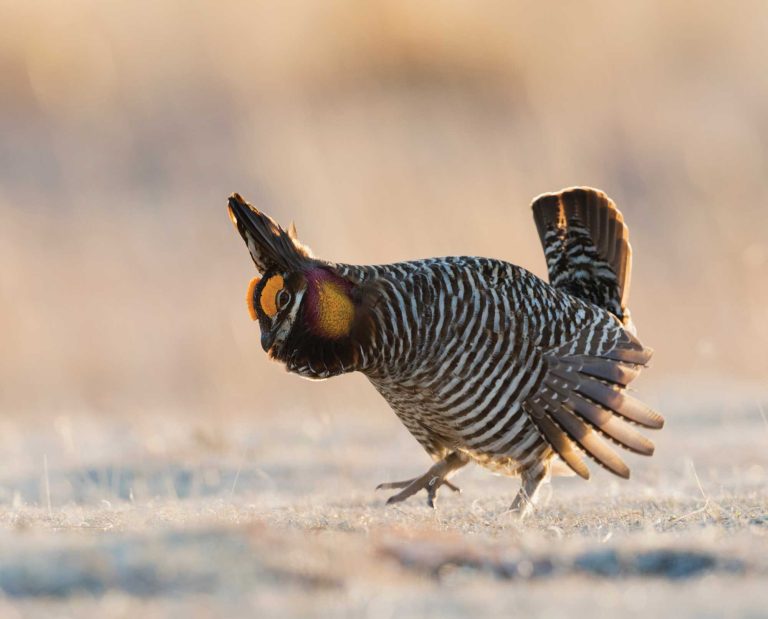
Are you passionate about protecting birds and their natural homes? Recommending a site for bird conservation is a powerful way you can make a real difference.
But how do you choose the right place? What steps should you follow to ensure your recommendation leads to positive change? You’ll discover clear, simple actions to identify and suggest sites that matter most to our feathered friends. Keep reading to learn how your voice can help save bird habitats and create a brighter future for wildlife.
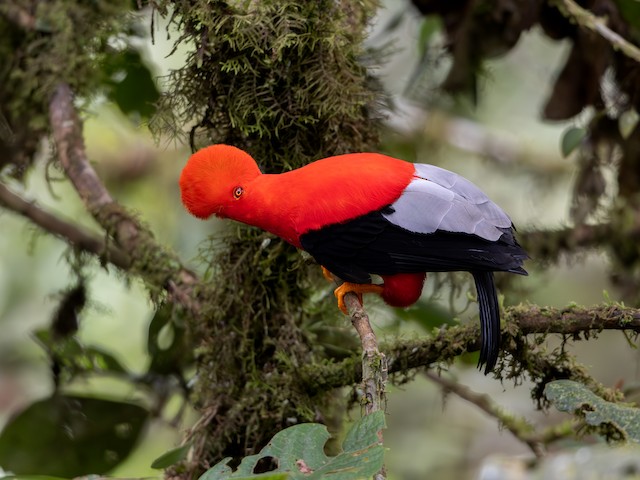
Credit: ebird.org
Choosing The Right Location
Choose areas with rich bird habitats and low human disturbance for effective conservation. Consider water sources, food availability, and safe nesting spots to support diverse bird species.
Choosing the right location for bird conservation is crucial. The success of conservation efforts hinges on selecting sites where birds can thrive. But how do you identify these ideal locations? It involves a combination of science, observation, and sometimes, a little intuition.Assessing Bird Diversity
The richness of bird species in an area is a strong indicator of its conservation value. Areas with diverse bird populations often have balanced ecosystems. You can start by conducting bird surveys or collaborating with local birdwatching groups. Their knowledge is invaluable for identifying species that might not be immediately visible. Consider if the area supports both resident and migratory species. This diversity can highlight the site’s importance on a broader ecological scale.Evaluating Habitat Quality
A high-quality habitat provides the resources birds need to survive and reproduce. Look for areas with abundant food sources, nesting sites, and safe roosting areas. You might find, for example, that wetlands offer rich feeding grounds and are crucial for waterfowl. Are there enough trees or shrubs providing shelter? Don’t overlook small details like the presence of native plants, which often support a variety of bird species.Considering Threat Levels
Assessing potential threats is essential for long-term conservation success. Identify human activities such as urban development, agriculture, or pollution that could impact the site. Are there natural threats like predators or invasive species? Knowing these risks allows you to advocate for protective measures. Engage with local communities to gauge their awareness and involvement in conservation. Their support can significantly reduce threats to the site. By addressing these key areas, you can make informed recommendations that help protect bird habitats effectively. What unique insights can you bring to the table? Your perspective could be the key to preserving a critical site for future generations.Gathering Relevant Data
Gathering relevant data forms the backbone of recommending a site for bird conservation. Accurate and detailed information helps identify areas vital for bird habitats. It also supports making informed decisions that benefit bird populations. Data collection involves different approaches tailored to capture the best insights about the site and its avian residents.
Conducting Field Surveys
Field surveys offer direct observation of birds and their environment. Experts visit the site to record bird species, numbers, and behaviors. Surveys also note habitat conditions and threats. Regular visits across seasons provide a fuller picture of bird activity. Using binoculars, cameras, and GPS devices improves data accuracy. Field surveys require patience and attention to detail.
Using Citizen Science Resources
Citizen science taps into the power of community bird watchers. Volunteers submit bird sightings through apps and websites. This data covers wide areas and long time frames. It often includes rare or unusual bird reports. Check platforms like eBird or local birding groups. Citizen data complements expert surveys and fills gaps. Always verify the quality and relevance of the submitted records.
Accessing Existing Research
Existing research provides valuable background information. Scientific papers, reports, and conservation plans offer insights on bird species and habitats. Government and NGO databases can reveal protected areas and previous studies. Look for data on bird migration routes, breeding sites, and population trends. Combining past research with new data strengthens your site recommendation. Make sure to cite reliable and recent sources.
Engaging Local Communities
Engaging local communities is essential when recommending a site for bird conservation. The people living near these areas often hold valuable knowledge and can become powerful allies in protecting bird habitats. Your efforts will be more effective and lasting if you involve them actively.
Building Awareness
Start by sharing clear and relatable information about the importance of bird conservation. Use simple language and visuals to explain how protecting birds benefits the environment and the community.
Organize local events such as bird-watching tours or workshops. These activities create excitement and help people connect emotionally with the birds around them.
Ask yourself: How can you make the message about bird conservation part of everyday conversations in the community?
Involving Stakeholders
Identify key local groups who can influence conservation efforts, such as schools, farmers, and community leaders. Their support will open doors to wider participation.
Hold meetings where stakeholders can express concerns and offer ideas. This shows respect for their views and builds trust.
Encourage collaboration by creating committees or volunteer groups focused on bird conservation tasks. This shared responsibility leads to stronger commitment.
Promoting Sustainable Practices
Work with locals to find ways to protect birds while supporting their livelihoods. For example, suggest bird-friendly farming techniques that do not reduce crop yields.
Provide practical tools or resources, like native plants for gardens, that help birds thrive without extra effort from community members.
Challenge yourself: What small changes can you encourage that will make a big difference for both birds and people living nearby?
Documenting Conservation Value
Documenting the conservation value of a site is vital for protecting bird habitats. Clear records help decision-makers understand why a site matters. Accurate details can support efforts to preserve or restore the area.
Focus on key aspects that show the site’s importance. This includes unique species, ecological roles, and any threats the site faces. This information builds a strong case for conservation.
Highlighting Unique Species
Identify bird species that are rare or special to the area. Note any endangered or threatened birds present. Mention species that breed or feed only in this site. Such details prove the site’s unique role in bird survival.
Noting Ecological Importance
Describe how the site supports the local ecosystem. Include details about food sources, nesting places, or migration stops. Explain the site’s role in maintaining biodiversity. Highlight connections between birds and plants or other wildlife.
Recording Threats And Challenges
List any dangers that could harm the site or its birds. Examples include pollution, habitat loss, or invasive species. Note human activities like construction or hunting. Recording threats helps prioritize urgent protection needs.
Preparing A Clear Recommendation
Preparing a clear recommendation for a bird conservation site is essential to make your message compelling and actionable. Your goal is to communicate the importance of the site and persuade decision-makers to take meaningful steps. Clarity, organization, and concrete suggestions will make your recommendation stand out.
Writing An Effective Proposal
Start with a strong introduction that explains why the site matters for bird conservation. Include specific details about the species present, their population status, and any threats they face.
Keep your language simple and direct. Use bullet points to highlight key facts or urgent needs. This helps busy readers grasp the main ideas quickly.
Don’t forget to state what you want from your audience clearly. Whether it’s funding, protection status, or habitat restoration, your ask should be unmistakable.
Including Visual Aids
Visuals can make a huge difference in capturing attention. Maps showing the site’s location, photos of bird species, and charts illustrating population trends bring your proposal to life.
Choose visuals that are easy to understand and directly support your points. Avoid clutter or overly technical graphs that might confuse readers.
Have you ever noticed how a single powerful photo can inspire action? That’s the kind of impact you want your visuals to create.
Suggesting Conservation Actions
Be specific about what actions should be taken to protect the site. Examples include controlling invasive species, creating buffer zones, or monitoring bird populations regularly.
Explain how these actions will benefit the birds and the ecosystem. Concrete steps help decision-makers see a clear path forward.
Think about what resources or partnerships might be needed to carry out these actions. Offering realistic solutions increases the chances your recommendation will be accepted.

Credit: www.aba.org
Collaborating With Conservation Groups
Collaborating with conservation groups can strengthen efforts to recommend a site for bird conservation. These groups often have valuable knowledge and resources. Working together creates a network that supports bird habitats more effectively.
Identifying Partners
Start by finding local and national conservation organizations focused on birds. Look for groups with experience in habitat protection or research. Community clubs, wildlife trusts, and environmental NGOs are good options. Contact them to learn about their work and interests.
Sharing Information
Open communication is key. Share observations about the site’s bird populations and habitat conditions. Provide photos, reports, or data collected during field visits. Ask partners for their studies and advice. Exchanging information builds trust and helps plan better conservation actions.
Coordinating Efforts
Plan joint activities like surveys, cleanups, or educational events. Assign clear roles to avoid duplication. Set common goals and timelines. Regular meetings or updates keep everyone informed. Coordinated efforts make the conservation recommendation more credible and impactful.
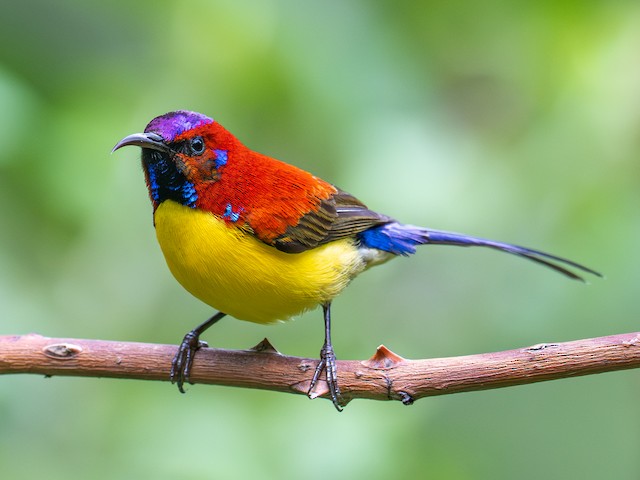
Credit: ebird.org
Frequently Asked Questions
What Factors Make A Site Ideal For Bird Conservation?
A good site has diverse habitats, abundant food, and safe nesting areas. It supports native bird species and migratory routes. Minimal human disturbance and pollution are also essential for effective conservation.
How Do I Identify Important Bird Species On A Site?
Look for rare, endangered, or endemic birds. Use birdwatching guides or apps to identify species. Document sightings to assess the site’s conservation value accurately.
What Role Do Local Communities Play In Bird Conservation?
Local communities protect habitats and report threats. Their involvement ensures sustainable conservation efforts. Educating and engaging locals helps maintain bird-friendly environments.
How Can I Recommend A Site Effectively For Conservation?
Provide detailed information on habitat quality, species diversity, and threats. Include maps, photos, and scientific data. Highlight the site’s ecological importance and community support.
Conclusion
Recommending a site for bird conservation helps protect nature’s beauty. Choose places with many birds and safe habitats. Share your knowledge with friends and local groups. Small efforts can make a big difference over time. Keep learning about birds and their needs.
Together, we can save more birds and keep their homes safe. Every voice counts in protecting wildlife. Start today by suggesting a special place near you.