

When you’re out bird watching, you want the clearest, most detailed view possible. It’s natural to think that higher magnification will give you a better look at those beautiful birds.
But is more always better? Choosing the right magnification can make a huge difference in your experience. If you’ve ever wondered whether to go for a powerful zoom or keep it simple, this article will help you find the perfect balance for your bird watching adventures.
Keep reading to discover what really works—and what might actually hold you back.

Credit: www.bhphotovideo.com
Magnification Basics
Magnification is a key factor in bird watching gear. It tells you how much closer an object will appear through your binoculars or spotting scope. Understanding magnification helps you choose the right tool for your birding needs.
Magnification is shown as a number followed by an “x,” like 8x or 12x. This number means the object looks that many times closer than with the naked eye. For example, 8x makes a bird look eight times nearer.
Higher magnification can show more detail but may also bring challenges. It can make the image shaky and narrow your view. Lower magnification offers a wider view and steadier image, which helps spot birds faster.
How Magnification Works
Magnification works by bending light through lenses to enlarge the image. The bigger the number, the larger the image appears. But this also means less light enters, affecting brightness.
- 6x to 8x: Ideal for beginners and general bird watching.
- 10x to 12x: Offers more detail for serious birders.
- 15x and above: Used for spotting scopes, best for distant birds.
Trade-offs Of Higher Magnification
Higher magnification can reduce image brightness and field of view. It can make the image shaky without a tripod. Lower magnification keeps things brighter and easier to follow.
Common Magnification Levels
Choosing the right magnification level is key to a rewarding bird watching experience. Too little zoom might leave you squinting at distant shapes, while too much can make your view shaky and hard to follow. Understanding common magnification levels helps you find the sweet spot for clarity and comfort.
8x To 10x Magnification
This range is the most popular among bird watchers. It offers a wide field of view, making it easier to spot and track birds in motion. From my own experience, 8x binoculars let you enjoy both close and moderately distant birds without straining your eyes.
These magnifications are ideal if you like to watch birds in dense woods or from moving vehicles. You get enough detail without losing stability or brightness.
12x To 15x Magnification
This higher zoom level reveals finer details like feather patterns and subtle colors. However, you might notice your hands shaking more, which can blur the image. If you use a tripod or have very steady hands, this level can deepen your observation.
Try these if you enjoy long-distance viewing in open areas such as fields or lakes. Ask yourself: is the added detail worth the extra effort to keep the view steady?
Above 15x Magnification
Magnifications over 15x are less common for handheld bird watching. They offer incredible detail but demand equipment like tripods to avoid shaky images. This level suits serious birders who need to identify very distant or small birds.
Consider whether the weight and setup time fit your typical bird watching trips. Sometimes, less magnification with more mobility leads to more sightings.
Pros Of Higher Magnification
Higher magnification in bird watching offers clear advantages that can transform how you experience nature. It allows you to see birds in ways that lower magnifications simply can’t match. If you enjoy noticing the small details or spotting birds far away, higher magnification might be worth considering.
Enhanced Detail
Higher magnification brings you closer to the intricate features of birds. You can observe feather patterns, eye color, and subtle movements that reveal behavior. This level of detail helps you identify species more accurately, especially those with similar appearances.
Imagine watching a warbler and being able to see the tiny streaks on its chest or the delicate shape of its beak. This can make your bird watching much more rewarding and informative.
Distant Bird Observation
With higher magnification, you can watch birds from a greater distance without disturbing them. This is especially useful when observing shy or rare species that might fly away if approached too closely.
Have you ever missed a chance to see a bird clearly because you were too far away? Higher magnification lets you overcome that challenge and enjoy the scene without moving closer.
It also opens up opportunities for bird watching in open spaces, like fields or large wetlands, where birds tend to stay far from human presence. This means more sightings and richer experiences.
Cons Of Higher Magnification
Higher magnification in bird watching sounds appealing. Bigger images seem better. Yet, it comes with clear downsides. These can affect your overall experience and success in spotting birds. Understanding these drawbacks helps in choosing the right binoculars.
Field Of View Limitation
Higher magnification narrows the field of view. You see a smaller area through the lenses. This makes tracking fast-moving birds harder. Birds can quickly fly out of sight. Scanning large areas becomes slower and more frustrating.
A narrow view means missing out on other birds nearby. Bird watchers often want to enjoy the whole scene. High magnification limits that enjoyment. It restricts the chance to spot multiple birds at once.
Stability Issues
Magnifying images more makes even small shakes obvious. Your hands naturally shake a little. At high magnification, this causes a shaky view. It becomes tough to keep birds in clear focus. Watching birds for long periods can be tiring.
Using a tripod helps, but it reduces mobility. Carrying extra gear can be inconvenient. Stability problems make high magnification less practical in many situations.
Balancing Magnification And Field Of View
Finding the right balance between magnification and field of view is crucial for an enjoyable bird watching experience. Higher magnification might seem appealing because it brings birds closer, but it often narrows your view, making it harder to spot fast-moving or distant birds. You need to think about what matters most: seeing fine details or scanning a wider area quickly.
Understanding Field Of View And Its Impact
Field of view (FOV) is the width of the area you can see through your binoculars or spotting scope. A wider FOV helps you locate birds more easily, especially when they move or fly away. If you use very high magnification, the FOV shrinks, forcing you to pan slowly and carefully to keep the bird in sight.
I once tried 20x magnification on a windy day, and the narrow view made it nearly impossible to track a small, darting warbler. The frustration taught me that a slightly lower magnification with a wider FOV lets you enjoy more birds without losing them quickly.
How Higher Magnification Affects Stability And Image Quality
With higher magnification, even the smallest hand shake becomes a big problem. This can blur the image and make bird watching tiring. You often need a tripod to keep your view steady, which is not always practical in the field.
Lower magnifications offer a steadier image and let you react faster to bird movements. Ask yourself: are you willing to carry extra gear and slow down your pace for a closer view, or do you prefer quick, flexible bird spotting?
Choosing The Right Balance For Your Bird Watching Style
Think about where and how you watch birds. If you mostly observe in open areas or forests with lots of movement, wider FOV and moderate magnification (around 8x to 10x) might work best. For stationary bird watching, like at a feeder or pond, higher magnification up to 15x could be useful.
Try different magnifications before buying. Notice how much you enjoy scanning versus zooming in on details. Your ideal balance is personal—what works for one bird watcher might not work for you.
Role Of Binoculars And Spotting Scopes
Choosing the right optical tool can make a huge difference in your bird watching experience. Binoculars and spotting scopes each have unique strengths that affect how you see birds in their natural habitat. Understanding their roles helps you decide which one fits your style and needs best.
Binoculars: Your All-around Bird Watching Companion
Binoculars are lightweight and easy to carry, making them perfect for long walks and quick spotting. Their wide field of view lets you track fast-moving birds without losing them. Because they are handheld, you have more freedom to move and explore various angles.
Many bird watchers prefer binoculars with a magnification between 8x and 10x. This range balances clarity and stability. Higher magnifications can make the image shaky if you don’t have a steady hand.
Spotting Scopes: Zooming In On Details
Spotting scopes offer much higher magnification, usually between 20x and 60x, which lets you see fine details like feather patterns and colors. They are ideal for watching birds at a distance, such as across a lake or in tall trees.
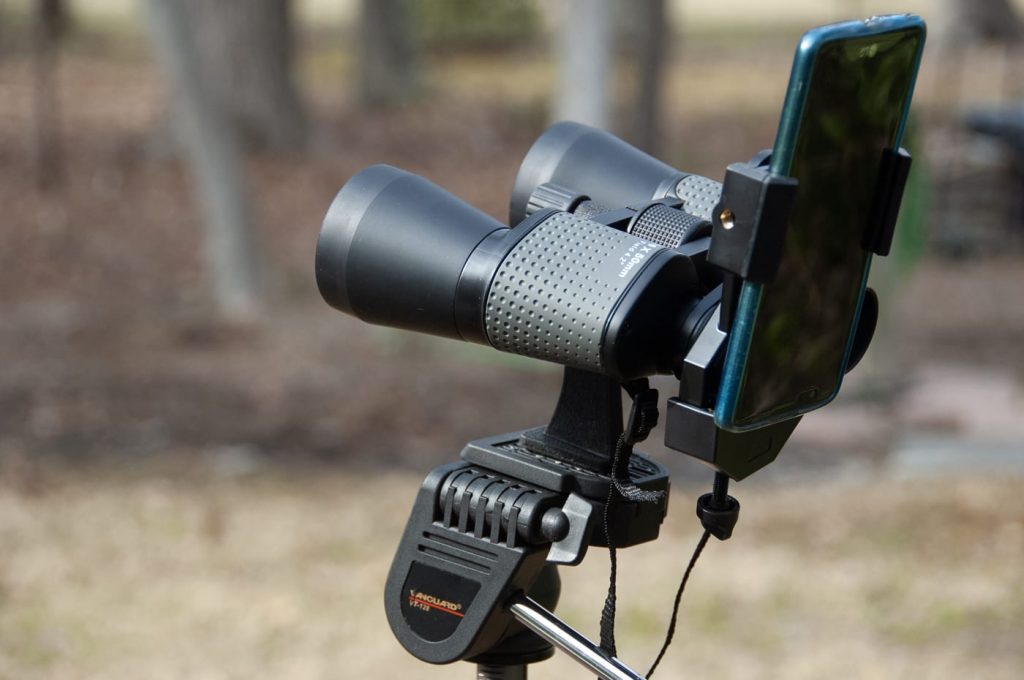
However, spotting scopes are heavier and require a tripod for steady viewing. This setup is less mobile but provides a stable, clear image at high magnifications. If you want to study a bird for a long time without moving, a spotting scope is a great choice.
How To Choose Between Binoculars And Spotting Scopes
Ask yourself: Do you prefer mobility or detail? Are you birding in open areas or dense forests? Your answers will guide your choice.
Consider combining both tools. Carry binoculars for general use and a spotting scope when you want to focus on distant subjects. This approach covers more ground and enhances your bird watching.
Expert Opinions On Magnification
Experts often have varied views on whether higher magnification truly benefits bird watching. Their insights help clarify what magnification levels work best in real-world birding scenarios. Understanding these expert opinions can guide you to choose optics that enhance your birding experience without unnecessary compromises.
Experienced Bird Watchers
Seasoned bird watchers often advise against simply choosing the highest magnification available. They point out that higher magnification can make the image shakier and harder to keep steady, especially when hand-holding binoculars.
Many recommend sticking to magnifications between 8x and 10x for most birding. This range balances clarity with ease of use, allowing you to track birds smoothly as they move.
One avid birder shared how switching from 12x to 8x binoculars improved their ability to spot fast-moving warblers. The lower magnification made the image more stable and less tiring to view for long periods.
Optics Specialists
Optics experts highlight that magnification is just one part of the equation. They emphasize the importance of quality lenses, coatings, and prism types in delivering sharp, bright images.
Specialists often recommend considering the exit pupil size along with magnification. A larger exit pupil, often found in lower magnification binoculars, helps in low light and reduces eye strain.
They also warn about the “sweet spot” of magnification where the optics perform best. Pushing magnification too high can reduce image brightness and field of view, limiting your overall bird-watching success.
Would you rather have a steady, bright image or zoom in closer but risk missing quick bird movements? Experts suggest focusing on what fits your typical birding conditions and style.

Credit: www.amazon.com
Choosing The Right Magnification For You
Choosing the right magnification for bird watching can significantly enhance your experience. It’s not always about picking the highest zoom; your choice should fit your specific needs and surroundings. Understanding how magnification affects your view helps you enjoy bird watching more fully.
Assessing Your Needs
Think about what kind of birds you want to watch and where you’ll be watching them. If you mostly observe birds in open fields or at a distance, higher magnification might help you see details clearly.
However, if you enjoy watching birds up close, like in your backyard or a forest, a lower magnification might work better. It offers a wider field of view, making it easier to spot fast-moving birds.
Ask yourself: How steady can you hold your binoculars or scope? Higher magnification can make your view shaky if you don’t have a tripod or steady hands. This practical consideration is often overlooked but makes a big difference.
Environmental Considerations
Where you bird watch plays a key role in choosing magnification. Dense forests or thick foliage call for lower magnification to capture more of your surroundings and track birds easily.
In open areas like lakes or mountains, higher magnification helps you see distant birds clearly. Yet, bright sunlight or windy conditions can affect image stability and clarity at high zoom levels.
Also, think about the time of day you usually watch birds. Early morning or late evening light may reduce visibility, so a moderate magnification can balance detail and brightness.
Tips For Optimal Bird Watching Experience
Getting the best out of your bird watching sessions isn’t just about having the highest magnification. It’s about combining the right tools with good habits to really enjoy the experience. Here are some practical tips to help you see more, learn more, and enjoy more during your time in nature.
Equipment Care
Your binoculars or spotting scope are your closest companions in bird watching. Keep lenses clean and free from dust or smudges by using a soft microfiber cloth. Avoid wiping lenses with your shirt or rough materials, as this can cause scratches that reduce clarity.
Store your gear in a protective case when not in use. Moisture is a common enemy—using silica gel packs inside your case can help keep things dry and prevent fogging. Have you ever missed a rare bird sighting because your lens was fogged up? Proper care can stop that from happening.
Practice And Patience
Watching birds requires more than just good equipment; your skill matters too. Spend time practicing how to quickly and smoothly adjust your binoculars to focus. The faster you can lock in on a moving bird, the more you’ll see.
Patience is key. Birds don’t always show up on schedule or stay still for long. Try sitting quietly in one spot and observe the subtle movements around you. Have you noticed how waiting calmly often rewards you with better sightings than rushing around?
Credit: bringbinoculars.com
Frequently Asked Questions
Is Higher Magnification Always Better For Bird Watching?
Higher magnification is not always better. It can reduce image brightness and field of view. Moderate magnification offers clearer, wider views ideal for spotting birds.
What Magnification Range Is Best For Bird Watching?
A magnification range of 8x to 12x is ideal. It balances detail and stability, providing bright, sharp images without excessive shake.
Does Higher Magnification Affect Image Stability?
Yes, higher magnification amplifies hand shake and vibrations. Using a tripod or image stabilization helps maintain steady views at high magnifications.
Can Higher Magnification Limit Field Of View?
Higher magnification narrows your field of view. This makes it harder to locate and follow fast-moving birds during observation.
Conclusion
Higher magnification is not always the best choice for bird watching. Sometimes, lower magnification gives a clearer, wider view. Too much zoom can make images shaky and hard to see. Comfort and ease of use matter a lot. Choose binoculars that fit your needs and skill level.
Enjoy watching birds without straining your eyes. The best magnification helps you see details and stay steady. Remember, quality optics and stability often beat very high zoom. Find the right balance for a fun bird watching experience.