
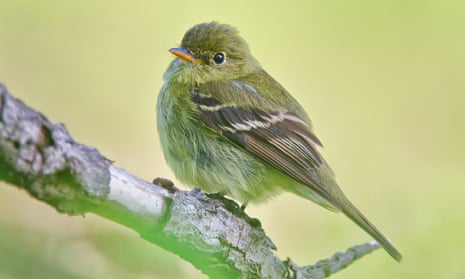
Have you ever wondered if Michael Faraday, the famous scientist, found joy in bird watching? It might seem surprising to connect a man known for electricity and chemistry with the peaceful hobby of observing birds.
But what if this simple pastime played a special role in his life? You’ll discover fascinating insights about Faraday’s relationship with nature and why bird watching could have brought him more happiness than you might expect. Keep reading to uncover a side of Michael Faraday that few people know about—and see how it might inspire your own moments of joy.

Credit: www.dailyherald.com
Michael Faraday’s Lesser-known Interests
Michael Faraday is best known for his groundbreaking work in electricity and magnetism, but his interests extended beyond the laboratory. Few people realize that Faraday had passions that seemed unrelated to science, yet they reveal a different side of his curious mind. Understanding these lesser-known pursuits offers a richer picture of who he was and might even inspire you to explore your own hidden hobbies.
Bird Watching As A Form Of Relaxation
Faraday found joy in observing birds, a hobby that brought him peace away from his intense experiments. He would often spend quiet moments noting the different species he saw, appreciating their colors and behaviors. This pastime helped him clear his mind and stay focused on his scientific work.
The Influence Of Nature On Faraday’s Creativity
Spending time outdoors observing birds and nature sparked ideas that influenced Faraday’s thinking. The patterns and movements in nature often mirrored concepts in physics and electricity he was studying. Have you ever noticed how stepping outside can refresh your thoughts and lead to new insights?
How Faraday’s Interest In Bird Watching Reflects His Attention To Detail
Bird watching requires patience and keen observation, traits Faraday used in his experiments. His ability to notice subtle differences in bird species mirrored his meticulous approach to scientific discovery. This connection shows how hobbies can strengthen skills you use in other areas of life.
Early Life And Influences
Michael Faraday’s early life shaped his curiosity and passion for understanding the world. His experiences as a child and the environment around him sparked an interest in nature. These influences laid the foundation for his later work and discoveries.
Childhood Curiosities
Faraday was born into a humble family. He had little formal education but a strong desire to learn. His curiosity pushed him to read books and explore simple experiments. These early efforts helped him develop a deep interest in science. He loved to observe and ask questions about everyday things.
Nature’s Role In Faraday’s Imagination
Nature fascinated Faraday from a young age. Birds, plants, and natural phenomena captured his attention. He often watched birds and studied their behavior. This connection with the natural world inspired his scientific thinking. It helped him see patterns and understand how things work.
The Intersection Of Science And Nature
Michael Faraday’s joy in bird watching reveals a unique blend where science meets the natural world. This intersection shows how curiosity in one area can deepen understanding in another. It challenges you to see science not just in labs but also in the outdoors.
Scientific Exploration Beyond The Laboratory
Faraday’s approach to nature was not just casual observation; it was a form of scientific exploration. Watching birds offered him a live example of natural phenomena—flight mechanics, migration patterns, and communication. These real-world observations sparked questions and insights that complemented his lab work.
You might wonder how this applies to your own interests. Could stepping outside your usual workspace enrich your perspective? Engaging with nature can sharpen your attention to detail and inspire new ideas in your projects.
Nature As A Source Of Inspiration
Faraday found inspiration in the simplicity and complexity of bird behavior. The patterns of flight and interaction often mirrored principles he studied in physics. This connection shows that nature can fuel creativity and problem-solving.
Consider how you can use natural patterns to inspire your daily work. Noticing how birds adapt or cooperate could influence your approach to teamwork or innovation. What lessons might your surroundings hold if you look closely enough?

Credit: ca.news.yahoo.com
Bird Watching: A Hidden Hobby?
Bird watching might seem like a quiet, simple hobby. Yet, it holds a special charm for many. It brings people closer to nature and offers peaceful moments. For Michael Faraday, the question arises: was bird watching part of his life? This section explores that possibility.
Evidence Of Bird Watching Interests
Records about Faraday rarely mention bird watching. Still, some notes hint at his interest in nature. His scientific curiosity often extended beyond the lab. He observed the natural world with patience and care. Diaries and letters sometimes mention birds and outdoor walks. These small clues suggest he enjoyed watching birds quietly. Faraday’s love for detail matches the traits of bird watchers.
Contemporary Accounts And Anecdotes
Friends and colleagues described Faraday as a calm observer of life. Stories tell of him spending time in gardens and parks. He appreciated the beauty of simple things, including birds. Some anecdotes recall him noting bird behavior during his breaks. These accounts paint a picture of a man connected to nature. Bird watching may have been a hidden part of his daily routine.
Bird Species In Faraday’s Time
Bird species during Michael Faraday’s era offer a fascinating glimpse into the natural world that surrounded one of history’s greatest scientists. The 19th century was a period of rich biodiversity in Britain, with many bird species thriving in varied habitats. Understanding which birds were commonly seen then helps you imagine the environment that might have sparked Faraday’s curiosity and joy in bird watching.
Commonly Observed Birds In 19th Century Britain
People in Faraday’s time regularly spotted a range of birds that are still familiar today. Some of the most common included:
- European Robin– Known for its bright red breast, a friendly bird often found in gardens.
- House Sparrow– Ubiquitous in towns and countryside alike, these small birds were part of daily life.
- Great Tit– Easily recognized by its black head and white cheeks, common in woodlands and parks.
- Blackbird– Their melodious songs were a staple of British mornings and evenings.
- Swallow– A sign of summer, these birds were admired for their swift flight and graceful aerial acrobatics.
These species were not just background noise; they shaped the sensory world that Faraday experienced daily. Their presence could have provided moments of calm and inspiration amid his intense scientific work.
Faraday’s Potential Bird Sightings
While no detailed records exist of Faraday’s exact bird sightings, it’s easy to imagine which species he might have encountered. Living in London and frequently visiting the countryside, Faraday could have seen:
- Wood Pigeon– Common in city parks and countryside, their cooing is unmistakable.
- Song Thrush– Famous for repeating their melodious phrases, often heard in gardens and woods.
- Blue Tit– Active and colorful, these birds are a joy to watch at feeders.
- Kingfisher– While rarer, kingfishers lived near rivers and streams, spots Faraday might have explored.
Can you picture Faraday pausing during his busy days to watch a blue tit flitting from branch to branch? Such simple pleasures may have nurtured his patience and attention to detail—qualities essential to his scientific discoveries.
The Impact Of Nature On Faraday’s Work
Michael Faraday found deep inspiration in nature’s calm and complexity. The natural world shaped his ideas and fueled his curiosity. He saw patterns and connections in nature that guided his scientific work. Observing the world around him helped Faraday develop new concepts in physics and chemistry. Nature was more than a backdrop; it was a teacher and a source of wonder. His time spent in natural settings sharpened his senses and attention to detail.
Nature’s Influence On Scientific Discoveries
Faraday’s discoveries often reflected the order and harmony found in nature. He studied the forces that move through the air and earth, like magnetism and electricity. These forces reminded him of invisible threads linking everything. Nature’s rhythms inspired his experiments and theories. For instance, he explored how magnetic fields surround objects, much like unseen forces in the environment. This connection helped him explain electromagnetic induction. Faraday’s respect for nature’s laws made his science both practical and elegant.
Parallels Between Bird Watching And Scientific Observation
Bird watching and scientific study share a focus on careful watching. Faraday’s joy in watching birds taught him patience and focus. Both activities require noticing small changes and details over time. Bird watchers learn to identify species by subtle differences in color and sound. Similarly, Faraday observed tiny shifts in electrical currents and magnetic fields. Both demand quiet attention and a steady mind. This skill helped Faraday make discoveries that others missed. Nature’s lessons in observation shaped his approach to science deeply.
Legacy Of Faraday’s Natural Curiosity
Michael Faraday’s legacy is much more than his groundbreaking scientific discoveries. It is rooted deeply in his natural curiosity, a trait that fueled his lifelong pursuit of understanding the world. This curiosity wasn’t just about electricity or chemistry; it extended to nature itself, including his joy in bird watching.
Faraday’s fascination with birds shows how curiosity can cross boundaries between science and everyday life. It reminds you that paying attention to the simple wonders around you can spark innovative ideas. How often do you let your curiosity guide you beyond your usual routines?
Inspiration For Future Scientists
Faraday’s example encourages future scientists to stay curious about everything, not just their main field of study. His joy in observing birds reveals that inspiration can come from unexpected places. When you notice details in nature or your environment, you create new pathways for creativity and discovery.
Think about how you can bring that same openness to your work or studies. Are you allowing yourself time to explore interests outside your immediate focus? Faraday’s life suggests that these moments of curiosity can lead to breakthroughs.
Continuing The Tradition Of Scientific Curiosity
Faraday’s natural curiosity invites you to keep asking questions and exploring the unknown. Scientific curiosity isn’t limited to laboratories; it thrives in daily observations and experiences. By watching birds or simply observing your surroundings, you practice skills essential to any scientist.
Here’s how you can continue this tradition:
- Set aside time regularly to observe something new in your environment.
- Keep a journal to note down questions or interesting findings.
- Discuss your observations with others to gain fresh perspectives.
Faraday’s joy in bird watching shows that curiosity is an active habit, not just a passive feeling. How will you nurture your own curiosity today?

Credit: www.amazon.ca
Frequently Asked Questions
Was Michael Faraday Interested In Bird Watching?
Michael Faraday was primarily a scientist focused on electricity and magnetism. There is no strong evidence that he engaged in bird watching as a hobby.
Did Faraday Find Joy In Nature Activities?
Faraday appreciated nature but mainly as inspiration for his scientific work. Bird watching was not documented as one of his joyful activities.
How Did Faraday Spend His Leisure Time?
Faraday spent his leisure time reading, experimenting, and attending lectures rather than bird watching or similar hobbies.
Was Bird Watching Common In Faraday’s Era?
Bird watching was not a popular hobby during Faraday’s time. It became more widespread much later, in the 20th century.
Conclusion
Michael Faraday’s joy in bird watching shows his love for nature. He found peace and wonder in observing birds. This hobby gave him a break from his busy work. Bird watching helped him connect with the world outside science. It reminds us to enjoy simple moments and stay curious.
Faraday’s example inspires us to explore new interests. Nature often brings happiness and calm to our lives. Bird watching can be a joyful and relaxing activity for anyone. It teaches patience and brings a sense of calm. Faraday’s story encourages us to appreciate the small things.