
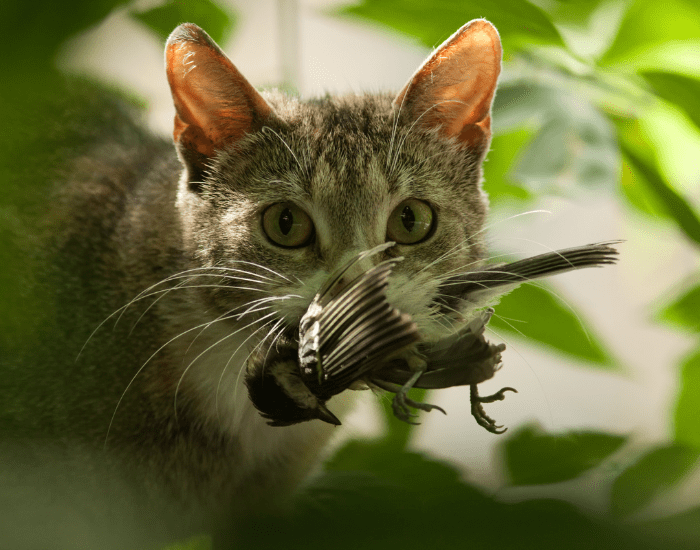
Have you ever noticed birds silently watching cats fight nearby? It’s a strange sight that might make you wonder why those birds don’t just fly away.
What draws them in to watch such a risky and noisy battle? If you’re curious about this unusual behavior, you’re about to discover surprising reasons behind it. Understanding why birds pay attention to these fights will change the way you see both cats and birds around you.
Keep reading to uncover the secrets behind this fascinating wildlife drama.

Credit: www.reddit.com
Birds’ Curiosity And Observation
Birds have sharp eyes and curious minds. They watch their surroundings carefully. When cats fight, birds notice every move. Their attention helps them learn about danger and safety. Watching also satisfies their natural curiosity about other animals.
Birds observe cats’ behavior to understand threats. This observation helps birds stay alert. They watch from a safe distance, staying ready to fly away if needed. Their curiosity is not just about fighting but about the world around them.
How Birds Use Their Sharp Vision
Birds have excellent eyesight. They can see details from far away. This helps them watch cats closely without getting near. Sharp vision lets them spot changes in the cats’ actions quickly. It also helps birds decide when to move or stay.
Learning From Animal Behavior
Birds learn by watching others. Fighting cats show birds how animals react in danger. This helps birds understand when to hide or stay calm. Observation is a way birds prepare for threats in their environment.
Curiosity As A Survival Tool
Curiosity helps birds stay safe. Watching fights teaches birds about strength and weakness. This knowledge helps birds avoid danger. Curiosity also keeps birds alert and ready to act fast.
Social Awareness Among Birds
Birds are social creatures. They watch not only cats but also other birds. Watching fights helps birds understand social order. This understanding helps them live peacefully with others in their group.
Safety And Survival Instincts
Birds have strong safety and survival instincts. Watching cats fight helps birds assess danger nearby. They stay alert to protect themselves from harm.
Birds notice movements and sounds during a fight. These clues help them decide whether to stay or fly away. Their quick reactions increase chances of survival.
Alertness To Immediate Threats
Birds watch fights to detect threats fast. Cats can be predators or cause chaos in their space. By observing carefully, birds prepare to escape if needed.
Learning About Territory And Danger Zones
Fighting cats show which areas are unsafe. Birds learn which places to avoid for safety. This knowledge helps them find safer spots to rest or feed.
Using Fights As Early Warning Signals
Cat fights create noise and movement that catch birds’ attention. Birds use these signals to stay aware of nearby dangers. They can react quickly before threats come closer.
Maintaining Distance For Safety
Birds keep a safe distance while watching fights. They avoid getting involved but stay close enough to monitor. This balance helps them stay safe and informed.
Inter-species Communication
Inter-species communication happens when animals of different species share information. Birds watching cats fight is a surprising example of this. Birds use these moments to learn about danger nearby and adjust their actions accordingly.
Birds are very alert to sounds and movements around them. A cat fight creates loud noises and sudden motions. Birds interpret these signals as signs of threat or changes in their environment. This helps them stay safe and decide whether to flee or stay.
How Birds Interpret Cat Behavior
Birds read the body language and sounds of cats. Aggressive hissing, growling, and quick movements tell birds a serious conflict is happening. These cues help birds understand if the cats are distracted or aggressive.
Birds Use Cat Fights To Gauge Danger
Watching cats fight helps birds measure risk. If the cats are busy fighting, birds may feel safer temporarily. They know the cats cannot hunt effectively during a fight. This gives birds a chance to search for food or move freely.
Communication Beyond Sound And Sight
Birds also pick up on vibrations and scents during cat fights. These subtle signals add more information about the situation. This multi-sensory approach helps birds make quick decisions in risky environments.
Benefits Of Watching Cat Fights For Birds
- Detecting nearby threats early
- Finding safe moments to forage
- Learning about predator behavior
- Adjusting flight and hiding strategies

Credit: www.reddit.com
Environmental Awareness
Environmental awareness helps birds understand their surroundings. Watching cats fight gives birds clues about danger nearby. Birds rely on sharp senses to stay safe from predators.
By observing fights, birds learn about threats in their territory. They notice changes in sounds, movements, and behaviors. These signals help birds decide when to fly away or stay alert.
Using Visual Cues To Detect Danger
Birds watch the cats’ body language closely. Aggressive postures and quick moves signal risk. This visual information helps birds judge how serious the fight is.
Learning From Sounds Around Them
Fighting cats make loud noises. Birds listen to these sounds to understand the situation. Loud growls or hisses warn birds of nearby trouble.
Adapting Behavior For Survival
Birds change their actions based on what they see and hear. They may fly higher or move away quietly. This behavior increases their chance to avoid harm.
Recognizing Patterns In The Environment
Repeated fights show birds where dangers often happen. Birds remember these spots to be more cautious next time. This memory helps birds plan safe routes and resting places.
Learning From Predators
Birds often watch cats fight to learn about danger and survival. They study the behavior of these predators to understand threats. This helps birds stay safe and avoid harm. Watching fights teaches birds about strength and tactics used by cats.
By observing, birds can predict the cats’ moves. They learn which cats are stronger or weaker. This knowledge helps birds decide when to flee or hide. Learning from predators is a smart way for birds to protect themselves.
Understanding Predator Behavior
Birds watch how cats move and attack. They notice patterns in the cats’ actions. This helps birds guess what might happen next. Understanding these behaviors keeps birds alert and ready.
Recognizing Threat Levels
Not all cats are equally dangerous. Birds learn to spot the most threatening ones. They watch the cats’ size, speed, and aggression. This lets birds judge when to be extra careful or calm.
Improving Escape Strategies
Watching fights helps birds practice escape plans. They see which routes cats use to chase prey. Birds then pick safer paths to avoid getting caught. Learning escape tactics increases their chances of survival.
Building Awareness Of Surroundings
Birds become more aware of their environment by watching predators. They notice hiding spots and safe areas. This helps birds stay out of danger. Awareness improves their ability to live safely near predators.
Birds’ Social Structures
Birds live in complex social groups where communication and observation play key roles. Their social structures help them learn about their environment and the dangers around them. Watching cats fight is not just idle curiosity—it’s a way birds gather important information.
How Birds Use Social Hierarchies To Learn
Birds often have clear social rankings within their groups. Higher-ranking birds tend to have better access to resources and make decisions for the flock. When cats fight nearby, these leaders watch closely to decide if the area is safe or if the group should move.
You might notice a single bird observing quietly while others stay alert or ready to fly. This behavior shows how social roles influence who monitors threats and who follows.
The Role Of Vigilance In Group Safety
Birds rely on shared vigilance to protect themselves. When cats engage in a fight, birds watching can alert others to potential danger. This alertness comes from social learning—birds watch the reactions of their peers to understand the threat level.
Think about how you watch others’ reactions in a tense situation. Birds do the same, using social cues to decide whether to stay or flee.
Learning Through Observation Within Flocks
Young birds often learn by observing older, experienced members of the flock. Watching cats fight gives them a real-life lesson in predator behavior and risk assessment. These observations help build survival skills that are passed down socially.
Next time you see birds watching a cat fight, consider how this moment contributes to their knowledge and safety strategies.
Impact On Bird Behavior
Birds watching cats fight isn’t just a random act of curiosity. It often triggers noticeable changes in their behavior, affecting how they interact with their environment and other creatures. Understanding this impact can help you observe wildlife more thoughtfully and even protect vulnerable bird species.
Heightened Alertness And Vigilance
When birds witness a cat fight, their senses sharpen instantly. They become more alert, scanning for any sudden movements that could signal danger. This increased vigilance helps them stay safe but can also cause stress if it lasts too long.
Have you noticed birds suddenly freezing or making alarm calls near your window when cats are nearby? That’s their way of warning others to stay cautious. This behavior shows how closely birds monitor threats in their surroundings.
Changes In Feeding Patterns
Birds may change where and when they feed after seeing cats fight. They often avoid feeding spots near the conflict, choosing safer areas even if food is less abundant. This shift helps them reduce the risk of encounters with predators.
For example, backyard birds might stop visiting your feeder if a cat frequently prowls nearby. You can help by placing feeders in locations that provide quick escape routes, like near shrubs or trees.
Influence On Social Behavior
Watching cats fight can also affect how birds interact socially. Some species may become more solitary, avoiding groups to decrease attention from predators. Others might stick together more tightly for collective safety.
Think about how your own behavior changes when you sense danger—birds react similarly. Observing these shifts in your garden can give you clues about local predator activity.
Learning And Adaptation
Birds are quick learners. Seeing cats fight teaches them which areas to avoid and how to respond to threats effectively. Over time, this helps them adapt to environments shared with predators.
This adaptive behavior is a survival tool. Next time you spot a cat confrontation, watch how nearby birds adjust their actions—you might catch a glimpse of nature’s training in progress.
Evolutionary Perspectives
Birds watching cats fight is more than just curious behavior. It has roots deeply embedded in evolution. Understanding this can give you a fresh perspective on animal behavior and survival strategies.
Observational Learning And Survival
Birds gain valuable information by watching cats fight. They learn about potential threats and the strength of predators nearby. This helps them decide whether to hide or stay alert.
Have you ever noticed birds suddenly fly away when a cat approaches? This reaction often comes from learned experiences, not just instinct.
Risk Assessment And Decision Making
Watching fights allows birds to assess risks without direct involvement. They can judge which cat is dominant or more aggressive. This knowledge helps birds avoid dangerous encounters.
Imagine you’re watching two strangers argue. You’d probably choose to stay away from the conflict. Birds do the same to stay safe.
Territorial Awareness And Resource Protection
Cats fighting often mark territorial disputes. Birds observe these skirmishes to understand territory boundaries. This helps them find safe places for food and nesting.
Next time you see birds near a cat fight, think about how they might be mapping out safe zones for themselves.
Evolutionary Advantage Of Vigilance
Being alert to conflicts around them has helped birds survive. Those who ignored danger likely didn’t last long. Watching fights is a simple yet effective survival tactic.
Could paying attention to others’ conflicts improve your own decision-making? Birds show us that sometimes, watching quietly can be a powerful tool.

Credit: www.reddit.com
Frequently Asked Questions
Why Do Birds Watch Cats Fighting Nearby?
Birds watch cats fighting to assess danger and protect themselves. They stay alert to avoid becoming targets during conflicts.
How Do Birds Benefit From Watching Cat Fights?
Birds gain valuable information about predator behavior. This helps them plan escape routes and stay safe in their environment.
Do Birds Get Stressed Watching Cats Fight?
Yes, birds can feel stress when witnessing fights. They perceive threats and prepare to react quickly to avoid harm.
Can Bird Watching Cat Fights Affect Their Behavior?
Watching fights sharpens birds’ survival instincts. It influences their vigilance and decision-making in future predator encounters.
Conclusion
Birds watch cats fighting out of curiosity and caution. They learn about danger by observing these fights. This helps birds stay alert and safe. Watching also gives them clues about their surroundings. Birds use what they see to protect themselves.
This behavior shows how smart and aware birds can be. Next time you see this, remember birds are watching for survival. It’s a simple but important part of nature’s balance. Watching helps birds live and thrive in their world.