
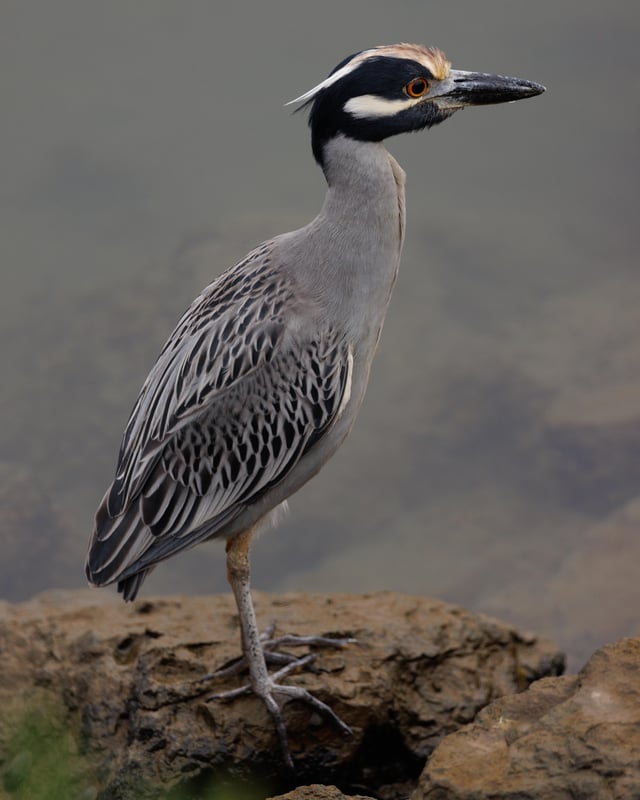
Have you ever felt the sudden gaze of a bird fixed right on you? That curious feeling when you catch a bird watching your every move can leave you wondering—why are birds watching me?
It’s not just your imagination. Birds have reasons for their attention, and understanding them can change how you see the world around you. Keep reading, and you’ll discover surprising facts that explain this strange connection between you and these feathered observers.
This could be the start of a whole new way to experience nature.
Credit: www.amazon.co.uk
Bird Behavior And Curiosity
Birds are curious creatures. They use their keen eyesight to watch the world around them. This behavior helps them find food, avoid danger, and learn about new environments. When birds watch you, they may be trying to understand if you are a threat or just another part of their surroundings.
Birds rely on observation to survive. They notice movements, colors, and sounds. Watching humans can give them clues about safety and food sources. Curiosity drives birds to explore and gather information about their environment. This natural instinct often leads them to stare or follow people.
How Birds Use Observation For Safety
Birds watch closely to protect themselves. They look for signs of predators or danger. Humans moving nearby may trigger their alertness. This helps birds decide when to fly away or stay calm. Their quick response can save their lives.
Curiosity About New Things
Birds are attracted to new objects or movements. A shiny item or unusual sound can catch their attention. Watching humans may satisfy their curiosity. This helps them learn about changes in their habitat. Curiosity keeps birds alert and aware.
Social Behavior And Interaction
Some birds are social and like to observe others. They watch humans to understand behaviors and patterns. This helps them adapt to living near people. Social birds use observation to communicate and bond within their groups.
Learning Through Watching
Young birds learn by watching adults and surroundings. They observe to mimic feeding and flying skills. Watching humans can add to their learning experience. This behavior ensures they survive and thrive in various environments.

Credit: www.reddit.com
Natural Instincts At Play
Have you ever felt the eyes of birds fixed on you, as if they’re silently observing your every move? This curious behavior often stems from their natural instincts. Birds rely heavily on these instincts to navigate their world, and understanding them can help you see why you might be under their watchful gaze.
Survival Mechanisms
Birds are constantly alert to threats around them. When they watch you, it’s often because they are assessing whether you pose any danger. Your movements, sounds, and even your presence can trigger their survival sensors.
Think about a time when you noticed a bird suddenly stop chirping and stare your way. That moment of stillness is their way of gathering information. They decide whether to flee, hide, or stay based on what they observe.
If you want to avoid startling birds, try moving slowly and avoid sudden gestures. This can help lower their guard and reduce the intensity of their watchfulness.
Territorial Habits
Birds are fiercely protective of their space. They watch intruders closely to defend their nesting sites or food sources. This vigilance helps them maintain control over their territory.
Imagine a robin keeping an eye on you while you’re near its nest. It’s not just curious—it’s guarding its home. This behavior is especially strong during breeding season when their need to protect young birds is at its peak.
Next time you’re outside, ask yourself: are you unknowingly entering a bird’s territory? Understanding this can help you respect their boundaries and enjoy watching them without causing stress.
Attraction To Movement
Birds often notice movement quickly. Their sharp eyes catch even small motions from far away. Movement signals something new or interesting. This can explain why birds watch you closely. They respond to motion as part of their natural behavior. It helps them find food and stay safe.
Seeking Food Sources
Birds link movement to food chances. Waving hands or walking stirs insects and seeds. This makes food easier to spot. Birds watch humans to find meals nearby. They learn that movement may lead to snacks. This habit helps them survive in urban areas.
Curiosity About Human Activity
Birds are curious about what people do. They observe actions to understand their environment. Movement catches their attention and sparks interest. Watching humans helps birds learn about safety. It also shows where food or shelter might be. This curiosity drives them to follow and watch closely.
Credit: www.youtube.com
Bird Vision And Perception
Birds have vision that works very differently from humans. Their eyes help them notice small movements and details easily. This sharp sight explains why birds often seem to watch people closely. Understanding their vision gives us clues about their behavior and interest in humans.
Unique Visual Abilities
Birds see more than humans do. They have more types of color receptors in their eyes. This allows them to see ultraviolet light, which is invisible to us. Their eyes also have a high number of light-sensitive cells. This helps birds detect fast movements and fine details.
Birds can move each eye separately. This helps them watch a wide area at once. Their eyes are often larger in proportion to their heads. This makes their vision sharper and more focused.
Colors And Patterns
Birds notice colors differently than humans. They see a wider range of colors, including ultraviolet shades. These colors help birds identify each other and find food. Bright colors or unusual patterns on humans can attract birds’ attention.
Bird feathers reflect ultraviolet light. This makes birds more visible to each other. Humans may not see these colors, but birds do. Birds can also spot subtle movements in colors and patterns that humans miss.
Habitat And Environment Influence
Birds react strongly to their habitat and environment. These factors shape their behavior and interactions with humans. Whether you live in a city or countryside, birds behave differently. Their presence and attention depend on where they find food, shelter, and safety.
Urban Vs. Rural Settings
Birds in cities face many challenges. Noise, buildings, and fewer trees change their habits. Some birds get used to humans and watch closely. They learn to find food near people.
In rural areas, birds see less disturbance. They often stay cautious but can still watch humans. They rely on natural food sources and quiet places. Birds in both settings watch to find food or protect their nests.
Seasonal Changes
Seasons affect bird behavior a lot. In spring, birds become very active and curious. They watch to guard nests and young ones. During winter, birds might watch humans for food help.
Migration also changes bird patterns. Birds may watch humans more in stopover spots. They seek safe places and easy meals. Seasons guide when and why birds pay attention.
Human Interaction And Impact
Birds watching you is not just a curious encounter; it reflects the complex relationship between humans and wildlife. Your presence, actions, and habits can influence bird behavior in ways you might not expect. Understanding this interaction helps you appreciate how your choices impact their lives and the environment.
Feeding And Birdwatching
Feeding birds can be a rewarding experience, but it’s a double-edged sword. When you offer food, birds may start associating you with a reliable source, causing them to observe your movements closely.
However, overfeeding or providing unhealthy food can disrupt their natural diet and behavior. Have you noticed birds crowding around your window or balcony after you put out seeds? That’s a sign of how your actions shape their habits.
To keep it balanced, offer seeds in moderation and choose types that match local bird diets. This helps maintain their natural instincts and keeps the interactions positive for both sides.
Conservation Efforts
Your interest in birds can support larger conservation projects that protect habitats and endangered species. By joining local birdwatching groups or citizen science programs, you contribute valuable data that helps researchers track bird populations.
Simple actions like planting native flowers or reducing pesticide use in your garden also create safer spaces for birds. Imagine if each bird you watched benefited from your small conservation efforts—how much difference could that make collectively?
Being mindful of your impact encourages a healthy coexistence. What small change can you make today to support the birds that watch you back?
Myths And Cultural Significance
Birds watching people has fascinated humans for centuries. Many cultures created stories and beliefs around this behavior. These myths often explain why birds seem to observe humans so closely. They connect birds with spiritual messages and signs from nature. Understanding these stories helps us see birds in a new light.
Folklore And Superstitions
In many traditions, birds watching humans carry special meanings. Some believe birds are messengers from the spirit world. Others think birds warn of good or bad luck. For example:
- In some cultures, a bird staring at you means protection.
- In others, it signals a coming change in life.
- Some believe birds can see your soul or intentions.
These old stories show how deeply birds are linked to human life. They also explain why people feel watched or judged by birds.
Symbolic Interpretations
Birds often symbolize freedom, wisdom, or mystery. Their watchful eyes can represent:
- Awareness of your surroundings.
- A call to pay attention to hidden truths.
- A reminder to stay alert and cautious.
Different birds hold different symbolic meanings. Owls, for example, symbolize knowledge and insight. Ravens may represent transformation and magic. These symbols shape how we feel about birds watching us.
Frequently Asked Questions
Why Do Birds Stare At Humans Closely?
Birds stare to assess potential threats or curiosity. They use visual cues to decide if you are safe or dangerous.
Can Birds Recognize Individual Humans?
Yes, some birds can remember and recognize specific humans. This ability helps them differentiate between threats and friendly people.
Do Birds Watch Me For Food?
Birds often watch humans to find food sources. They learn to associate people with feeding opportunities in urban areas.
Is Bird Watching Me A Sign Of Aggression?
Not always. Birds may watch out of curiosity or caution. Aggression usually involves other behaviors like vocalizing or attacking.
Conclusion
Birds watch you for many reasons. They may be curious or looking for food. Sometimes, they see you as part of their territory. Watching helps them stay safe from danger. Understanding this behavior can make your outdoor time better. Next time birds watch you, remember they are just being natural.
Enjoy the small moments with nature around you. Birds connect us to the wild world close by. Keep observing and learn more about these amazing creatures.