
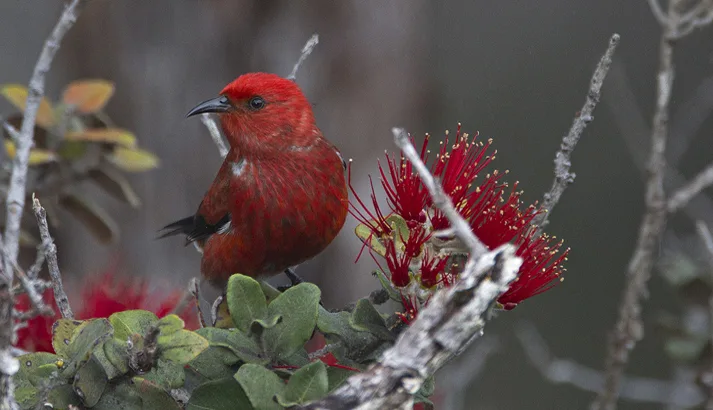
Are you ready to discover some of the most beautiful and rare birds in the world? Hawaii is a birdwatcher’s paradise, filled with vibrant colors and unique species you won’t find anywhere else.
Whether you’re a beginner or an experienced birder, knowing the best spots to watch birds can make all the difference. In this guide, you’ll find the top places in Hawaii where your birdwatching experience will come alive. Get ready to explore nature in a way that will leave you amazed and eager to see more.
Kilauea Point National Wildlife Refuge
The Kilauea Point National Wildlife Refuge on Kauai offers an unmatched birdwatching experience. This protected area is a sanctuary for native Hawaiian seabirds, many of which are rare or endangered. Visiting here gives you a chance to see these birds up close while enjoying the natural beauty of the island’s rugged coastline.
Rare Seabirds
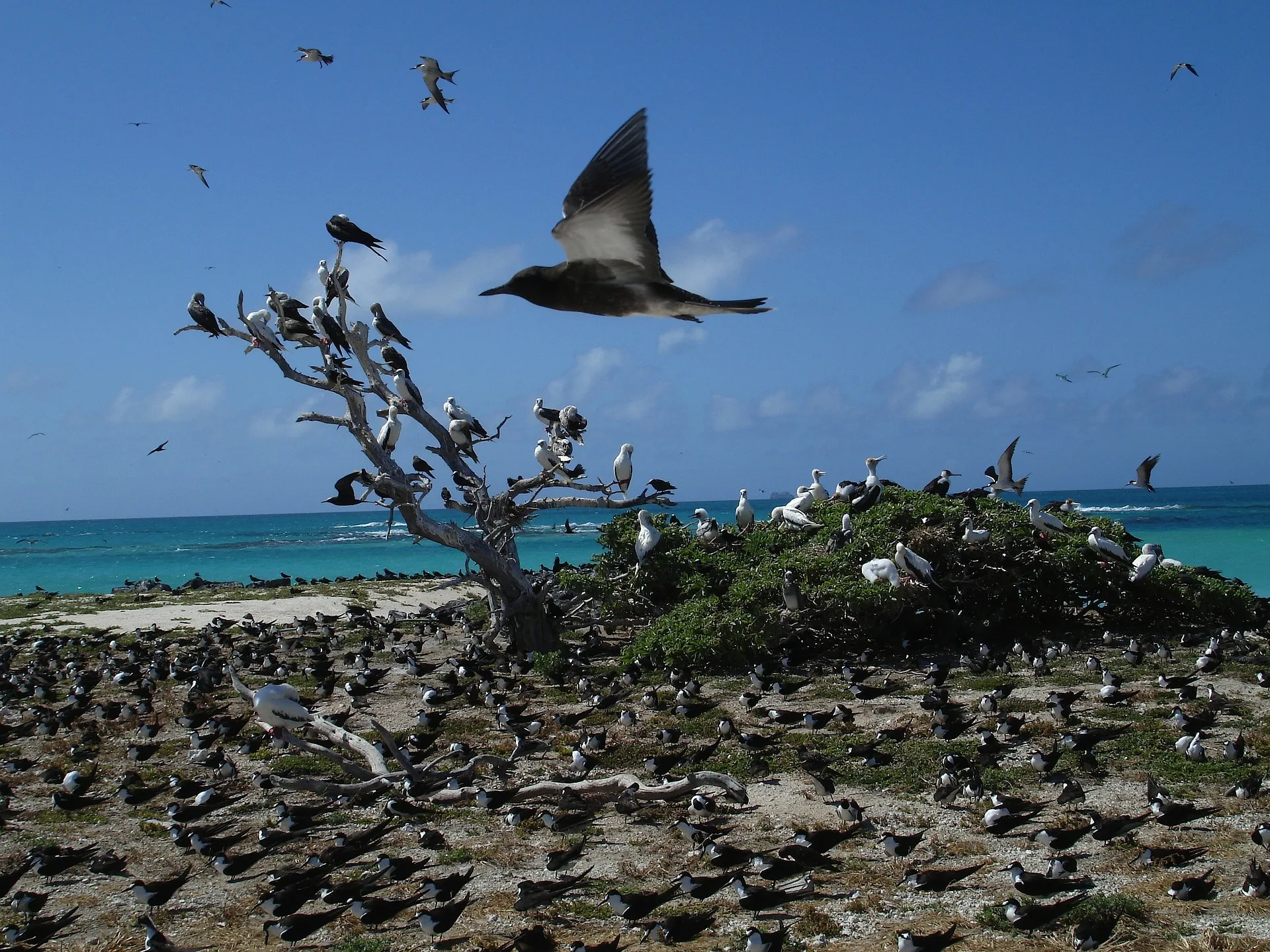
At Kilauea Point, you can spot some of Hawaii’s most elusive seabirds. The Laysan albatross, with its impressive wingspan, often glides overhead, while the endangered Newell’s shearwater nests in the cliffs. You might also catch sight of the red-footed booby, a striking bird with bright red feet that stands out against the blue ocean.
Have you ever witnessed a bird species that’s found nowhere else on Earth? Here, you get that rare opportunity. The refuge’s efforts to protect these species mean you’re seeing birds thriving in their natural habitat, not just passing through.
Scenic Views
The refuge isn’t just about birds; the views are equally stunning. Perched on a dramatic cliff, you’ll find panoramic sights of the Pacific Ocean stretching out endlessly. Watching seabirds soar against this backdrop makes the experience unforgettable.
Bring your binoculars and take time to enjoy the ocean breeze. You might even spot humpback whales migrating in the distance during the winter months. How often do you find a place where wildlife and scenery combine so perfectly?
Credit: www.hawaii-aloha.com
Hakalau Forest National Wildlife Refuge
Hakalau Forest National Wildlife Refuge is a special place on the Big Island of Hawaii. It protects native forests and many rare birds. The refuge covers a large area of lush forest on the slopes of Mauna Kea. Visitors come here to see birds that live only in Hawaii. The quiet trails and rich greenery create a perfect bird-watching spot. Hakalau Forest is vital for saving endangered birds and their habitats.
Native Hawaiian Birds
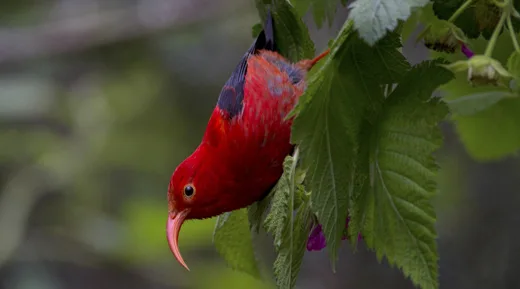
Hakalau Forest is home to many native Hawaiian birds. Some are very rare and found nowhere else. You might see the ‘Akohekohe, a beautiful honeycreeper with bright feathers. The ‘I’iwi, with its red color and curved beak, is another favorite. These birds eat nectar from native flowers. The forest also shelters the ‘Apapane and the Hawai’i Creeper. Bird calls fill the air, making the experience magical. Each bird plays a key role in the forest’s ecosystem.
Guided Tours
Guided tours help visitors explore Hakalau Forest safely. Knowledgeable guides share facts about the birds and plants. They lead small groups along marked trails. Tours teach how to spot birds without disturbing them. Early morning tours offer the best chance to hear bird songs. Guides explain why protecting these birds matters. Tours often include binoculars and field guides. They make bird watching easier and more fun for everyone.
Kealia Pond National Wildlife Refuge
Kealia Pond National Wildlife Refuge on Maui offers a rare glimpse into Hawaii’s unique wetland ecosystem. As you stroll along its trails, you’ll find yourself immersed in a serene habitat where native birds thrive. This refuge provides an excellent opportunity to see species that are hard to spot elsewhere on the islands.
Wetland Bird Species
Kealia Pond shelters several rare and endangered birds, making it a hotspot for birdwatchers. You can expect to see the Hawaiian stilt, known for its striking long legs and black-and-white plumage. Another highlight is the Hawaiian coot, a plump waterbird with a distinctive white bill.
Keep your eyes peeled for the Hawaiian gallinule, a shy bird with bright red frontal shield and long toes perfect for walking on lily pads. The refuge is also home to the Pacific golden plover, which migrates thousands of miles to spend part of the year here. Spotting these birds can be a rewarding challenge that sharpens your observation skills.
Visitor Facilities
The refuge is well equipped to make your visit comfortable and educational. There are paved trails and boardwalks that allow you to explore without disturbing the wildlife. Informational signs along the paths help you identify the birds and understand their environment.
A small visitor center offers maps, binocular rentals, and expert advice from staff who love sharing their knowledge. Restrooms and picnic areas are available, so you can plan a full day out. Have you thought about bringing a camera or binoculars to enhance your experience? These simple tools can transform a casual walk into an exciting birdwatching adventure.
Credit: www.hawaii-aloha.com
Waikamoi Preserve
The Waikamoi Preserve is a hidden gem on Maui that offers birdwatchers a unique chance to see some of Hawaii’s rarest species in their natural habitat. Nestled in the lush, high-elevation rainforests of the island, this preserve provides a peaceful escape from the crowds. Walking through its trails, you’ll quickly realize why it’s a must-visit spot for anyone serious about Hawaiian birding.
High-elevation Species
The Waikamoi Preserve is home to several native birds that thrive only at higher elevations. You might spot the ‘Apapane, a vibrant red honeycreeper known for its cheerful calls. Another special resident is the ‘I‘iwi, a striking scarlet bird with a curved bill perfect for sipping nectar.
These birds have adapted to cooler temperatures and unique forest plants found only in this area. Have you ever noticed how different bird calls can change as you climb higher? It’s a fascinating way to connect with nature’s subtle shifts.
Conservation Efforts
Waikamoi Preserve isn’t just a birdwatching spot; it’s a frontline in Hawaii’s battle to save endangered species. Volunteers and scientists work tirelessly to remove invasive plants and predators that threaten native birds. You might see signs explaining these efforts along the trails, showing how each small action helps protect these fragile ecosystems.
Visiting Waikamoi gives you a chance to support conservation firsthand. How would you feel knowing your visit helps fund projects that keep these rare birds singing for generations to come?
Hawaii Volcanoes National Park
Hawaii Volcanoes National Park offers a unique birdwatching experience set against one of the world’s most dynamic landscapes. Here, you can witness rare birds thriving amidst ancient lava flows and lush forests. The park’s diverse environment supports species that you won’t find anywhere else on Earth.
Endemic Birdwatching
This park is a sanctuary for several endemic Hawaiian birds, meaning they are found only in this region. Spot the ‘I’iwi, with its bright red feathers and curved bill, busily feeding on nectar. The endangered Nene, Hawaii’s state bird, often wanders near trails, offering a rare chance for close observation.
Bird calls echo differently here, making it easier to locate species if you listen carefully. Early mornings are ideal for quiet walks where you can hear the melodic songs of the ‘Apapane. Have you ever noticed how some birds seem to blend perfectly with the forest? That’s survival at work, and it challenges you to sharpen your observation skills.
Volcanic Landscapes
Birdwatching in volcanic terrain adds an unexpected thrill to your adventure. The stark contrast between black lava fields and green forests creates habitats for species adapted to extreme conditions. You might see the Hawaiian Hawk soaring above the rugged cliffs, using thermal currents to glide effortlessly.
Walking along the park’s trails, you’ll encounter areas where new vegetation sprouts from cooled lava. These zones attract insects, which in turn draw insectivorous birds such as the ‘Elepaio. Observing how life returns after volcanic activity can deepen your appreciation for nature’s resilience and adaptation.
Alakai Wilderness Preserve
The Alakai Wilderness Preserve on Kauai offers a special place for bird watchers. It is one of the wettest spots on Earth, filled with lush greenery and rare birds. The preserve covers over 10,000 acres of untouched forest and bogs. It protects many native bird species found only in Hawaii. Visiting here means stepping into a peaceful world full of nature’s wonders.
Remote Birding Experience
Birding in the Alakai Wilderness is unlike any other in Hawaii. Trails are quiet and often empty of crowds. The journey can be challenging, with muddy paths and misty weather. This remoteness allows birds to live undisturbed. Bird watchers have a good chance to see native species close up. Patience and quiet steps bring rewarding sightings.
Unique Ecosystems
The preserve hosts several rare ecosystems. Thick forests give shelter to many birds and plants. High-elevation bogs create a wet, spongy ground that is home to unusual wildlife. Native plants like ʻōhiʻa lehua and koa trees thrive here. These habitats support endangered birds like the ‘Akikiki and ‘Akeke’e. Each ecosystem adds to the richness of the birding experience.
Kokee State Park
Kokee State Park, nestled on the western side of Kauai, offers a unique birdwatching experience unlike any other in Hawaii. Its high elevation and lush native forests create an ideal habitat for many rare and endemic bird species. If you want to see Hawaii’s mountain birds in their natural environment, this park is a must-visit destination.
Mountain Birds
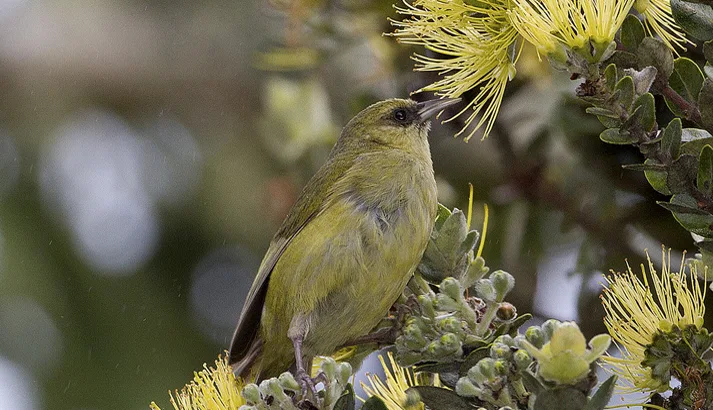
The cooler temperatures and dense forests of Kokee State Park attract some of Hawaii’s most fascinating mountain birds. You might spot the
Keep an eye out for the Elepaio, a curious little monarch flycatcher that often flits near trails. Hearing their calls is almost as rewarding as spotting them. You’ll find these birds only in Hawaii’s upland forests, which makes Kokee a special place for bird lovers.
Trail Highlights
- Kokee Trail:This trail winds through mixed native and introduced forests, giving you chances to see multiple bird species along the way.
- Alakai Swamp Trail:While this trail leads to a high-elevation bog, it’s a hotspot for rare birds like the Akikikiand Akeke’e, both endangered honeycreepers.
- Pihea Trail:Offering panoramic views, this trail also provides ample birdwatching opportunities with plenty of resting spots to listen and observe.
Bring binoculars and a field guide to help you identify different species. Early morning is the best time to catch the birds when they are most active. Have you ever noticed how much more alive the forest feels when you tune into the sounds of its feathered residents?
Credit: www.hawaii-aloha.com
James Campbell National Wildlife Refuge
The James Campbell National Wildlife Refuge offers a unique birdwatching experience in Hawaii. Located on Oahu’s north shore, this protected area serves as a vital habitat for many bird species. Its mix of wetlands and open fields creates an inviting environment for both resident and migratory birds.
Migratory Birds
This refuge is a crucial stopover for migratory birds traveling along the Pacific Flyway. You can spot species like the Pacific Golden-Plover and the Wandering Tattler resting here during their long journeys. Watching these birds up close reveals their incredible endurance and adaptability.
Have you ever noticed how some birds seem to appear suddenly in familiar places each year? At James Campbell, you get to witness this natural rhythm firsthand. The refuge’s wetlands provide food and shelter, making it a reliable sanctuary for these travelers.
Seasonal Highlights
Birdwatching here changes with the seasons, offering different highlights throughout the year. During winter months, you’ll see an influx of shorebirds that migrate from Alaska and Siberia. Spring and summer bring native Hawaiian waterbirds like the endangered Hawaiian Stilt.
Timing your visit can make all the difference. Early mornings often reveal the most bird activity, with many species feeding or calling at dawn. Are you ready to experience the quiet thrill of spotting rare birds in their natural habitat?
Frequently Asked Questions
Where Are The Best Birdwatching Spots In Hawaii?
The best birdwatching spots in Hawaii include Haleakalā National Park, Hakalau Forest, and Kilauea Point National Wildlife Refuge. These areas host native and migratory birds, offering excellent viewing opportunities throughout the year.
What Native Birds Can I See In Hawaii?
Hawaii is home to unique native birds like the Nēnē (Hawaiian goose), ʻIʻiwi, and the Hawaiian honeycreepers. These species are often found in protected forests and wildlife refuges.
When Is The Best Time For Birdwatching In Hawaii?
The best time for birdwatching in Hawaii is during spring and fall. Migratory birds arrive, and native species are active, making sightings more frequent and diverse.
Are There Guided Birdwatching Tours In Hawaii?
Yes, Hawaii offers many guided birdwatching tours led by experts. These tours provide insights into bird habits, habitats, and conservation efforts, enhancing the overall experience.
Conclusion
Hawaii offers many great spots for bird watching. You can see native and unique birds in forests and parks. Each location has special birds to discover. Bring your binoculars and enjoy nature’s beauty. Spend quiet moments to hear bird songs.
Visiting these places supports local wildlife and conservation. Plan your trip to enjoy these peaceful bird habitats. Nature lovers will find joy in Hawaii’s bird watching. A simple walk can bring many bird surprises. Explore, watch, and appreciate Hawaii’s wonderful bird life.