
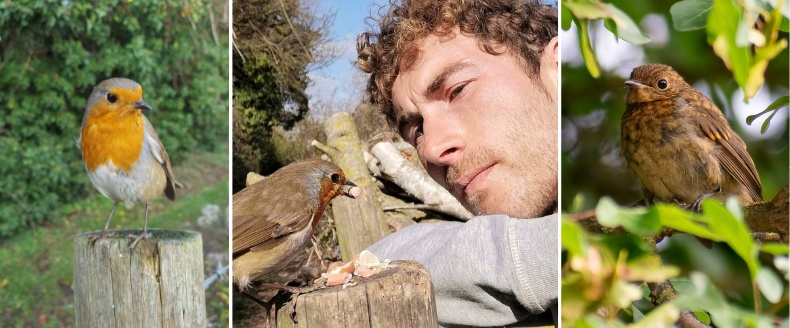
Have you ever stopped to notice the birds around you? Maybe you’ve wondered what it’s like to spend time watching them closely.
If so, you’re not alone. A bird watcher is someone who finds joy in observing birds in their natural habitats. But bird watching is more than just a hobby—it’s a way to connect with nature, sharpen your focus, and even find peace in your busy life.
Keep reading to discover what being a bird watcher really means and how you can start enjoying this fascinating activity today.
Bird Watching Basics
Understanding the basics of bird watching sets a solid foundation for enjoying this rewarding hobby. Whether you’re standing quietly in a park or trekking through a forest, knowing what bird watching truly involves can transform your experience. Let’s break down the essentials to get you started on the right foot.
Definition Of Bird Watching
Bird watching, also called birding, is the activity of observing birds in their natural environment. It’s about more than just spotting birds; it involves identifying different species by their appearance, sounds, and behaviors.
Many bird watchers use binoculars and field guides to help them recognize birds, but the real joy comes from the patience and attention you develop. Have you ever noticed how the smallest details—a flash of color or a unique call—can reveal the identity of a bird?
History And Evolution
Bird watching dates back centuries, originally tied to naturalists who studied birds for scientific purposes. Over time, it evolved into a popular recreational activity enjoyed worldwide.
In the early 20th century, the introduction of affordable binoculars and comprehensive bird guides made bird watching accessible to more people. Today, technology like smartphone apps helps you log sightings and connect with fellow bird enthusiasts.
Think about how your own interest in nature might have changed with new tools or knowledge—what discoveries could you make with just a little practice and curiosity?
Credit: www.foxnews.com
Essential Gear For Bird Watchers
Bird watching is a rewarding hobby, but having the right gear makes all the difference. The essential tools you carry can help you spot and identify birds more easily and enjoy your time outdoors. Let’s look at some key equipment that every bird watcher should consider packing.
Binoculars And Spotting Scopes
Binoculars are your best friend when bird watching. They bring distant birds closer, letting you see details like feather patterns and colors.
Look for binoculars that are lightweight and have good magnification, such as 8×42 models. They balance a wide view with enough zoom to catch subtle details.
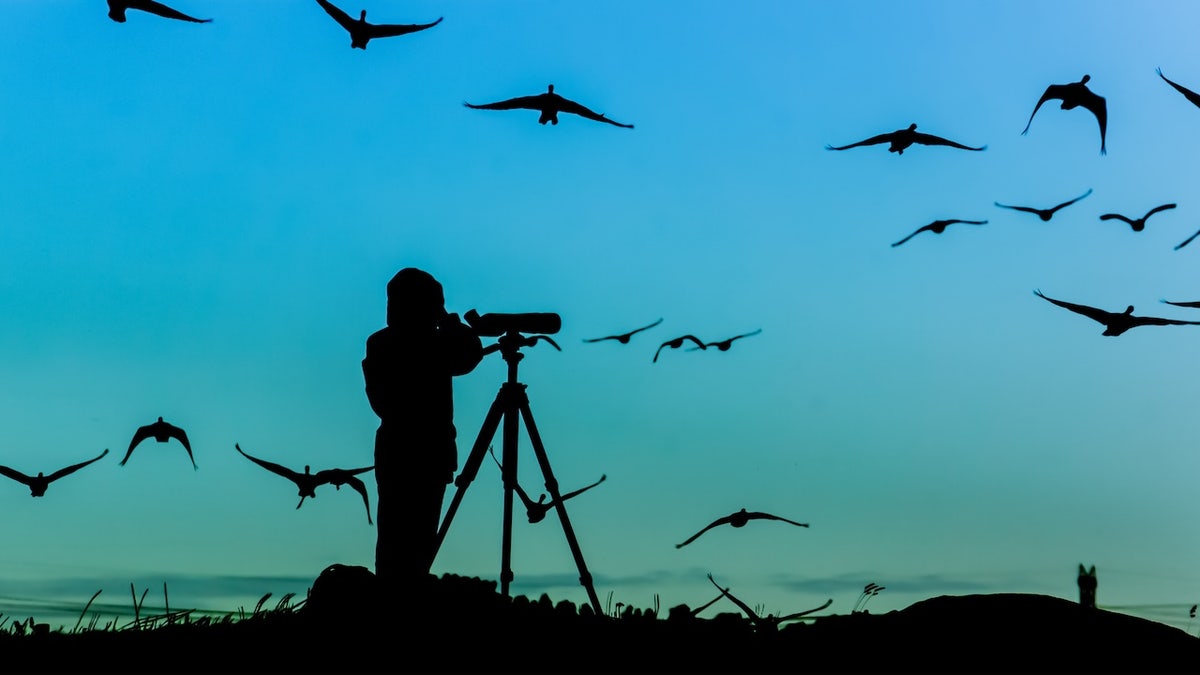
If you want to observe birds from very far away, a spotting scope is a great addition. It offers higher magnification but usually needs a tripod for stability.
Have you ever missed a rare bird because your gear wasn’t up to the task? Investing in quality optics can change your experience completely.
Field Guides And Apps
A reliable field guide helps you identify birds quickly. Printed books often include detailed illustrations and useful information about habits and habitats.
Many bird watchers now use apps on their phones to identify birds by photos, sounds, or location. Apps like Merlin Bird ID provide instant help in the field.
Combining a physical guide with a digital app covers all bases. You get the tactile experience of a book and the convenience of technology.
What’s your favorite way to learn about new bird species? Keeping notes or photos with apps can turn a casual outing into a growing personal database.
Skills And Techniques
Bird watching requires specific skills and techniques to enjoy and succeed. These skills help watchers notice subtle details and understand bird behavior. Sharp observation and accurate identification are key parts of the experience.
Observation Tips
Patience is vital when watching birds. Sit quietly and avoid sudden movements. Use binoculars to see birds clearly from a distance. Focus on the bird’s size, shape, and colors. Listen carefully to bird calls and songs. Note the bird’s habits, such as how it moves or feeds. Record your observations in a notebook for future reference.
Bird Identification
Identifying birds involves looking at several features. Check the bird’s color patterns and markings. Notice the beak shape and length. Observe the bird’s size compared to common objects or other birds. Study the wing and tail shapes during flight. Use field guides or apps to compare your observations. Learning common bird species in your area makes identification easier.
Credit: blog.happybeaks.co.uk
Popular Bird Watching Destinations
Bird watchers find joy in exploring places rich with feathered life. Popular bird watching destinations attract many enthusiasts eager to spot rare and colorful species. These locations offer diverse habitats, making bird watching exciting and rewarding.
National Parks
National parks are excellent spots for bird watchers. They protect natural habitats where birds thrive. Visitors can see eagles, owls, woodpeckers, and many songbirds. The variety of trees and water sources draws different birds. Trails and viewing points make it easier to observe birds quietly. Examples include Yellowstone, Everglades, and Yosemite National Parks.
Urban Birding Spots
Bird watching is possible even in cities. Urban parks, gardens, and green spaces host many bird species. Pigeons, sparrows, and finches are common city birds. Some urban spots attract migratory birds during certain seasons. Rooftops and balconies can also serve as good viewing points. City birding offers convenience and surprises for watchers.
Bird Watching Etiquette
Bird watching is a peaceful activity that connects people with nature. Following proper etiquette keeps the experience enjoyable for everyone. It helps protect birds and their habitats. It also fosters respect among bird watchers. Understanding basic etiquette is key to a rewarding birding trip.
Respecting Nature
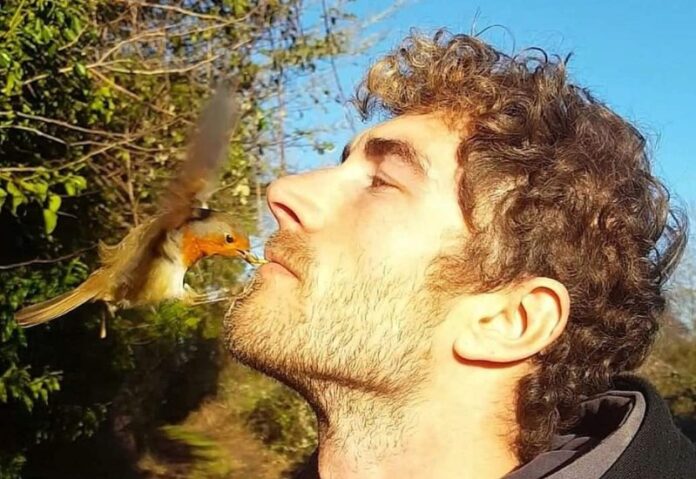
Keep a safe distance from birds and nests. Avoid loud noises that may scare them away. Stay on marked paths to protect plants and ground nests. Never feed wild birds; it disrupts their natural diet. Carry out all trash to keep the environment clean. Use binoculars and cameras quietly to avoid disturbing wildlife.
Interacting With Fellow Birders
Share good spots and sightings politely. Avoid shouting or making sudden movements near others. Give space to those using tripods or scopes. Listen more than you speak to learn from others. Use quiet voices to maintain a calm atmosphere. Respect different skill levels; all birders are welcome.
Benefits Of Bird Watching
Bird watching offers many benefits beyond just spotting beautiful birds. It helps improve mental health, relaxes the mind, and builds a sense of community. It also serves as a great way to learn about nature and wildlife. Here are some key benefits of bird watching.
Mental Health And Relaxation
Bird watching calms the mind and reduces stress levels. Quiet moments spent observing birds help clear negative thoughts. Nature sounds and fresh air improve mood and focus. This activity encourages mindfulness and deep breathing. It also provides a gentle form of exercise, boosting overall well-being.
Educational And Community Aspects
Bird watching teaches about different species and their habitats. It sharpens observation and identification skills. Many bird watchers join clubs or groups, creating social bonds. Sharing knowledge and experiences builds a supportive community. It also raises awareness about conservation and protecting nature.
Getting Started As A Bird Watcher
Starting as a bird watcher can be a rewarding journey filled with discovery and connection. It’s not just about spotting birds but becoming part of a community that shares your curiosity. You’ll find that engaging with others and joining activities can deepen your experience and sharpen your skills.
Joining Clubs And Communities
Finding a local bird watching club or an online community is a great way to begin. These groups offer support, advice, and opportunities to learn from experienced bird watchers. You might meet people who can recommend the best nearby spots or help you identify tricky birds.
Many clubs organize regular outings and workshops. Participating in these events lets you practice your skills in a friendly setting. Plus, seeing how others observe birds can give you new techniques to try.
Participating In Bird Counts
Bird counts are organized events where volunteers tally bird species in specific areas. Taking part helps you contribute to important scientific data while improving your identification skills. It’s a hands-on way to learn and feel part of a bigger effort.
These counts often happen yearly or seasonally. You don’t need to be an expert to join; beginners are welcome, and you’ll often work with more experienced birders. Have you thought about how tracking bird numbers might change your view of your local environment?
Credit: www.foxnews.com
Frequently Asked Questions
What Is A Bird Watcher?
A bird watcher is someone who observes and studies birds in their natural habitat. They often use binoculars and field guides. Bird watching is both a hobby and a scientific activity, helping people appreciate nature and learn about bird species.
How Do Bird Watchers Identify Birds?
Bird watchers identify birds by observing their size, color, shape, and behavior. They use field guides and apps to compare features. Listening to bird calls also helps in accurate identification during bird watching.
Why Is Bird Watching Popular Worldwide?
Bird watching is popular because it connects people with nature. It is relaxing, educational, and suitable for all ages. Bird watchers enjoy discovering new species and exploring diverse environments globally.
What Equipment Do Bird Watchers Need?
Basic bird watching equipment includes binoculars, a field guidebook, and a notebook. Some use cameras or spotting scopes for detailed viewing. Comfortable clothing and a quiet approach improve the bird watching experience.
Conclusion
Bird watching opens a window to nature’s beauty and peace. It helps people slow down and notice small details. Bird watchers enjoy quiet moments outdoors and learn about different species. This hobby suits all ages and skill levels. Anyone can start with just a pair of binoculars and patience.
The joy comes from watching birds in their natural homes. It’s a simple way to connect with the world around us. Try bird watching to find calm and curiosity in everyday life.