

Are you curious about the amazing birds passing through Skagit right now? If you love nature and want to spot some beautiful migrating birds, you’re in the right place.
Knowing which birds are on the move can make your outdoor time more exciting and rewarding. Keep reading to discover the incredible species you can see today and learn how to spot them easily. Your next great birdwatching adventure starts here!
Migratory Patterns In Skagit
Skagit Valley is a vibrant hub for bird migration, offering a unique window into the seasonal journeys of many species. Understanding the migratory patterns here can help you predict when and where to spot these feathered travelers. These patterns are shaped by geography, weather, and the availability of food, making Skagit a hotspot for birdwatching enthusiasts.
Migratory Routes Through Skagit
Skagit lies along the Pacific Flyway, a major north-south route for migratory birds in America. Birds follow this corridor from Alaska and Canada down to Mexico and Central America. The valley’s wetlands, forests, and farmlands provide crucial stopover points to rest and refuel.
Have you noticed how some birds arrive earlier than others? This staggered timing helps reduce competition for food resources.
Seasonal Arrival Of Key Species
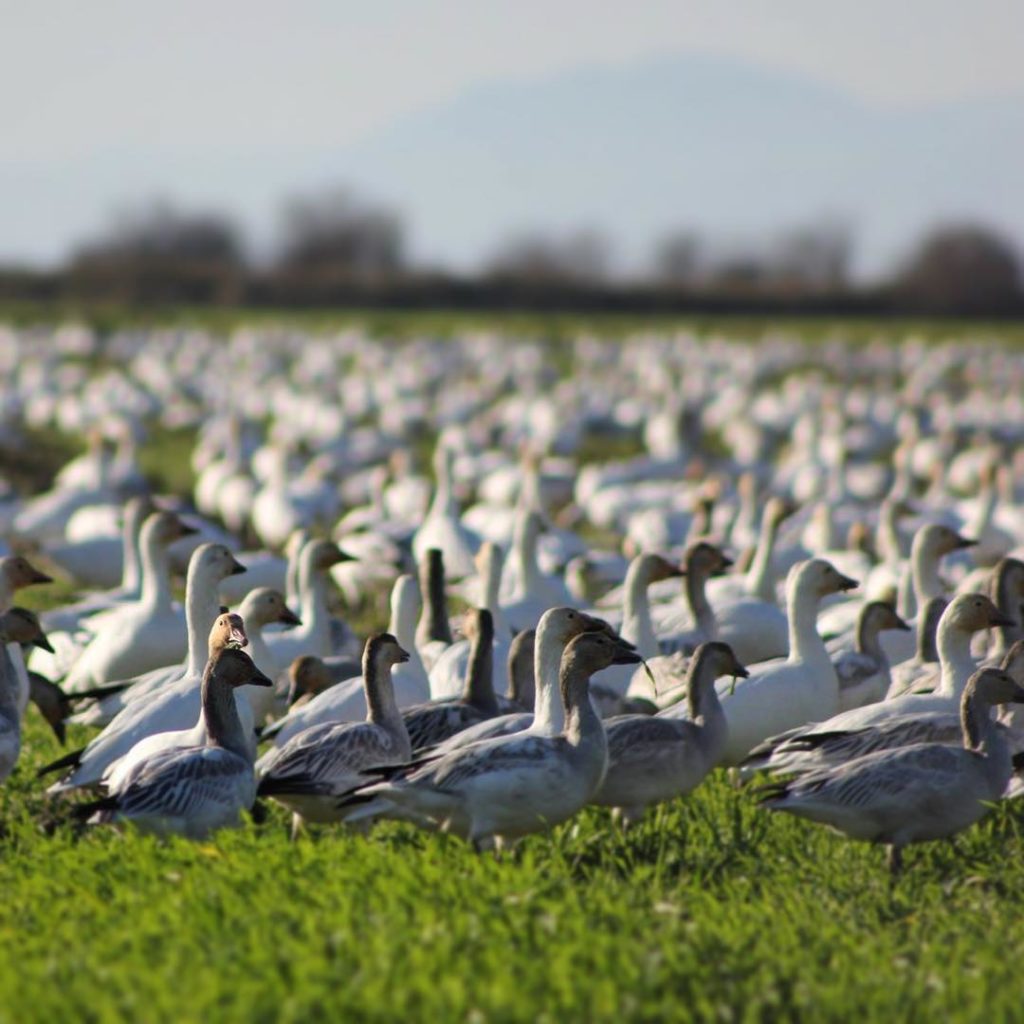
In early spring, you’ll see species like the Western Sandpiper and Snow Geese arriving first. Later in spring, ducks, swans, and raptors make their appearance. Each wave of migration offers different species to observe and enjoy.
Tracking these arrivals over the years can reveal shifts caused by climate or habitat changes. What changes have you observed in your area?
Impact Of Weather And Climate
Weather plays a huge role in migration timing and success. Strong winds, storms, or unseasonal temperatures can delay or accelerate bird movements. Local microclimates in Skagit can create ideal conditions that attract large flocks.
Understanding these patterns helps you plan your birdwatching trips to catch peak migration activity. What weather conditions have you found to be best for spotting migrating birds?
Key Migratory Species
Skagit is a vital stop for many bird species during migration. Birds use this region to rest and refuel before continuing their journey. Understanding key species helps bird watchers and nature lovers appreciate the diversity passing through.
Waterfowl In Transit
Skagit hosts large numbers of waterfowl each migration season. Ducks, geese, and swans fill the wetlands and estuaries. Species like the Greater White-fronted Goose and Tundra Swan are common sights. These birds rely on the rich food supply in Skagit’s marshes. They often gather in large flocks, creating stunning displays.
Raptors On The Move
Birds of prey use Skagit’s open skies as a highway. Hawks, eagles, and falcons soar above, riding thermal currents. The Bald Eagle is a frequent visitor, recognizable by its white head. Sharp-shinned Hawks and Red-tailed Hawks also pass through. Raptors hunt small mammals and birds during their stopovers.
Passerines Passing Through
Small songbirds, or passerines, travel in great numbers. Warblers, sparrows, and thrushes rest in Skagit’s forests and shrubs. Species such as the Yellow-rumped Warbler and Swainson’s Thrush are typical migrants. These birds feed on insects and berries to build energy. Their colorful plumage adds beauty to the landscape.
Seasonal Timing And Triggers
The seasonal timing of bird migration in Skagit is a fascinating natural event shaped by precise triggers. These triggers help birds decide when it’s time to leave or arrive, ensuring they travel under the best conditions. Understanding these cues gives you a deeper appreciation of the delicate balance birds maintain with their environment.
Environmental Cues
Birds rely heavily on changes in daylight to signal migration time. As days grow shorter or longer, their internal clocks adjust, prompting restlessness known as “zugunruhe.”
In Skagit, you might notice that certain species, like the Sandhill Cranes, start gathering just as daylight decreases in late fall. These environmental signals act like a calendar in the birds’ minds, guiding their movements with surprising accuracy.
Weather Influences
Weather patterns play a critical role in migration timing. Birds often wait for favorable winds to conserve energy during long flights.
Sharp drops in temperature or incoming storms can hasten departure, while calm, mild weather encourages stops for feeding and rest. Have you ever wondered why some days seem perfect for birdwatching? It’s often the weather’s subtle cue that migration is underway.
Credit: www.scientificamerican.com
Habitats And Stopover Sites
Skagit offers vital habitats where many migrating birds rest and refuel. These spots provide food, shelter, and safety during long journeys. Understanding these habitats helps bird watchers know where to find different species now. Each type of habitat supports unique groups of birds depending on their needs.
Wetlands And Estuaries
Wetlands and estuaries in Skagit serve as crucial stopover sites. They host many waterfowl, shorebirds, and waders. Birds such as sandpipers, ducks, and herons gather here to feed on fish, insects, and plants. These areas also offer calm waters and dense vegetation for resting.
Many migratory birds depend on the rich food supply found in these wet areas. The mix of fresh and saltwater supports diverse life forms. This abundance attracts birds traveling thousands of miles. Watching them here reveals a lively scene of flocks feeding and preening.
Forests And Fields
Forests and fields provide shelter and food for songbirds and raptors. Trees give cover and nesting spots while fields offer seeds and insects. Birds like warblers, hawks, and sparrows use these lands to regain energy. These habitats also protect birds from predators and harsh weather.
Skagit’s forests include coniferous and deciduous trees, creating varied habitats. Open fields with grasses and wildflowers attract seed-eaters and insectivores. This diversity supports a wide range of species during migration. Bird watchers often spot colorful birds and hear their calls in these areas.
Conservation Efforts
Conservation efforts play a vital role in protecting the migrating birds of Skagit. Without these efforts, many species could lose the essential resources they need during their long journeys. Understanding what is being done helps you appreciate how your actions can support these amazing travelers.
Preserving Critical Habitats
Skagit’s wetlands and estuaries are lifelines for migrating birds. These areas provide food, shelter, and rest during their travels. Local organizations work tirelessly to protect these habitats from development and pollution.
One inspiring example is the Skagit Wildlife Area, where restoration projects have improved water quality and native vegetation. This effort has attracted thousands of shorebirds and waterfowl each season. How often do you consider the importance of these spaces when you visit or live nearby?
Community Initiatives
You can see community passion in action through volunteer bird counts and habitat clean-ups. These initiatives not only gather important data but also build awareness among residents and visitors. Getting involved in such activities gives you a direct role in conservation.
Schools and local groups often partner with wildlife agencies to educate people about bird migration. These programs encourage young people to become stewards of their environment. Imagine the impact if every community member took part in protecting Skagit’s birds.

Credit: www.wildlifenomads.com
Birdwatching Tips
Birdwatching in Skagit during migration season is an exciting experience that rewards patience and preparation. To make the most of your time spotting these incredible travelers, having the right tips at hand can transform a casual outing into a memorable adventure. Let’s dive into practical advice to help you see more birds and enjoy your day outdoors.
Best Viewing Locations
Skagit is famous for its diverse habitats, so picking the right spot can dramatically improve your birdwatching success.
- Skagit Wildlife Area:This vast wetland attracts large flocks of waterfowl and shorebirds. Early mornings here bring the best light and activity.
- Padilla Bay Reserve:Ideal for spotting migrating shorebirds and raptors. The tidal flats reveal feeding birds at low tide, so check tide charts before you go.
- Deception Pass State Park:Offers cliffside views where you can watch birds soar overhead, especially falcons and eagles during migration.
Have you noticed how some locations seem quieter yet yield better sightings? Sometimes less popular spots hold the hidden gems of bird diversity.
Essential Gear For Birding
Bringing the right gear enhances your ability to spot and identify birds without disturbing them.
- Binoculars:Choose ones that are lightweight but offer clear magnification. You’ll want to scan the skies and wetlands quickly and comfortably.
- Field Guide or App:A local bird identification guide or app helps you confirm what you’re seeing. Apps with bird calls can also lure out shy species.
- Comfortable Clothing:Dress in layers and wear neutral colors. Birds are less likely to notice you if you blend into the environment.
- Notebook or Voice Recorder:Recording your observations helps track migration patterns and improves your skills over time.
Ever tried using a voice recorder to catch a bird’s song for later ID? It’s a simple trick that can make a big difference in learning calls.
Impact Of Climate Change
Climate change is reshaping the natural world, and bird migration in Skagit is no exception. Rising temperatures and shifting weather patterns are causing birds to alter their traditional behaviors. These changes affect not only when birds migrate but also where they travel and how they survive.
Altered Migration Routes
Birds in Skagit are changing their migration paths in response to new climate realities. Some species are flying earlier or later than usual, while others take different routes to find food and suitable habitats. These shifts can disrupt established ecosystems and may bring unexpected species to your local area.
Have you noticed unusual birds appearing during migration seasons? This could be a sign that their routes are changing. Pay attention to the timing and types of birds you see—it’s a real-time glimpse into how climate change affects wildlife.
Species Adaptations
Birds are not just moving differently; they’re adapting in other ways too. Some species are adjusting their diets to cope with new food availability, while others change their breeding times to match shifting seasons. These adaptations are vital for survival but can also lead to challenges in maintaining population numbers.
Your backyard or local park might be a frontline observation point for these changes. Noticing which birds stay longer or arrive earlier can tell you how well they’re adapting. What changes have you seen in your local bird populations?
Credit: www.hellobc.com
Frequently Asked Questions
What Bird Species Migrate Through Skagit Valley Now?
Skagit Valley hosts migrating waterfowl like snow geese, tundra swans, and sandhill cranes during spring. Various songbirds and raptors also pass through the area.
When Does Bird Migration Peak In Skagit Valley?
Bird migration in Skagit Valley typically peaks from late February through April. This period offers the best chance to see diverse species moving north.
Why Is Skagit Valley Important For Migrating Birds?
Skagit Valley provides rich wetlands and agricultural fields, offering food and resting spots. It serves as a critical stopover on the Pacific Flyway migration route.
How Can I Watch Migrating Birds In Skagit Safely?
Visit designated birding areas and maintain a respectful distance. Use binoculars and avoid disturbing nesting or feeding birds for ethical observation.
Conclusion
Birds migrating through Skagit bring life and color to the area. Watching them helps us connect with nature and seasons. Many species travel long distances to find food and safety. Each bird has its own unique journey and timing. Keep your binoculars ready and enjoy the show.
This migration season offers a special chance to learn and explore. Nature’s rhythms are alive and changing right before your eyes. Stay curious and keep discovering the birds passing through Skagit today.