
Have you ever wondered where birds fly off to when they leave the UAE? The skies above your home are filled with incredible travelers on an amazing journey.
Understanding where these birds migrate from the UAE can open your eyes to nature’s secrets and connect you to the world beyond. If you’re curious about these winged explorers and want to discover the paths they take, keep reading—your next fascinating discovery is just ahead.
Bird Migration Patterns
Bird migration patterns from the UAE reveal fascinating journeys that many species undertake each year. These patterns are shaped by the region’s unique geography and climate, acting as a crossroads between continents. Understanding these routes helps you appreciate how birds navigate vast distances and the challenges they face along the way.
Routes Birds Take From The Uae
Many birds leave the UAE heading north toward Europe and Asia during spring. Others migrate south to Africa as the weather cools. The UAE serves as a crucial stopover where birds rest and refuel before continuing their long flights.
- Birds like the Steppe Eagle travel from Central Asia through the UAE to Africa.
- Smaller species, such as warblers, move between Europe and the Indian subcontinent.
- Waterfowl often use the coastal areas of the UAE to rest during their migration.
Timing And Triggers Of Migration
Migration timing depends heavily on changes in daylight and temperature. Birds sense these environmental cues to know when to start their journey. You might notice increased bird activity in the UAE during early spring and late autumn, marking the start of migration seasons.
Have you ever wondered how birds know exactly when to leave? Their internal biological clocks and hormonal changes play a big role. This precision helps them avoid harsh weather and find food more easily.
Challenges Faced During Migration
Migration is dangerous. Birds face threats like extreme weather, lack of food, and human-made obstacles. The UAE’s rapid urban growth affects traditional stopover sites, making it harder for birds to rest.
Imagine flying thousands of kilometers without a reliable place to stop. This struggle makes conservation efforts in the UAE critical. Protecting wetlands and green spaces can make a huge difference for migrating birds.

Credit: www.msn.com
Key Migratory Birds In Uae
The UAE serves as a crucial stopover for many migratory birds traveling between continents. These birds find rest, food, and shelter here before continuing their long journeys. Understanding the key migratory birds you can spot in the UAE helps you appreciate the region’s role in global bird migration.
Steppe EagleThe Steppe Eagle is a large bird of prey that migrates to the UAE during the winter months. It breeds in Central Asia and winters in the Middle East, including the UAE. Watching these majestic raptors soar high above deserts can leave you in awe of nature’s endurance.
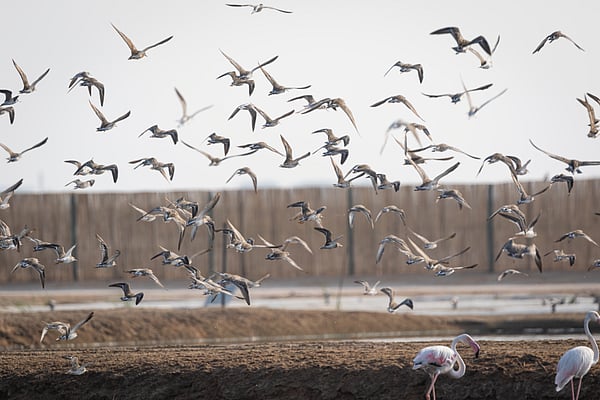
Greater FlamingoGreater Flamingos flock to the UAE’s wetlands and lagoons, especially during the cooler months. Their vibrant pink feathers and social behavior make them a favorite for bird watchers. Have you ever seen a huge flock of flamingos take flight? It’s a stunning sight that feels almost surreal.
European Bee-eaterKnown for its colorful plumage, the European Bee-eater migrates from Europe to the UAE in search of insects. These birds brighten up the skies with their sharp, fast flights and incredible agility. Spotting their vibrant colors against the desert backdrop is a rewarding experience for any nature lover.
OspreyThe Osprey travels to the UAE to hunt fish in coastal waters and inland lakes. This bird’s impressive fishing skills and distinctive diving behavior make it a fascinating species to observe. Have you ever witnessed an osprey plunge into water to catch a fish? It’s a powerful reminder of nature’s precision.
Black-tailed GodwitThese long-legged waders visit the UAE’s mudflats and salt pans during migration. Their loud, distinctive calls and elegant flight patterns are easy to notice if you know where to look. Next time you’re near a wetland, try to spot these birds—they might just surprise you.
Routes And Destinations
Birds migrating from the UAE follow distinct routes to reach their winter homes. These paths guide them across continents and seas. The routes vary based on species and weather conditions. Each flyway connects the UAE to rich feeding grounds and safe resting spots. Understanding these routes helps in protecting migratory birds and their habitats.
East Africa Flyway
This route takes birds from the UAE southward along the Arabian Peninsula. They cross the Red Sea and enter East Africa. Key stopovers include Sudan, Ethiopia, and Kenya. Birds find wetlands and lakes to rest and feed. Many waterbirds and raptors use this flyway for migration.
Central Asia Flyway
Birds flying along this path move north and northeast from the UAE. They travel across Iran, Kazakhstan, and Mongolia. This route connects the Middle East to breeding grounds in Central Asia. It supports species like cranes, storks, and various shorebirds. The flyway is crucial for birds needing open wetlands and grasslands.
West Asia Flyway
From the UAE, some birds head northwest along the West Asia Flyway. They pass through Iraq, Syria, and Turkey toward Europe. This path serves many songbirds and birds of prey. It offers diverse habitats such as forests, deserts, and river valleys. The flyway is vital for birds crossing between Asia and Europe.
Credit: www.khaleejtimes.com
Factors Influencing Migration
Bird migration from the UAE is influenced by several key factors that determine when and where birds travel. These elements work together to guide birds on their long journeys, ensuring they find suitable conditions for survival and reproduction. Understanding these factors can help you appreciate the complexity behind each migratory route.
Climate And Weather Conditions
Birds closely monitor changes in climate and weather to decide the best time to migrate. Sudden drops in temperature or approaching storms can trigger migration earlier than usual. You might notice how some species leave just before a heatwave or after seasonal rains, seeking more favorable climates.
Wind patterns also play a crucial role. Favorable tailwinds can make long flights easier, while headwinds may delay migration. Have you ever wondered how birds manage to fly thousands of kilometers without getting exhausted? Weather conditions are a big part of their strategy.
Availability Of Food
Food scarcity pushes birds to move to regions where sustenance is more abundant. In the UAE, many migratory birds leave when insects, seeds, or nectar become scarce due to seasonal changes. This search for food is a practical survival tactic you can relate to—would you stay in a place where meals are hard to find?
Different species have different diets, so their migration routes often align with areas rich in their preferred food. For example, insectivorous birds might head to wetlands teeming with insects, while frugivores seek out fruit-laden trees. Recognizing these patterns helps you predict where certain birds might appear during migration seasons.
Breeding Sites
Reproduction is a major driver for migration. Birds travel from the UAE to reach breeding sites that offer safety and resources for raising their young. These locations often have fewer predators and ample nesting materials.
Many birds return to the same breeding sites year after year, showing remarkable navigation skills. This loyalty highlights the importance of these sites in their life cycle. Have you noticed birds gathering in specific areas during certain months? They’re likely preparing to breed.
Challenges Faced By Migratory Birds
Migratory birds traveling from the UAE face numerous obstacles that threaten their survival. These challenges impact their ability to find food, rest, and safe nesting grounds during their long journeys. Understanding these difficulties helps you appreciate the delicate balance these birds maintain and the urgent need to support their migration routes.
Habitat Loss
As urban areas expand and natural landscapes shrink, birds lose critical stopover sites. Wetlands, deserts, and coastal areas in the UAE are disappearing, reducing safe resting places. Without these habitats, birds struggle to refuel and rest, which can lead to exhaustion or death during migration.
Have you noticed fewer birds in places where they used to gather? This is a clear sign of habitat loss affecting their survival.
Climate Change
Changing weather patterns disrupt the timing of migration and availability of food. Birds rely on seasonal cues to know when to start their journey, but unpredictable weather can throw off these signals. Heatwaves, droughts, and storms make migration more dangerous and exhausting.
Think about how a sudden storm during a flight can force birds to use more energy or take longer routes. This extra effort can be the difference between life and death.
Human Interference
Human activities like hunting, pollution, and light pollution create additional threats. Artificial lights confuse birds, causing them to collide with buildings or stray from their path. Additionally, pollution contaminates water and food sources, weakening birds during migration.
Have you ever wondered how your city’s night lights might affect birds flying overhead? Small changes in your environment can make a big difference for migratory birds.
Conservation Efforts In Uae
The United Arab Emirates has taken strong steps to protect its migrating birds. Conservation efforts help keep bird populations safe and habitats healthy. These actions support birds traveling from different parts of the world through the UAE.
Many groups work together to ensure birds find safe places to rest and feed. Protecting these natural areas is key to helping birds survive their long journeys. Research and education also play big roles in conservation.
Protected Areas
The UAE has set aside special zones where birds can live without disturbance. These protected areas include wetlands, deserts, and coastal spots. Such places offer food, water, and shelter for many bird species during migration.
- Al Wathba Wetland Reserve provides a safe stop for waterbirds.
- Ras Al Khor Wildlife Sanctuary is known for its flamingos and other birds.
- Jebel Hafeet attracts many species during migration seasons.
These areas are carefully managed to reduce human impact. Protecting these habitats allows birds to rest and regain energy.
Research And Monitoring
Scientists track bird movements and study their needs in the UAE. Monitoring helps identify threats and changes in bird populations. This data guides conservation strategies to improve bird protection.
- Bird banding programs help follow migration routes.
- Surveys record bird numbers and behavior.
- Technology like GPS trackers gives detailed migration paths.
Regular research provides clues about how climate and urban growth affect birds. This knowledge leads to better conservation plans.
Community Awareness
Educating people about migrating birds is vital in the UAE. Local communities learn why birds are important and how to protect them. Awareness programs encourage respect for nature and wildlife.
- Schools include bird conservation in their lessons.
- Public events showcase the beauty of migrating birds.
- Volunteer programs involve citizens in bird monitoring.
Greater awareness leads to stronger support for conservation efforts. It builds a connection between people and the natural world.
Significance Of Bird Migration
Bird migration is more than a natural spectacle; it plays a crucial role in maintaining the balance of ecosystems and enriching human culture and economy. Understanding why birds travel from the UAE to distant lands reveals the deep connections between nature and our daily lives. Have you ever wondered how these journeys affect the environment and your community?
Ecological Importance
Bird migration helps control insect populations and pollinate plants across continents. These travelers carry seeds and nutrients that support diverse habitats along their routes. Without migration, many ecosystems would lose vital species that keep food chains stable.
Think about the wetlands in the UAE that serve as resting spots for migratory birds. These areas become hotspots for biodiversity, helping other wildlife thrive too. Protecting these habitats means protecting the entire ecosystem’s health.
Cultural And Economic Impact
Bird migration influences traditions and lifestyles in many regions, including the UAE. Local festivals celebrate the arrival of certain species, connecting people to nature in meaningful ways. These events also attract tourists, boosting local economies.
Birdwatching tours have become popular, offering income for guides and businesses. This shows how preserving migration routes can create jobs and support communities. What role could you play in encouraging sustainable tourism centered on migratory birds?
Credit: thenational-the-national-prod.web.arc-cdn.net
Frequently Asked Questions
Where Do Most Birds Migrate From Uae?
Most birds migrate to and from the UAE’s wetlands and deserts. They travel between Africa, Asia, and Europe, following seasonal patterns. The UAE is a key stopover for many migratory species on the East African-West Asian flyway.
Why Do Birds Migrate Through Uae?
Birds migrate through the UAE to find food, breeding grounds, and better climates. The UAE’s strategic location connects major migratory routes between continents. Its diverse habitats offer rest and nourishment during long migratory journeys.
Which Bird Species Migrate From Uae?
Common migratory species from the UAE include flamingos, herons, storks, and various raptors. Many waterbirds use the UAE as a stopover during migration. These species follow seasonal changes to optimize survival and reproduction chances.
When Do Birds Migrate Through The Uae?
Bird migration in the UAE mainly occurs during spring and autumn. Spring migration happens from February to April, while autumn migration occurs from September to November. These periods coincide with temperature shifts and food availability.
Conclusion
Birds migrate from the UAE to many places each year. They travel to find better food and warmer weather. Some birds fly to Africa, while others head to Europe or Asia. This journey helps them survive tough seasons. Watching these migrations shows nature’s amazing cycles.
Understanding where birds come from and go helps us protect them. It also reminds us how connected our world is. Bird migration from the UAE is a sign of life’s great adventure. It inspires us to care for the planet and all its creatures.