
Have you ever wondered where the colorful birds you see in your backyard go during different seasons? Understanding where Neotropical bird migration happens can change the way you experience nature.
These amazing birds travel thousands of miles, crossing countries and climates, all to find the perfect place to live and raise their young. If you want to discover the secret paths they take and why these journeys matter to you, keep reading.
This guide will open your eyes to a hidden world of movement and survival you won’t want to miss.
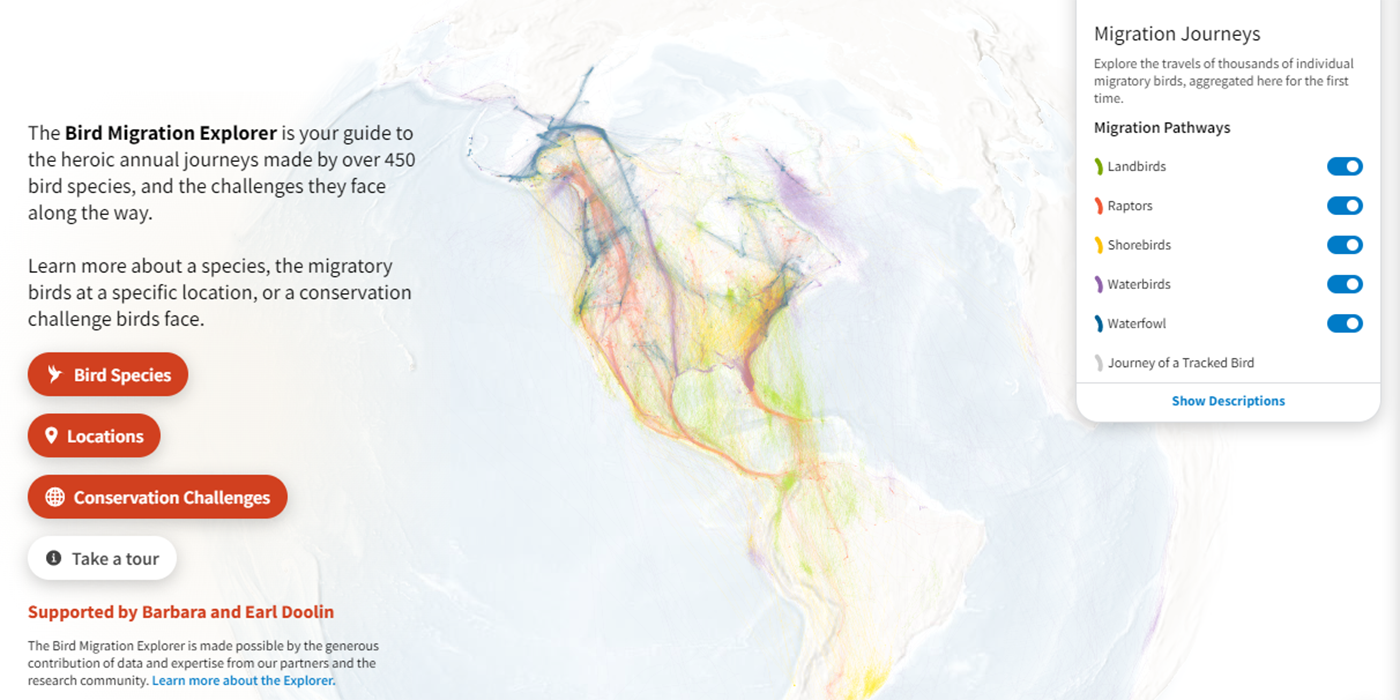
Credit: nationalzoo.si.edu
Neotropical Bird Migration Patterns
Neotropical bird migration patterns show fascinating journeys across continents. These birds travel between breeding and wintering areas, crossing vast distances. Migration helps them find food, better climate, and safe breeding grounds. Patterns vary by species, habitat, and season.
Many Neotropical birds breed in North America during spring and summer. In autumn, they migrate south to Central and South America. Some travel thousands of miles over land and water. Understanding these patterns helps protect their habitats and migration routes.
Seasonal Movements Of Neotropical Birds
Spring triggers birds to head north for breeding. They seek forests, wetlands, and open fields. In autumn, birds fly south to warmer places. They stay where food is abundant through winter. These movements repeat yearly, guided by daylight and weather.
Common Migration Routes
- Atlantic Flyway – along the east coast of the Americas
- Mississippi Flyway – following the Mississippi River valley
- Central American Corridor – crossing through Mexico and Central America
- Pacific Flyway – along the western coast of the Americas
Birds use these routes to avoid mountains and large deserts. Stopover sites provide rest and food during long flights.
Factors Influencing Migration Patterns
- Climate changes affect food availability and timing
- Habitat loss can block traditional routes
- Wind and weather impact flight paths and energy use
- Predator presence may alter stopover choices
Birds adapt their migration to survive challenges and find resources.
Key Species Of Neotropical Migrants
Understanding the key species of Neotropical migrants can deepen your appreciation of bird migration. These species travel thousands of miles between North America and the Neotropics, each with unique behaviors and habitats. Recognizing them helps you notice patterns and perhaps spot these remarkable travelers yourself.
Warblers: Colorful Travelers of the ForestWarblers are among the most vibrant and diverse Neotropical migrants. These small, active birds often brighten your backyard or forest edge with their yellow, orange, and green feathers.
Species like the Black-throated Blue Warbler and the Prothonotary Warbler migrate from the eastern United States to Central America. Watching them flit through trees reveals their incredible stamina and adaptability.
Thrushes: Melodic JourneysThrushes, such as the Swainson’s Thrush, are known for their beautiful songs and long-distance flights. These birds breed in North America’s temperate zones and winter in the Neotropics.
Listening for their flute-like calls can alert you to their presence even when they remain hidden in dense foliage. Their migration routes often follow forest corridors, making habitat conservation critical.
Hummingbirds: Tiny but Mighty MigrantsHummingbirds are remarkable for their rapid wing beats and incredible energy. Many species, like the Ruby-throated Hummingbird, migrate from the Gulf Coast to Central America.
They rely heavily on nectar sources along the way, so planting native flowering plants can support their journey. Have you ever noticed how they hover effortlessly, almost defying the challenges of migration?
Flycatchers: Agile Hunters on the MoveFlycatchers are agile birds that hunt insects mid-air during migration. The Eastern Phoebe and the Acadian Flycatcher are common Neotropical migrants in this group.
Their migration highlights the importance of insect availability in stopover sites. Next time you see a bird darting after bugs, consider the physical demands of its migratory path.
Swallows and Martins: Skimmers of the SkySwallows and martins are excellent flyers that spend much of their migration on the wing. The Barn Swallow and the Purple Martin cover vast distances to reach their wintering grounds.
Their aerial acrobatics make them a joy to watch. Supporting open habitats and water bodies can help these species thrive during migration.
Factors Influencing Migration Routes
Understanding the factors that influence Neotropical bird migration routes can change how you observe these incredible journeys. Migration isn’t random; it’s shaped by several key elements that birds respond to year after year. Let’s look closely at what guides their paths across vast landscapes.
Climate And Weather Patterns
Birds rely heavily on climate cues to time their migration. Sudden temperature changes or shifts in wind patterns can either speed up or delay their travel. Have you noticed how storms sometimes scatter flocks or push them off their usual routes?
Seasonal weather also affects where birds stop to rest. They often avoid harsh weather zones and seek out areas with favorable winds to conserve energy. This means their routes can vary annually based on changing climate conditions.
Availability Of Food Resources
Food supply is a major driver of migration paths. Birds choose routes that offer reliable feeding spots along the way. Without adequate food, their journey becomes far more challenging and risky.
Think about your own travel—would you prefer a route with plenty of restaurants or one with none? Similarly, migratory birds depend on fruit trees, insects, and nectar sources that bloom or hatch seasonally. If these resources dry up, birds must adapt by altering their routes.
Geographical Barriers
Mountains, large bodies of water, and deserts act as natural obstacles. Birds often navigate around these barriers rather than crossing them directly. This adds distance but increases their chances of survival.
For example, many Neotropical migrants fly along coastlines or through mountain passes. These paths offer safer conditions and more opportunities to rest. What would you do if you faced a huge obstacle on your journey? Birds make similar strategic choices every season.
Technological Advances In Tracking
Tracking Neotropical bird migration has improved greatly through technology. Scientists now follow birds’ routes with higher accuracy. This helps understand where birds travel and how they survive long journeys.
New tracking tools gather detailed data without harming birds. They provide insights into migration patterns and stopover sites. These advances make studying bird migration easier and more precise.
Satellite Tracking
Satellite tracking uses small transmitters attached to birds. These devices send signals to satellites orbiting Earth. Researchers receive real-time location data from the birds.
This method works well for larger birds that can carry the devices. It shows long-distance routes across continents and oceans. Satellite tracking reveals how birds navigate during migration.
Geolocators And Gps Devices
Geolocators are tiny light sensors that record daylight changes. Scientists use this data to estimate birds’ locations. These are lightweight and suitable for small birds.
GPS devices provide exact coordinates through satellite signals. They offer more precise tracking than geolocators. Both tools help identify stopover points and migration speed.
These technologies improve knowledge about bird travel routes. They guide conservation efforts to protect important habitats along the way.
Challenges In Mapping Routes
Tracking the migration routes of Neotropical birds is a complex task filled with many hurdles. These challenges affect how well we understand their journeys and the decisions made to protect them. Each obstacle offers a glimpse into how much more there is to learn about these incredible travelers.
Data Collection Limitations
Gathering accurate data on bird migration is tough because these creatures cover vast distances, often flying through remote or inaccessible areas. Many birds are small, making it difficult to attach tracking devices without affecting their behavior or health.
Traditional methods like banding rely on the chance that someone will spot and report a banded bird far from its original location. This means large gaps often exist in the data, leading to incomplete migration maps.
Have you ever wondered how technology might change this? Advances like lightweight GPS tags and automated tracking stations are promising, but they still face issues such as battery life and signal loss in dense forests or over oceans.
Environmental Changes
Environmental shifts add another layer of complexity. Habitat loss, climate change, and urban expansion constantly reshape the landscapes birds rely on for stopovers and breeding.
Birds may alter their routes unexpectedly in response to these changes, making previously mapped paths outdated quickly. This unpredictability challenges conservationists who try to protect critical habitats along fixed routes.
Consider how unpredictable weather patterns, like sudden storms, can force birds to detour or delay their migration. Tracking these detours requires real-time data, which is still a major challenge to obtain consistently.
Conservation Efforts For Migratory Birds
Conserving migratory birds is essential to maintaining the rich biodiversity of the Neotropical region. These birds rely on a network of habitats across continents, making their survival dependent on efforts that span countries and ecosystems. Understanding how these conservation efforts work can help you appreciate the delicate balance involved and encourage your own participation in protecting these incredible travelers.
Protecting Key Habitats
Habitat loss is one of the biggest threats to migratory birds. You might be surprised to learn that even small patches of forest or wetlands can be crucial stopover sites where birds rest and refuel. Conservation groups focus on preserving these vital areas by:
- Establishing protected reserves and national parks
- Restoring degraded habitats to improve food and shelter availability
- Working with local communities to promote sustainable land use
When you visit natural areas, consider how your actions impact these habitats. Could your support for local conservation projects help maintain these life-saving sanctuaries?
International Cooperation
Migratory birds cross borders during their journeys, so no single country can protect them alone. This makes international cooperation a cornerstone of effective conservation. Agreements like the Migratory Bird Treaty and regional partnerships bring nations together to share data, coordinate protection efforts, and enforce laws.
Imagine if each country acted only within its borders—many bird populations would decline rapidly. Instead, these collaborations ensure that birds have safe passage throughout their migration routes. You can support this by advocating for policies that encourage global environmental partnerships and by staying informed about how different countries contribute to conservation.
Future Research Directions
Future research on Neotropical bird migration holds great promise. Scientists aim to better understand migration routes, timing, and challenges birds face. New tools and strategies will improve data collection and analysis. This will help protect these birds and their habitats more effectively.
Innovations In Tracking Technology
Tracking devices are becoming smaller and lighter. This allows monitoring even small bird species without disturbing them. Solar-powered tags extend battery life for longer studies. GPS and geolocator advances provide precise location data. Researchers use drones and automated recording systems to track birds remotely. These innovations offer detailed insights into migration paths and stopover sites.
Long-term Monitoring Strategies
Long-term studies reveal changes in migration over years and decades. Consistent data helps detect effects of climate change and habitat loss. Collaborative networks among scientists increase study coverage across regions. Citizen science projects engage the public in bird monitoring. Using standardized methods ensures data quality and comparability. These strategies provide a clearer picture of migration trends and challenges.

Credit: southern-wings.fishwildlife.org
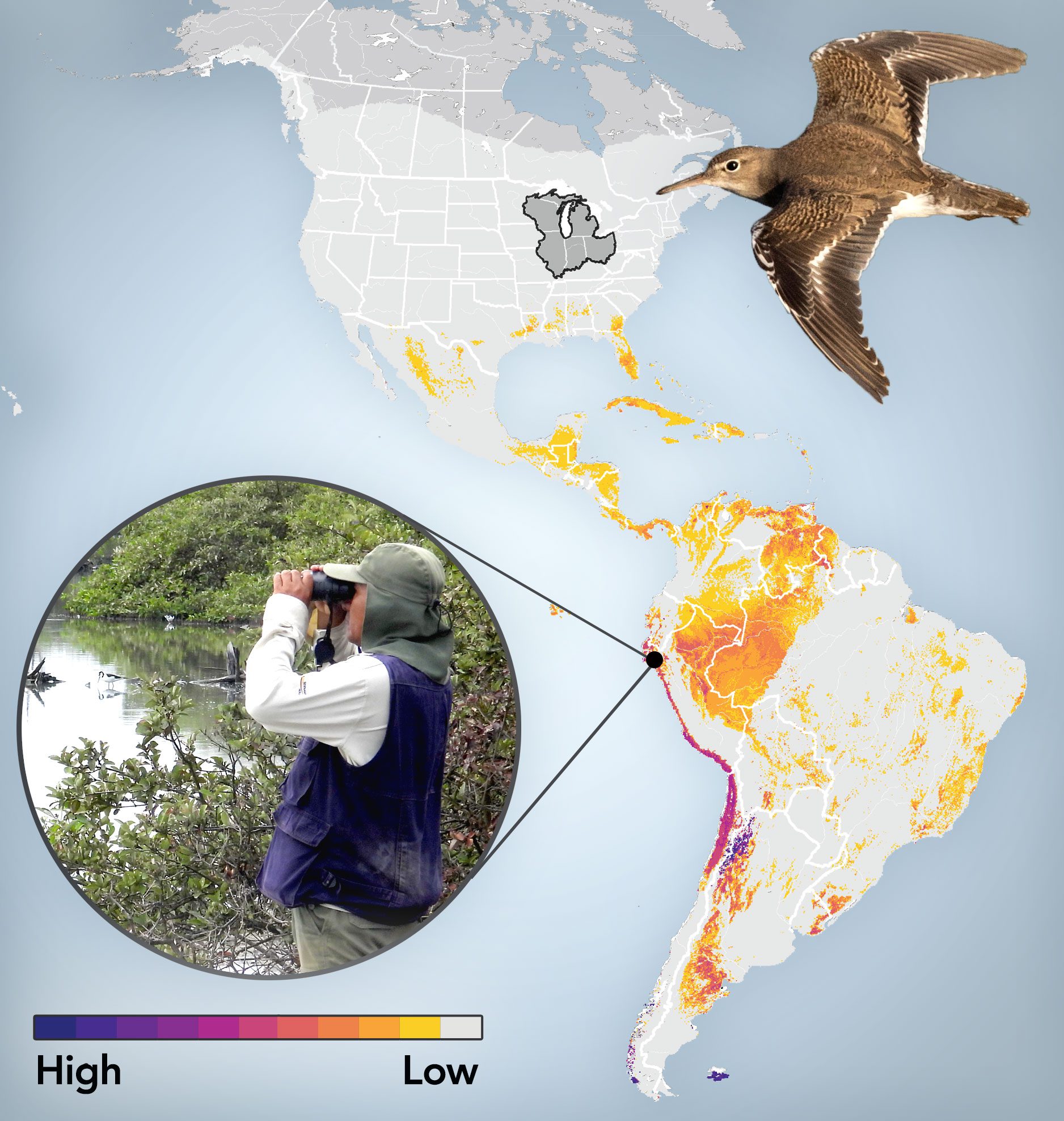
Credit: www.allaboutbirds.org
Frequently Asked Questions
What Is Neotropical Bird Migration?
Neotropical bird migration refers to the seasonal movement of birds between North America and the Neotropical region. This region includes Central and South America. Birds migrate to find food, breeding sites, and favorable climates during different seasons.
Where Do Neotropical Birds Migrate From?
Neotropical birds primarily migrate from North America. They travel south to Central and South America during winter. These migrations help them escape cold weather and find abundant food in tropical habitats.
When Does Neotropical Bird Migration Occur?
Neotropical bird migration mostly happens during spring and fall. Birds travel south in fall to avoid winter cold. They return north in spring for breeding and feeding opportunities.
Which Bird Species Participate In Neotropical Migration?
Many songbirds like warblers, thrushes, and flycatchers migrate to the Neotropics. These species rely on tropical forests and wetlands for winter survival. Their migration patterns vary by species and environmental conditions.
Conclusion
Neotropical bird migration covers a vast area across the Americas. Birds travel from North to South for food and warmth. These journeys help birds survive harsh seasons. Many species rely on forests, wetlands, and coasts along the way. Watching this migration connects us to nature’s rhythm.
Protecting these habitats keeps bird paths safe. Understanding where and why birds migrate helps us appreciate them more. This natural event shows the strength and beauty of wildlife. Keep exploring, and you might spot these amazing travelers yourself.