
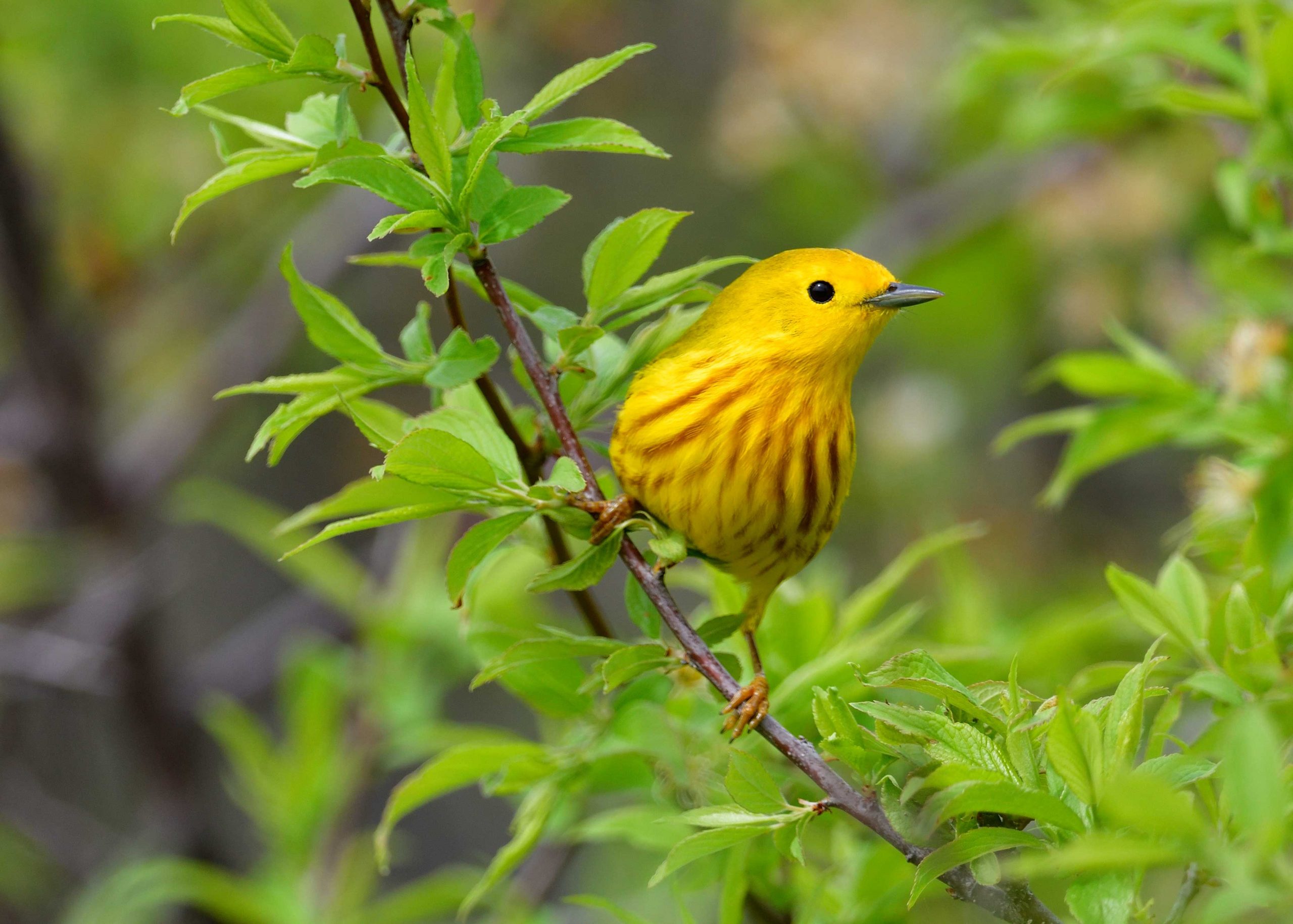
Are you curious about the amazing birds flying right over North Texas this week? Imagine spotting colorful feathers and hearing unique bird calls during your next walk outside.
Knowing which birds are migrating now can turn any ordinary day into an exciting adventure. You’ll discover exactly which species are passing through your area and why this moment is special. Keep reading to unlock the secrets of North Texas’ sky and make your next outdoor experience unforgettable.
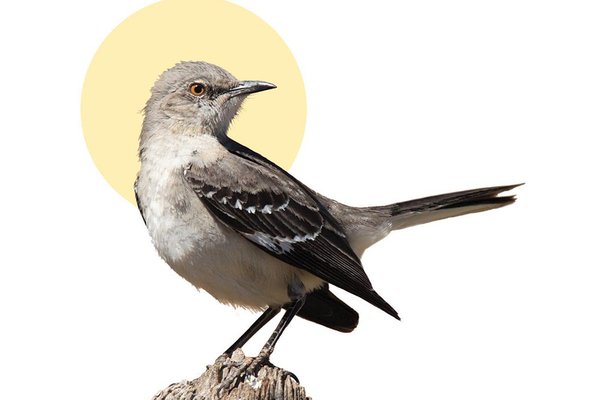
Credit: tpwmagazine.com
Migration Patterns In North Texas
Migration patterns in North Texas reveal an incredible movement of birds each week. These patterns depend on the seasons and weather. Birds travel to find food, better climate, and safe places to rest.
Spring and fall are the busiest seasons for migration in North Texas. Birds cross this region on their way between breeding and wintering grounds. The routes they take create unique patterns across the sky.
Key Migratory Routes Through North Texas
North Texas lies along several important flyways. These are paths birds follow during migration. The Central Flyway is the main one here. It runs from Canada to Central America.
- Birds use rivers, lakes, and open fields for rest
- Urban parks and green spaces also serve as stopovers
- Migration peaks during early mornings and late afternoons
Timing And Duration Of Migration
Bird migration in North Texas usually starts in late February. It lasts until May in spring and begins again in August. Migration slows down by late October.
- Spring migration brings many songbirds and waterfowl
- Fall migration includes raptors and shorebirds
- Weather changes can speed up or delay migration
Factors Influencing Migration Patterns
Several factors impact bird migration here. Temperature and daylight hours are key. Food availability also plays a major role.
- Cold fronts can push birds to move quickly
- Storms may force birds to rest longer in North Texas
- Habitat loss can change traditional migration routes
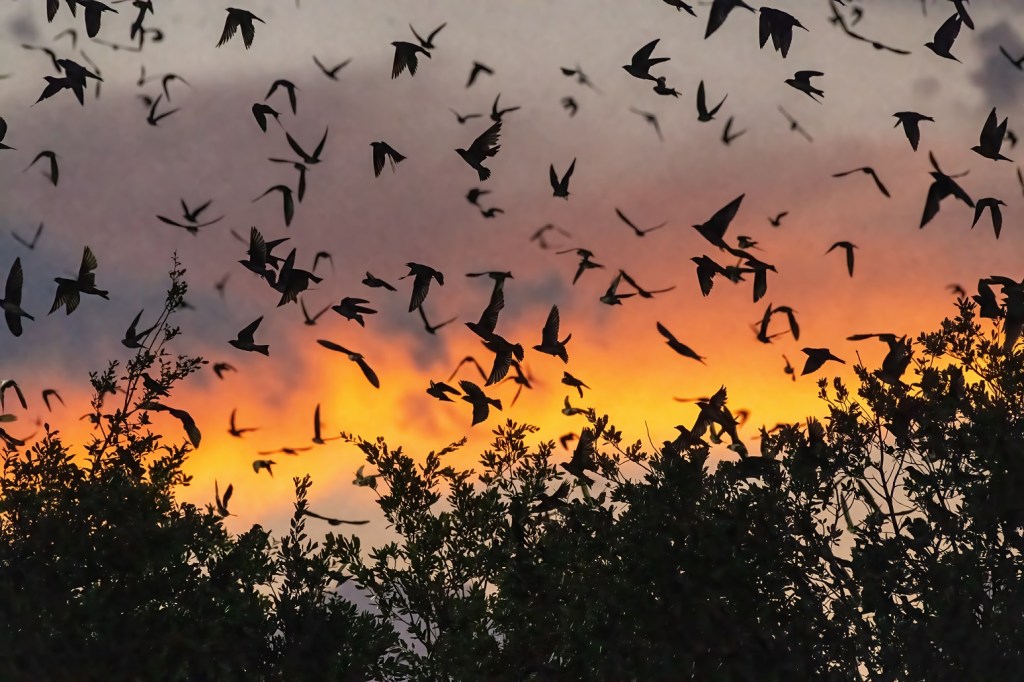
Credit: houstonaudublog.org
Prime Birdwatching Locations
North Texas offers some of the best spots for birdwatching during migration week. These locations attract many bird species moving through the area. Each site provides unique habitats that support a wide variety of birds. Visitors can enjoy peaceful settings and clear views for spotting different species.
Many birdwatchers visit these prime locations to catch glimpses of rare and common birds alike. The natural landscapes and water sources create perfect conditions for resting and feeding. Early mornings and late afternoons are ideal times to see the most activity. Bring binoculars and a field guide for a better experience.
Ray Roberts Lake State Park
This park is a top choice for watching migratory birds in North Texas. The lake and surrounding woods attract waterfowl, songbirds, and raptors. Trails and observation points make birdwatching easy and enjoyable. Look for ducks, herons, and hawks along the water’s edge.
Fort Worth Nature Center And Refuge
The Nature Center covers 3,600 acres of forests, prairies, and wetlands. It hosts a variety of migrating birds during the spring and fall. Birdwatchers often spot warblers, woodpeckers, and eagles. Quiet paths and open areas offer great birdwatching opportunities.
Arbor Hills Nature Preserve
Located in Plano, this preserve is a favorite for local bird lovers. It features ponds, meadows, and wooded areas. Many migrating songbirds and water birds stop here. The well-marked trails and picnic areas make it a comfortable place to observe birds.
Lewisville Lake Environmental Learning Area
This large natural area near Lewisville Lake supports diverse bird species. Its mix of wetlands, grasslands, and woodlands attracts migrants each season. Birdwatchers can see shorebirds, flycatchers, and sparrows. The boardwalks and observation decks enhance the viewing experience.
Common Migratory Birds
North Texas welcomes many migratory birds each spring and fall. These birds travel long distances to find food and warmer climates. Watching them adds joy to any outdoor activity. Many species pass through or stay briefly in North Texas during migration. Understanding common migratory birds helps you identify them easily. Here are some of the most seen migratory birds in North Texas this week.
American Robin
The American Robin is a familiar sight in North Texas. It has a bright orange belly and a gray back. Robins often gather in large flocks during migration. They eat worms, berries, and insects. Their melodious song is a sign of spring. These birds prefer open spaces and gardens. Spotting a robin usually means migration is underway.
Cedar Waxwing
Cedar Waxwings have sleek feathers and a crest on their head. Their plumage is brown, gray, and yellow with bright red tips on wing feathers. They eat mostly fruit, especially berries. Waxwings travel in groups and move quickly through trees. These birds are shy but can be seen feeding in berry patches. Their smooth calls sound like whistles or trills.
Northern Flicker
The Northern Flicker is a type of woodpecker with a spotted body. It has a brown back and a white chest with black spots. Flickers often search for ants on the ground. They drum loudly on trees during migration to mark territory. These birds are common in wooded areas and parks. Seeing a flicker means you caught a unique migratory visitor.
Rare And Uncommon Visitors
Every spring and fall, North Texas becomes a temporary home for some truly special birds. Among the usual migrants, a few rare and uncommon visitors add excitement to birdwatching adventures. Spotting these birds can feel like a personal reward for your patience and keen eyes.
Have you ever stumbled upon a bird so vibrant or unusual that it stopped you in your tracks? These rare visitors often appear unexpectedly, turning a routine walk into a memorable experience. Keep your binoculars ready—you might just catch a glimpse of one this week.
Painted Bunting
The Painted Bunting is a jewel-toned beauty rarely seen in North Texas during migration. Males flash bright blues, greens, and reds that can light up any birdwatcher’s day. These birds prefer dense brushy areas, so check parks and wooded edges where they might be feeding quietly.
Spotting a Painted Bunting can be tricky because they tend to stay hidden despite their bright colors. But when you do find one, it’s a vivid reminder of nature’s palette. Have you ever been lucky enough to see one fluttering through the trees?
Black-and-white Warbler
Black-and-White Warblers stand out with their striking striped plumage and unique creeping behavior along tree trunks. Unlike many warblers that flit between branches, these birds move like tiny woodpeckers, searching bark for insects. Watch closely in wooded parks or riparian zones for these uncommon but fascinating migrants.
They blend into tree bark well, so patience and a sharp eye are your best tools. Next time you’re walking through a forested trail, try scanning trunks slowly—you might catch this rare visitor in action.
Scissor-tailed Flycatcher
The Scissor-tailed Flycatcher is a North Texas favorite, but it’s still exciting to spot these elegant birds during migration. Their long, forked tails and graceful flight patterns make them easy to recognize against the open sky. They often perch on fence posts or wires, scanning for insects with sharp, quick movements.
Although more common here than the others, catching them in migration means you’re witnessing a key part of their journey. How often do you pause to watch the sky for these aerial acrobats during your outdoor time?
Best Times For Spotting
Timing is everything when you want to catch a glimpse of migrating birds across North Texas. The right moment can make the difference between spotting a fleeting shadow and watching a vibrant flock settle nearby. Understanding the best times for birdwatching helps you plan your outings for maximum enjoyment and success.
Early Morning Hours
The first few hours after sunrise are prime time for bird activity. Birds are most active as they feed and move after resting overnight. If you’re up early, you might see warblers, thrushes, and sparrows darting through the trees.
I remember one crisp morning when I spotted a rare Blackburnian Warbler within minutes of stepping outside. That early start turned a regular walk into a memorable experience.
Late Afternoon And Dusk
As the day winds down, many birds prepare to roost. This time often brings flocks gathering in large numbers, making it easier to spot different species together. Hawks and other raptors also become more active, taking advantage of the cooling air currents.
Watching hawks circle just before sunset is a spectacle you don’t want to miss. It raises a question: have you ever noticed how birds’ behavior shifts as daylight fades?
Weather Conditions To Watch
Bird migration often aligns with specific weather patterns. Clear, calm days after a storm are excellent for spotting birds as they move across the region. Wind direction can either aid or hinder their flight paths, affecting where and when you’ll see them.
- Look for northerly winds pushing birds southward.
- Cloudy, humid days might reduce visibility but increase bird chatter.
- Rainy or very windy conditions usually mean fewer sightings.
Next time you plan to go birdwatching, check the forecast closely. It can turn an average day into a birding jackpot.
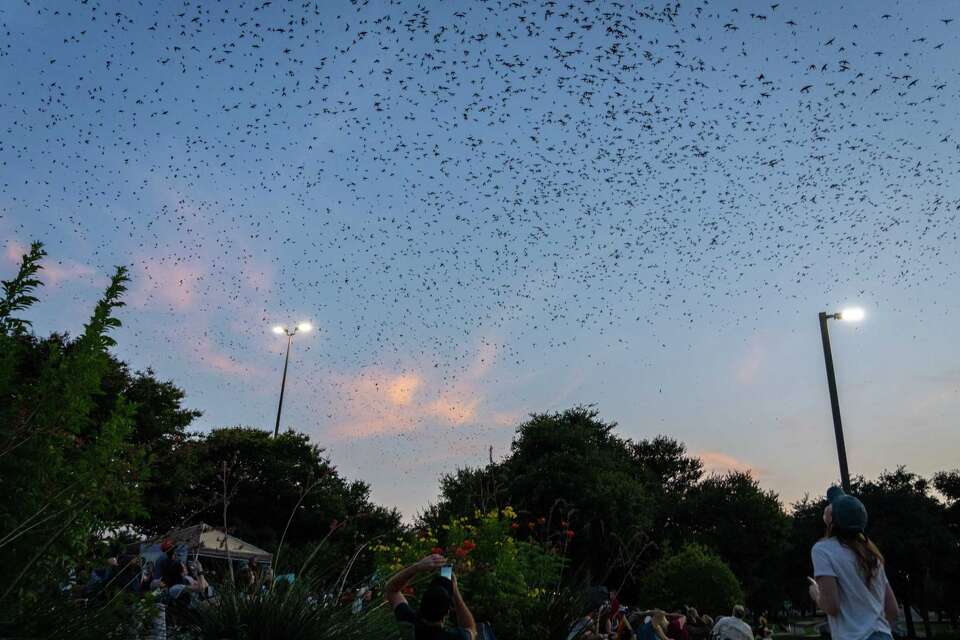
Credit: www.statesman.com
Tips For Birdwatching
Birdwatching in North Texas during migration week offers a unique chance to see many species. To enjoy this experience, some simple tips can help you spot more birds and learn about them. Preparation and patience are key to a rewarding birdwatching trip.
Essential Gear
Start with a good pair of binoculars. They help you see birds from a distance without disturbing them. A notebook or bird journal is useful for recording sightings. Dress in neutral colors to blend into the environment. Carry water and sunscreen to stay comfortable. A camera with zoom can capture photos for later identification.
Staying Quiet And Observant
Move slowly and keep noise low. Birds react to sudden sounds and quick movements. Find a good spot and stay still for some minutes. Watch the trees, bushes, and sky carefully. Look for movement or colors that stand out. Patience helps you see birds come closer or show unique behaviors.
Using Field Guides
Bring a field guide or bird app to identify species. These guides show pictures, sizes, and common calls. Compare your sightings with the guide’s details. Note colors, shapes, and habits to match the bird correctly. Field guides make birdwatching educational and fun. They also help track which birds pass through North Texas this week.
Impact Of Climate On Migration
Climate has a strong effect on bird migration patterns. Changes in temperature and weather can shift when and where birds travel. This week, many birds crossing North Texas show how climate influences their journey.
Warmer temperatures may cause birds to leave earlier than usual. Cooler weather can delay their departure or change their route. Rain and storms also affect flight paths and resting spots.
Temperature Changes And Migration Timing
Birds rely on temperature cues to start migration. Rising temperatures in the south signal the time to move north. Sudden cold snaps can slow down or stop migration temporarily.
Weather Patterns Affecting Flight Paths
Strong winds and storms push birds off their usual paths. Many birds avoid flying in heavy rain or storms to save energy. They often rest longer in safe areas during bad weather.
Climate Impact On Food Availability
Food sources depend on climate conditions. Warmer springs bring early insect hatches, feeding migrating birds. Dry spells reduce food, forcing birds to find new feeding grounds.
Long-term Climate Trends And Migration Routes
Over years, climate shifts can change traditional migration routes. Birds may adapt by traveling shorter distances or choosing new stopover sites. Some species face challenges adjusting to rapid climate changes.
Frequently Asked Questions
What Bird Species Are Migrating Across North Texas Now?
This week, North Texas sees warblers, thrushes, and hawks migrating. These species travel south for warmer climates and better food sources during colder months.
When Is The Peak Migration Period In North Texas?
Peak migration in North Texas typically occurs from late September to early November. This timing aligns with seasonal temperature changes prompting birds to move south.
How Can I Identify Migrating Birds In North Texas?
Look for distinctive colors and flight patterns. Using binoculars and a bird guide app helps spot warblers’ bright feathers and hawks’ soaring behavior easily.
Why Do Birds Migrate Through North Texas?
North Texas lies along key migratory routes with abundant food and shelter. This makes it an ideal stopover for resting and refueling during long journeys.
Conclusion
Bird migration across North Texas brings excitement to many. Birds travel long distances, crossing skies this week. Watching them helps us connect with nature around us. Keep your eyes open for colorful warblers and graceful hawks. Each bird tells a story of survival and journey.
Birdwatching can be a fun and peaceful activity. Enjoy the sights and sounds of this natural event. Nature’s rhythm continues, with new birds arriving soon. Stay curious and appreciate these amazing travelers in our skies.