

Are you ready to witness one of nature’s most amazing shows? Every year, thousands of birds travel across the UK on their migration routes.
Seeing these stunning creatures in action can be unforgettable. But where exactly should you go to catch the best views? You’ll discover the top spots where migrating birds gather. Whether you’re a seasoned birdwatcher or just curious, your next great adventure is closer than you think.
Keep reading to find out where to see migrating birds in the UK and how to make the most of your visit.
Rspb Reserves
The RSPB Reserves across the UK offer some of the best spots to witness migrating birds in action. These protected areas provide safe havens where birds rest, feed, and continue their incredible journeys. Visiting these reserves can give you a front-row seat to nature’s seasonal spectacle.
Bempton Cliffs
Bempton Cliffs is a dramatic coastal reserve known for its towering chalk cliffs. Here, you’ll see thousands of seabirds like puffins and gannets, especially during migration seasons.
The cliffs serve as vital nesting sites, making it a perfect spot to observe birds up close without disturbing them. Have you ever stood so close to nature’s busiest aviary and felt the rush of life all around you?
Minsmere
Minsmere is a diverse reserve with wetlands, reed beds, and woodlands. It attracts a wide range of migrating birds such as bitterns, marsh harriers, and avocets.
Walking the trails, you might catch a glimpse of rare species that only pass through during migration. What could be more rewarding than spotting a bird few get to see, right in your own backyard?
Rainham Marshes
Rainham Marshes offers a blend of freshwater and saltwater habitats ideal for shorebirds and waders. It’s a hotspot for spotting species like lapwings and redshanks during migration.
This reserve is easily accessible and has excellent viewing hides, letting you watch birds quietly and without interruption. How often do you get the chance to connect so closely with wildlife while enjoying peaceful surroundings?
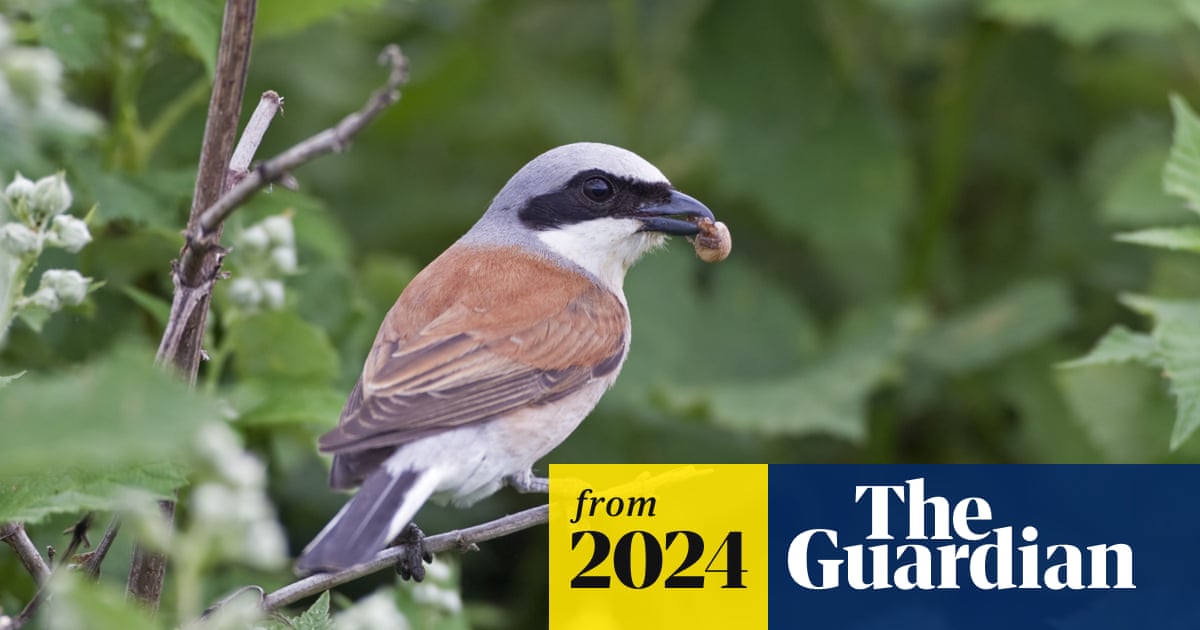
Credit: www.theguardian.com
National Parks
National Parks offer some of the best spots to watch migrating birds in the UK. These protected areas have varied landscapes that attract many bird species during migration seasons. Each park provides unique habitats like forests, wetlands, and moorlands, perfect for birdwatchers. Whether you prefer quiet walks or guided tours, these parks make birdwatching accessible and enjoyable.
Peak District
The Peak District is known for its rolling hills and open moorlands. It attracts birds such as wheatears, redstarts, and ring ouzels during migration. You can spot birds near reservoirs and along the edges of woodlands. Early mornings are best for sightings. Trails like the Monsal Trail provide good viewing points. The mix of upland and lowland habitats supports a wide variety of migratory birds.
New Forest
The New Forest is famous for its ancient woodlands and heathlands. It hosts many migratory birds like warblers, woodpeckers, and nightjars. The forest’s ponds and open spaces offer safe resting spots for birds. Walking along marked paths increases chances of sightings. Bird hides near water bodies help observe without disturbing them. The New Forest is ideal for both beginners and experienced birdwatchers.
Northumberland
Northumberland National Park features rugged landscapes and peaceful valleys. It is a hotspot for migratory birds such as geese, ducks, and raptors. The park’s rivers and moors provide excellent feeding grounds. Watching from hilltops offers broad views of bird movements. Visit during spring or autumn for peak migration activity. The quiet environment helps you connect closely with nature and birds.
Wetlands And Estuaries
Wetlands and estuaries are vital stopovers for migrating birds in the UK. These areas provide rich food sources and safe resting spots. Birds gather here during migration seasons to refuel and prepare for long journeys. The mix of fresh and saltwater creates unique habitats full of life.
These locations attract a wide variety of species. Waders, ducks, and geese are commonly seen. Birdwatchers can enjoy spectacular views and diverse bird calls. The landscapes change with tides, offering different experiences daily.
The Wash
The Wash is one of the largest estuaries in the UK. It hosts thousands of migrating birds each year. Species like pink-footed geese and brent geese use this site. Mudflats and salt marshes offer abundant food. The area is great for spotting raptors and waders as well. Visitors find many hides and trails for birdwatching.
Severn Estuary
The Severn Estuary is famous for its large tidal range. This creates vast mudflats and saltmarshes. The estuary supports millions of birds during migration. Waders such as oystercatchers and redshanks are common. The area also attracts peregrine falcons and marsh harriers. Birdwatchers enjoy the diverse birdlife all year.
Morecambe Bay
Morecambe Bay is a key site for migrating waterbirds. It covers a wide area of tidal sands and mudflats. Birds like shelducks and curlews feed here during migration. The bay also hosts large flocks of wading birds. It offers excellent opportunities for photographers and nature lovers. The scenery is beautiful and peaceful, perfect for birdwatching.
Scottish Highlands
The Scottish Highlands offer some of the most breathtaking landscapes and rich biodiversity in the UK. This rugged region becomes a hotspot for migrating birds, attracting enthusiasts eager to catch a glimpse of rare and spectacular species. If you’re planning your birdwatching trip, the Highlands provide unique vantage points where you can witness nature’s incredible journeys up close.
Cairngorms
The Cairngorms National Park is a vast wilderness with soaring mountains and ancient forests. It’s an excellent place to spot migrating birds like the golden eagle and the rare dotterel during spring and autumn.
Bring binoculars and prepare for some hiking. Trails like the one around Loch Morlich give you quiet spots to watch birds without disturbing them. Have you ever felt the thrill of seeing an eagle swoop overhead? Here, that’s a common experience.
Loch Garten
Loch Garten is famous for its osprey nesting site, one of the best in the UK. These magnificent fish-eating birds return every year, and you can observe their arrival and departure during migration seasons.
Walk the boardwalks and use the hides to get close views without scaring the birds. It’s a peaceful spot where you can also hear the calls of woodpeckers and see other woodland birds moving through the area. Could this be your next perfect birdwatching destination?
Isle Of Mull
The Isle of Mull is a birdwatcher’s paradise with its coastal cliffs and diverse habitats. It attracts migrating seabirds, including puffins, guillemots, and razorbills during the spring and summer months.
Take a boat trip around the island to see colonies nesting on the cliffs or walk along the shores to spot waders and gulls. The island’s remote feel makes every sighting feel like a special discovery. What will you find waiting just beyond the next bend?
Coastal Areas
Coastal areas in the UK offer some of the best spots to watch migrating birds. These places attract many species during their long journeys. Birds use the coastlines as resting points and feeding grounds. The mix of sea, sand, and marsh creates perfect habitats. Birdwatchers often find rare and beautiful species along these shores.
Norfolk Coast
The Norfolk Coast is famous for its wide salt marshes and mudflats. These areas provide rich feeding spots for waders and wildfowl. Places like Holkham and Blakeney Point are top birdwatching sites. During migration, look for large flocks of Brent geese and pink-footed geese. The coast also hosts rare birds like the avocet and marsh harrier.
Cornwall
Cornwall’s rugged coastline sees many seabirds and passerines during migration. Coastal cliffs and headlands offer great views of passing birds. Sites such as Sennen Cove and Rame Head attract species like shearwaters and gannets. Autumn brings rare warblers and flycatchers resting before crossing the sea. The mix of sea and land habitats supports diverse birdlife.
Pembrokeshire
Pembrokeshire’s coast is rich in wildlife and offers excellent birdwatching. The mix of cliffs, beaches, and estuaries draws many migrating birds. Places like Skomer Island and the Daugleddau estuary are hotspots. Watch for puffins, razorbills, and guillemots during spring and summer. In autumn, expect large flocks of geese and ducks settling in the wetlands.

Credit: birdaware.org
Urban Birdwatching
Urban birdwatching offers a unique chance to spot migrating birds without leaving the city. It blends the buzz of urban life with the calm of nature. You might be surprised how many species visit parks and wetlands right in the heart of busy towns.
London Wetland Centre
The London Wetland Centre is a quiet oasis amid the city’s rush. It attracts a wide variety of migrating birds, especially during spring and autumn. You can spot species like kingfishers, herons, and even rare waders here.
Walking along the well-maintained trails, you’ll often hear birdsong that cuts through the urban noise. The centre provides hides and viewing platforms, making it easier to observe without disturbing the wildlife. Have you ever noticed how birdwatching can make you see your city in a new light?
Bristol’s Brandon Hill
Brandon Hill is a small green space with big birdwatching potential. It’s a hotspot for spotting urban migrants such as chiffchaffs and warblers during their seasonal journeys. Its elevated position gives you a good vantage point over the city.
Local birdwatchers often share tips on the best times to visit, usually early morning or late afternoon. The mix of trees and open space supports a variety of species, turning this park into a lively birdwatching spot. What birds do you think you’ll find in such a compact urban area?
Glasgow’s Pollok Park
Pollok Park combines woodland, gardens, and open fields, making it ideal for migrating birds. It’s common to see flocks of thrushes, finches, and sometimes even raptors passing through. The park’s size and diversity provide good cover and food sources for these travellers.
Walking here, you might catch sight of birds perched quietly or in energetic flight. The peaceful setting encourages visitors to slow down and really look. How often do you stop to notice the birds around you in your daily routine?
Seasonal Highlights
The UK offers stunning views of migrating birds throughout the year. Each season brings a unique set of species and behaviors. Birdwatchers can enjoy different highlights as birds arrive, depart, or settle temporarily. Here are the key seasonal moments to watch for.
Spring Arrivals
Spring marks the return of many birds from warmer places. Expect to see colorful warblers and loud chiffchaffs. Wetlands and coastal areas become lively with nesting activity. Early migrants like swallows and sand martins swoop across the skies. It is a time of renewal and exciting bird songs.
Autumn Departures
In autumn, birds prepare for long journeys south. Watch flocks of geese and ducks gather in large numbers. The skies fill with formations of waders and raptors on the move. Coastal reserves provide great spots to witness these spectacular flights. Autumn is a season of movement and change.
Winter Visitors
Winter brings hardy birds from colder regions to the UK shores. Look for snowy owls and redpolls in northern areas. Seabird colonies host puffins and guillemots in offshore islands. Wetlands attract large groups of wildfowl seeking milder conditions. Winter’s quiet landscape offers peaceful birdwatching moments.
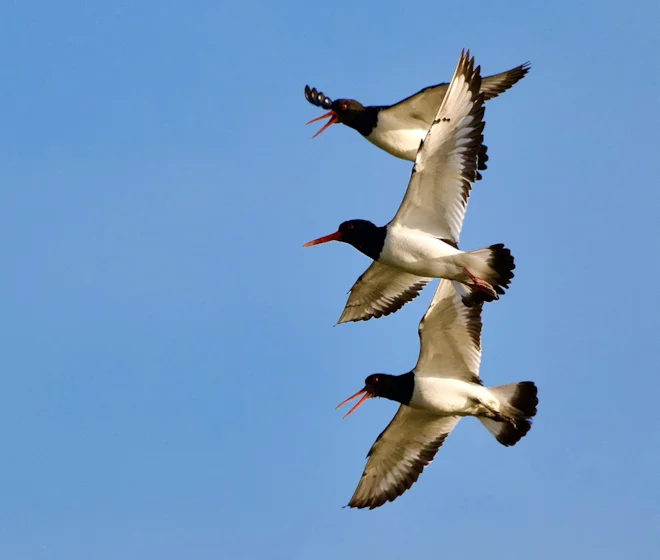
Credit: www.birdguides.com
Frequently Asked Questions
Where Are The Best Uk Spots To See Migrating Birds?
Top UK sites include the Norfolk Broads, Farne Islands, and the Wash. These areas host diverse migrating bird species each year. Birdwatchers can enjoy excellent viewing during spring and autumn migration seasons in these locations.
When Is Peak Bird Migration Season In The Uk?
The peak migration seasons are spring (March-May) and autumn (August-October). During these months, many birds travel to and from breeding grounds. Timing your visit in these periods increases chances of spotting rare and diverse migrating birds.
What Types Of Birds Migrate Through The Uk?
Common migrating birds in the UK include warblers, swallows, geese, and raptors. Each species follows unique routes and timings. Birdwatchers can witness both long-distance migrants and local species moving between habitats.
How To Prepare For Birdwatching During Migration?
Bring binoculars, a field guide, and weather-appropriate clothing. Arrive early for the best sightings and avoid loud noises. Joining local birdwatching groups can enhance your experience and provide valuable tips.
Conclusion
The UK offers many great spots to watch migrating birds. Coastal areas, nature reserves, and wetlands attract many species. Visit early in the morning for the best sightings. Bring binoculars and a camera to enjoy the experience fully. Birdwatching can be relaxing and exciting at the same time.
Plan your trip during migration seasons for more action. These places help protect birds and their habitats too. Enjoy nature’s beauty and learn about different bird species. Watching migrating birds creates lasting memories for all ages.