
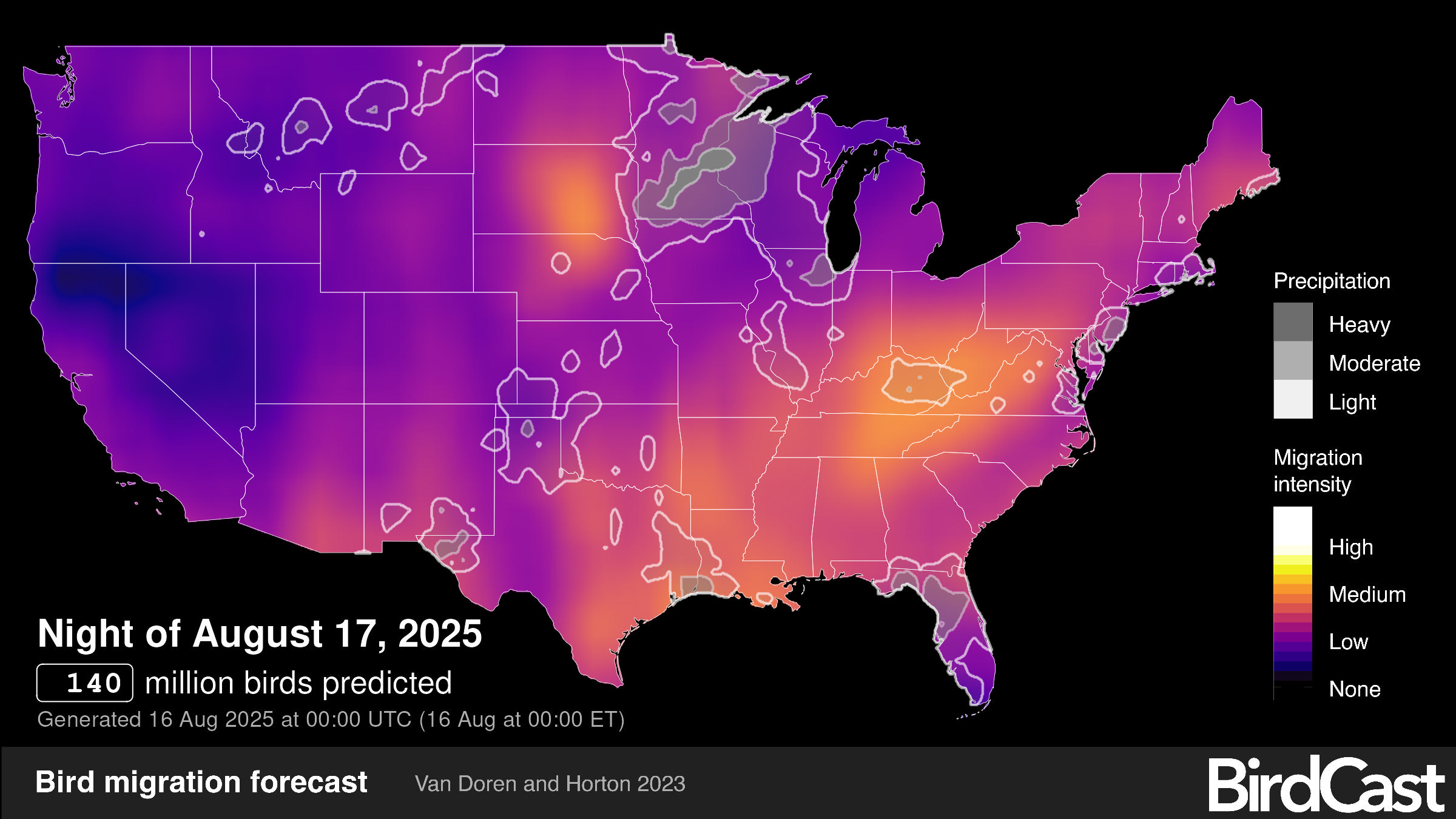
Have you ever wondered what bird migration will look like tomorrow? Imagine knowing where flocks will travel, how weather might change their routes, or when you’ll spot those first graceful wings in the sky.
Understanding bird migration can bring you closer to nature and make your outdoor moments more exciting. You’ll discover what factors shape tomorrow’s migration patterns and how you can prepare to witness this amazing natural event. Keep reading to unlock the secrets of the skies and make your next birdwatching experience unforgettable.
Credit: birdcast.info
Changing Migration Patterns
Bird migration has fascinated humans for centuries. These journeys are not just seasonal escapes. They are vital for survival and breeding. But, migration patterns are changing. These shifts are influenced by several factors. Understanding these changes is crucial for bird conservation.
Impact Of Climate Change
Climate change affects bird migration significantly. Rising temperatures alter habitats. Birds must adapt to these changes. Some species migrate earlier now. Warmer climates may extend breeding seasons. But, this can lead to competition for food. Not all birds can adapt quickly. Those unable to adjust face survival challenges.
Shifts In Timing And Routes
Migration timings are shifting. Birds leave earlier or later than before. Changes in food availability influence this. New migration routes are emerging. Birds look for optimal conditions. These new routes present risks. Not all are safe or suitable. Changing landscapes also affect these routes.

Credit: www.yahoo.com
Technological Advances In Tracking
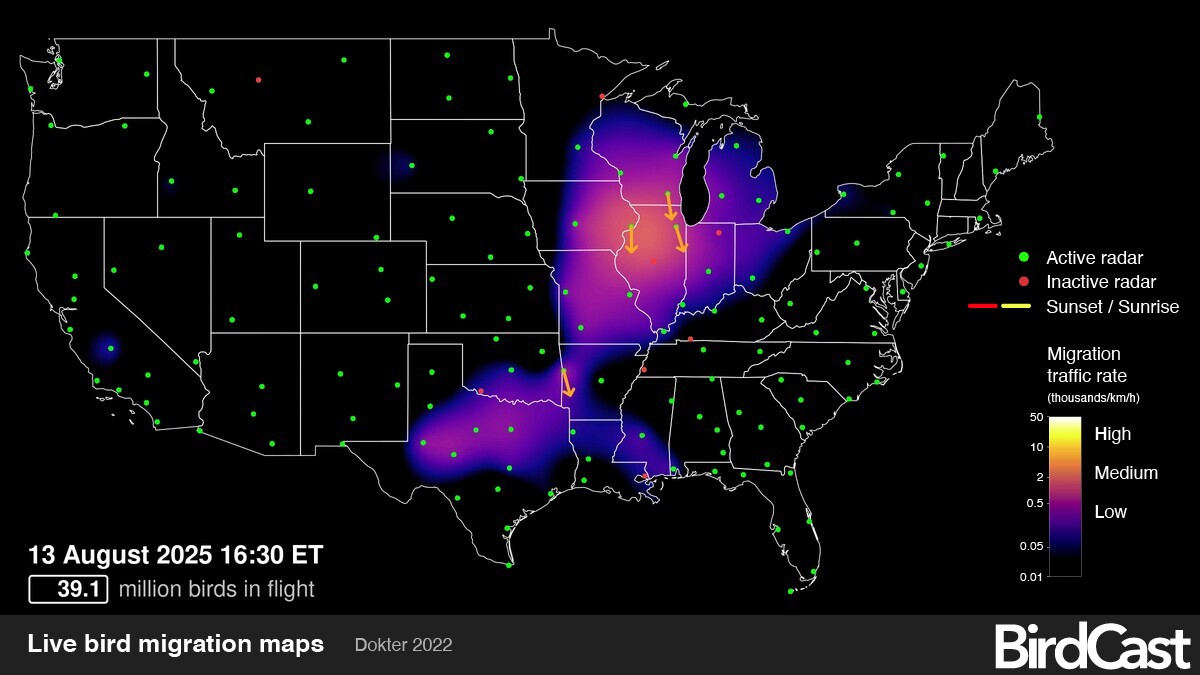
Tracking bird migration has become more precise and insightful thanks to rapid technological advances. These tools help scientists and bird lovers alike understand the journey birds take every year. The data collected not only reveals migration patterns but also helps protect these travelers as they face environmental challenges.
Satellite And Gps Innovations
Satellite and GPS technology have transformed how we follow birds in real time. Tiny GPS trackers attached to birds send location data across vast distances. This lets researchers watch individual birds’ routes, stopovers, and speeds with incredible detail.
For example, some migratory birds can now be tracked flying thousands of miles without losing signal. This technology also uncovers unexpected routes and resting spots that were previously unknown. Have you ever wondered how far a small songbird travels without rest? GPS data answers that question clearly.
Data From Citizen Science
Citizen science plays a crucial role in enhancing bird migration tracking. Enthusiasts around the world report sightings through apps and websites, adding layers of data that satellites alone cannot provide. Your backyard birdwatching could contribute to a global understanding of migration.
These collective efforts create massive databases that help identify trends and changes in migration timing and routes. For instance, shifts in migration can signal climate changes affecting bird habitats. What observations have you made during your local birdwatching that might hint at larger environmental shifts?
Behavioral Adaptations
Bird migration is not just about flying long distances; it’s about adapting behavior to survive changing environments. Behavioral adaptations help birds respond quickly to new challenges, like climate shifts and habitat loss. These changes influence how birds find food and where they rest, which can alter migration patterns in surprising ways.
New Feeding Strategies
Birds are adjusting their diets to match what’s available along their routes. Some are adding new food sources, such as urban insects or even human leftovers, to their traditional menus. This flexibility helps them stay energized when usual feeding grounds become scarce.
Think about a friend who suddenly changes their diet when traveling abroad. Birds do the same—they experiment and learn what keeps them going. You might notice crows scavenging in city parks more often, showing how smart feeding choices can support long migrations.
Altered Resting Spots
Rest stops are crucial for migratory birds, and many are shifting to new locations. Urban green spaces, rooftop gardens, and even parking lots now serve as unexpected pit stops. Birds pick spots that offer safety and food, even if these weren’t traditional resting areas.
Have you ever paused in a quiet park during a busy day? Birds do that too—they find peaceful places to recharge. Changing resting habits means they can survive longer journeys despite habitat loss along classic routes.

Credit: www.myjournalcourier.com
Environmental Challenges
Bird migration faces many environmental challenges that affect their survival. These challenges change how birds travel and find food. Understanding these issues helps us protect migrating birds better.
Habitat Loss And Fragmentation
Birds need safe places to rest and feed during migration. Many natural habitats are shrinking or breaking into smaller parts. This makes it hard for birds to find enough food and shelter. Forests, wetlands, and grasslands disappear due to farming and city growth. Fragmented habitats can confuse birds and increase their risk from predators. Loss of habitat lowers bird populations and harms migration patterns.
Pollution Effects
Pollution harms birds in many ways during migration. Chemicals in water and soil can poison birds or reduce their food supply. Light pollution from cities can confuse birds, causing them to lose direction. Air pollution makes flying harder and can damage bird lungs. Plastic waste is often mistaken for food, causing injury or death. Pollution weakens birds and makes migration more dangerous.
Conservation Efforts Shaping Migration
Conservation efforts play a crucial role in shaping the future of bird migration. These actions help protect vital habitats and ensure safe journeys for countless species. Understanding how these efforts work can inspire you to support and participate in protecting migratory birds.
Protected Flyways
Protected flyways are designated migration routes where governments and organizations focus on preserving key stopover sites and habitats. These areas provide food, rest, and shelter for birds on their long journeys. When you visit places like the Mississippi Flyway or the East Asian-Australasian Flyway, you’re witnessing the results of careful conservation planning.
These protected zones reduce threats like habitat loss and pollution. They also connect countries and communities in a shared goal to protect birds. Have you ever wondered how a single wetland can impact thousands of migratory birds each year? That’s the power of protected flyways.
Community Involvement
Local communities have become key players in conservation efforts. By joining birdwatching groups, volunteering for habitat cleanups, or supporting sustainable land use, people make a direct impact on migration success. Your involvement can help monitor bird populations and raise awareness about their needs.
Community-driven projects often lead to innovative solutions tailored to local challenges. For example, farmers adjusting pesticide use to protect insects that feed migratory birds shows how small changes matter. What steps can you take in your neighborhood to support migrating birds?
Future Predictions
Future predictions about bird migration reveal many fascinating possibilities. Scientists watch changes in climate, technology, and habitats closely. These factors shape how birds travel each year. The future of migration might look very different from today.
Emerging Trends
Birds may start migrating earlier or later than usual. Temperature shifts change food availability along routes. Some species might shorten their journeys to stay where it is warm. Others could explore new paths as old ones become unsafe.
Technological advances help track birds more precisely. This data shows migration timing and patterns in real time. Conservation efforts can then focus on protecting critical stopover sites. More birds might adapt by flying at different heights or speeds to save energy.
Potential Surprises
Unexpected changes could disrupt traditional migration habits. Sudden weather events might force birds to alter routes quickly. Some species may stop migrating altogether if conditions improve locally. New predators or diseases could affect survival rates during migration.
Urban growth and light pollution can confuse birds at night. This might cause collisions or lost routes. On the other hand, some birds might learn to use city environments as new habitats. The future holds many unknowns, making bird migration a dynamic story to follow.
Frequently Asked Questions
What Factors Influence Bird Migration Tomorrow?
Weather, temperature, wind patterns, and food availability impact bird migration. Birds use these cues to decide timing and routes. Sudden changes may alter migration schedules or paths.
How Will Weather Affect Bird Migration Tomorrow?
Clear skies and favorable winds promote smooth migration. Storms or cold fronts can delay or reroute birds. Weather forecasts help predict migration activity accurately.
Which Bird Species Migrate Tomorrow?
Species like warblers, geese, and swallows commonly migrate in spring and fall. Migration timing varies by species and location. Checking local birdwatching reports can reveal expected species.
How Can I Observe Bird Migration Tomorrow?
Visit open fields, wetlands, or coastal areas at dawn or dusk. Use binoculars and bird guides to identify species. Join local birdwatching groups for organized migration watches.
Conclusion
Bird migration tomorrow will depend on weather and natural cues. Birds use the sun, stars, and Earth’s magnetic field to find their way. Changes in climate may shift their routes or timing. Watching these journeys teaches us about nature’s balance.
Protecting habitats helps birds travel safely each year. Migration remains a powerful sign of the changing seasons. It reminds us how connected all living things are. Keep observing and learning from these incredible travelers. Their story is far from over.