

Are you curious about when bird migration happens in Texas? If you love watching colorful birds or want to learn more about nature, knowing the right time to see these amazing travelers is key.
Bird migration in Texas is a spectacular event that fills the skies with thousands of birds moving between their summer and winter homes. You’ll discover exactly when these migrations occur and how you can make the most of this incredible natural show.
Keep reading to find out how to catch the best moments of bird migration in Texas!
Bird Migration Seasons In Texas
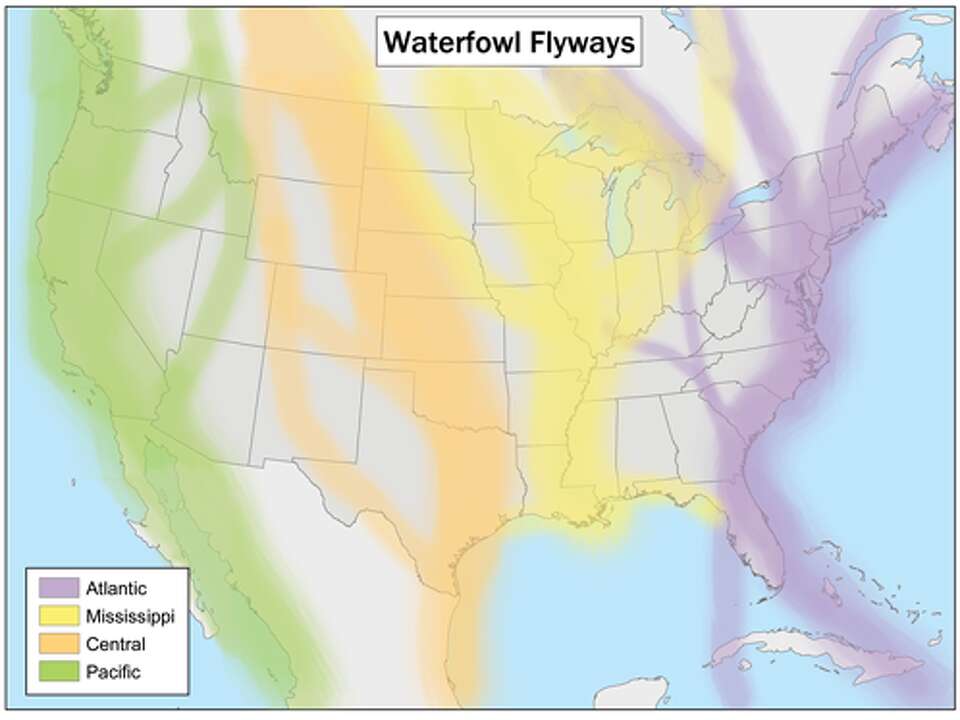
Texas serves as a crucial path for many migrating birds every year. The state’s location makes it a crossroads for birds traveling between North and South America. Migration seasons in Texas bring a vibrant display of bird species. Each season offers unique opportunities to see different birds in their natural habitats.
Spring Migration In Texas
Spring migration happens from March to May. Birds head north to their breeding grounds. Many songbirds, warblers, and raptors pass through Texas during this time. The weather warms, and food becomes more available for birds. Birdwatchers find spring a perfect time to see colorful and diverse species.
Fall Migration In Texas
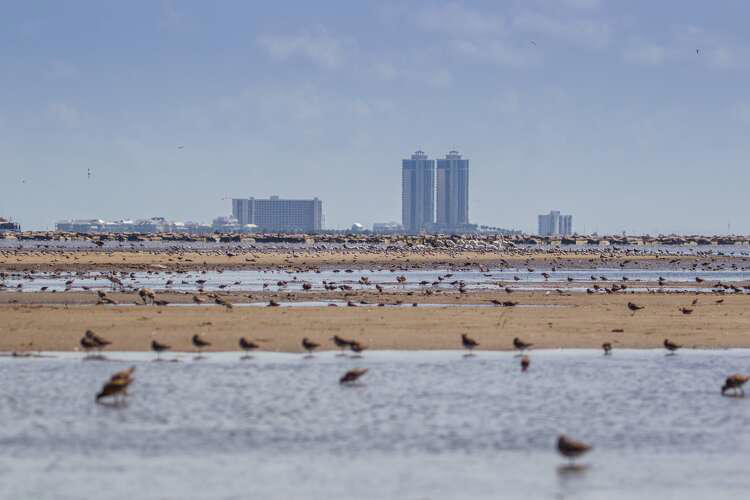
Fall migration occurs from August to November. Birds travel south to escape colder weather. This season shows a large number of waterfowl, hawks, and shorebirds. Texas wetlands and coastal areas become busy with bird activity. Fall offers chances to observe long-distance travelers resting and feeding.
Winter Bird Presence In Texas
Winter brings some birds that stay in Texas year-round. Others arrive from colder northern regions. Species like ducks, geese, and sparrows fill the fields and lakes. Birdwatchers enjoy spotting these winter visitors in mild Texas climates. Winter migration is less intense but still interesting.

Credit: www.kbtx.com
Spring Migration
Spring migration in Texas marks the return of many bird species from their southern winter homes. This season usually begins in late February and lasts through May. Birds travel north to breed and raise their young. Texas serves as a major corridor for these migrating birds because of its size and diverse habitats.
During spring, bird watchers can see many colorful and rare species. The weather warms up, and flowers bloom, creating a lively environment for birds and people alike. This is the best time to enjoy bird watching in Texas.
Key Species To Watch
- Ruby-throated Hummingbird – small and fast, with bright red throat feathers
- Painted Bunting – known for its striking blue, green, and red colors
- Swainson’s Hawk – large raptor that soars high in the sky
- Black-chinned Hummingbird – common in Texas, with a shiny black throat
- Rose-breasted Grosbeak – a songbird with a bold red chest
- Scissor-tailed Flycatcher – famous for its long, forked tail
Best Locations For Viewing
- High Island – a hotspot on the Gulf Coast, great for many species
- South Padre Island – excellent for coastal and shorebird sightings
- Santa Ana National Wildlife Refuge – diverse habitats attract many birds
- Balcones Canyonlands – hills and forests where raptors are common
- Edwin King Atwood Park – good for spotting songbirds and waterfowl
Fall Migration
Fall migration in Texas is a spectacular event that draws bird watchers and nature lovers alike. As temperatures begin to drop, countless bird species start their southward journey through the state. This seasonal movement offers a unique chance to witness a variety of birds in transit, often in large, colorful groups.
During this time, you can see both common and rare species passing through, making your birdwatching experience even more exciting. Have you ever wondered which birds you might spot or where the best places to watch them are? Let’s dive deeper into what fall migration in Texas really looks like.
Notable Birds In Transit
Texas serves as a crucial corridor for many migratory birds. You’ll often spot:
- Sandhill Cranes:Known for their loud calls and graceful flight, they gather in large flocks.
- Swainson’s Hawks:These raptors travel thousands of miles to reach their winter homes.
- Monarch Butterflies:Though not birds, they also migrate through Texas, adding to the fall spectacle.
- Ruby-throated Hummingbirds:Small but fast, they make a remarkable journey across the Gulf of Mexico.
- Warblers and Sparrows:Many colorful songbirds pass through, offering delightful sightings.
Spotting these birds requires patience and timing, but the reward is well worth it. Have you ever seen a Sandhill Crane in flight? Their size and formation can leave a lasting impression.
Top Spots For Observation
Texas offers numerous locations perfect for watching fall migration. Some of the top spots include:
| Location | Why It’s Great |
|---|---|
| South Padre Island | Ideal for coastal birds and waterfowl, with easy access and facilities. |
| High Island | Known for warblers and songbirds stopping to rest during migration. |
| Balcones Canyonlands National Wildlife Refuge | Hosts a variety of raptors and other migratory species during fall. |
| Santa Ana National Wildlife Refuge | Offers great views of wetland birds and is a hotspot for bird photographers. |
Choosing the right spot can make all the difference in your experience. Are you ready to plan your visit to one of these locations this fall?
Credit: www.msn.com
Factors Influencing Migration
Bird migration in Texas is influenced by several key factors that guide these feathered travelers on their journeys. Understanding these influences helps you predict when and where to spot migrating birds. Let’s look closely at the main elements that drive migration timing and routes.
Weather Patterns
Weather plays a huge role in bird migration. Birds often wait for favorable winds to make their flights easier and safer. Sudden storms or cold fronts can delay their departure or cause them to change course.
Have you noticed how birds seem to gather just before a rainstorm? That’s because they sense shifts in air pressure and use these signals to decide when to move. Warm temperatures and clear skies usually encourage migration to begin.
Food Availability
Food is a powerful motivator for birds. When food sources dwindle due to seasonal changes, birds know it’s time to head to areas where they can find enough to eat. This is especially true for insect-eating birds that rely on the abundance of bugs during warmer months.
Your backyard can become a temporary stopover if you provide seeds, berries, or water during migration seasons. Have you ever noticed how certain plants seem to attract more birds at certain times? That’s because birds follow food availability closely.
Conservation Efforts
Bird migration in Texas is a spectacular event that relies heavily on the health of the environment. Conservation efforts play a crucial role in ensuring these birds have safe passage and thriving habitats. Understanding what is being done to protect these migratory species can inspire you to contribute to their survival.
Protecting Habitats
Preserving natural habitats is key to supporting migrating birds. Wetlands, forests, and grasslands in Texas serve as essential stopover points where birds rest and refuel. Efforts include restoring native plants and controlling invasive species that disrupt these ecosystems.
Organizations often work to secure land through conservation easements, preventing development that would destroy critical habitats. Have you ever thought about how a small patch of land can become a lifeline for hundreds of bird species?
Community Involvement
Your participation can make a real difference in bird conservation. Local groups organize cleanups, monitor bird populations, and create bird-friendly spaces in urban areas. Volunteering for these activities helps build a network of support for migratory birds right in your neighborhood.
Simple actions like reducing pesticide use or setting up bird feeders during migration seasons contribute to safer environments. What steps can you take today to support the amazing journey of these birds?
Birdwatching Tips
Birdwatching during migration in Texas is rewarding and fun. Knowing some simple tips can improve your experience. Preparing well helps you spot more birds and enjoy nature fully. Here are key tips to get ready for birdwatching trips.
Essential Gear
- Binoculars with good magnification for clear views
- A field guide or bird ID app to identify species
- Comfortable clothes in neutral colors to blend with surroundings
- A hat and sunscreen to protect from the sun
- Water and snacks for longer outings
- A notebook or voice recorder to note sightings
- A camera with zoom for capturing photos
Optimal Timing
Early morning is the best time to see birds active and feeding. Cooler temperatures make birds more visible. Late afternoon also works well before sunset.
Spring and fall are peak migration seasons in Texas. Watch for the weeks from March to May and August to November. These months bring the highest number of migrating species.
Credit: www.statesman.com
Frequently Asked Questions
When Does Bird Migration Start In Texas?
Bird migration in Texas generally begins in early March. This marks the arrival of many species returning from wintering grounds. Spring migration peaks from March to May, offering excellent birdwatching opportunities across the state.
What Months Are Best For Bird Migration In Texas?
The best months for bird migration in Texas are March through May. Fall migration occurs from August to November. These periods see the highest diversity and numbers of migrating birds passing through Texas.
Which Texas Regions Are Hotspots For Migrating Birds?
The Texas Gulf Coast, Rio Grande Valley, and Hill Country are top bird migration hotspots. These areas provide essential resting and feeding sites for birds during migration. They attract birdwatchers seeking to observe diverse migrating species.
How Long Does Bird Migration Last In Texas?
Bird migration in Texas typically lasts several months. Spring migration spans March to May, while fall migration runs from August to November. Duration varies by species and weather conditions.
Conclusion
Bird migration in Texas happens mainly during spring and fall. Birds travel to find food and warmer places. Many species pass through Texas each year. Watching them can be exciting and peaceful. Knowing the best times helps you plan visits.
Nature shows amazing changes during migration seasons. Don’t miss the chance to see these beautiful travelers. Texas offers great spots for bird watchers. Keep an eye on local reports for updates. Enjoy the natural wonder of bird migration in Texas.