

Have you ever wondered why some birds disappear as the cold months approach? When winter arrives, many birds head south to find warmer places and more food.
But which birds make this long journey, and why do they choose to migrate? Understanding which birds migrate south in winter can change the way you see the world outside your window. Keep reading to discover the fascinating birds that travel thousands of miles to survive the cold—and what their journey means for you.
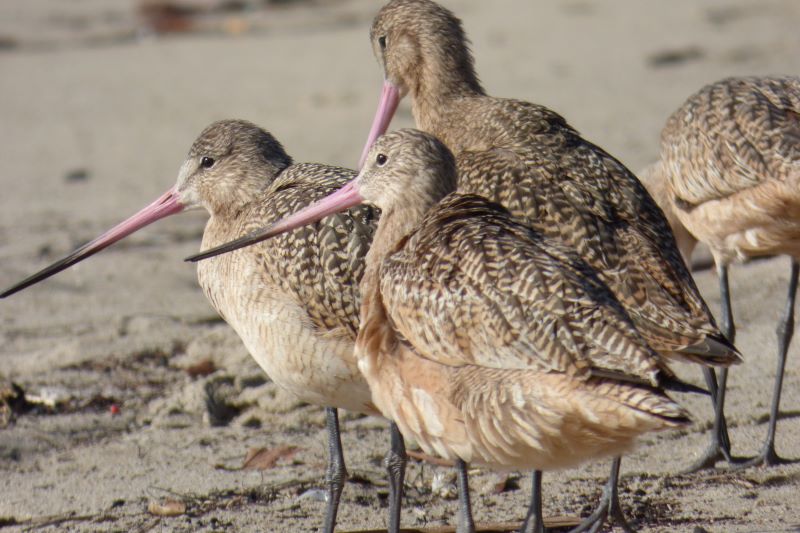
Credit: topanganewtimes.com
Why Birds Migrate
Have you ever wondered why some birds fly thousands of miles south as winter approaches? The answer lies in survival and the need to find food and suitable living conditions. Birds migrate to escape harsh weather and to ensure they have enough resources to thrive.
Energy Conservation And Food Availability
Birds need a lot of energy to survive, especially during the colder months when food becomes scarce. Many insects and plants that birds rely on disappear or become inactive in winter.
By migrating south, birds move to areas where food sources like berries, seeds, and insects are still plentiful. This helps them avoid starvation and maintain their strength.
Better Breeding Conditions
Migration is not just about surviving the winter; it also prepares birds for the next breeding season. Some birds travel to warmer places to raise their young in safer and more resource-rich environments.
You might notice birds returning north in spring, ready to build nests and find mates. Their winter journey ensures they come back healthy and strong for this important time.
Escaping Harsh Weather
Winter weather can be brutal, with freezing temperatures and snow covering the ground. This makes it hard for birds to find shelter and food.
Flying south allows birds to avoid these extreme conditions and find mild climates where they can rest and regain energy. This natural instinct helps them survive year after year.
How Do Birds Know When To Migrate?
Have you ever wondered how birds know exactly when to start their journey? They use changes in daylight, temperature, and even the Earth’s magnetic field as signals.
This internal navigation system is incredibly precise, guiding them through unfamiliar territories to reach their safe winter homes.
Factors Influencing Migration
Bird migration is a fascinating natural event influenced by various factors. Understanding what drives birds to head south in winter can help you appreciate their journey better. These factors involve environmental cues, food availability, and even genetic programming.
Environmental Changes
Birds sense changes in daylight length and temperature, which signal that winter is approaching. Shorter days mean less sunlight, prompting many species to prepare for migration. Cooler temperatures also affect the availability of food and suitable habitats, pushing birds to seek warmer areas.
Food Availability
Food scarcity is a major reason birds migrate south. Many birds rely on insects, seeds, or fruit that disappear or become scarce during cold months. If you’ve noticed fewer birds around your garden in winter, it’s likely because they moved to places with abundant food.
Genetic And Instinctual Drives
Migration is often hardwired into a bird’s DNA. Even young birds who have never migrated before know when and where to go. This instinct helps them survive seasonal changes without needing to learn from older birds.
Predator Avoidance And Safety
Sometimes, birds migrate to avoid predators that become more active in winter. Moving to safer locations increases their chances of survival. Think about how you might choose a safer route to work during bad weather; birds do the same to avoid danger.
Habitat Changes
Changes in habitat quality also influence migration. Wetlands freeze over, and forests lose their fruit and seeds, making these areas less hospitable. Birds head south to find environments that still offer shelter and resources.
Iconic Migratory Bird Species
Some birds have incredible endurance and instincts that drive them to migrate thousands of miles each winter. These iconic migratory bird species teach us about resilience and adaptation. Understanding their journeys can inspire you to appreciate the natural world more deeply.
Arctic Tern
The Arctic Tern holds the record for the longest migration of any bird. It travels from the Arctic all the way to the Antarctic and back every year, covering up to 44,000 miles.
Imagine flying nonstop across the globe twice annually! This tiny bird’s stamina is astonishing and reminds us how nature masters survival in extreme conditions.
Barn Swallow
Barn Swallows migrate from North America to Central and South America during winter. Their graceful flight and agility make them a joy to watch.
Have you noticed how they gather in large flocks before migration? This behavior increases their chances of survival and navigation accuracy.
Common Swift
Common Swifts spend most of their lives in the air, migrating from Europe to Africa each winter. They can stay airborne for months without landing.
Think about how this nonstop flight challenges your own limits. Their ability to sleep while flying is a fascinating adaptation that keeps them going.

Credit: www.yahoo.com
Songbirds Heading South
Every year, countless songbirds take to the skies, heading south to escape the cold. These small but resilient birds rely on instinct and environmental cues to find warmer places with abundant food. Watching their migration can inspire you to appreciate nature’s rhythms and maybe even spot some familiar faces on your own birdwatching adventures.
American Robin
The American Robin is one of the most noticeable songbirds that migrate south for the winter. You might recognize their bright orange belly and cheerful song as a sign of changing seasons. In colder months, robins move to the southern United States or even Mexico, where they find berries and insects to eat.
Have you ever noticed robins lingering longer than usual in your backyard? It could mean food is still available, or the weather hasn’t pushed them to leave yet. Keeping a bird feeder stocked might encourage these travelers to stay and brighten your winter days.
Warblers
Warblers are tiny, colorful songbirds known for their energetic movements and sweet songs. They travel long distances to reach southern forests and tropical areas, where they feast on insects. Spotting a warbler during migration can be a thrilling challenge because of their quick flights and camouflage.
If you want to attract warblers during migration, planting native flowering shrubs or providing suet feeders can make a big difference. Do you think adding a few native plants to your garden could turn it into a mini sanctuary for these delicate birds?
Thrushes
Thrushes include a variety of species like the Hermit Thrush and Wood Thrush that also head south to avoid harsh winters. They prefer wooded areas with plenty of cover and food like berries and insects. Listening for their flute-like songs can help you locate them even when they are hidden among the trees.
Thrushes are excellent indicators of forest health, so seeing them during migration or winter can tell you a lot about your local environment. Next time you hear a soft, melodic call, pause and consider what it says about the natural world around you.
Waterfowl Migration Patterns
Waterfowl migration patterns reveal fascinating journeys that many bird species undertake each winter. These birds travel south to find warmer climates and better food sources. Understanding their migration can help you appreciate the complexity of nature and even spot these travelers in your own area.
Mallard Ducks
Mallard ducks are among the most common waterfowl you’ll see migrating south. They often fly in loose flocks, heading to wetlands and ponds where the water doesn’t freeze. Have you noticed how they seem to prefer areas with plenty of open water and vegetation? This behavior helps them find food like aquatic plants and small invertebrates during winter.
Watching mallards can teach you about the timing of migration. They usually start their journey as temperatures drop below freezing. Next time you see a group flying low over a lake, think about the long trip they’ve started and the survival skills they rely on.
Canada Geese
Canada geese take migration seriously, often traveling thousands of miles in well-organized V-shaped formations. Their journey south leads them to fields and open water where food is abundant and the climate milder. Have you ever wondered why they fly in a V? This formation reduces wind resistance and saves energy for the whole flock.
These geese are adaptable and may even stay closer to urban areas if food is available year-round. Watching them land in parks or golf courses during winter can give you insight into how wildlife adjusts to human presence while still following their natural migration instincts.
Pintail Ducks
Pintail ducks are elegant travelers, known for their slender bodies and long tails. They prefer marshes and shallow lakes as their winter homes, where they can feed on seeds and aquatic insects. Their migration routes can cover vast distances across North America.
What’s interesting about pintails is their reliance on specific wetland habitats. If these areas disappear or freeze over, pintails must adjust their routes or face survival challenges. Have you ever thought about how protecting wetlands could help these birds during their long journeys?
Raptors On The Move
Raptors on the move paint a fascinating picture of nature’s precision and endurance. These birds of prey travel vast distances southward each winter, following ancient routes shaped by weather, food availability, and instinct. Watching their migration offers a glimpse into a world where survival depends on timing and skill, making you wonder how these aerial hunters navigate so flawlessly.
Ospreys
Ospreys are incredible fish hunters that depend on water bodies to survive. As winter approaches, they leave colder northern lakes and rivers to head south, often traveling thousands of miles.
You might spot them near coastal areas or large rivers in southern states or Central and South America. Their sharp eyesight and steady flight make their migration an impressive natural event to witness.
Red-tailed Hawks
Red-tailed Hawks are among the most common raptors you can see migrating south. They prefer open fields and forests where they hunt small mammals and reptiles.
During migration, these hawks use thermal updrafts to glide effortlessly, saving energy on long journeys. Watching a Red-tailed Hawk spiral high overhead can make you appreciate how these birds master the art of flight.
Peregrine Falcons
Peregrine Falcons are known for their speed and agility, traits that serve them well during migration. They travel to warmer climates where their preferred prey, like pigeons and songbirds, are more abundant in winter.
Following a Peregrine Falcon on the move can feel like witnessing a high-speed chase in the sky. Their migration routes often cross continents, highlighting their incredible endurance and navigation skills.
Shorebirds Seeking Warmer Climates
Shorebirds seek warmer climates during winter to survive harsh cold. These birds travel long distances to find food and suitable habitats. Their migration patterns are fascinating and vital for their survival. Let’s explore some common shorebirds that migrate south each winter.
Sandpipers
Sandpipers are small to medium-sized birds with long legs and thin bills. They feed on insects, crustaceans, and small mollusks found in mudflats. During winter, sandpipers move to coastal areas with milder temperatures. These birds often gather in large flocks on beaches and estuaries. Their migration helps them avoid frozen wetlands and scarce food supplies.
Plovers
Plovers are compact shorebirds with short bills and round heads. They prefer sandy beaches and open mudflats for feeding. In winter, plovers fly south to warmer coastal zones. These birds rely on small invertebrates and insects for food. Migration ensures plovers find enough food and avoid freezing conditions.
Sanderlings
Sanderlings are small, pale shorebirds known for their rapid movement along shorelines. They use their bills to probe sand for tiny crustaceans and worms. In winter, sanderlings move to southern coasts with soft sand and shallow waters. These birds often travel in large groups. Their migration helps them stay in environments rich in food and free of ice.
Unique Migratory Behaviors
Bird migration is a fascinating natural event. Some birds travel thousands of miles to find warmer places. Their journeys reveal unique behaviors that help them survive cold winters. These special habits show how birds adapt to different challenges on the way.
These unique migratory behaviors include group flying, night travel, and stopover strategies. Each behavior plays a role in their survival and energy use. Understanding these habits gives us a closer look at bird life during winter migration.
Flying In V-shaped Formations
Many birds fly in a V-shape to save energy. The bird at the front breaks the wind resistance. Birds behind use less effort to fly. They take turns leading to share the hard work. This teamwork helps them fly longer distances without tiring.
Traveling At Night
Some birds migrate during the night. Darkness provides safety from predators. Night air is cooler and calmer, making travel easier. Stars guide them in the dark sky. This helps birds stay on track during long flights.
Using Stopover Sites
Migrating birds often pause at stopover sites. These places offer food and rest. Birds regain strength to continue their journey. Stopover sites are vital for their survival. Losing these sites can harm migration success.
Changing Flight Altitudes
Birds adjust their flying height during migration. They may fly low to avoid strong winds. Sometimes, they soar high to catch warm air currents. This helps reduce energy use and avoid bad weather. Altitude changes keep birds safe and efficient.
Conservation Challenges For Migratory Birds
Migratory birds face many tough challenges as they travel south for the winter. These journeys are filled with risks that can affect their survival and the health of their populations. Understanding these challenges can help you see why conservation efforts are so important and how you can make a difference.
Habitat Loss Along Migration Routes
Many migratory birds depend on specific stopover sites to rest and refuel. Urban growth, agriculture, and deforestation have destroyed or altered these critical habitats. Without safe places to land, birds struggle to complete their long journeys.
Have you ever noticed fewer birds in your local wetlands or forests during migration season? This disappearance often signals habitat loss somewhere along their path.
Climate Change Impact On Timing And Food Supply
Climate change shifts weather patterns, affecting when birds migrate and the availability of food sources. Early springs or late winters can cause mismatches between bird arrival and peak insect or plant availability.
For example, some songbirds arrive too late to find enough food for their young. This can reduce their breeding success and population numbers over time.
Human-made Obstacles And Pollution
Buildings, power lines, and wind turbines pose deadly risks during migration. Birds often collide with these structures, especially at night or in bad weather.
Pollution, such as pesticides and plastic waste, also harms birds directly or contaminates their food. Protecting migratory birds means reducing these hazards in your community.
Conservation Efforts You Can Support
- Protect local wetlands and green spaces where birds rest.
- Advocate for bird-friendly building designs and lighting.
- Participate in citizen science projects to monitor bird migrations.
- Reduce pesticide use and properly dispose of plastic waste.
How can your everyday choices help keep migratory birds safe? Small actions add up to big impacts over time.

Credit: www.allaboutbirds.org
How To Observe Migratory Birds
Observing migratory birds is a rewarding experience. It connects you with nature’s great journeys. Birds travel thousands of miles to find warmer places. Watching them teaches patience and sharpens your senses. This guide helps you enjoy bird watching during migration seasons.
Choose The Right Time And Place
Bird migration happens mostly in spring and fall. Early mornings and late afternoons are best times. Wetlands, forests, and coastal areas attract many migratory birds. Visit spots known for bird activity to increase your chances.
Use Binoculars And Field Guides
Binoculars bring distant birds closer without disturbing them. A good field guide helps identify species by color and shape. Carry a notebook to record your sightings and notes.
Stay Quiet And Move Slowly
Birds are easily scared by noise and sudden moves. Walk softly and avoid loud sounds. Keep a low profile by crouching or hiding behind bushes.
Learn Bird Calls And Songs
Bird sounds help locate and identify species. Listen carefully to different calls. Practice matching sounds with pictures in your guide.
Join Local Bird Watching Groups
Groups share tips on where and when to watch birds. They organize outings that boost your skills. Meeting other bird watchers adds to the fun.
Frequently Asked Questions
Which Birds Migrate South In Winter?
Many birds like geese, swans, and warblers migrate south in winter. They seek warmer climates and abundant food. Migration helps them survive harsh cold and scarce resources during winter months.
Why Do Birds Migrate South During Winter?
Birds migrate south to escape cold temperatures and food shortages. Warmer southern regions offer better survival chances. Migration is a natural adaptation for many species to thrive year-round.
How Far Do Birds Travel When Migrating South?
Migration distances vary widely. Some birds travel a few hundred miles, while others fly thousands. For example, Arctic terns migrate over 12,000 miles to reach warmer areas.
When Do Birds Start Migrating South For Winter?
Most birds begin migrating south between late summer and early fall. Timing depends on species and environmental cues like daylight and temperature changes.
Conclusion
Many birds fly south to find warmer places in winter. They follow the sun and find food easily. Birds like geese, swallows, and warblers travel long distances. Migration helps them survive the cold months. Watching these birds can teach us about nature’s cycles.
Protecting their routes keeps birds safe for future seasons. Migration shows the strength and beauty of wildlife. Understanding which birds migrate makes winter more interesting. Keep an eye on the sky and enjoy this amazing journey.