
Are you curious about when you can see the most incredible bird migrations in Costa Rica? Knowing the exact months when birds arrive and leave can make your trip unforgettable.
Imagine standing under a sky filled with colorful wings, experiencing nature’s grand show. You’ll discover the key months to watch for migrating birds in Costa Rica and how to make the most of this amazing natural event. Keep reading—you won’t want to miss these insider tips!
Credit: nestboxlive.com
Bird Migration Seasons
Birds in Costa Rica mostly migrate between October and April. This period marks their movement to and from breeding grounds. Migration patterns vary depending on the species and weather conditions.
Bird Migration Seasons Bird migration in Costa Rica is a mesmerizing spectacle that draws bird enthusiasts from around the globe. Depending on the time of year, the skies are filled with vibrant flocks moving in search of food, breeding grounds, or warmer climates. Understanding these migration patterns can enrich your bird-watching experiences and deepen your appreciation for these incredible avian journeys.Dry Season Movements
During Costa Rica’s dry season, spanning from December to April, many bird species migrate to higher altitudes. This movement is primarily driven by the search for food, as certain fruits and insects become more abundant in these cooler regions. Have you ever wondered why you see fewer birds in the lowlands during this time? It’s fascinating to think how these creatures instinctively know where to find sustenance. The dry season also coincides with the arrival of migratory birds from North America. Species like the Swainson’s Thrush and various types of warblers make their way to Costa Rica to escape the harsh northern winters. This influx creates a unique opportunity to witness a blend of local and foreign bird species coexisting.Wet Season Patterns
As the wet season takes hold from May to November, bird migration patterns shift dramatically. Many species return to the lowlands, taking advantage of the lush, food-rich environments that emerge with the rains. This period is an ideal time for bird-watching, as the dense foliage provides both shelter and nourishment. Interestingly, the wet season also marks the breeding period for several resident bird species. The abundant resources support the growth of young birds, ensuring a healthy new generation. Have you ever noticed how the forest seems more alive during this time? The chorus of bird calls and the flurry of activity are clear indicators of nature’s cyclical rhythms. Whether you’re a seasoned birder or a curious traveler, understanding these migration patterns can transform your experience in Costa Rica. So next time you find yourself gazing at the skies or exploring the vibrant rainforests, take a moment to consider the incredible journeys these birds undertake.Key Migratory Species
Costa Rica hosts a rich variety of birds during migration seasons. Many species travel thousands of miles to spend months here. These key migratory birds add color and life to forests, wetlands, and coasts. Understanding which species pass through or stay is vital for bird watchers and nature lovers.
Neotropical Migrants
Neotropical migrants breed in North America and winter in Central and South America. Costa Rica acts as a crucial stopover or winter home. Common species include:
- Swainson’s Thrush
- Black-and-white Warbler
- Wood Thrush
- Scarlet Tanager
- Baltimore Oriole
These birds arrive mainly from September to November. They stay until March or April before returning north. Their migration supports Costa Rica’s biodiversity and helps maintain healthy ecosystems.
Resident Vs. Visitor Birds
Costa Rica has both resident birds and migratory visitors. Residents live year-round in the country. Visitors come during migration seasons to find food and shelter.
Residents include toucans, motmots, and many hummingbirds. Migrants often arrive in large groups. Recognizing the difference helps understand local birdlife better.
- Resident Birds:Stay all year; adapt to local climate.
- Migratory Birds:Arrive seasonally; travel long distances.
Bird migration months vary by species. Generally, visitors appear from August to April. Watching these patterns reveals nature’s rhythms.
Timing Of Arrival And Departure
Bird migration in Costa Rica follows clear seasonal patterns. Birds arrive and leave based on food availability and weather changes. These movements create vibrant birdwatching opportunities throughout the year. Understanding the timing of arrival and departure helps plan visits and study bird behavior more effectively.
Spring Migration Months
Spring migration in Costa Rica usually starts in February and lasts until May. Many birds arrive from North America to breed or feed during this time. Species like warblers, tanagers, and orioles are common visitors. The weather is warm and rainy, encouraging lush growth and insect abundance. This season offers excellent birdwatching for those interested in colorful and diverse species.
Fall Migration Months
Fall migration occurs from August to November. Birds begin their journey south to warmer climates for the winter. During these months, Costa Rica acts as a stopover for many species. Birdwatchers can see different groups, including thrushes, flycatchers, and hummingbirds. The weather is drier, making it easier to explore various habitats. Fall migration provides unique chances to observe birds in transition.
Factors Influencing Migration
Understanding the factors that influence bird migration in Costa Rica can change how you observe these incredible travelers. Migration isn’t random; it’s shaped by several key elements that affect when and why birds move. Knowing these factors helps you predict migration patterns and enhances your birdwatching experience.
Climate And Weather Effects
Birds closely watch the climate and weather as signals for migration. Changes in temperature and rainfall in Costa Rica can prompt birds to arrive or depart. For example, many species time their migration to avoid the heavy rains of the wet season.
Wind patterns also play a crucial role. Favorable winds make long flights easier, while storms can delay or reroute birds. Have you noticed how some days are perfect for spotting flocks, while others seem quiet? That’s the weather’s influence in action.
Food Availability
Food is a powerful driver of migration. Birds move to areas where food sources like fruits, insects, or nectar are abundant. In Costa Rica, the ripening of fruits during certain months attracts species that rely on these resources.
Scarcity of food pushes birds to seek better feeding grounds. If you want to see more birds, consider visiting during peak fruiting seasons or insect blooms. Your timing can make all the difference in witnessing vibrant bird activity.
Best Birdwatching Spots
Finding the best birdwatching spots in Costa Rica is key to enjoying its vibrant migration patterns. The country’s diverse landscapes offer unique habitats where you can witness an incredible variety of birds. Whether you prefer the salty breeze by the ocean or the cool mountain air, Costa Rica has a spot that will capture your interest and your camera lens.
Coastal Areas
The coastal regions are a magnet for many migratory birds, especially during the peak migration months from October to April. Places like the Osa Peninsula and the Gulf of Nicoya provide excellent viewing opportunities. You might spot shorebirds, herons, and even some rare seabirds here.
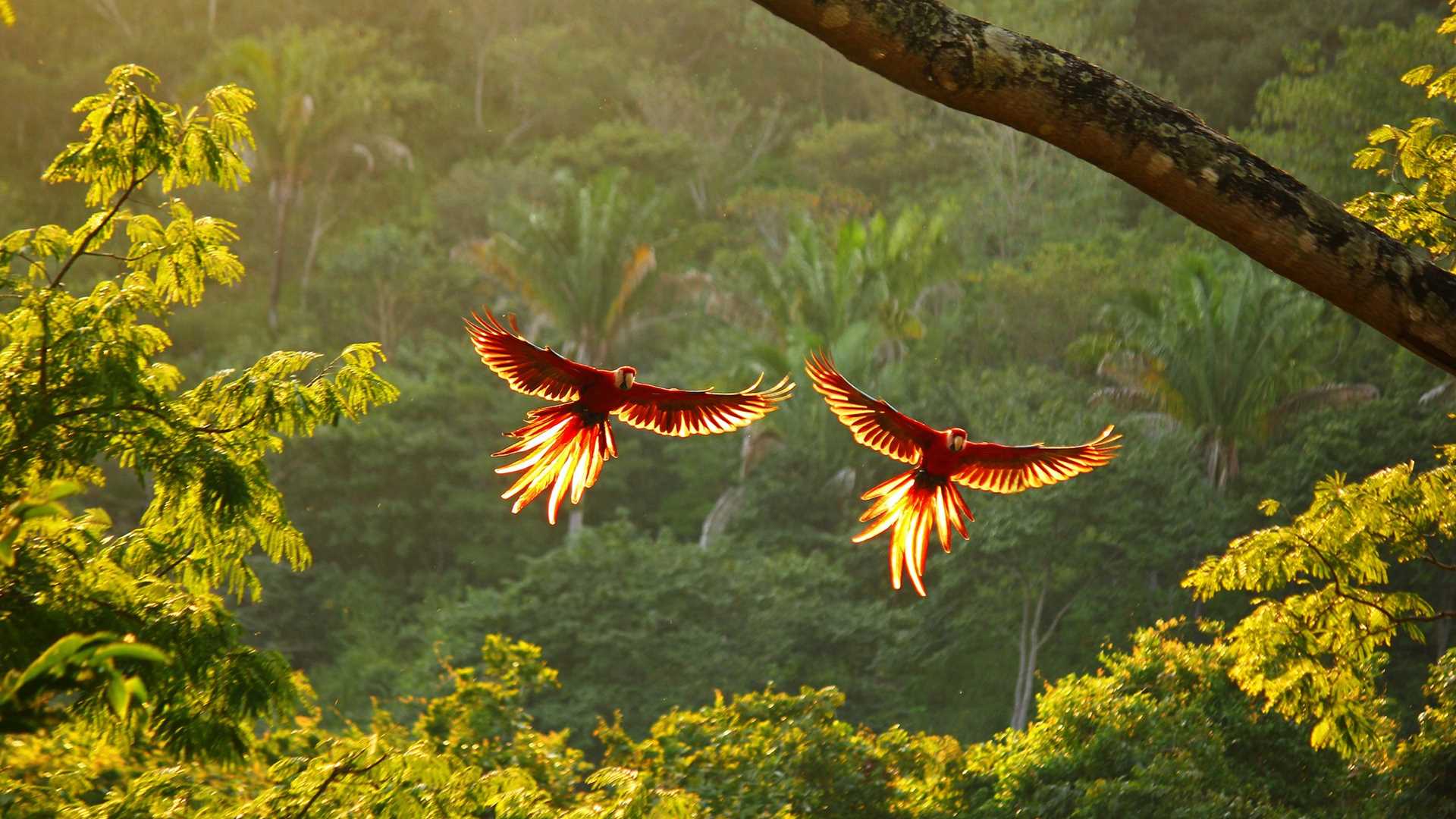
Walking along the mangroves or sandy beaches, you’ll notice flocks of colorful birds feeding or resting. The mix of saltwater and freshwater ecosystems creates rich feeding grounds. Have you ever seen a scarlet macaw flying against the backdrop of a sunset by the coast? It’s a moment worth planning your trip around.
Mountain Regions
The highlands, including areas around Monteverde and the Talamanca Mountains, offer a cooler climate where many migratory species pause before continuing their journey. Birdwatchers often find hummingbirds, tanagers, and quetzals in these cloud forests.
The dense foliage and varied elevation create perfect conditions for spotting both resident and migratory birds. Early morning hikes here can reward you with sightings of rare species that are hard to find elsewhere. How often do you get a chance to see a resplendent quetzal in its natural habitat? The mountains might just be your best bet.
Credit: www.expeditions.com
Conservation Efforts
Conservation efforts play a crucial role in protecting the migratory birds of Costa Rica. These efforts aim to preserve the natural habitats that birds rely on during their journeys. Without proper care, many bird species could face serious threats. Conservation programs work to maintain a safe environment for these birds to rest, feed, and breed.
Many organizations and local communities join forces to support these efforts. They help raise awareness and promote actions that benefit both birds and people. Protecting bird migration routes helps keep the ecosystem balanced and thriving.
Protecting Habitats
Preserving forests, wetlands, and other natural areas is vital. These habitats provide food, shelter, and breeding grounds for migrating birds. Protected zones and reserves help reduce deforestation and habitat loss. Conservationists work to restore damaged areas and promote sustainable land use.
- Establishing national parks and wildlife refuges
- Reforesting degraded lands
- Monitoring bird populations and their habitats
Community Involvement
Local communities play a key role in bird conservation. They participate in education programs about bird migration and habitat protection. Many locals become eco-tourism guides, helping visitors understand bird importance. Community support encourages sustainable practices that benefit both wildlife and people.
- Organizing bird-watching tours
- Teaching children about nature and wildlife
- Supporting laws that protect bird habitats
Credit: nestboxlive.com
Frequently Asked Questions
What Month Do Birds Migrate To Costa Rica?
Bird migration to Costa Rica mainly occurs from October to April. This period aligns with the dry season, attracting many migratory species. Birds travel from North America to escape colder climates and find abundant food. Peak migration months are typically November and December.
When Do Costa Rican Birds Return North?
Most migratory birds leave Costa Rica between March and May. This timing coincides with the start of the rainy season. Birds return to their northern breeding grounds as temperatures rise. The migration back is less concentrated than the southbound journey.
Which Birds Migrate Through Costa Rica?
Costa Rica hosts various migratory birds such as hawks, thrushes, and warblers. Species like the Swainson’s Hawk and Black-and-white Warbler are common. These birds use Costa Rica as a stopover or wintering site during migration.
Why Is Costa Rica Important For Bird Migration?
Costa Rica provides vital habitats with abundant food and shelter. Its diverse ecosystems support migratory birds during their long journeys. The country’s location makes it a critical flyway for birds traveling between North and South America.
Conclusion
Birds migrate through Costa Rica mostly between October and April. These months offer the best chance to see many species. Migration depends on weather and food availability. Watching birds in these months brings joy and learning. Plan your trip around these times for the best experience.
Nature’s rhythm shows clearly in bird migration here. A simple trip can reveal the beauty of these patterns. Keep an eye on the skies during these special months. Bird migration in Costa Rica is a natural wonder worth seeing.