
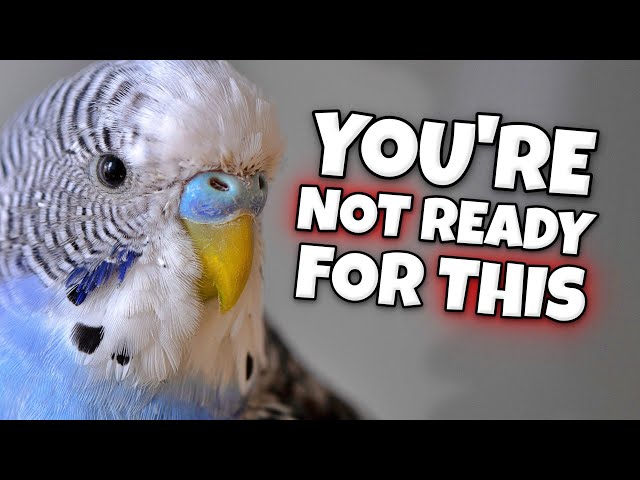
Have you ever wondered what would happen if you just opened the cage and let your pet bird fly away? It might seem like a kind or freeing act, but the reality is often far more complicated—and heartbreaking.
What if your bird gets lost, hurt, or worse? Understanding what happens when pet birds are released into the wild can help you make better choices for your feathered friend’s safety and happiness. Keep reading to discover the surprising truths and important facts every bird owner needs to know.

Credit: www.reddit.com
Impact On The Bird’s Survival
Releasing pet birds into the wild might seem like a kind gesture, but it has serious consequences for the bird’s ability to survive. Unlike wild birds, pet birds lack the necessary skills and instincts to thrive outside a controlled environment. Understanding these challenges can help you make better decisions for your feathered friends.
Challenges In The Wild
Pet birds are often raised in cages with food and water provided regularly. Suddenly being thrust into the wild means they must find food, water, and shelter all by themselves.
Many pet birds struggle to adapt to new environments because they are unfamiliar with natural food sources or how to avoid dangers. Can you imagine being dropped into a strange place without knowing where your next meal comes from?
Lack Of Survival Skills
Wild birds learn survival skills from their parents and social groups. Pet birds miss out on this critical learning process.
Skills like foraging for food, recognizing predators, and finding safe nesting spots are not instinctual; they require practice. Without these skills, pet birds often starve or become easy targets.
Predators And Threats
In the wild, birds face many predators such as cats, hawks, and snakes. Pet birds are not equipped to escape or defend themselves.
Additionally, unfamiliar environments expose them to diseases and harsh weather conditions they are not prepared to handle. Have you ever seen a bird struggle to fly away from danger? For pet birds, this vulnerability is even greater.

Credit: www.reddit.com
Ecological Consequences
Letting pet birds go might seem like a kind gesture, but it can trigger serious ecological problems. These birds are not native to the environment you release them into, and their presence can ripple through the local ecosystem in unexpected ways. Understanding these consequences helps you see why this act is more harmful than it appears.
Disruption Of Local Ecosystems
Released pet birds often struggle to survive, but those that do can upset the balance of local ecosystems. They may feed on native plants or insects, altering food chains that native animals rely on.
Imagine a small forest where native birds depend on certain seeds to feed their young. A non-native bird might eat those seeds faster or destroy plants that local species need, causing a decline in native populations.
Competition With Native Species
Pet birds released into the wild compete directly with native birds for food, nesting sites, and shelter. This competition can be fierce and often favors the more aggressive or adaptable non-native birds.
For example, in some cities, released parakeets outcompete native songbirds by taking over their nesting spots. This leaves native birds with fewer places to breed, which can reduce their numbers over time.
Spread Of Diseases
One of the biggest risks is the potential spread of diseases. Pet birds may carry viruses or parasites that native birds have never encountered before.
This can lead to outbreaks that severely impact native bird populations. Have you ever thought about the health risks your pet bird might pose if released? Protecting wildlife means keeping diseases in check.
Legal And Ethical Considerations
Letting pet birds go might seem like a kind gesture, but it comes with serious legal and ethical implications you need to consider. Understanding these factors protects not only the birds but also local ecosystems and communities. Knowing your responsibilities can prevent unintended harm and legal trouble.
Laws And Regulations
Many regions have strict laws about releasing non-native birds into the wild. These rules aim to protect native wildlife and ecosystems from invasive species. Violating these laws can result in fines or other penalties.
For example, some states in the U.S. prohibit releasing exotic birds without a permit. This is because escaped birds can compete with native species for food and habitat. You should check local wildlife regulations before making any decisions about freeing your pet bird.
Have you ever thought about how a single bird could affect an entire ecosystem? Even well-meaning actions can disrupt natural balances.
Ethical Responsibility Of Owners
Owning a pet bird means committing to its care for life. Birds bred in captivity often lack survival skills needed in the wild. Letting them go can expose them to starvation, predators, or harsh weather.
Many pet owners don’t realize that releasing a bird can cause suffering instead of freedom. Instead, consider alternatives like finding a new home or contacting rescue organizations. Your bird’s well-being depends on your choices.
What would you want if you were in your bird’s place? Treat your pet with the respect and responsibility it deserves.
Alternatives To Release
Letting pet birds go can harm their health and local wildlife. Birds raised in homes often cannot survive outside. They may face dangers like predators, lack of food, or harsh weather. Instead of releasing them, consider safer and kinder alternatives. These choices protect the bird and the environment.
Rehoming Options
Finding a new home for a pet bird is a responsible choice. Reach out to friends or family who understand bird care. Use online forums or social media groups dedicated to bird lovers. Local pet stores sometimes help connect birds with new owners. Always ensure the new owner can meet the bird’s needs. This keeps the bird safe and happy.
Bird Sanctuaries And Rescues
Bird sanctuaries and rescue centers offer safe places for unwanted birds. These organizations provide proper care and medical attention. They have experience handling different bird species. Many sanctuaries focus on rehabilitation and lifelong care. Contact local or national bird rescue groups to find options nearby. This helps protect birds and supports conservation efforts.
Behavioral And Environmental Enrichment
Improving a bird’s environment can reduce the urge to escape. Provide toys, perches, and varied foods to keep birds engaged. Create safe spaces for flying and exploring indoors. Spend time interacting with your bird daily. Enrichment helps birds stay healthy and mentally sharp. It also strengthens the bond between owner and pet.
Raising Awareness
Raising awareness about the consequences of releasing pet birds into the wild is crucial. Many people don’t realize the risks involved, both to the birds themselves and to the environment. By spreading knowledge, you can help protect native wildlife and encourage responsible pet ownership.
Educational Initiatives
Schools, pet stores, and community centers can play a big role in educating people about why letting pet birds go is harmful. Workshops and informational brochures can explain how non-native birds struggle to survive and may spread diseases or disrupt local ecosystems.
Sharing real stories helps too. I once met a bird owner who released a parakeet thinking it would thrive outdoors. Unfortunately, the bird didn’t survive long, and the owner felt heartbroken afterward. Such experiences highlight why education matters.
Ask yourself: how often do you check the source of your pet’s care advice? Taking time to learn and share accurate information can make a difference.
Community Involvement
Getting your community involved creates a stronger impact. Local groups can organize bird rescue programs or partner with wildlife experts to provide safe alternatives to releasing pets.
- Host awareness campaigns with posters and social media posts.
- Create support networks for people struggling to care for their birds.
- Encourage adoption instead of abandonment.
When neighbors work together, they build a safety net for pet birds and native wildlife. What steps can you take in your community to support this cause? Even small actions, like sharing a helpful article, can spark important conversations.

Credit: www.reddit.com
Frequently Asked Questions
What Happens If You Release Pet Birds Outside?
Releasing pet birds outside often leads to their death from predators or starvation. They lack survival skills. Most cannot adapt to the wild environment.
Can Pet Birds Survive In The Wild Alone?
Pet birds usually cannot survive alone in the wild. They depend on humans for food and shelter. Wild birds have instincts pet birds lack.
Are Released Pet Birds A Threat To Wild Birds?
Yes, released pet birds can spread diseases and compete for food. They may disrupt local ecosystems and harm native bird populations.
Is It Illegal To Let Pet Birds Go Free?
In many places, releasing pet birds is illegal. It can harm local wildlife and violate animal control laws. Always check local regulations first.
Conclusion
Letting pet birds go can bring many risks for them and the environment. They may struggle to find food or shelter. Wild animals might see them as threats or prey. Birds used to humans often cannot survive alone. Their release can harm local ecosystems too.
Caring for pet birds means keeping them safe indoors. Understanding these facts helps protect birds and nature alike. Think carefully before making choices about your pet birds’ freedom. Their well-being depends on responsible care and love.