
Are you struggling to capture sharp, stunning photos of birds in flight or perched delicately on a branch? The secret often lies in one simple camera setting: shutter speed.
Choosing the right shutter speed can make the difference between a blurry shot and a breathtaking image that stops viewers in their tracks. You’ll discover exactly how to pick the perfect shutter speed for bird photography, helping you freeze every feather in crisp detail.
Keep reading, and you’ll unlock the key to taking your bird photos from ordinary to extraordinary.
Choosing The Right Shutter Speed
Choosing the right shutter speed is crucial for capturing stunning bird photos. It controls how motion appears in your image and can either freeze a bird in flight or show the gentle movement of feathers. Understanding how to adjust shutter speed based on your subject’s activity and the available light will help you take sharper, more expressive shots.
Fast Speeds For Flying Birds
Flying birds move quickly and unpredictably. To freeze their motion, you need a fast shutter speed—usually 1/1000 second or faster. This prevents blur and captures details like wing feathers sharply.
From my experience, shooting hummingbirds requires even faster speeds, often up to 1/4000 second, because their wings beat so rapidly. If you use slower speeds, you risk ending up with blurry wings instead of crisp feathers.
Slower Speeds For Perched Birds
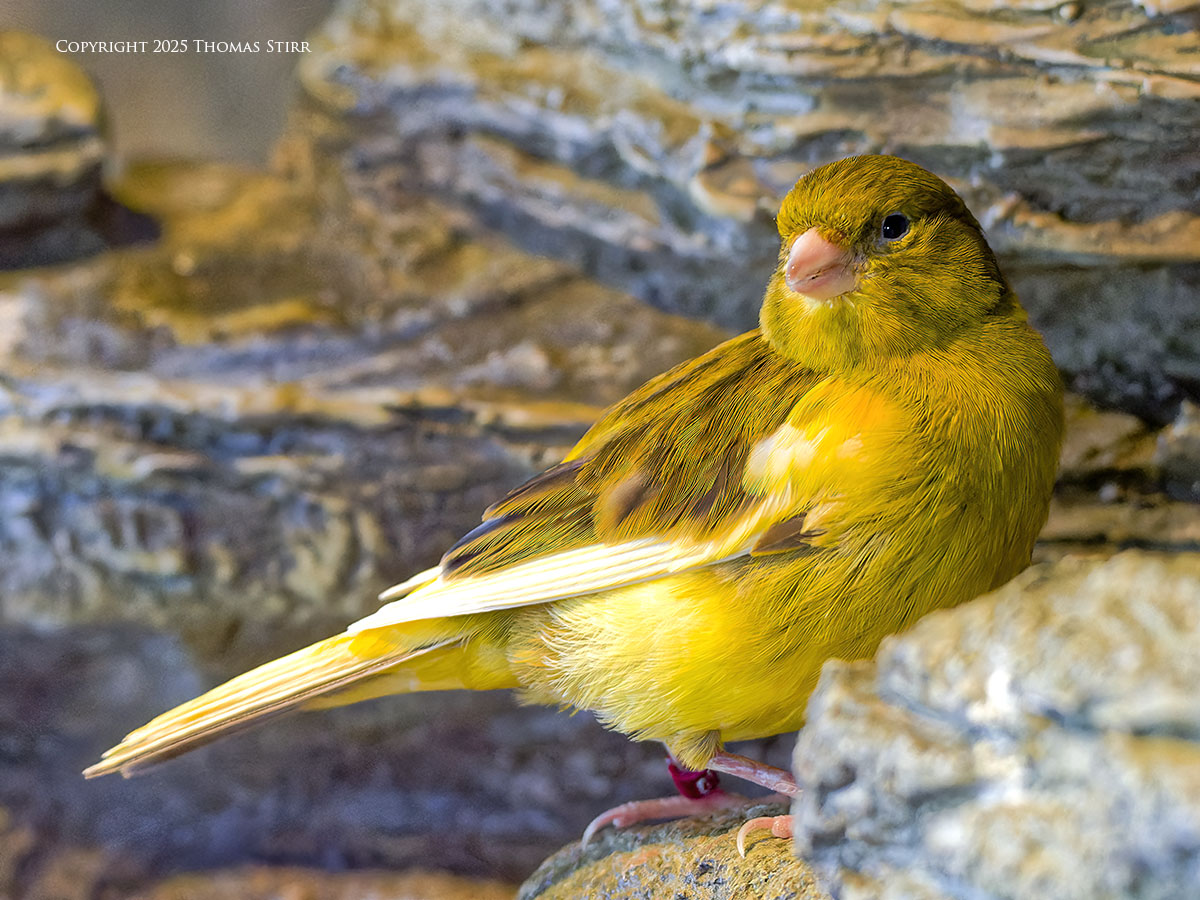
When birds are perched or stationary, you can slow down your shutter speed to around 1/250 to 1/500 second. This lets more light in and helps create a balanced exposure without motion blur.
Slower speeds allow you to focus on fine details like eye sharpness and feather texture. But be cautious—if your shutter speed is too slow, even small movements can cause blur, so use a tripod or steady hand to keep the camera stable.
Balancing Shutter Speed With Light
Light conditions often determine how fast your shutter speed can be. Bright daylight lets you use higher shutter speeds without sacrificing exposure. However, in low light, you might need to compromise by lowering shutter speed and increasing ISO or opening the aperture.
Ask yourself: Is freezing every wingbeat more important than grain-free images? Sometimes a slightly slower shutter speed combined with image stabilization or post-processing noise reduction will give you the best overall shot.

Credit: photzy.com
Effects Of Shutter Speed On Bird Images
Shutter speed controls how sharp or blurry a bird appears in photos. Faster speeds freeze motion, capturing clear details of flying birds. Slower speeds create motion blur, adding a sense of movement to your images.
The shutter speed greatly affects bird photography. It determines how movement appears in your images. Too slow, and the bird might blur. Too fast, and you might freeze the action but miss some motion details.Freezing Motion
A fast shutter speed freezes the bird in action. This is ideal for capturing a bird in mid-flight. You get sharp images with clear details. Use a shutter speed of 1/1000 second or faster. The bird looks like it has paused in the air.Creating Motion Blur
A slower shutter speed creates motion blur. This effect shows movement in your images. It’s useful for showing speed and direction. Use around 1/30 to 1/60 second. The background stays sharp while the wings blur. This adds a dynamic feel to your photos.Capturing Wing Details
Capturing wing details requires precision. A moderate shutter speed works best. Aim for 1/500 to 1/800 second. This speed balances clarity and motion. You can see the feathers and wing position. It gives a sense of grace and elegance. Understanding shutter speed helps capture stunning bird images. Experiment with different speeds to find the perfect balance.Camera Settings For Flight Shots
Capturing birds in flight demands precise camera settings. The right shutter speed freezes motion clearly. Balancing ISO, aperture, and shooting mode helps maintain sharp images. Adjust settings based on light and bird speed for best results.
Iso Adjustments
Increase ISO to brighten images in low light. Higher ISO lets you use faster shutter speeds. Be cautious of noise at very high ISO levels. Find a balance for clear and bright photos.
Aperture Choices
Use a wide aperture to allow more light. This helps keep shutter speeds fast for sharp flight shots. A wider aperture also blurs the background nicely. Select an aperture around f/4 to f/6.3 for good depth and light.
Using Continuous Shooting Mode
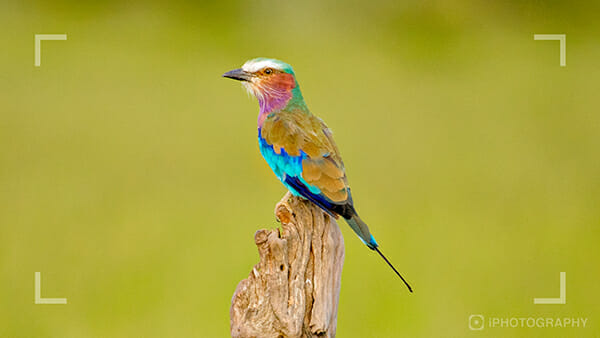
Continuous mode captures several shots per second. It increases the chance of getting the perfect flight moment. Hold the shutter button down to take multiple images. Review and pick the sharpest photo later.
Credit: www.iphotography.com
Tips For Better Bird Photography
Capturing beautiful bird photos needs more than just a good camera. It requires skill, patience, and the right techniques. Following simple tips can improve your bird photography and help you freeze moments perfectly. Understanding how to handle shutter speed and equipment makes a big difference.
Tracking Fast-moving Birds
Birds often fly quickly and change direction fast. Keep your camera ready with a fast shutter speed, like 1/1000 second or faster. Use continuous autofocus mode to keep the bird sharp. Practice moving your camera smoothly to follow the bird’s flight. This skill takes time but improves your shots greatly.
Using Tripods And Stabilizers
Tripods keep your camera steady and reduce blur. They work well when using heavy lenses or slow shutter speeds. Stabilizers help you hold the camera steady while moving. Both tools let you focus on the bird without worrying about shaky hands. Choose what fits your style and location.
Timing And Patience
Bird photography needs patience. Wait for the right moment when the bird shows good behavior or lighting. Early morning and late afternoon offer soft light and active birds. Watch quietly and avoid sudden moves. The best photos come to those who wait and observe carefully.
Common Mistakes To Avoid
Choosing the right shutter speed for bird photography can be tricky, and many photographers make avoidable mistakes that affect their results. Understanding these common pitfalls helps you capture sharp, dynamic images of birds in action. Let’s look at some key errors you should watch out for to improve your bird photography skills.
Too Slow Shutter Speeds
Using a shutter speed that is too slow often results in blurry bird photos. Birds move quickly, especially when flying or feeding, so a slow shutter speed can’t freeze their motion effectively.
Try to keep your shutter speed at least 1/1000th of a second or faster for most flying birds. This prevents motion blur and captures crisp details.
Have you noticed how some photos look soft or out of focus? That’s often due to slow shutter speeds combined with fast bird movements.
Ignoring Light Conditions
Light plays a huge role in determining the shutter speed you can use. Shooting in low light without adjusting your shutter speed or ISO leads to dark or blurry images.
When light is limited, don’t just stick to your preferred shutter speed. Instead, increase ISO or use a wider aperture to maintain a fast shutter speed.
Think about the early morning or late afternoon when birds are active but light is low—adjust your camera settings accordingly to avoid missing the shot.
Overlooking Focus Settings
Even with the right shutter speed, your bird photos will suffer if your focus settings are off. Birds move unpredictably, so relying on single-point focus might not be enough.
Use continuous autofocus (AI Servo or AF-C) and multiple focus points to track birds accurately during flight or quick movements.
Have you ever taken a perfectly timed photo only to find it’s out of focus? Adjusting your focus mode can make all the difference in capturing sharp images.

Credit: digital-photography-school.com
Frequently Asked Questions
What Is The Ideal Shutter Speed For Bird Photography?
The ideal shutter speed for bird photography is typically 1/1000 second or faster. Fast speeds freeze motion, capturing sharp images of flying birds. Adjust based on light and bird speed for best results.
How Does Shutter Speed Affect Bird Motion Capture?
Shutter speed controls motion blur. Faster speeds freeze rapid wing movement. Slower speeds create artistic blur but risk losing sharpness. Choose speed based on desired effect and bird activity.
Can I Use Slow Shutter Speed For Bird Photography?
Slow shutter speeds can create motion blur, showing wing movement creatively. However, it risks blurry images if the bird moves too fast. Use a tripod and steady subjects for best slow-speed results.
What Shutter Speed Works Best For Flying Birds?
A shutter speed of 1/2000 second or faster is best for flying birds. It freezes fast wing beats and prevents motion blur, ensuring crisp action shots.
Conclusion
Choosing the right shutter speed helps capture birds clearly. Fast shutter speeds freeze motion and avoid blur. Slower speeds can create artistic motion effects. Practice with different speeds to see what works best. Remember, lighting and bird movement affect your settings too.
Keep your camera ready and be patient. Enjoy the process of capturing beautiful bird moments. Each shot teaches you something new. Happy bird photography!