

Are you wondering if a 70-300mm lens is the right choice for bird photography? Choosing the perfect lens can make all the difference in capturing sharp, detailed images of birds in flight or perched far away.
With so many options out there, it’s easy to feel overwhelmed. But don’t worry—this guide will help you understand how a 70-300mm lens performs in real birdwatching situations. By the end, you’ll know if this lens matches your photography goals and what to expect from it.
Keep reading to discover the pros, cons, and tips that could transform your bird photos.
Key Features Of 70-300mm Lenses
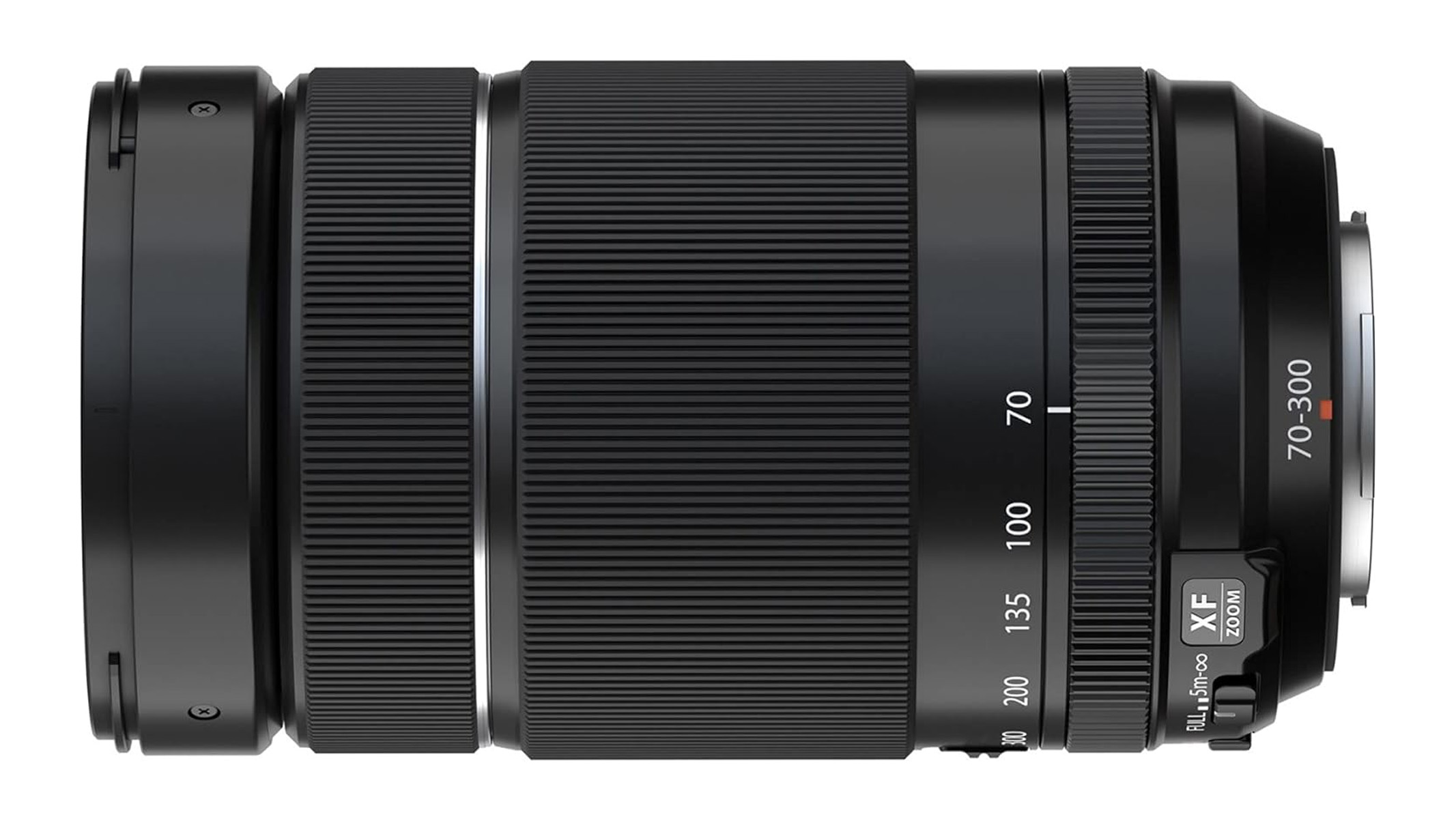
70-300mm lenses offer versatile features that appeal to bird photographers. These lenses cover a useful zoom range, making it easier to capture birds at different distances. Key features affect the image quality, ease of use, and portability. Understanding these features helps choose the right lens for bird photography.
Focal Length Range
The focal length of 70-300mm covers medium to long zoom distances. This range lets you photograph birds both near and far. Zooming from 70mm to 300mm helps capture wide shots and close-ups. The flexibility suits various bird sizes and environments. It balances reach and usability without needing extra lenses.
Aperture And Image Stabilization
Aperture size controls how much light enters the lens. Most 70-300mm lenses have variable apertures, usually around f/4-5.6. This size works well in daylight but may struggle in low light. Image stabilization reduces blurriness from camera shake. It helps keep photos sharp, especially at longer zooms or slower shutter speeds. This feature is valuable for handheld shooting in nature.
Lens Build And Weight
These lenses often have lightweight builds for easy carrying. The size makes them less tiring to use over time. Lens construction varies from plastic to metal parts, affecting durability. Weather-sealed models resist dust and moisture. This is important for outdoor bird photography. Compact and light lenses improve mobility during long shoots.
Advantages For Bird Photography
Bird photography requires patience and the right equipment. A 70-300mm lens can be a great choice. It offers a balance of features that suits bird photographers. Let’s explore the advantages this lens offers.
Reach And Magnification
The 70-300mm lens has a significant reach. This makes it ideal for capturing distant birds. The magnification capability helps focus on details. Feathers, eyes, and beaks come to life in your shots. You can capture birds without getting too close and disturbing them. This is crucial for wildlife photography.
Portability And Handling
This lens is relatively lightweight. It’s easier to carry during long outdoor trips. Handling is smooth and quick. This is vital for capturing fast-moving birds. You can react swiftly to sudden movements. This flexibility is beneficial in dynamic environments.
Affordability Compared To Prime Lenses
The 70-300mm lens is budget-friendly. It’s more affordable than many prime lenses. This makes it accessible to hobbyists and beginners. You get good quality without breaking the bank. It’s a cost-effective way to enhance your bird photography.
Limitations To Consider
Before deciding if the 70-300mm lens fits your bird photography needs, it’s important to look at some of its limitations. This lens offers versatility, but it doesn’t come without trade-offs. Understanding these can help you decide if it matches your shooting style and environment.
Low Light Performance
The 70-300mm lens often has a variable aperture, usually around f/4-5.6, which limits how much light reaches your camera sensor. This can be a real challenge in early morning or late evening when birds are most active.
If you rely on natural light, you might notice slower shutter speeds that increase the risk of blurry images. Have you tried shooting birds in dim light and found your photos less sharp than expected? This lens may require you to increase ISO, which can add noise to your shots.
Autofocus Speed And Accuracy
Birds move fast and unpredictably. The autofocus system on some 70-300mm lenses can struggle to keep up, especially with smaller or fast-flapping species. This might mean missing the perfect moment or ending up with out-of-focus shots.
While newer versions of this lens have improved AF motors, they still may not match the speed of higher-end telephoto lenses. Are you ready to manually adjust focus or rely on your camera’s tracking to compensate for this?
Image Quality At Telephoto End
At the longest focal lengths, image sharpness can drop. You might see softness or chromatic aberrations, especially in the corners of your photos. This can reduce the detail you capture in a bird’s feathers or eye.
Have you noticed that zooming all the way to 300mm sometimes lowers image clarity? Stopping down the aperture a bit can help, but it may not fully fix the issue. For critical detail, you might need to consider prime lenses or higher-quality zooms.

Credit: www.reddit.com
Comparing 70-300mm To Other Telephoto Options
The 70-300mm lens is a popular choice for bird photography. It offers a flexible zoom range and is usually lighter and more affordable than longer lenses. Comparing it with other telephoto lenses helps understand its strengths and limits. This section compares the 70-300mm with two common telephoto options: 100-400mm lenses and prime telephoto lenses.
Versus 100-400mm Lenses
100-400mm lenses provide a longer reach than 70-300mm lenses. This extra zoom helps capture distant birds more easily. They often have better image stabilization and faster autofocus systems. The 100-400mm lenses tend to be heavier and more expensive. Photographers who need more reach and better performance may prefer them. The 70-300mm is lighter and easier to carry during long walks. It suits beginners or those with a limited budget.
Versus Prime Telephoto Lenses
Prime telephoto lenses have a fixed focal length. They often offer sharper images and wider apertures. This helps in low light and creates beautiful background blur. The 70-300mm zoom lens is more versatile because it covers multiple focal lengths. Prime lenses can be heavy and costly compared to 70-300mm zooms. Photographers who want ultimate image quality and don’t mind changing lenses might choose primes. The zoom lens works well for those who want flexibility and ease of use.
Tips For Maximizing 70-300mm Lens Performance
Getting the most out of your 70-300mm lens can transform your bird photography from ordinary to outstanding. This lens offers versatility, but to truly capture sharp, detailed bird images, you need to fine-tune your approach. These tips will help you push your lens to its limits and capture stunning bird shots.
Using Teleconverters
Teleconverters can extend your lens’s focal length, letting you get closer to distant birds without physically moving. A 1.4x or 2x teleconverter is a popular choice, but be aware they can reduce the amount of light entering the lens.
To maintain image quality, use teleconverters with lenses that have fast autofocus. Pairing a 70-300mm lens with a teleconverter can sometimes slow down autofocus, so test your setup before critical shoots.
Do you notice a drop in sharpness? Try stopping down the aperture slightly to regain clarity. This balance between reach and sharpness is key to making teleconverters work for you.
Optimal Camera Settings
Choosing the right camera settings makes a big difference in bird photography. Use a fast shutter speed (at least 1/1000 sec) to freeze bird movement and avoid blur.
Set your ISO to a level that balances brightness without adding too much noise. Modern cameras handle higher ISO well, so don’t hesitate to raise it when light is low.
Focus mode matters too—Continuous AF (AI Servo or AF-C) helps track moving birds effectively. Combine this with a single autofocus point to target your subject precisely, reducing the chance of focusing on distracting backgrounds.
Stabilization Techniques
Stabilization is crucial, especially at longer focal lengths. If your lens has image stabilization (IS or VR), switch it on to reduce shake when shooting handheld.
Using a monopod or tripod adds another layer of stability, letting you shoot at slower shutter speeds without blur. But sometimes, a monopod’s flexibility outperforms a tripod in the field.
Practice steady hand-holding techniques—brace your elbows against your body and hold the camera close to your face. Can you feel the difference in steadiness? Try it next time you’re outdoors, and see how your sharpness improves.

Credit: www.youtube.com
Real-world Experiences From Bird Photographers
Real-world experiences from bird photographers reveal valuable insights about using a 70-300mm lens. This lens often serves as a practical choice for many enthusiasts and professionals alike. Photographers share their stories, highlighting both the strengths and limitations of this versatile lens in natural settings.
Success Stories
- Many bird photographers capture sharp images of small birds using the 70-300mm lens.
- The zoom range allows flexibility to shoot birds from different distances.
- Photographers praise the lens for its lightweight design, making long walks easier.
- Some users report excellent image quality in good lighting conditions.
- The lens works well for beginners learning bird photography without heavy gear.
- It performs well in open areas where birds are more accessible.
Common Challenges
- Photographers find it hard to capture very distant or small birds clearly.
- Low light conditions can reduce sharpness and increase noise in photos.
- The autofocus sometimes struggles with fast-moving birds or dense foliage.
- The lens has limited reach compared to higher-end telephoto lenses.
- Stabilizing shots without a tripod can be difficult at full zoom.
- Some users notice less sharpness at the extreme ends of the zoom range.
Credit: www.livescience.com
Frequently Asked Questions
Is A 70-300mm Lens Suitable For Bird Photography?
Yes, a 70-300mm lens is suitable for bird photography. It offers good zoom range to capture distant birds clearly. It’s lightweight and affordable, making it ideal for beginners and hobbyists.
What Are The Advantages Of A 70-300mm Lens For Birds?
The 70-300mm lens provides flexible zoom, sharp images, and good background blur. It helps capture birds in flight or perched without disturbing them. Its versatility suits different bird sizes and environments.
Can A 70-300mm Lens Capture Fast-moving Birds?
While not the fastest lens, a 70-300mm can capture fast birds with good technique. Using a high shutter speed and continuous autofocus improves sharpness and reduces motion blur.
How Does Image Quality Compare With Other Lenses?
Image quality of a 70-300mm lens is decent for bird photography. It may lack the sharpness and low-light performance of prime or higher-end telephoto lenses but delivers good results at a budget.
Conclusion
A 70-300mm lens suits many bird photography needs. It offers good zoom without being too heavy. Birds can be captured clearly from a distance. The lens is often affordable and easy to carry. It may not match super-telephoto lenses but still works well.
Beginners and hobbyists will find it practical and useful. Choosing the right lens depends on your budget and style. This lens provides a solid start for bird photography. Give it a try and see how it fits your shooting.