
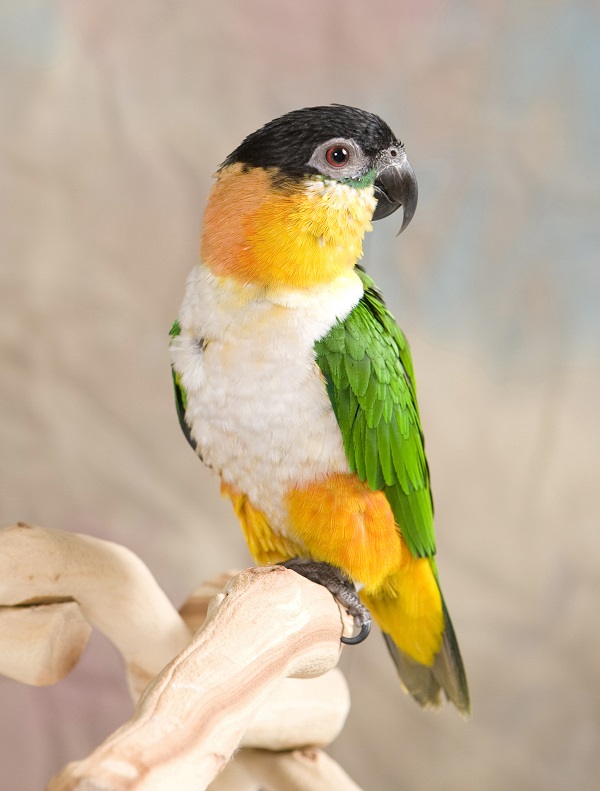
Choosing your first pet bird can feel exciting and a bit overwhelming at the same time. You want a bird that’s friendly, easy to care for, and will bring joy to your home.
But with so many types of birds out there, how do you know which one is the best fit for you? This guide will help you discover what makes a good first pet bird. By the end, you’ll feel confident about finding a feathered friend that matches your lifestyle and personality perfectly.
Keep reading to learn how to make your first bird experience a happy and rewarding one!
Traits Of A Good First Pet Bird
Choosing the right bird as your first pet goes beyond just picking a pretty feathered friend. You need to consider specific traits that will make the experience enjoyable and manageable for you. Understanding these traits helps you find a bird that fits your lifestyle and personality, making your new companion a true joy.
Temperament And Sociability
Look for a bird with a friendly and calm temperament. Birds like budgerigars and cockatiels are known for their social nature and can form strong bonds with their owners.
Ask yourself if you want a bird that enjoys interaction or one that’s more independent. A sociable bird will require more attention but often rewards you with affectionate behavior.
Size And Space Needs
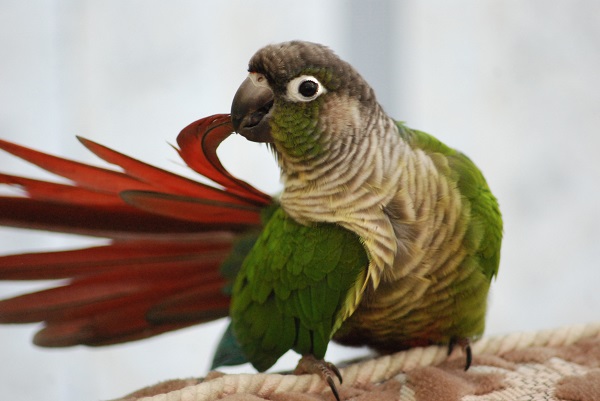
Smaller birds need less space and a smaller cage, which can fit easily into your home. Larger birds, such as conures or African greys, require bigger cages and more room to move.
Consider your living space carefully. Do you have enough room for a larger bird, or would a small, compact species be a better fit?
Noise Levels
Birds can be noisy, but some species are quieter than others. Budgies and cockatiels tend to have softer calls, while parrots like macaws can be very loud.
Think about your tolerance for noise and your neighbors. Would a loud bird cause problems, or can you handle the chatter and squawks?
Lifespan And Commitment
Birds live for many years, sometimes decades. Smaller species often live 5 to 10 years, while larger parrots can live 40 years or more.
Are you ready for a long-term commitment? Picking a bird with a lifespan that matches your willingness to care for it is crucial.
Ease Of Care
Some birds require more care, specialized diets, and attention to health than others. Budgies are generally low-maintenance, making them ideal for beginners.
Think about your daily schedule and how much time you can spend on grooming, feeding, and cleaning. Choosing a bird that fits your routine will keep both you and your pet happy.
Popular Beginner Bird Species
Choosing the right bird makes a big difference for beginners. Some bird species are easier to care for and more friendly. These birds adapt well to new owners and living environments. They offer companionship without too much challenge. Here are some popular beginner bird species that many first-time bird owners prefer.
Budgerigar (budgie)
Budgies are small, colorful, and very social birds. They enjoy attention and can mimic sounds. Budgies need a moderate cage and fresh food daily. They are playful and easy to train. Their friendly nature makes them great pets for families.
Cockatiel
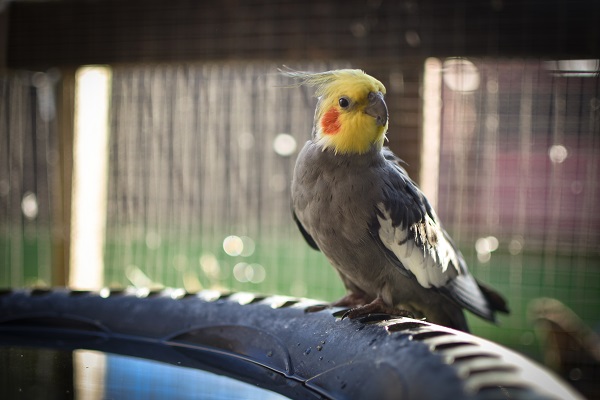
Cockatiels have charming crests and sweet personalities. They bond strongly with their owners and enjoy gentle handling. Cockatiels can whistle tunes and learn simple tricks. Their care is straightforward, making them a top choice for beginners.
Lovebird
Lovebirds are small but full of energy. They form close bonds and love social interaction. These birds need mental stimulation and toys to stay happy. Lovebirds are colorful and lively, perfect for owners who want an active pet.
Canary
Canaries are known for their beautiful singing. They are less hands-on but visually delightful pets. Canaries thrive in clean cages with fresh water and seeds. Their quiet nature suits owners who prefer watching rather than handling.
Parrotlet
Parrotlets are tiny parrots with big personalities. They are curious and enjoy exploring. These birds require daily interaction to stay friendly. Parrotlets can learn to talk and do simple tricks. Their small size fits well in many homes.
Feeding And Nutrition Basics
Feeding your first pet bird the right way sets the foundation for a long, healthy, and happy life. Understanding the basics of bird nutrition helps you avoid common pitfalls and keeps your feathered friend thriving. Let’s dive into what you really need to know about feeding your new companion.
Seed Vs. Pellets
Many new bird owners assume seeds are the best choice because they look natural and birds seem to love them. However, seeds often lack essential vitamins and minerals, which can lead to nutritional gaps over time. Pellets, on the other hand, are designed to provide balanced nutrition and reduce selective eating.
Imagine your bird choosing only sunflower seeds all day—this can cause obesity and malnutrition. Pellets prevent this by offering a mix of nutrients in every bite. You can still add some seeds, but pellets should be the main part of your bird’s diet.
Fresh Fruits And Vegetables
Adding fresh fruits and vegetables boosts your bird’s diet with natural vitamins and fiber. Think about offering small pieces of apple, carrot, or spinach daily to keep meals interesting and nutritious. Make sure to wash produce well and cut it into manageable sizes for your bird.
Did you know parrots often prefer crunchy veggies like bell peppers or broccoli over soft fruits? Try different options to see what your bird enjoys most. This variety not only improves nutrition but also provides mental stimulation.
Avoiding Toxic Foods
Some common human foods can be dangerous or even fatal to birds. Chocolate, avocado, caffeine, and onion are a few examples you must keep far away from your pet. These substances affect birds differently and can cause serious health problems quickly.
Always double-check if a food is safe before sharing it with your bird. When in doubt, stick to bird-safe fruits and veggies. Your vigilance can save your pet’s life.
Housing And Environment
Providing a proper housing and environment is key for a happy pet bird. Birds need space, comfort, and safety to thrive. A well-set cage and a calm area help reduce stress. Enrichment keeps birds active and curious. These factors make your bird feel at home and healthy.
Cage Size And Setup
Choose a cage large enough for your bird to move freely. Wings should stretch without touching the sides. Include perches of different sizes and materials. Place food and water dishes where the bird can reach easily. Clean the cage regularly to keep it fresh and safe.
Toys And Enrichment
Toys stimulate your bird’s mind and body. Provide chew toys, swings, and ladders. Change toys often to keep interest high. Foraging toys encourage natural hunting behavior. Enrichment prevents boredom and destructive habits.
Safe Location
Place the cage in a quiet, well-lit room. Avoid direct sunlight and drafts. Keep the cage away from the kitchen and smoke. Birds are sensitive to fumes and strong smells. Ensure the area is free from pets that might scare your bird.
Training And Socializing Tips
Training and socializing your first pet bird is essential for a happy and healthy relationship. Birds thrive on interaction and learning, which helps them feel secure and connected to you. With patience and consistency, you can shape your bird’s behavior and build a strong bond that lasts a lifetime.
Building Trust
Trust is the foundation of any relationship with your bird. Spend time sitting near their cage, talking softly, and offering treats without forcing interaction. This gentle approach helps your bird see you as a safe and friendly presence.
Try hand-feeding small snacks like millet or sunflower seeds to encourage your bird to come closer. Remember, sudden movements or loud noises can scare them, so keep your actions calm and predictable. Have you noticed how your bird reacts when you change your routine? Adjusting to their comfort level is key.
Basic Commands
Teaching simple commands like “step up” or “come here” sets clear expectations for your bird. Use a favorite treat as a reward and be consistent with your verbal cues and gestures. Short, frequent training sessions work better than long ones.
Make it fun by turning commands into a game. For example, say “step up” while offering your finger and reward the bird immediately when it complies. This positive reinforcement encourages your bird to repeat the behavior. Have you tried mixing commands with playtime to keep your bird engaged?
Handling And Interaction
Regular handling helps your bird become comfortable with human touch and presence. Start by gently touching their wings, feet, and beak while offering praise or treats. This helps them accept grooming and veterinary care without stress.
Interact daily through talking, whistling, or playing with toys together. Birds are social creatures and need this connection to avoid loneliness or behavioral issues. What new ways can you find to make your bird feel included in your daily routine?
Credit: www.northernparrots.com
Common Health Concerns
Choosing a good first pet bird means knowing about common health concerns. Birds can hide sickness well. Spotting problems early helps keep them safe and happy.
Birds face health issues like respiratory problems, feather plucking, and digestive troubles. Some signs are subtle but important. Taking care of your bird’s health means watching closely and acting fast.
Signs Of Illness
- Fluffed up feathers for long periods
- Loss of appetite or weight
- Changes in droppings color or consistency
- Labored or noisy breathing
- Swollen eyes or discharge
- Lethargy or less movement
- Unusual aggression or hiding
Preventative Care
- Provide a balanced diet with fresh fruits and veggies
- Keep the cage clean and dry
- Offer fresh water daily
- Maintain a stable, draft-free room temperature
- Give your bird daily exercise outside the cage
- Avoid sudden changes in environment or diet
- Regularly trim nails and check beak health
When To See A Vet
- If your bird shows any signs of illness listed above
- After any injury or trauma
- For yearly health check-ups and vaccinations
- Before introducing new birds to avoid disease spread
- If you notice unusual behavior or vocal changes
- When your bird stops eating or drinking for more than a day
Benefits Of Choosing The Right First Bird
Choosing the right first pet bird shapes your entire experience and can make a big difference in your happiness and the bird’s well-being. The right match helps you avoid common frustrations and creates a positive environment for both of you. Understanding the benefits encourages you to think carefully before bringing a bird home.
Building A Lifelong Bond
When you pick a bird that fits your lifestyle and personality, bonding becomes natural and rewarding. Some birds, like budgies or cockatiels, are social and eager to interact, making it easier to develop trust and affection.
I remember a friend who started with a finch and struggled to connect because the bird was too shy for her active home. Switching to a more outgoing parakeet changed everything—they quickly became inseparable companions.
Choosing a compatible bird means you spend quality time together, not just caring for it. You’ll notice your bird responding to your voice and gestures, creating a unique friendship that lasts years.
Enhancing Well-being
Your choice affects not just the bird’s health but yours too. Birds that suit your home environment tend to be less stressed, which reduces the chance of illness and behavioral problems.
Did you know interacting with a happy bird can lower your stress levels? Their playful antics and gentle chirps offer a calming presence that helps improve mood and mental health.
Good matches also encourage regular routines like feeding, cleaning, and playtime. This structure benefits both of you by promoting consistency and reducing unexpected challenges.
Encouraging Responsible Pet Ownership
Picking the right first bird sets a foundation for responsible care. You learn how to meet your bird’s specific needs, such as diet, cage size, and social interaction, which builds your confidence as a pet owner.
Many new bird owners give up because they feel overwhelmed by the demands of an unsuitable pet. Choosing wisely helps you avoid this and keeps your commitment strong.
By understanding your bird’s behavior and health requirements early on, you develop habits that ensure a happy life for your feathered friend. Are you ready to take the responsibility seriously and make your bird’s welfare a priority?

Credit: www.reddit.com
Credit: www.northernparrots.com
Frequently Asked Questions
What Makes A Bird A Good First Pet?
A good first pet bird is friendly, easy to care for, and sociable. Small species like budgies and cockatiels are ideal. They adapt well to new owners and require moderate attention, making them perfect for beginners.
Which Bird Species Are Best For Beginners?
Budgerigars, cockatiels, and lovebirds are best for beginners. These birds are small, friendly, and easy to train. They have manageable care needs and are known for their social nature, making them great starter pets.
How Much Care Does A First Pet Bird Need?
First pet birds need daily feeding, fresh water, and cage cleaning. They require social interaction and mental stimulation. Regular vet check-ups are important to ensure health and happiness. Proper care helps build trust and a strong bond.
Can Beginners Handle Bird Noise And Mess?
Beginner bird owners should expect some noise and mess. Small birds chirp but are usually not too loud. Mess comes from feathers and food debris but is manageable with regular cleaning. Patience and routine help maintain a clean environment.
Conclusion
Choosing a first pet bird can be exciting and rewarding. Birds like budgies or canaries make great companions. They’re small, friendly, and easy to care for. Consider your living space and time for interaction. Remember, each bird has unique needs and personalities.
Research well to find a bird that fits your lifestyle. A well-chosen bird can bring joy and companionship. Start with a simple choice and enjoy the journey. Birds can enrich your life with their beauty and charm. Make an informed choice, and cherish the bond you create.