
Are you thinking about adding a feathered friend to your home? Choosing the right pet bird can bring joy, companionship, and even a bit of color to your daily life.
But with so many types of birds available, how do you know which one fits your lifestyle and personality? This guide will help you discover the best birds you can keep as pets, making sure you find a perfect match that feels like family.
Keep reading—you’re about to uncover everything you need to know to make a happy choice for you and your new bird buddy.
Popular Pet Birds
Choosing the right bird as a pet can bring joy and companionship into your life. Popular pet birds offer a range of personalities, sizes, and care needs, making it easier for you to find one that fits your lifestyle. Understanding the unique traits of these birds will help you make a choice you’ll enjoy for years.
Budgerigars
Budgerigars, or budgies, are small, colorful parrots that are easy to care for. They are social and enjoy interaction, making them a great choice if you want a bird that can learn to mimic words and sounds.
Budgies don’t require large cages, which fits well in smaller homes. Have you thought about how much time you can spend training and playing with your bird daily?
Cockatiels
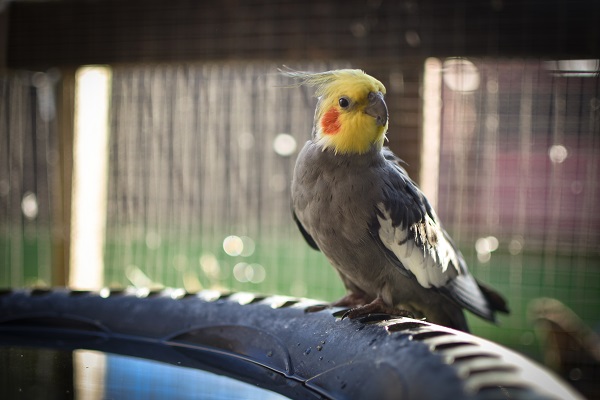
Cockatiels are known for their friendly nature and distinctive crests. They are excellent for first-time bird owners because they adapt well to human interaction and can be very affectionate.
These birds enjoy gentle whistles and simple tricks, so consider if you’re ready to engage regularly. Their calm demeanor makes them ideal companions in quieter households.
Lovebirds
Lovebirds are small but full of personality and energy. Despite their name, they do best with plenty of social interaction from their human caretakers rather than being left alone.
They can be a bit nippy but are incredibly loyal once they bond. Do you have the patience to build trust with a lively little bird?
Canaries
Canaries are famous for their beautiful singing and bright colors. Unlike parrots, they are less interactive but perfect if you enjoy listening to melodies throughout your day.
They thrive in spacious cages with plenty of light and prefer a calm environment. Are you looking for a bird that adds a soundtrack to your life rather than a constant companion?
Finches
Finches are small, active birds that love to live in groups. They are less about handling and more about watching their cheerful behavior and social interactions.
They need a cage that allows flight and plenty of perches. Could you create a lively, natural habitat in your home for a small flock?
:strip_icc()/parakeet-budgie-budgerigar-952787256-5b52a7d046e0fb0037bec8a7.jpg)
Credit: www.thesprucepets.com
Traits Of Friendly Birds
Choosing a bird with friendly traits can make your pet experience more joyful and rewarding. Friendly birds often display behaviors that make them easier to care for and bond with. Understanding these traits helps you pick a companion that fits your lifestyle and personality.
Social Behavior
Friendly birds tend to be social and enjoy interaction, whether with humans or other birds. They often seek attention and can become lonely if left alone for too long. Think about how much time you can dedicate daily—birds like budgerigars and cockatiels thrive on social contact and play.
Have you noticed how some birds greet you with excitement? That’s a clear sign of their social nature. If you want a bird that actively participates in your daily life, social behavior is key.
Trainability
Birds that are easy to train often make better pets because you can teach them tricks, commands, or even simple manners. Parrots, like African Greys and Amazons, are known for their intelligence and quick learning. Training sessions not only stimulate their minds but also strengthen your bond.
Consider if you enjoy interactive activities—trainable birds keep you engaged and can adapt to your routine. What new skill would you like your bird to learn first?
Vocalization
Some friendly birds are chatty and enjoy mimicking sounds, while others are quieter. Budgies and cockatoos are famous for their vocal talents, often entertaining their owners with whistles or words. However, if noise is a concern, look for species with softer calls like canaries or doves.
Think about your living situation—is your environment suitable for a vocal bird? Your choice in vocalization affects how much interaction you’ll have through sound.
Bonding With Owners
Friendly birds form strong attachments to their owners, seeking affection and trust. They often show this by perching on your finger or shoulder and following you around the room. Parrots especially are known for their loyalty and can become lifelong companions.
Ask yourself: Are you ready for a pet that demands emotional investment? Birds that bond well with owners can provide unmatched companionship but need your consistent attention.
Easy Care Birds
Easy care birds make excellent pets for those new to bird keeping or anyone seeking a low-stress companion. These birds require less time and effort compared to more demanding species, allowing you to enjoy their company without feeling overwhelmed. Understanding what makes a bird easy to care for helps you choose one that fits your lifestyle perfectly.
Low Maintenance Diets
Easy care birds thrive on simple diets that don’t require special ingredients or constant mixing. Many enjoy a basic seed mix combined with fresh fruits and vegetables, which you can easily find at local stores.
For example, budgies and canaries eat mostly seeds and pellets, which makes feeding straightforward. You don’t need to worry about complicated supplements or rare foods.
Have you ever struggled to prepare meals for a pet? Choosing birds with low maintenance diets can save you time and reduce stress.
Cage Requirements
When picking an easy care bird, consider cage size and setup. Smaller species like finches and lovebirds need cages that fit their activity level without taking up too much space in your home.
A simple cage with basic perches, food, and water dishes often works well. You can add a few toys but don’t need to spend hours decorating or cleaning complex environments.
Think about where the cage will go and how often you can clean it. Easy care birds usually handle routine cage maintenance well, making your life easier.
Health And Lifespan
These birds tend to be hardy, with fewer health issues than more exotic species. Budgies, for example, live around 5 to 10 years, while cockatiels can live up to 15 years with proper care.
Regular vet check-ups and a clean environment help prevent common illnesses. Easy care birds are generally resilient but still need your attention to stay healthy.
Would you be ready to commit to a pet for several years? Knowing their lifespan helps you plan and care for them responsibly.
Common Challenges
Even easy care birds have challenges. Noise can be an issue, especially with species like cockatiels that vocalize frequently. You might need to consider your living situation before bringing one home.
Another challenge is social needs. Some birds require daily interaction to stay happy, so if you travel a lot, this could be a problem.
Have you thought about how much time you can spend with your bird? Understanding these challenges upfront makes a big difference in pet satisfaction.
Credit: www.northernparrots.com
Choosing The Right Bird
Choosing the right bird as a pet involves careful thought. Birds vary in size, care needs, and personality. Picking one that fits your lifestyle makes pet ownership rewarding. Consider key factors before bringing a bird home. These points help match the bird to your daily life and environment.
Living Space Considerations
Space matters for your bird’s comfort and health. Small birds like finches need less room than larger parrots. Cage size should allow movement and wing flapping. Noisy birds may not suit small apartments or shared walls. Think about where the bird’s cage will go. Bright, safe spots with fresh air work best.
Time Commitment
Birds need daily care and interaction. Some species require more attention and playtime. Parrots and cockatoos can be very social and demanding. Budgies and canaries are more independent. Consider how much time you can spend feeding, cleaning, and bonding. A lonely bird may develop behavior problems.
Allergies And Sensitivities
Feathers and dust can trigger allergies. People sensitive to pet dander should choose hypoallergenic birds. Parakeets and finches usually cause fewer allergic reactions. Keep the cage clean to reduce dust and mites. Watch for sneezing, itching, or breathing issues after contact.
Budget Factors
Bird care costs vary widely by species. Larger birds need bigger cages, more food, and toys. Medical care for exotic birds may be expensive. Small birds have lower initial and ongoing costs. Plan for food, cage, toys, and vet visits. Unexpected expenses can arise, so save for emergencies.
Setting Up For Your Pet Bird
Setting up a home for your pet bird needs care and attention. A well-prepared space helps your bird stay healthy and happy. Birds need more than just a cage. Their environment should feel safe and fun.
Proper setup makes bonding easier. It also helps prevent stress or behavior problems. Think about comfort, safety, and mental activity. These are key to a good bird home.
Essential Cage Accessories
- Choose a cage large enough for your bird to move freely.
- Place perches of different sizes and textures to exercise feet.
- Use food and water dishes that are easy to clean and refill.
- Include a removable tray at the bottom for simple cleaning.
- Consider a cage cover to help your bird rest at night.
Toys And Enrichment
- Provide chew toys to keep beaks healthy and strong.
- Offer swings and ladders for climbing and fun.
- Rotate toys regularly to keep your bird interested.
- Use foraging toys to encourage natural hunting and searching behaviors.
- Add mirrors cautiously, as some birds may become obsessed.
Safe Environment Tips
- Place the cage away from drafts, direct sunlight, and kitchens.
- Keep the area quiet but not isolated from family activity.
- Remove toxic plants, fumes, and harmful objects nearby.
- Monitor temperature to stay between 65°F and 80°F (18°C-27°C).
- Ensure windows and doors are secure to prevent escapes.
Initial Training Steps
- Start by spending quiet time near the cage daily.
- Talk softly to build trust and reduce fear.
- Offer treats to encourage positive interactions.
- Teach simple commands like “step up” using gentle guidance.
- Be patient and consistent; training takes time and love.
Maintaining Bird Happiness
Keeping a bird happy is more than providing a cage and food. Birds are intelligent and social creatures that need attention and care to thrive. Understanding how to maintain their happiness can make a big difference in their well-being and your relationship with them.
Daily Interaction
Birds crave social contact and mental stimulation every day. Spend time talking, playing, or simply being near your bird to build trust and prevent loneliness.
Try teaching your bird simple tricks or letting them explore outside their cage under supervision. This interaction keeps their minds sharp and strengthens your bond.
Diet Variety
A varied diet keeps your bird healthy and interested in mealtime. Mix seeds, pellets, fresh fruits, and vegetables to provide essential nutrients.
Did you know some birds enjoy a little cooked egg or small amounts of cheese? Introducing new foods slowly can also help you spot any allergies or preferences early on.
Regular Vet Care
Birds often hide illness, making regular check-ups critical. Schedule vet visits at least once a year to catch issues before they become serious.
Keep an eye on your bird’s weight, feathers, and behavior between visits. Quick action can save your pet from discomfort or disease.
Recognizing Stress Signs
Stress can affect your bird’s health and happiness. Watch for signs like feather plucking, changes in vocalization, or loss of appetite.
Ask yourself if there have been recent changes in their environment or routine. Addressing stress triggers quickly helps your bird feel safe and secure.
Credit: lafeber.com
Frequently Asked Questions
What Are The Best Small Birds To Keep As Pets?
Small birds like budgerigars, canaries, and finches are popular pets. They are easy to care for and social. These birds thrive in cages and provide cheerful companionship.
Can Parrots Be Good Pet Birds At Home?
Yes, parrots are intelligent and social pets. They require mental stimulation and interaction. Parrots can learn tricks and mimic sounds, making them engaging companions.
Which Birds Are Suitable For Beginner Pet Owners?
Budgies, cockatiels, and lovebirds are great for beginners. They have manageable care needs and friendly temperaments. These birds adapt well to home environments and owner routines.
How Long Do Pet Birds Typically Live?
Pet bird lifespans vary by species. Small birds live 5-15 years, while larger parrots can live 40+ years. Proper care and diet extend their life expectancy.
Conclusion
Choosing the right pet bird enriches your life. Birds offer companionship and joy. Parrots, canaries, and finches suit many homes. Each bird has unique needs and personality. Consider space, time, and care required. Research before deciding. Talk to bird owners and experts.
Provide a safe and happy home. Birds thrive with love and attention. Their songs and colors brighten any day. Caring for them brings fulfillment. Enjoy the journey of bird ownership. Embrace the joy they bring. A feathered friend awaits you.
Make the right choice for a lifelong companion.