
Are you thinking about adding a feathered friend to your home but don’t know where to start? Choosing the right pet bird can feel overwhelming with so many colorful and lively options out there.
But finding the perfect bird that fits your lifestyle and personality can bring joy and companionship like no other. You’ll discover which pet bird matches your needs, how to care for it, and what to expect from your new companion.
Keep reading—your ideal bird is waiting!
Popular Pet Birds
Choosing a pet bird means understanding popular choices. These birds suit many homes and personalities. They offer different colors, sounds, and care needs. Knowing each bird helps find the right match for your life.
Parakeets
Parakeets are small and colorful birds. They are friendly and easy to train. Parakeets enjoy social time and love to chirp. Their care is simple, making them great for beginners. They live about 5 to 10 years.
Cockatiels
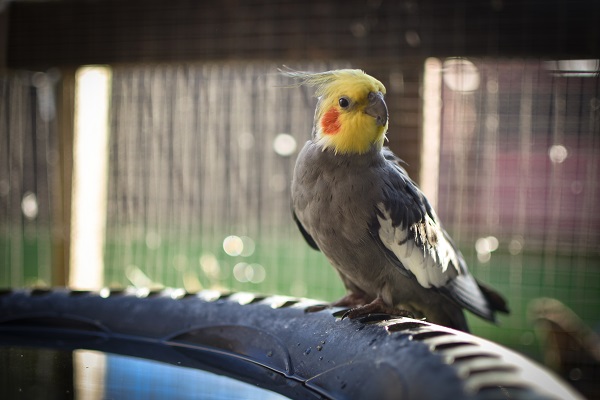
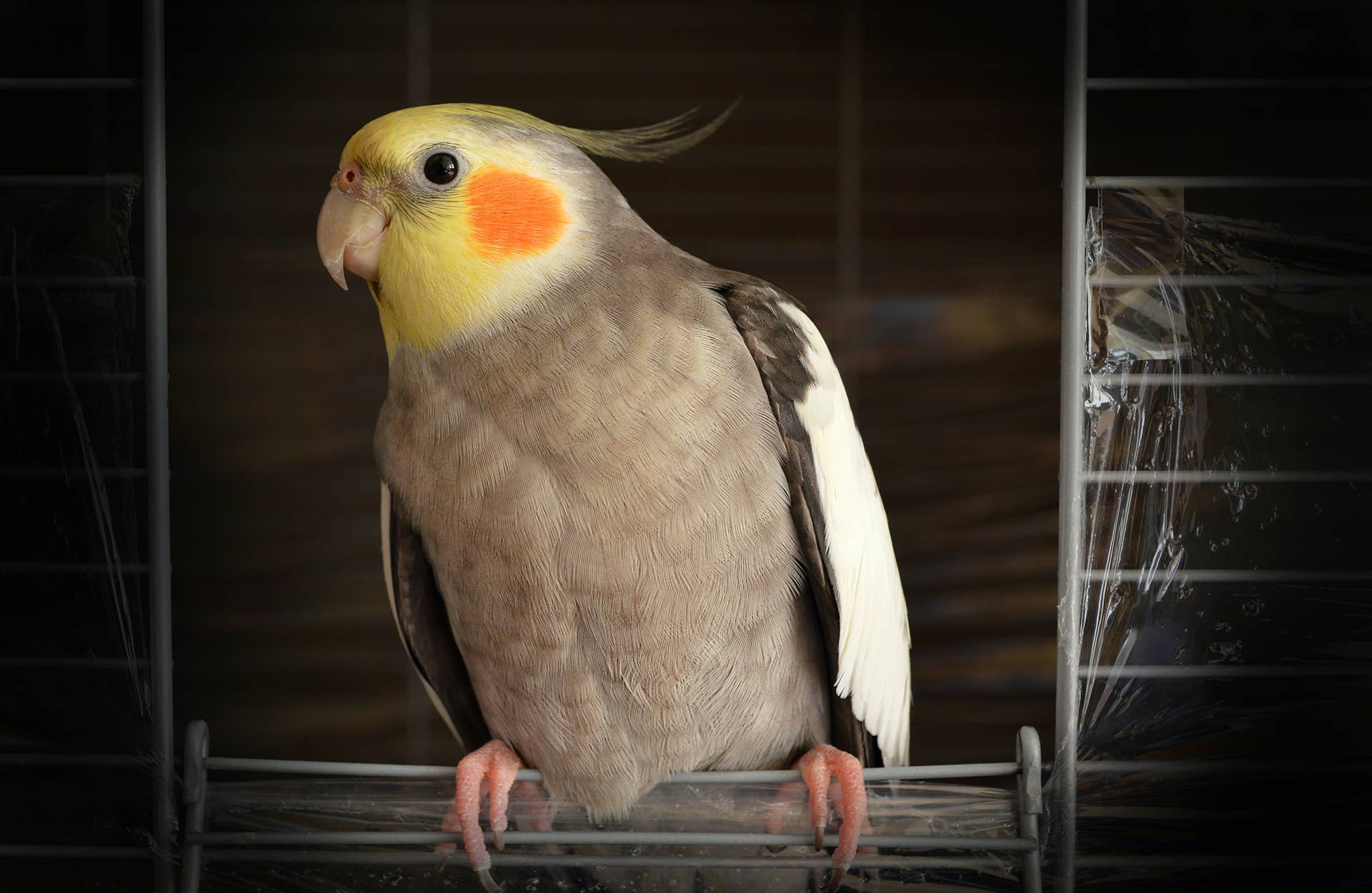
Cockatiels have a charming crest on their heads. They are gentle and like to whistle tunes. These birds bond well with owners. Cockatiels need daily interaction and toys. They live around 15 to 20 years.
Canaries
Canaries are known for their beautiful singing. They come in many colors and sizes. These birds prefer calm spaces and natural light. Canaries do not need much handling. Their lifespan is about 10 years.
Lovebirds
Lovebirds are small but very social birds. They show affection by staying close to partners or owners. Their bright colors make them popular pets. Lovebirds need mental stimulation and space to fly. They can live 10 to 15 years.
African Grey Parrots
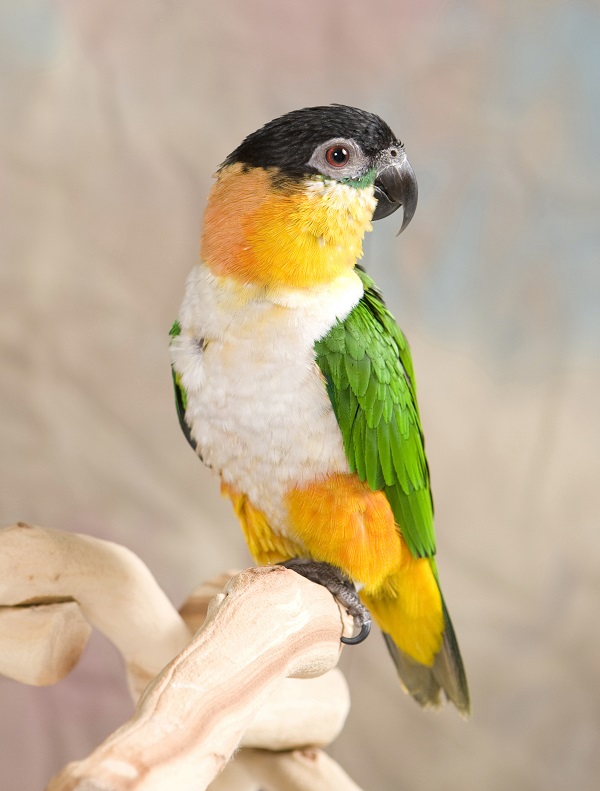
African Grey Parrots are smart and talkative. They can learn many words and sounds. These birds require a lot of attention and mental challenges. African Greys have a long lifespan, often 40 years or more. They suit experienced bird owners.
Credit: pethelpful.com
Factors To Consider
Choosing the right pet bird means thinking about several important factors. Each bird species has unique needs that affect your daily life and long-term commitment. Understanding these factors helps you find a bird that fits your lifestyle and space comfortably.
Space Requirements
Birds need enough room to stretch their wings and move around. Some birds, like cockatiels or parakeets, do well in smaller cages but still need daily out-of-cage time. Larger birds such as macaws require spacious cages and plenty of space for flying and climbing.
Ask yourself: How much space can you dedicate to a bird’s habitat? Remember, a cramped cage can lead to stress and health problems.
Noise Levels
Birds communicate with calls and songs, which can be loud and frequent. Budgerigars and canaries tend to be quieter, while parrots like amazons and conures are known for their loud vocalizations. Consider your living situation—do you have neighbors close by or small children who might be startled?
If noise is a concern, think about visiting a bird owner or shelter to hear different species before deciding.
Lifespan
Birds can live for many years, sometimes decades. Smaller birds like finches often live 5 to 10 years, while parrots can live 40 years or more. Are you ready for a long-term commitment that might even outlive other pets you’ve had?
Knowing the lifespan helps you prepare emotionally and financially for your pet’s future.
Diet And Care
Different species have different dietary needs. Seed-only diets can harm some birds, so you might need to provide fresh fruits, vegetables, and specialized pellets. Some birds require more frequent cage cleaning or grooming, such as nail trimming and feather care.
Ask yourself if you have time for daily feeding routines and care tasks. Proper nutrition and hygiene keep your bird healthy and happy.
Social Needs
Birds are social creatures, but their need for interaction varies. Parrots often crave constant companionship and can become lonely without regular attention. Other birds, like some finches, do well in pairs or small groups and enjoy socializing with their own kind.
Think about how much time you can spend with your bird daily. Could you provide a companion bird if needed? Your bird’s social happiness depends on your availability and understanding of its needs.
Bird Personalities
Choosing the right pet bird depends a lot on its personality. Birds have different traits and behaviors. Some crave attention and love company. Others enjoy quiet time alone. Understanding these traits helps pick a bird that fits your lifestyle. This section explores common bird personalities. It guides you to find a bird that matches your home and mood.
Friendly And Social
These birds love human interaction. They enjoy being around people and other pets. They often seek out attention and enjoy cuddling. Birds like cockatiels and budgerigars fall in this group. They thrive in busy homes. They need daily social time to stay happy.
Independent And Quiet
Some birds prefer solitude. They do not demand much attention. These birds enjoy resting and observing quietly. Examples include some finches and doves. They suit owners who want a calm pet. They need less daily interaction but still require care.
Playful And Energetic
Energetic birds love to play. They explore toys and climb around their cages. Parrots and conures are often playful and active. They need mental and physical stimulation. These birds enjoy games and training sessions. They keep owners entertained with their lively nature.
Talkative And Intelligent
Certain birds can mimic sounds and words. They are smart and curious. African grey parrots and amazons are famous talkers. These birds need mental challenges to avoid boredom. They enjoy learning tricks and repeating words. They form strong bonds with their owners through communication.
Credit: www.northernparrots.com
Health And Maintenance
Choosing the right pet bird means understanding its health and daily care needs. Birds need clean environments and proper attention to stay happy. Knowing common health problems helps you spot issues early. Grooming keeps your bird comfortable and looking good. Setting up the cage correctly supports your bird’s well-being. Regular vet visits ensure your pet bird remains healthy for years.
Common Health Issues
Birds can face many health problems. Some common ones include:
- Feather plucking caused by stress or illness
- Respiratory infections making breathing hard
- Psittacosis, a bacterial disease
- Vitamin deficiencies from poor diet
- Parasites like mites and lice
Watch for changes in behavior or appetite. Early action is key to treatment.
Grooming Tips
Keep your bird clean and healthy with simple grooming routines:
- Trim nails carefully to avoid injury
- Clean beak and feathers gently
- Offer baths or misting regularly
- Remove old feathers and dirt from the cage
- Check for signs of mites or skin problems
Cage Setup
A well-set cage supports health and happiness. Remember these points:
- Choose the right size for your bird species
- Use safe, non-toxic materials
- Provide perches of different sizes and textures
- Place food and water dishes within easy reach
- Clean the cage and accessories weekly
- Keep the cage away from drafts and direct sunlight
Regular Vet Visits
Taking your bird to the vet is important. Schedule check-ups at least once a year. Vets can:
- Detect diseases early
- Provide vaccinations if needed
- Advise on diet and care
- Treat parasites and infections
- Offer expert grooming tips
Prompt vet care helps your bird live a long, healthy life.
Training And Bonding
Training and bonding with your pet bird is essential for a happy and healthy relationship. It helps your bird feel secure and loved, while also making daily care easier. The time and effort you put into training can transform your pet from a shy companion into an interactive friend.
Basic Training Techniques
Start with simple commands like “step up” and “step down” using gentle encouragement and treats. Consistency is key—short, regular sessions work better than long, sporadic ones.
Use positive reinforcement to reward good behavior, and avoid punishment, which can damage trust. Have patience; some birds learn faster than others.
Building Trust
Trust doesn’t develop overnight. Spend quiet time near your bird’s cage, speaking softly and offering your hand for inspection.
Let your bird decide when to approach you. Pressuring it can backfire, making bonding slower.
Think about your own friendships—would you open up quickly to someone who rushes you?
Enrichment Activities
Keep your bird mentally and physically active with toys, puzzles, and foraging games. Rotate toys regularly to maintain interest.
Try teaching tricks like ringing a bell or waving. These activities engage your bird’s mind and deepen your connection.
What unique games can you create that suit your bird’s personality?
Handling Behavioral Challenges
Feather plucking, biting, and excessive noise often signal stress or boredom. Observe your bird’s environment and daily routine for possible triggers.
Redirect unwanted behaviors by offering alternative activities or toys. Avoid yelling, which only increases anxiety.
Have you noticed any patterns in your bird’s behavior that could guide your approach to training?
Choosing Based On Lifestyle
Choosing a pet bird depends a lot on your daily life and habits. Birds need different care and attention. Some require hours of interaction. Others do well with less time from you. Picking a bird that fits your lifestyle helps both you and the bird stay happy. Think about your time, home, and experience before deciding.
Busy Schedules
People with busy lives should pick low-maintenance birds. Budgies and finches are good choices. They need less daily attention. These birds enjoy social time but can entertain themselves too. Avoid large parrots that need long play sessions. Short care routines fit best with tight schedules.
Family With Children
Families with kids need gentle, friendly birds. Cockatiels and lovebirds are popular. They are patient and less noisy. These birds teach children about responsibility. Always supervise bird and child interactions. Teach kids how to handle birds kindly. Safe play creates happy memories.
First-time Bird Owners
New bird owners should start with easy birds. Parakeets and canaries are beginner-friendly. They adapt well to new homes. Their care is simple and clear. Learning basics is easier with these birds. This builds confidence for future pet care. Avoid complicated species at first.
Experienced Bird Keepers
Those with bird experience can try complex species. African Greys and Amazons offer advanced challenges. They need mental stimulation and social time. These birds bond deeply with owners. They require knowledge about diet and health. Experienced keepers enjoy teaching tricks and commands. These birds thrive with skilled care.

Credit: birdsupplies.com
Frequently Asked Questions
What Factors To Consider When Choosing A Pet Bird?
Consider size, lifespan, noise level, and care needs. Match the bird’s temperament with your lifestyle. Think about your living space and time availability for interaction and training.
Which Pet Birds Are Best For Beginners?
Budgerigars, cockatiels, and lovebirds are great for beginners. They are friendly, easy to care for, and social. These birds adapt well to new owners and environments.
How Much Space Does A Pet Bird Need?
Space needs vary by species. Small birds need cages at least 18x18x18 inches. Larger birds require bigger aviaries for exercise and comfort. Always provide time outside the cage for flying.
Are Pet Birds Noisy And How To Manage Noise?
Many pet birds can be noisy, especially parrots. Noise levels depend on species and individual personality. Training, toys, and interaction can help reduce excessive noise.
Conclusion
Choosing the right pet bird enriches your life. Each bird offers something unique. Consider your lifestyle and time for care. Research their needs and habits thoroughly. Some birds need more attention than others. Budget is also important for their upkeep.
Visit pet shops or breeders for advice. Talk to bird owners about their experiences. This helps make an informed decision. Patience and love create a great bond with your feathered friend. Embrace this rewarding journey. Your ideal bird awaits.