

Are you struggling to capture sharp, stunning photos of birds from a distance? Choosing the right millimeter (mm) lens can make all the difference in your bird photography.
But with so many options out there, how do you know which lens suits your style and needs? You’ll discover exactly what mm lens will help you get closer to those beautiful feathered friends and take your bird photos to the next level.
Keep reading to find the perfect lens that matches your budget and skill!
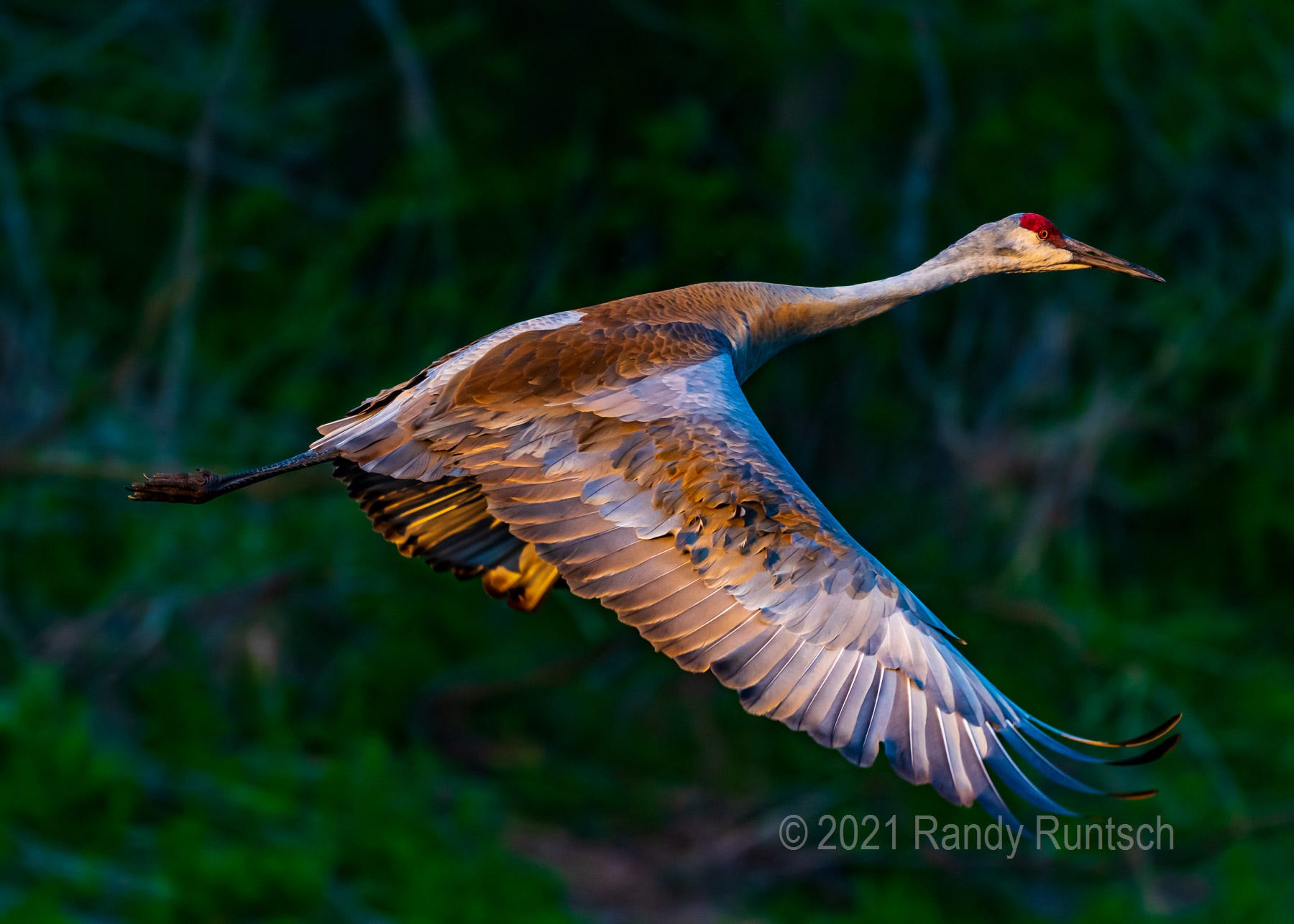
Credit: medium.com
Choosing The Right Focal Length
Choosing the right focal length for bird photography can dramatically affect your ability to capture sharp, detailed images. The focal length you select determines how close you can get to your subject without disturbing it, and how much of the environment you include in your frame. Understanding different focal lengths helps you decide which lens fits your style and shooting conditions best.
Popular Focal Lengths For Birds
Bird photographers often prefer lenses ranging from 300mm to 600mm. A 300mm lens is great for larger birds or when you can get closer, such as in a park or backyard. Lenses between 400mm and 600mm offer more reach, essential for photographing small or distant birds in the wild.
Some photographers use zoom lenses like 100-400mm to stay flexible during unpredictable shoots. Prime lenses, on the other hand, often deliver sharper images but limit your framing options. What kind of bird photography do you want to focus on? This question helps narrow down your choices.
Telephoto Vs Super Telephoto
Telephoto lenses typically range from 200mm to 400mm and are lighter and easier to carry. These lenses work well when you can get reasonably close to your subject. Super telephoto lenses start at 500mm and go beyond 800mm, offering extreme reach but often at the cost of weight and price.
Choosing between telephoto and super telephoto depends on your shooting environment and patience. Do you prefer waiting for the perfect shot from a distance, or do you enjoy a more hands-on, up-close experience? Your answer will guide your gear investment.
Crop Sensor Impact
Crop sensor cameras multiply the effective focal length of your lens, giving you more “reach” without extra weight. For example, a 300mm lens on a crop sensor with a 1.5x crop factor acts like a 450mm lens on a full-frame camera. This can be a big advantage if you need extra zoom but don’t want to carry heavier lenses.
However, crop sensors may produce more noise in low light and have a narrower field of view. Knowing how your camera’s sensor size affects focal length helps you choose the best lens to match your gear. Have you checked your camera’s crop factor before picking a lens?
Lens Aperture And Image Quality
Choosing the right lens for bird photography involves understanding lens aperture and image quality. A lens’s aperture impacts both light entry and depth of field. It’s crucial for capturing stunning bird photos.
Importance Of Wide Aperture
A wide aperture lets in more light. This is essential for low-light conditions. It helps capture fast-moving birds without blurring. Wide apertures provide a shallow depth of field. This creates beautiful background blur, making birds stand out. Photographers often use f/2.8 or f/4 for bird photography. These apertures ensure sharp subjects and blurred backgrounds.
Balancing Aperture And Sharpness
While wide apertures offer benefits, they may reduce image sharpness. Finding the right balance is key. Stopping down the aperture slightly can enhance sharpness. Many photographers use f/5.6 or f/8 for better clarity. These settings maintain background blur while boosting sharpness. Experimenting with different apertures helps achieve desired results.
Prime Vs Zoom Lenses
Choosing between prime and zoom lenses is key for bird photography. Each type offers unique benefits that affect image quality and shooting style. Understanding these differences helps you pick the right lens for your needs.
Advantages Of Prime Lenses
Prime lenses have a fixed focal length. This design often results in sharper images. They usually have wider apertures, letting in more light. This helps in low-light conditions and creates a blurred background effect. Prime lenses tend to be lighter and simpler. Many photographers find them easy to carry on long birdwatching trips. The simplicity means fewer moving parts, which can increase durability. They encourage photographers to move and explore different angles. This can lead to more creative shots and better compositions.
Flexibility Of Zoom Lenses
Zoom lenses cover a range of focal lengths. This allows quick changes without swapping lenses. They are useful for unpredictable bird movements. Zoom lenses can capture wide scenes or close-up details. This versatility reduces the gear you need to carry. Modern zoom lenses often have good image stabilization. This helps get sharp images at longer distances. The trade-off is often a bit less sharpness compared to prime lenses. Still, zoom lenses offer great convenience and adaptability in the field.

Credit: www.reddit.com
Lens Features For Bird Photography
Choosing the right lens features is key for bird photography. Birds move quickly and often stay far away. Your lens must capture sharp, clear images under different conditions. Certain features help improve the quality and ease of shooting. These features can make a big difference in your results.
Image Stabilization Benefits
Image stabilization helps reduce camera shake. It is vital for long lenses used in bird photography. Without it, photos can blur easily. It allows slower shutter speeds without losing sharpness. This feature is especially useful in low light or on windy days. It helps keep your images crisp and clear.
Autofocus Speed And Accuracy
Birds move fast and unpredictably. A lens with quick autofocus can track birds effectively. Accuracy is just as important as speed. It ensures the bird stays sharp even if it moves suddenly. Look for lenses with advanced autofocus motors. They improve your chances of capturing perfect moments.
Weather Sealing Considerations
Bird photography often happens outdoors in various weather. Dust, rain, and moisture can damage lenses. Weather sealing protects your lens from these elements. It allows you to shoot confidently in tough conditions. This feature extends the life of your gear. It gives peace of mind during unpredictable weather.
Budget-friendly Lens Options
Choosing the right lens for bird photography can be costly. Many photographers hesitate due to high prices. Budget-friendly lens options offer a way to enjoy bird photography without breaking the bank. These lenses provide good reach and decent image quality. They are perfect for beginners and hobbyists who want to explore bird photography on a budget. Let’s explore some affordable options and alternatives that can deliver great results.
Affordable Telephoto Lenses
Telephoto lenses with focal lengths between 300mm and 400mm work well for bird photography. These lenses give enough zoom to capture birds from a distance. Some affordable models come with image stabilization to reduce blur. They often have a fixed aperture around f/5.6, which works fine in good light. Brands like Canon, Nikon, and Tamron offer budget telephoto lenses. You can expect sharp images and decent autofocus performance from these lenses.
- Canon EF 75-300mm f/4-5.6 III
- Nikon AF-P DX 70-300mm f/4.5-6.3G ED VR
- Tamron 70-300mm f/4-5.6 Di LD Macro
Used Lenses And Alternatives
Buying used lenses can save a lot of money. Many photographers sell lenses that are still in great condition. Look for reputable sellers and check lens condition carefully. Manual focus lenses can also be an option. They are cheaper but require more skill to use. Mirror lenses offer high zoom at low cost but may have lower image quality. Adapters allow using lenses from other brands. This expands your choices and can reduce costs. Always test the lens before buying if possible.
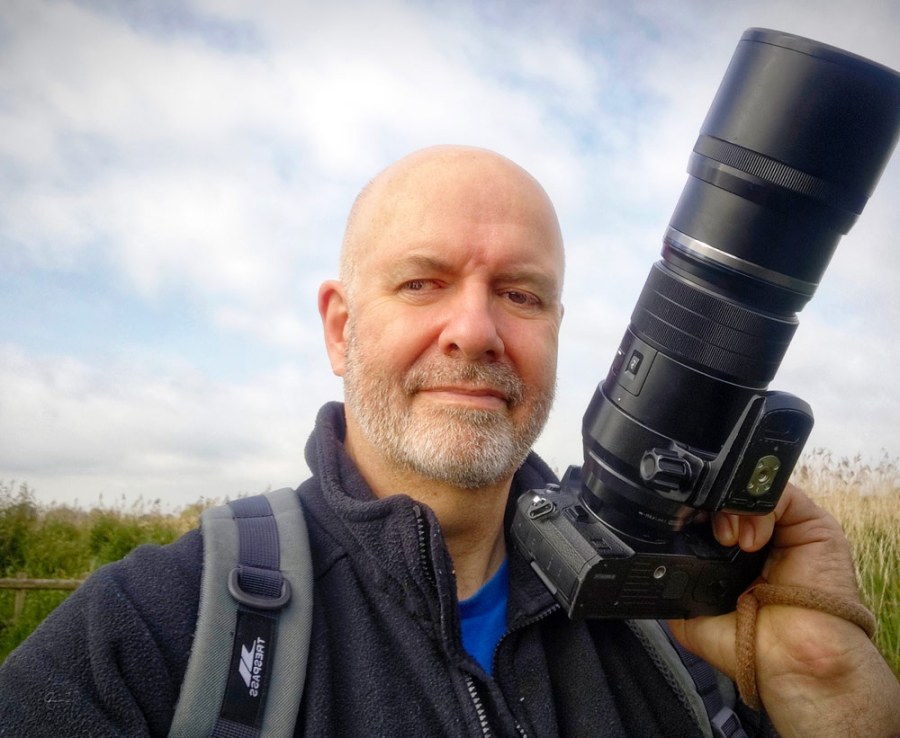
Credit: amateurphotographer.com
Tips For Sharp Bird Shots
Capturing sharp bird photos requires more than just a good lens. The right techniques help freeze motion and focus perfectly. Small changes in settings and approach can greatly improve image clarity. Follow these tips to get crisp, detailed bird shots every time.
Using Proper Shutter Speeds
Fast shutter speeds stop bird movement and reduce blur. Birds move quickly, so use speeds of 1/1000 second or faster. For smaller or faster birds, increase shutter speed to 1/2000 second. A higher shutter speed keeps details sharp and motion frozen.
Optimal Focus Techniques
Focus on the bird’s eyes for the sharpest results. Use continuous autofocus mode to track moving birds. Select a single focus point to avoid distractions. Keep the focus locked as the bird moves toward or away from you.
Shooting In Good Light
Bright light helps the camera capture clear details. Shoot during early morning or late afternoon for soft, warm light. Avoid harsh midday sun, which can create strong shadows. Good lighting improves color and sharpness without raising ISO too high.
Frequently Asked Questions
What Mm Lens Is Best For Bird Photography?
A 300mm to 600mm lens is ideal for bird photography. It provides excellent reach and sharpness to capture detailed bird images from a distance.
Can I Use A 100mm Lens For Bird Photos?
A 100mm lens can work for close bird shots but lacks reach. Longer lenses are preferred for capturing distant or small birds clearly.
Why Choose Telephoto Lenses For Bird Photography?
Telephoto lenses offer long focal lengths to photograph birds without disturbing them. They ensure sharp focus and detailed close-ups from afar.
Is A 400mm Lens Good For Bird Photography?
Yes, a 400mm lens is versatile and popular among bird photographers. It balances reach and portability, capturing clear images of birds in various habitats.
Conclusion
Choosing the right mm lens helps capture birds clearly and beautifully. A lens with good zoom lets you get close without disturbing birds. Keep in mind the weight and size for easy carrying outdoors. Remember, sharp focus and fast autofocus improve your bird photos.
Try different lenses to find what works best for you. Enjoy nature and practice often to get better shots. Happy bird photography!